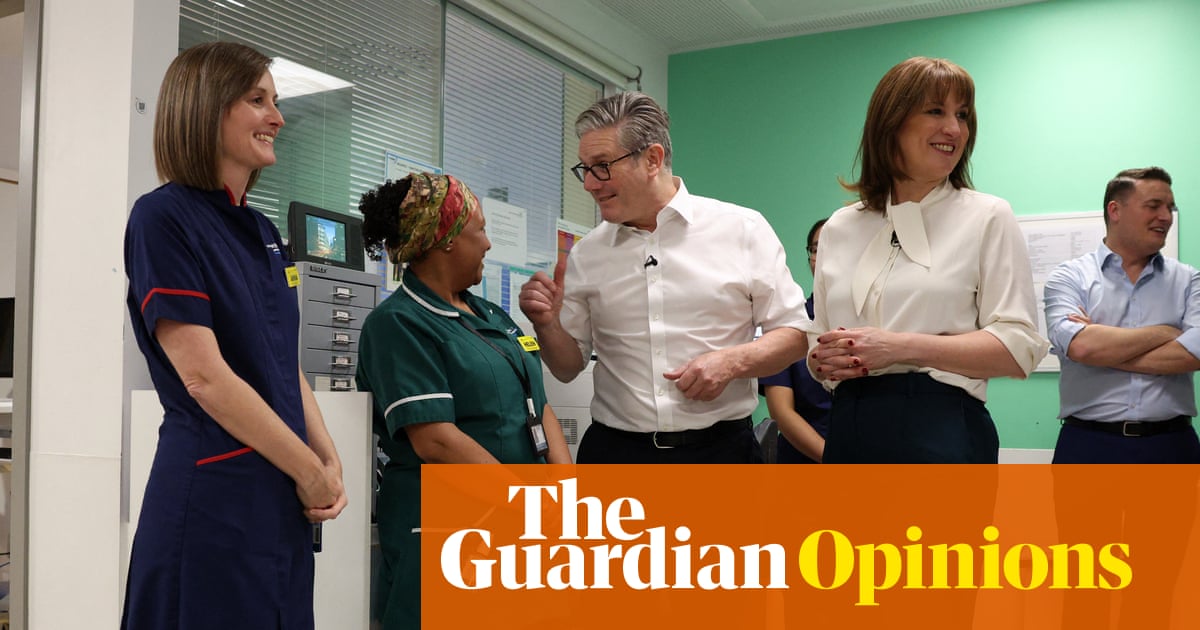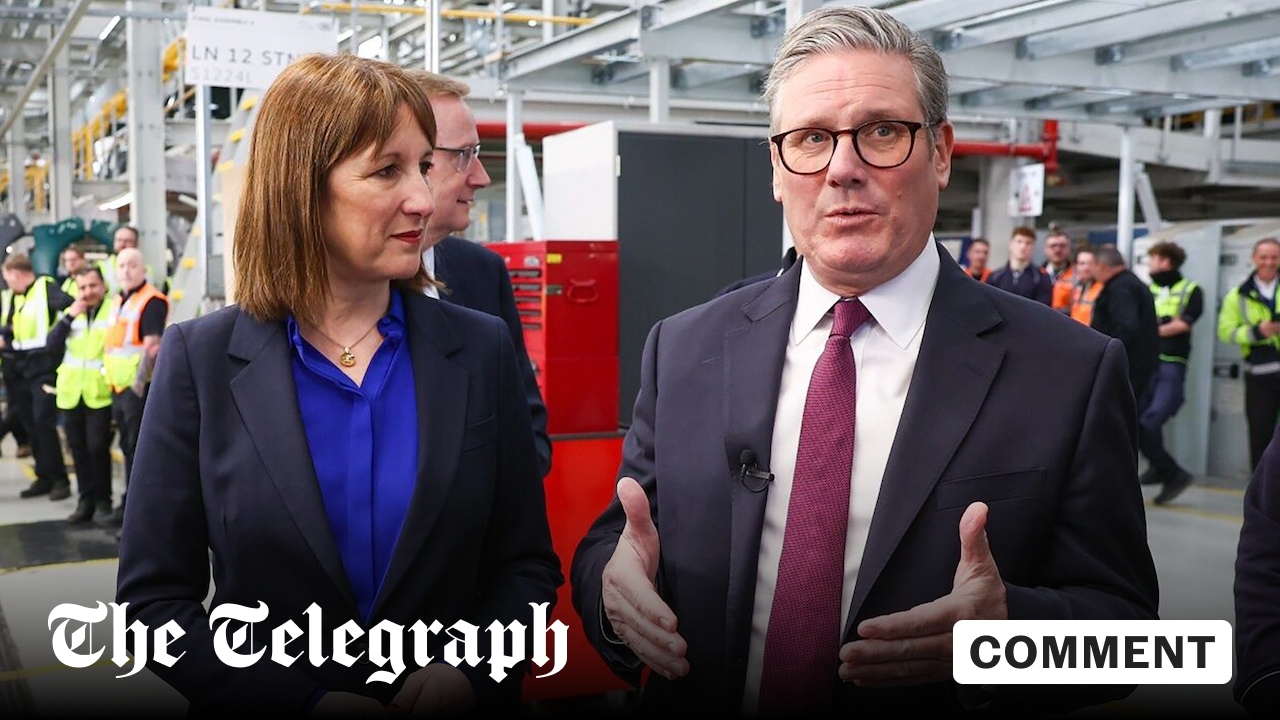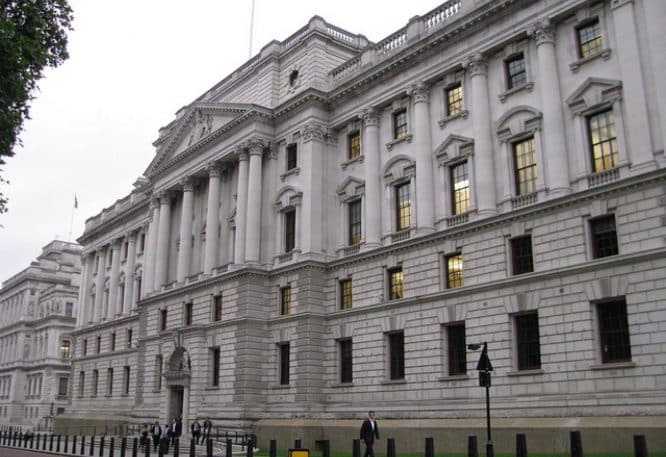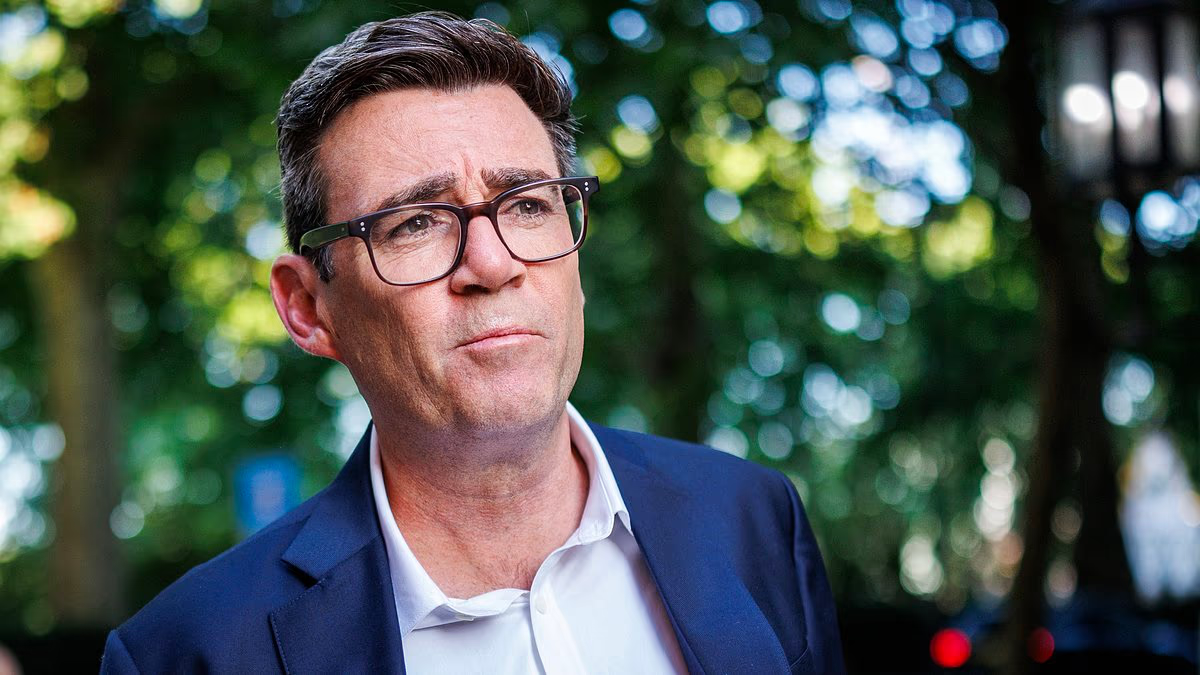
Last summer I warned in this newspaper that Britain's public finances were in such an appalling state that we were heading for a rerun of the disastrous events of September 1976.Back then, the government was utterly broke after years of overspending and growth-sapping taxation by both main parties.Labour chancellor Denis Healey had to go cap-in-hand to the International Monetary Fund (IMF) for a bailout – behaviour more often associated with tinpot dictatorships or far-flung emerging markets.While some might have scoffed at my doom-laden warning last August, Labour's reckless borrowing and spending has continued.With the country in even greater fiscal danger, heavyweight establishment economists have joined me in agreeing that we are in bailout territory – which would not only be humiliating on the global stage, but would impoverish and indebt us for generations to come.Former IMF chief economist Ken Rogoff says there is a 'more than 50:50 chance' of a major UK debt crisis before the end of this decade.Sir Charlie Bean, a retired deputy governor of the Bank of England, warns a bailout is a 'material risk'.This week, the Office for Budget Responsibility (OBR), in words unusually strong for the official fiscal watchdog, cautioned that government debt is heading towards an 'unsustainable and ever-rising path'. Incoming PM Andy Burnham gives no indication he is remotely concerned about the imminent calamity, writes Liam Halligan Labour chancellor Denis Healey had to go cap-in-hand to the International Monetary Fund (IMF) for a bailout in 1976 after years of overspending and growth-sapping taxation Rachel Reeves's swingeing increase in employers' National Insurance contributions and new employment rights laws have hit recruitment, says the OBRNeedless to say, incoming PM Andy Burnham gives no indication he is remotely concerned about the imminent calamity.Over the next few years, says the OBR, Britain needs to raise £120billion a year via tax increases or spending cuts to prevent national debt spiralling out of control.To put that number in perspective, it's equivalent to the entire state education budget and almost twice what we spend on defence.And with the tax burden forecast to hit an all-time high of 38.5 per cent of GDP by 2030, the OBR warns trying to plug the yawning fiscal gap with even more taxation risks 'ever-increasing economic distortions and costs'. This means it could curtail growth, crush investment and discourage enterprise.Meanwhile, Rachel Reeves's swingeing increase in employers' National Insurance contributions and new employment rights laws have hit recruitment, says the OBR.In May, the Office for National Statistics reported the unemployment rate had hit 5 per cent, up from 3.6 per cent in 2022. Young people were hit particularly badly, with youth unemployment spiralling to 14.7 per cent, the highest since late 2014.In 1997, New Labour's campaign anthem was D:Ream's Things Can Only Get Better. As socialism grips our country, things can only get worse.The rot first set in with Reeves's October 2024 'Halloween' budget, which raised taxation by a massive £40billion per year and borrowing by £30billion to fund a torrent of welfare handouts.Reeves then compounded this in her second budget in November last year, when she raised taxes by another £30billion to fund an ever-rising bill for Benefits Street.Her legacy to the incoming Burnham is a tax burden that may soon reach 40 per cent of GDP. And with the T-shirted Andy determined to shift Labour even further to the Left, taxation is set to go higher still.Britain spent more on welfare (£334billion) last year than it collected in income tax (£331billion), as the number of people on Universal Credit topped 8million and the cost of long-term sickness payments accelerated.This massive welfare expansion, along with spiralling debt service costs, has caused government borrowing to balloon. When Labour took office, the OBR predicted an additional £323billion of borrowing during the five years to 2029.But after just two years Labour has jacked up projected expenditure so much the forecast has soared to £583billion – an increase of a staggering 80 per cent.Inflation-prone and fiscally profligate, Britain pays far more to borrow than any other G7 nation. The interest rate on ten-year government bonds – known as gilts – is around 5 per cent, up from 4.5 per cent last year.With almost a third of government debt 'index-linked' – i.e. tied to inflation – our debt service bill is crippling, amounting to £301million per day. Think how many doctors and nurses that could pay for.Last year, the Government borrowed £129billion, 80 per cent of which was spent on debt interest. Over the four years since the Covid lockdown, in fact, more than four fifths of all government borrowing has gone on debt interest payments.In short, Britain's public finances have become a Ponzi scheme – and, like all such lunatic capers, it is prone to sudden collapse. With the political and media class fixated on the puerile charade of Nigel Farage versus Count Binface, the OBR's latest warnings have barely been noticedDespite this nightmare, the union barons and Labour MPs putting Andy Burnham into No 10 want even more borrowing and spending.These people refuse to accept the economic facts of life, because to do so would offend their tribal desire to 'redistribute' wealth and go against their statist ideology.With the political and media class fixated on the puerile charade of Nigel Farage versus Count Binface, the OBR's latest warnings have barely been noticed. But we are in the crosshairs of extreme fiscal danger.Institutional investors lending governments serious money are fickle and often based overseas, with no regulatory obligations to bankroll basket-case Britain.And an ever-growing share of the Government's creditors are 'speculative' rather than 'strategic' buyers of gilts: hedge funds looking for quick returns instead of final-salary pension schemes holding bonds to maturity.Hedge funds are likely to dump gilts en masse when sentiment decisively shifts – causing yet another sharp surge in state borrowing costs.This sets up a death spiral in which the Government scrambles to borrow more to meet welfare payments and other obligations.In other words, a fiscal meltdown, which will involve another craven visit to the IMF in Washington DC to beg for a bailout.In such a scenario, Britain would be run by unelected global 'technocrats' – as happened in Italy and Greece during the 2010 to 2015 eurozone crisis and, indeed, here precisely 50 years ago.The result will be punishing austerity measures, a collapsing currency, a pulverising cost-of-living crisis and – you can be sure – a humiliating end to Burnham's regime.People are already reeling from inflation, with the price of supermarket staples crippling living standards, even among the middle classes.It's not too late to pull back from the fiscal brink, but we need to acknowledge the truth: Britain has, for years, been borrowing and spending far beyond our means.Economists need to speak out, politicians must issue warnings and centre-Right parties need to build support for pro-growth policies. Only then, once financial markets and the UK's increasingly impatient creditors have been reassured, can there be a concerted move towards lower taxation, shifting us – at last – on to a higher growth path.Given the fragility of our public finances and the increasingly febrile nature of our politics, the moment when Labour leaves office could be with us sooner than anyone thinks.Liam Halligan is an economics commentator
UK 'needs to raise £120bn a year by cutting welfare or raising taxes'
Over the next few years, says the OBR, Britain needs to raise £120billion a year via tax increases or spending cuts to prevent national debt spiralling out of control.
1,199 words~5 min read