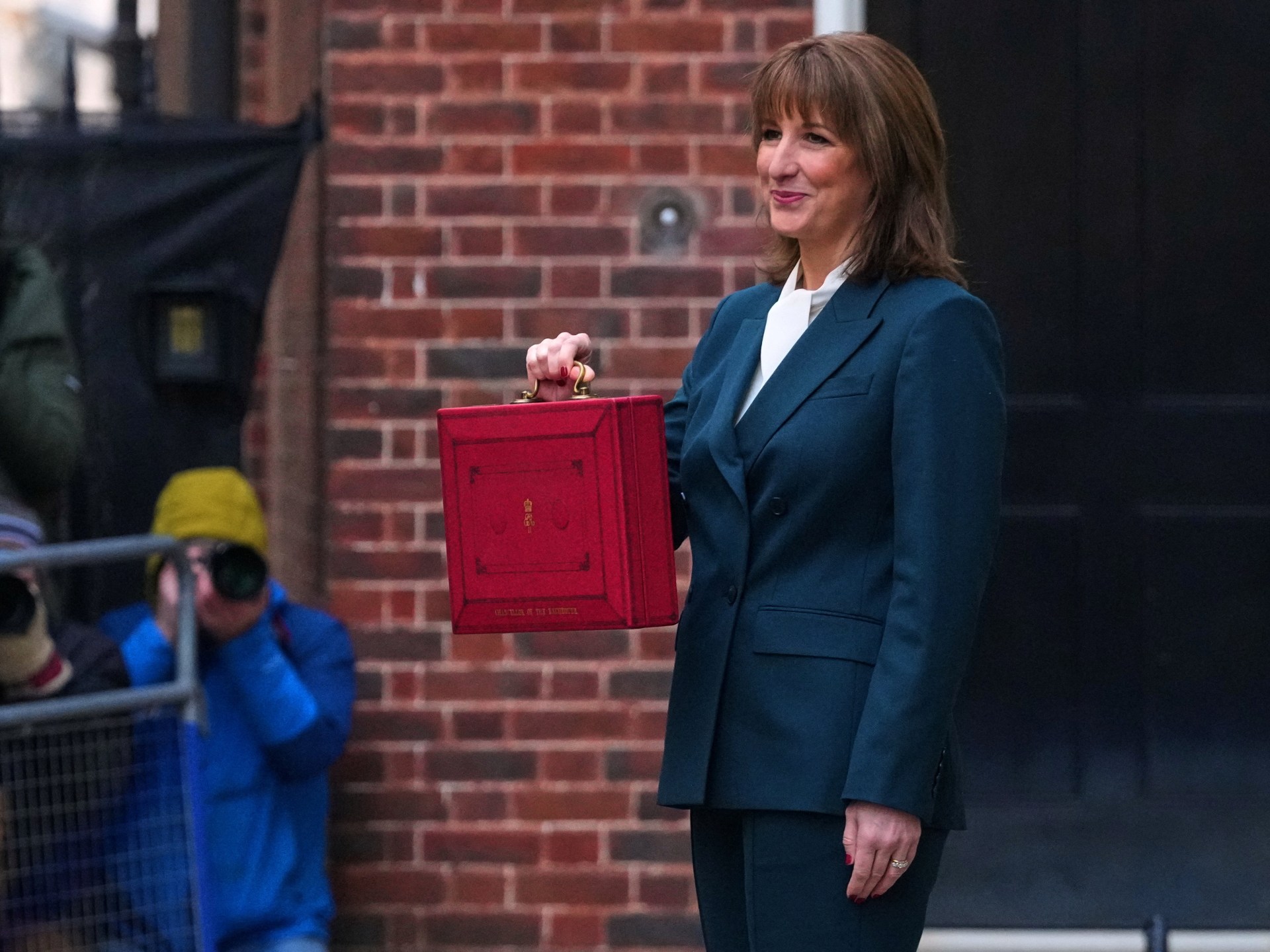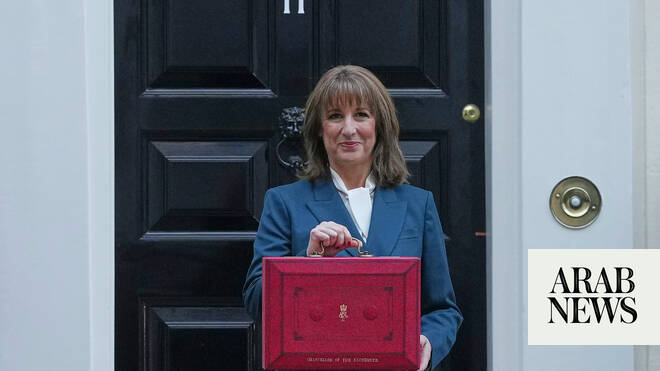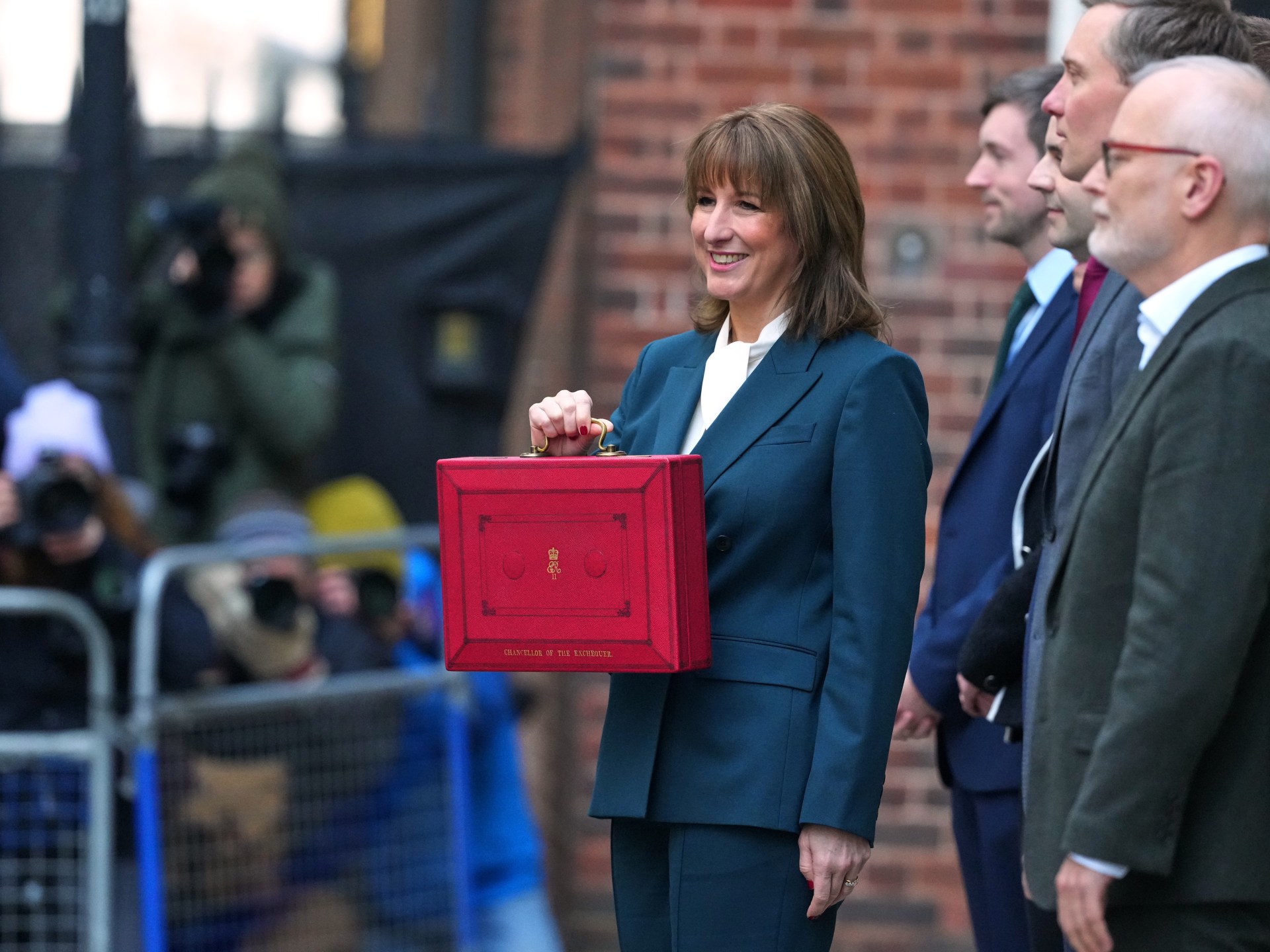
Only 20% of tax rises will go towards making people better off. The vast majority will be spent meeting Labour’s fiscal rules and paying for U-turns
I
magine it: you are the chancellor of a government in mortal peril. Poll ratings are down the U-bend; backbenchers are mutinous and colleagues are circling around the prime minister, readying themselves to land the fatal blow. You have a budget, which may be your last chance to avert the inevitable. What do you do?
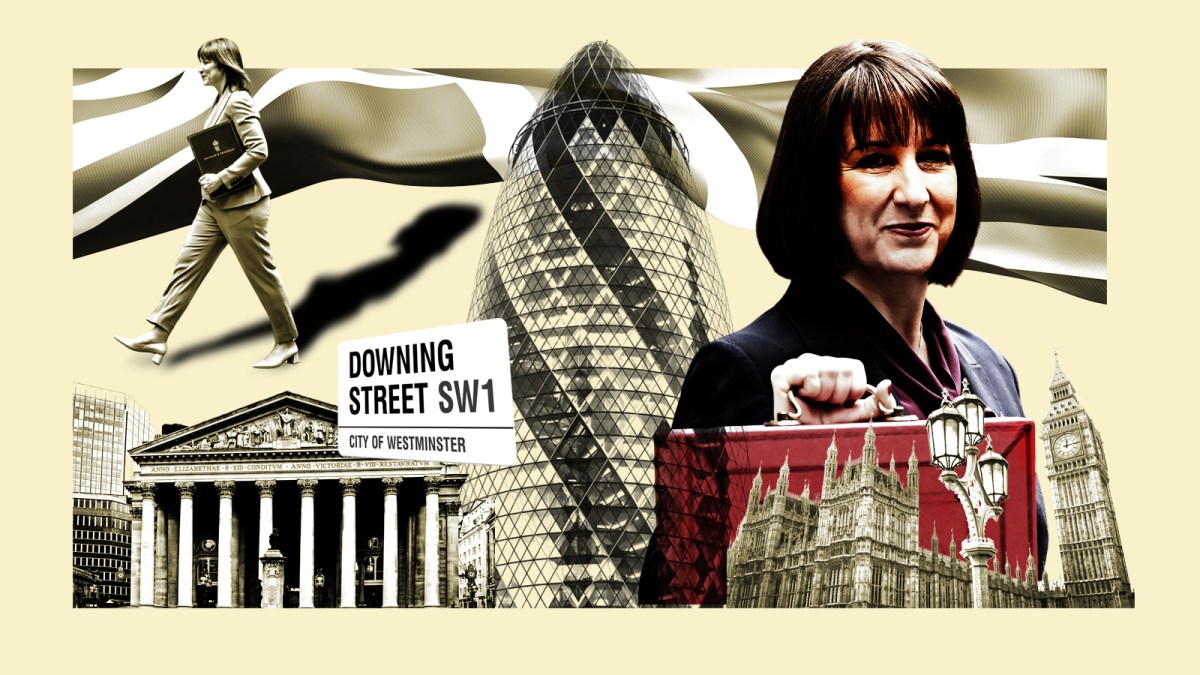
If you’re Rachel Reeves, you use it to buy time. Time for Keir Starmer and you to carry on in office for a while longer, so perhaps your luck will change. Extra time for this unfortunate, empty, placeholder of a PM costs more than olive oil, but the chancellor still splashed out. This afternoon, she delivered a budget that was a £26bn attempt to buy her government some time.
That £26bn will be paid not by businesses but by you and me, as taxes are pushed up to an all-time high. She will spend the cash to placate bond investors and calm down angry backbenchers by increasing the “headroom” to meet her own fiscal rules, and on measures such as scrapping the two-child benefit cap. And it will work, for a while. But even while many of those moves are good, they are small. Bundle up all the spending and tax policies and the budget is huge, but look at the measures one by one and they are mainly loose change. You can say the same about the likely impact of this budget.