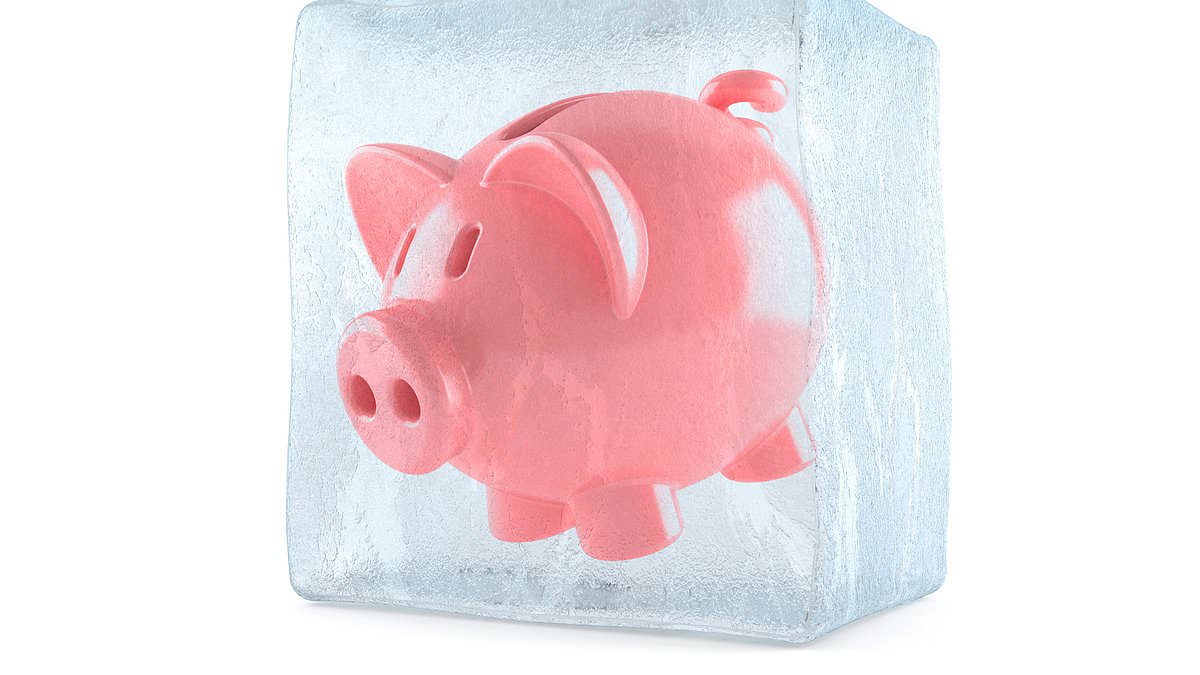
Millions more workers have been dragged into higher-rate tax bands because of the freeze on income tax thresholds since 2021.
The number of higher-rate taxpayers has increased from 4.43million in the 2021/22 tax year, to a projected 7.7million in 2026/27, according to government figures published today.
For tax allowances and thresholds to maintain their real value, or affect a consistent proportion of the working population, they need to rise with inflation or wage growth.
If they do not increase with inflation, then the amount people can earn tax-free, or at lower rate tax bands, falls behind the rising cost of living.
Meanwhile, if the allowances and thresholds don't rise with wages, then they start to target a different slice of the working population.