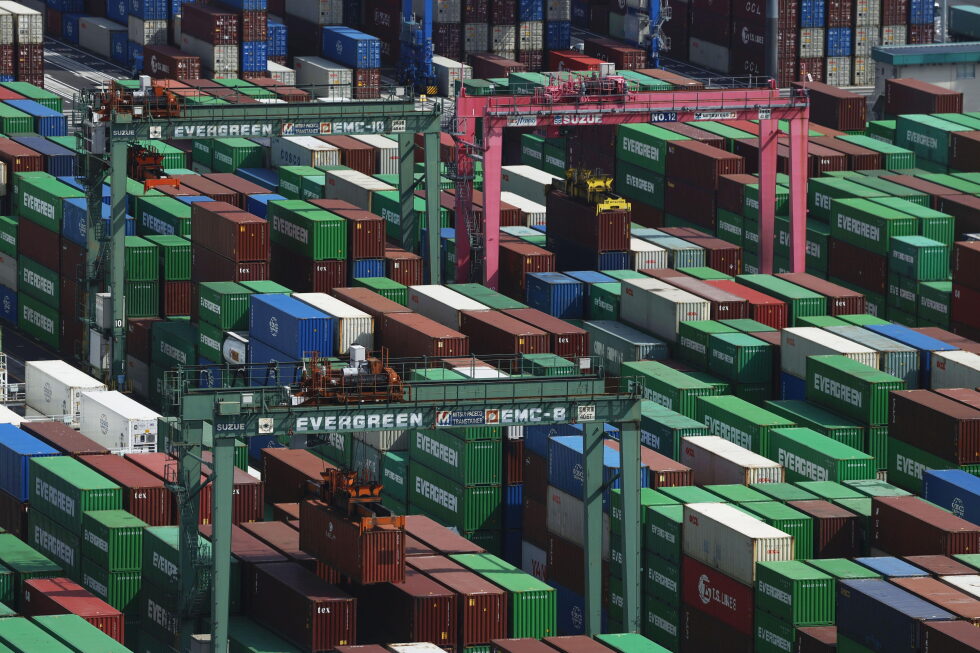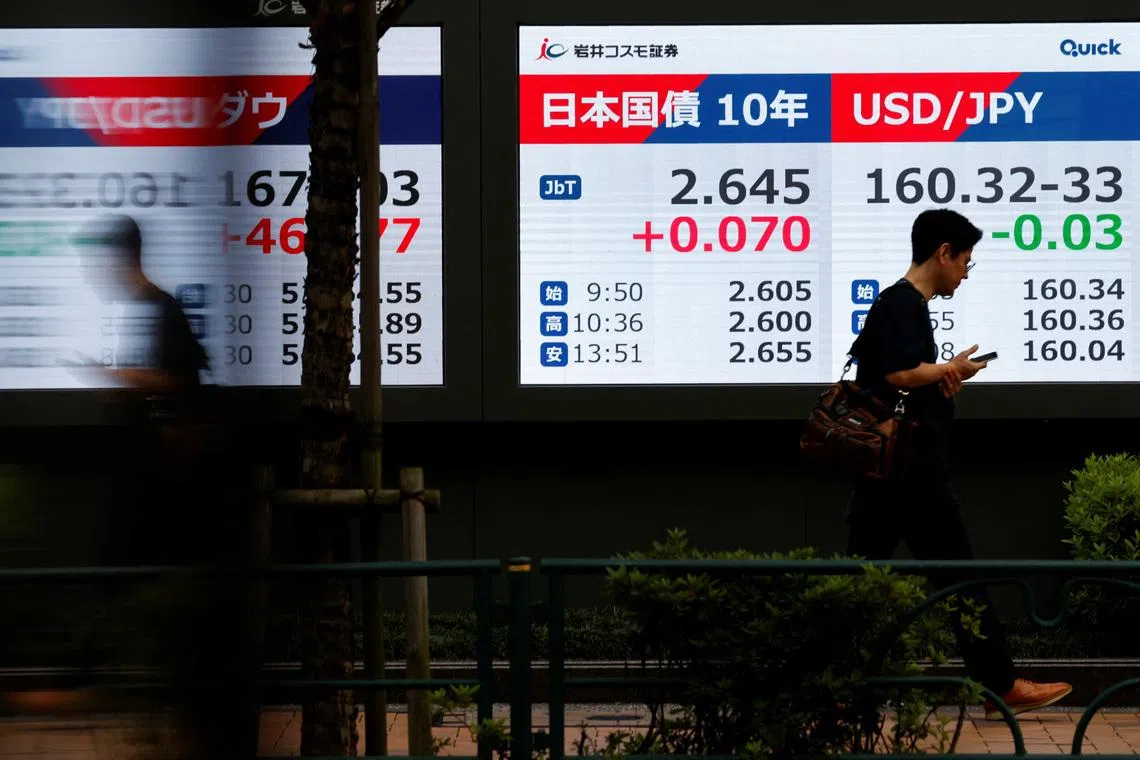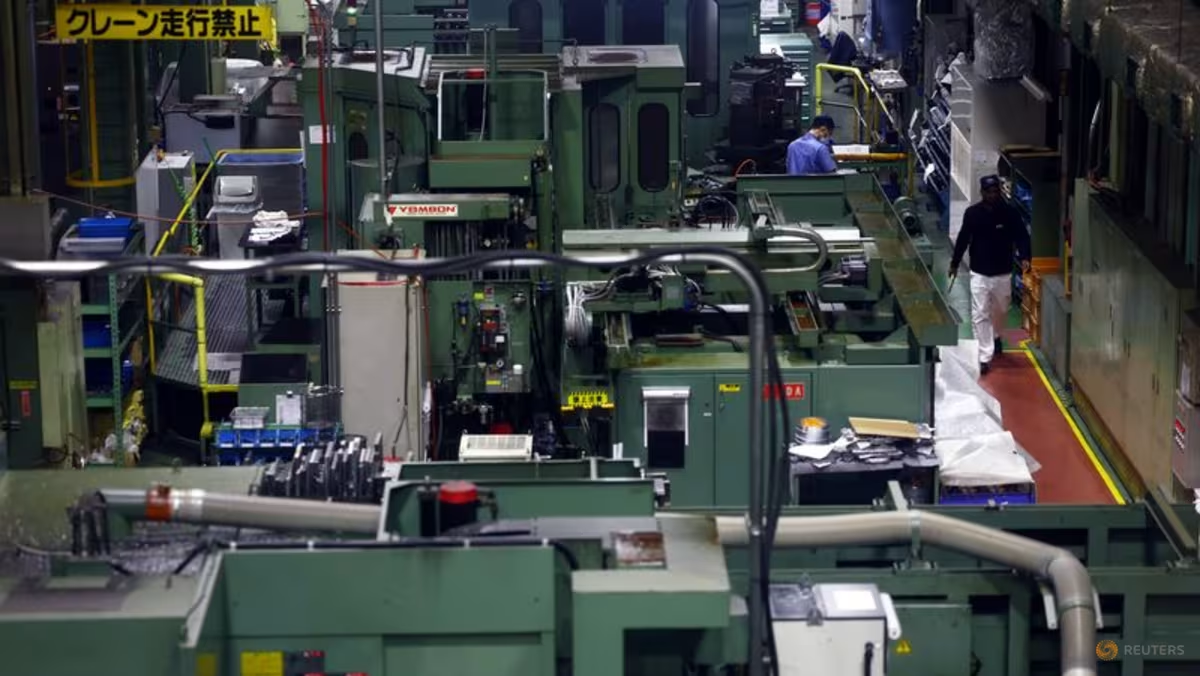
Japan posted a trade deficit of ¥378.7 billion in May 2026, snapping a streak of surpluses and marking the country’s first shortfall in four months. The culprit: a massive wave of chip and electronic component imports that outpaced even Japan’s own booming export machine.
Just one month earlier, in April, Japan had posted a surplus in the range of ¥299 to ¥301.9 billion. Imports grew by roughly 12.5% year-on-year in May, outstripping export growth and tipping the balance into the red. That import surge was concentrated in chips and electronic components, a category being supercharged by insatiable global demand for AI hardware.
In April 2026, Japan’s exports climbed 14.8% year-on-year, reaching nearly ¥10.5 trillion. Semiconductor and electronic component exports alone jumped 41.6% year-on-year in the same month. For the full fiscal year 2025, which ended in March 2026, Japan recorded a trade deficit of ¥1.71 trillion — a figure that shrank by 68.4% compared to the prior year, largely because chip-related exports were pulling in enormous revenue.
Why chips are eating the trade balance
Japan is a dominant player in semiconductor equipment and materials. Companies like Tokyo Electron and Shin-Etsu Chemical supply the tools and wafers that foundries worldwide depend on. But Japan also imports finished chips and advanced components to feed its own electronics, automotive, and industrial sectors.