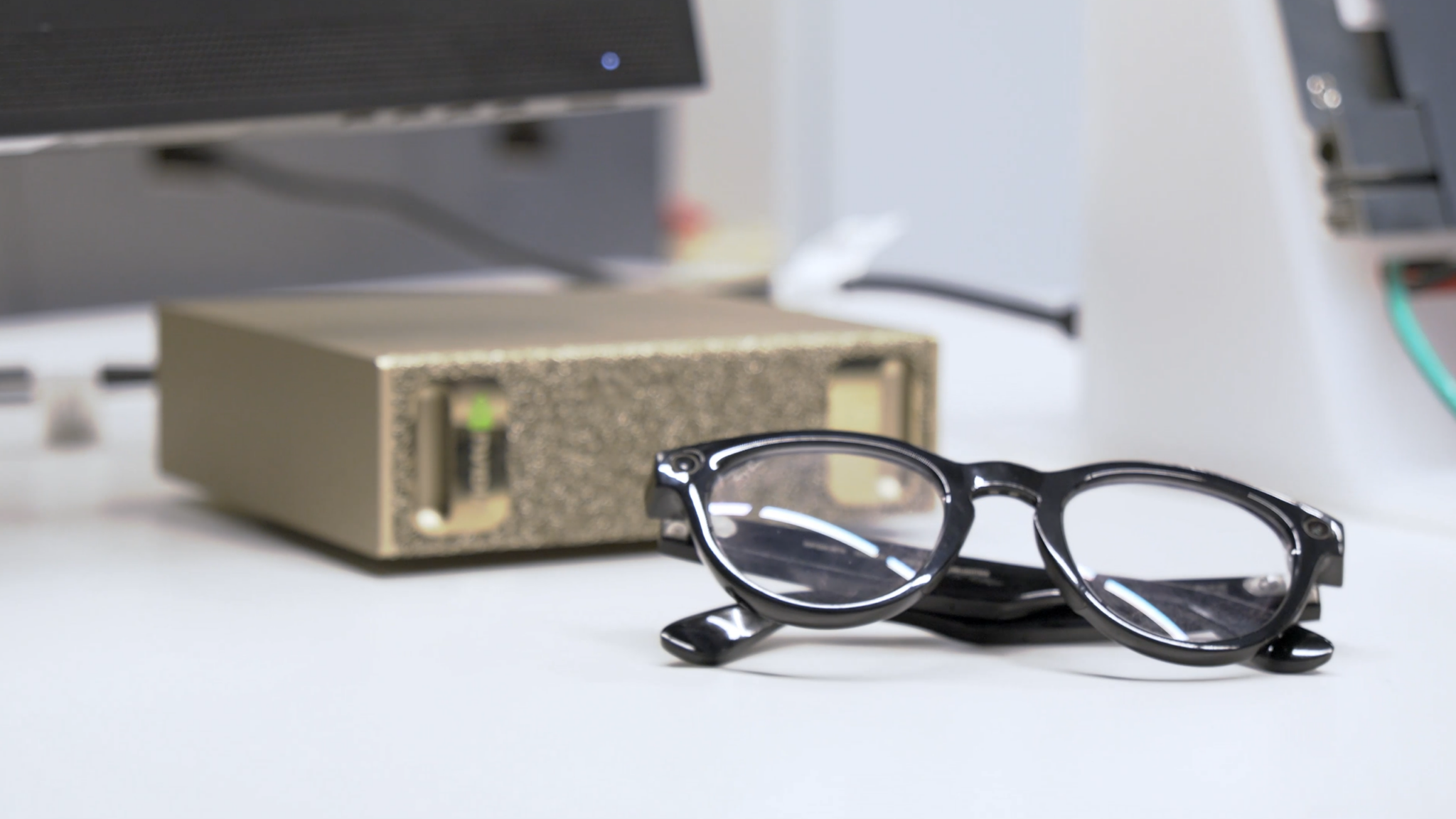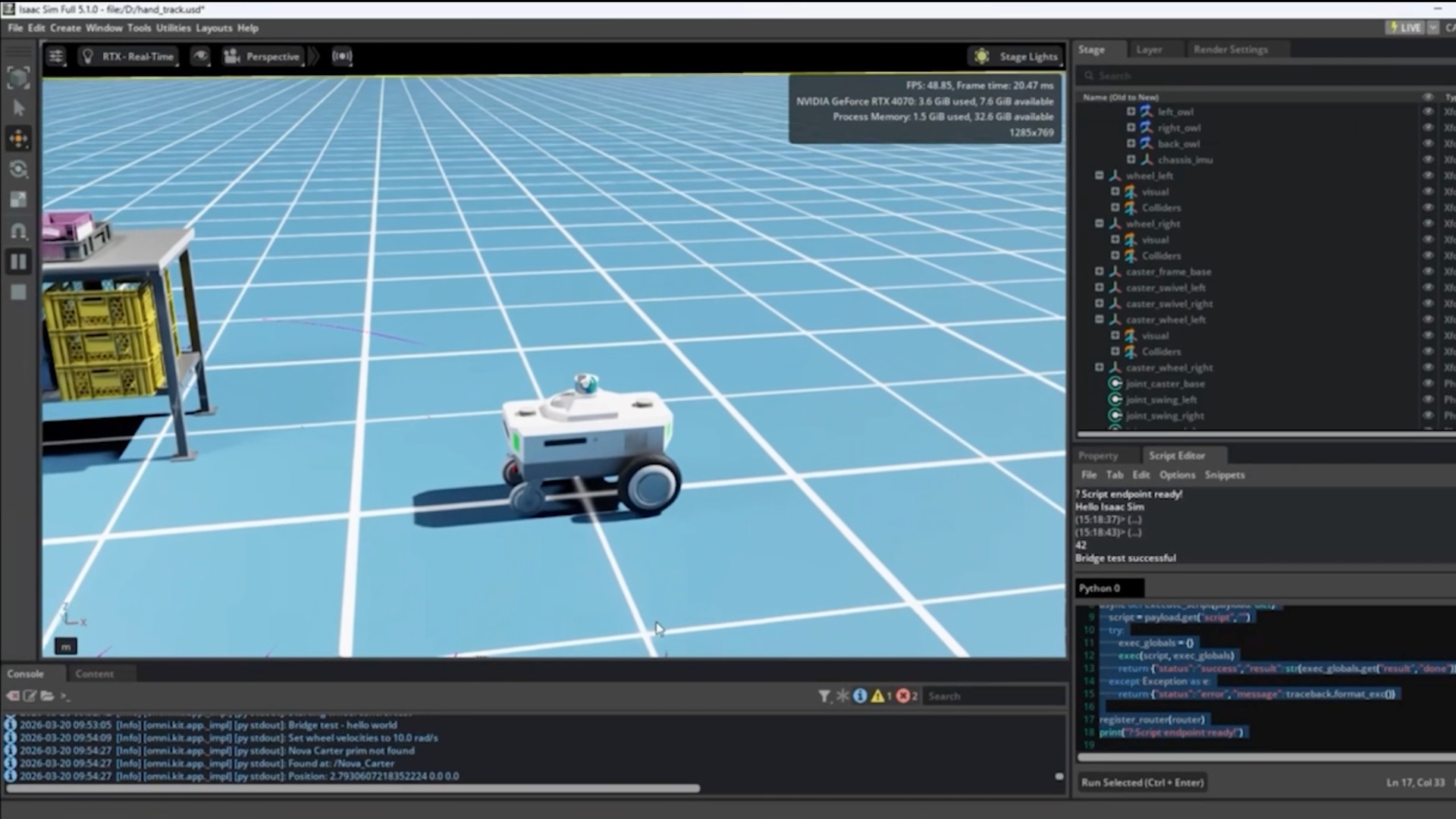
Developers building for AR glasses and wearable devices face an infrastructure gap. The hardware is ready, but creating AI experiences requires integrating live camera and microphone streams, multimodal AI models, enterprise data, tool use, deployment infrastructure, and device-specific runtimes.
NVIDIA XR AI is designed to address this challenge by providing a reusable foundation for connecting extended reality (XR) devices to GPU-accelerated AI services running in the cloud, data center, workstation, or edge.
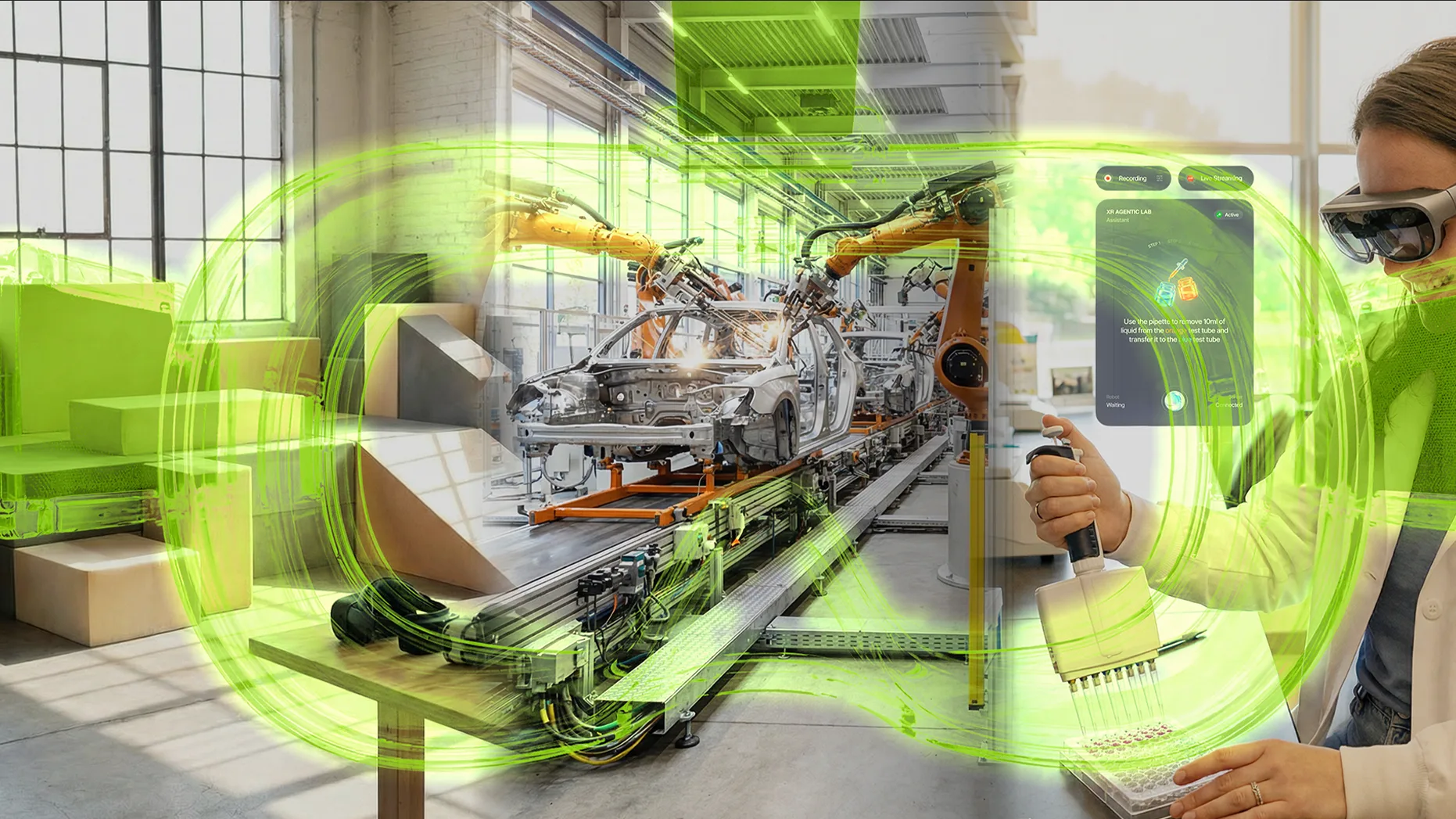
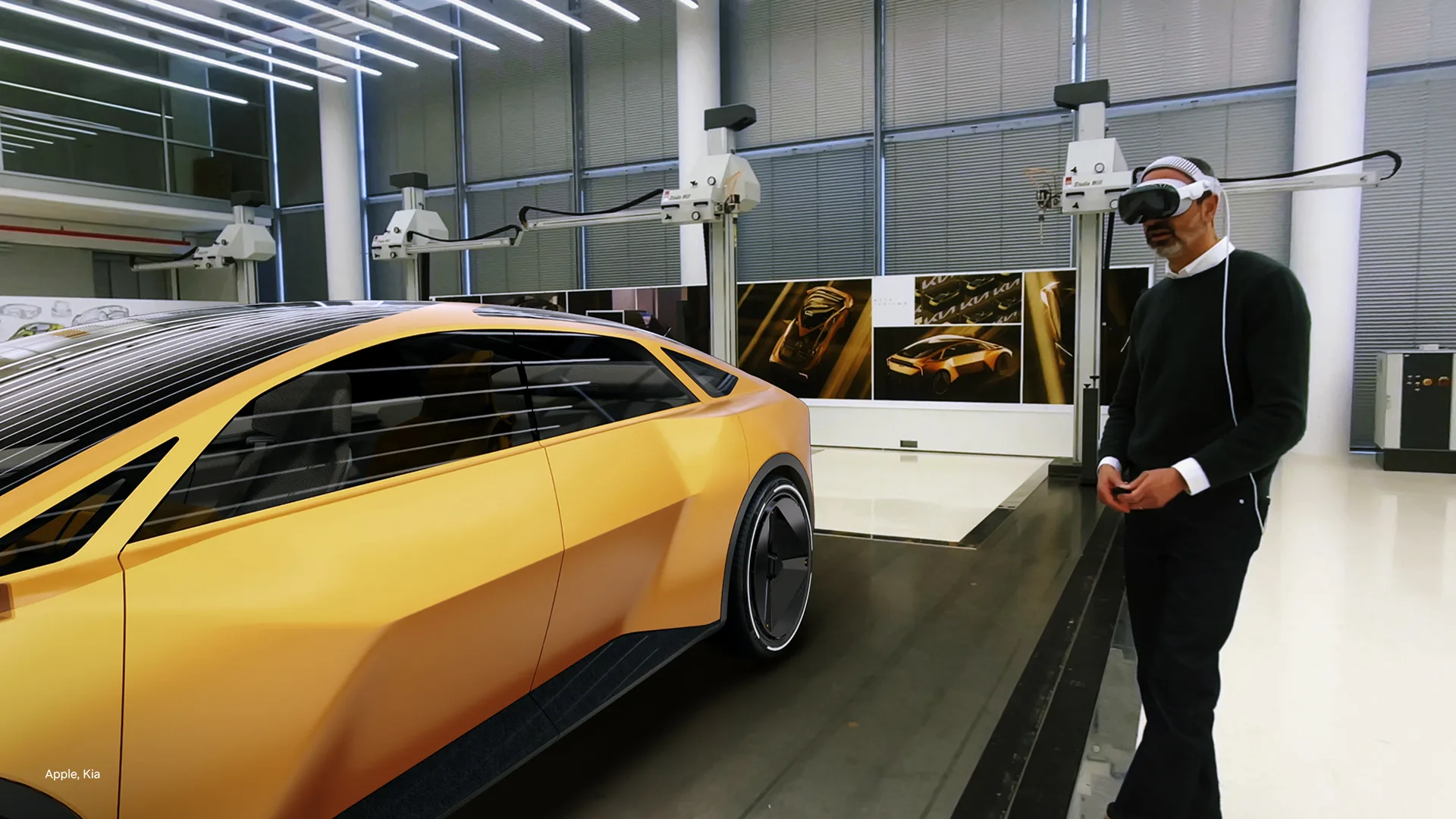
Now publicly available in beta, developers have access to an open source library for building intelligent agents for AI glasses, AR glasses, and XR headsets. These intelligent XR agents can see what users see, understand spoken or typed intent, call enterprise tools, and respond within the same XR session. They can help frontline team members find the right information, guide workers through procedures, verify outcomes, and capture the evidence.
XR AI brings intelligence to people where they work, whether in field service, remote assistance, industrial operations, healthcare, training, or other hands-busy environments.
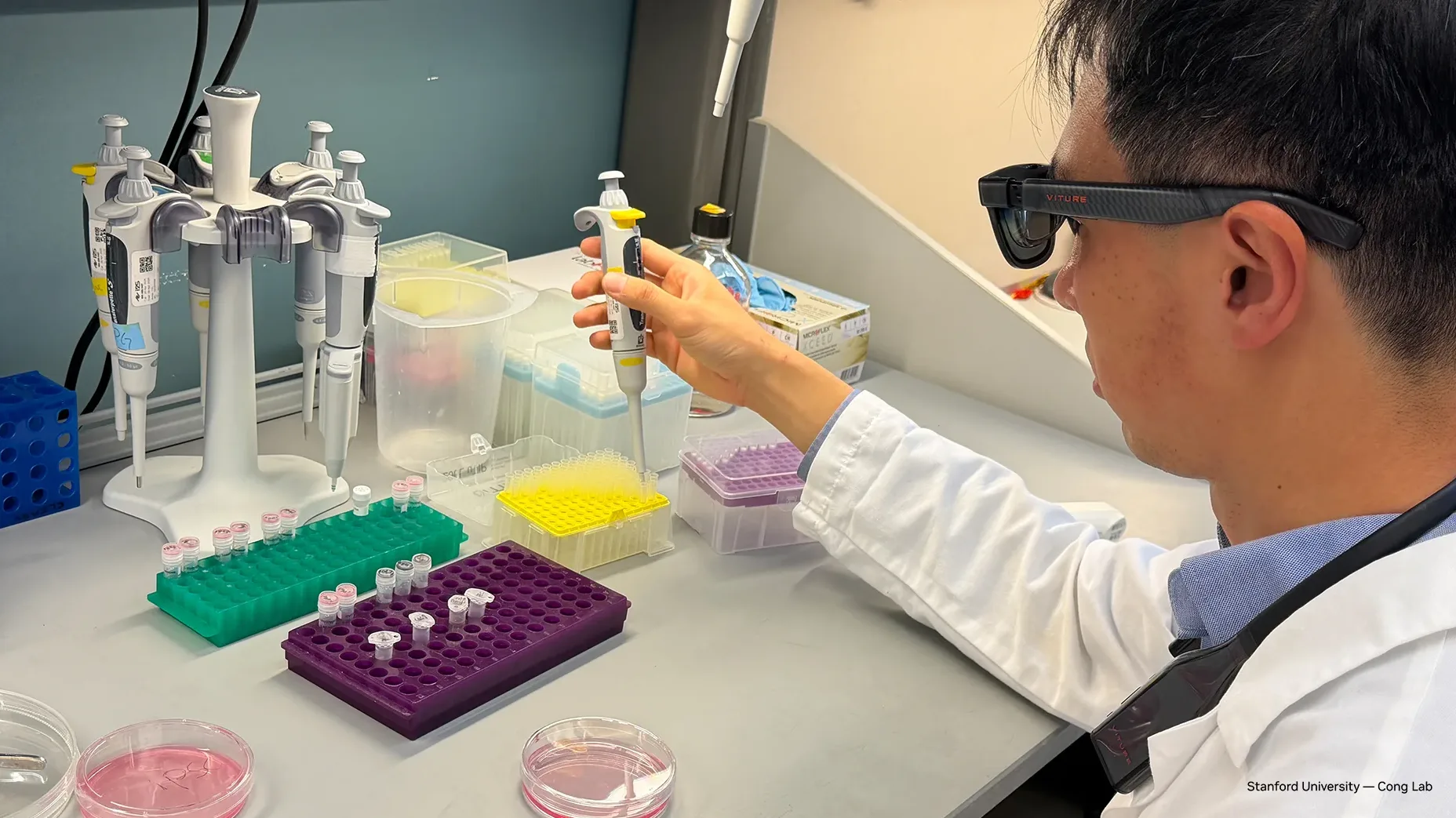
NVIDIA partners in healthcare and manufacturing provide useful examples of how this pattern can be applied. Researchers in the Cong Lab at the Stanford School of Medicine and the Wang Lab at Princeton University have explored XR and AI workflows for stem cell therapy research, helping researchers access contextual information and interact with laboratory systems while remaining focused on complex procedures.