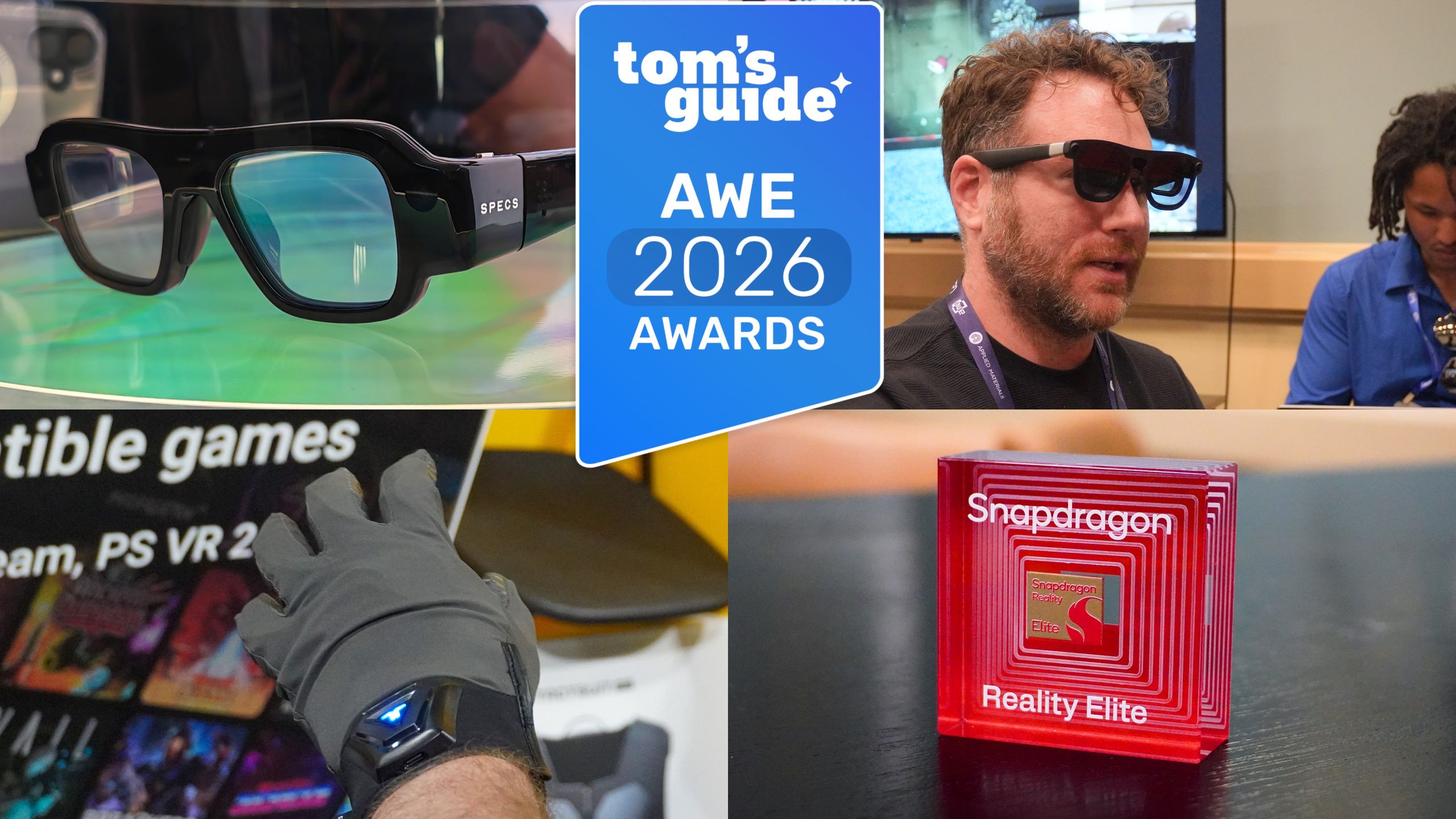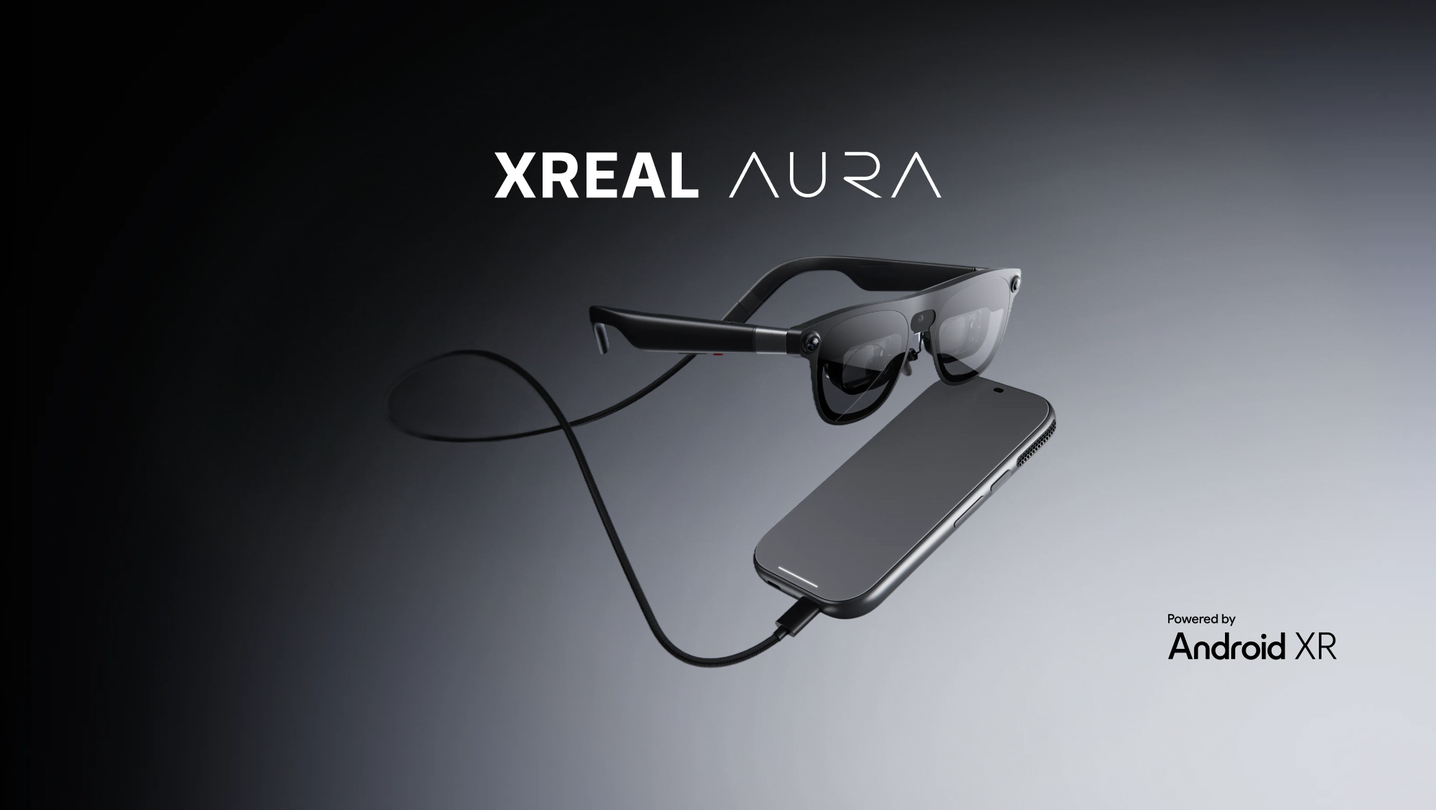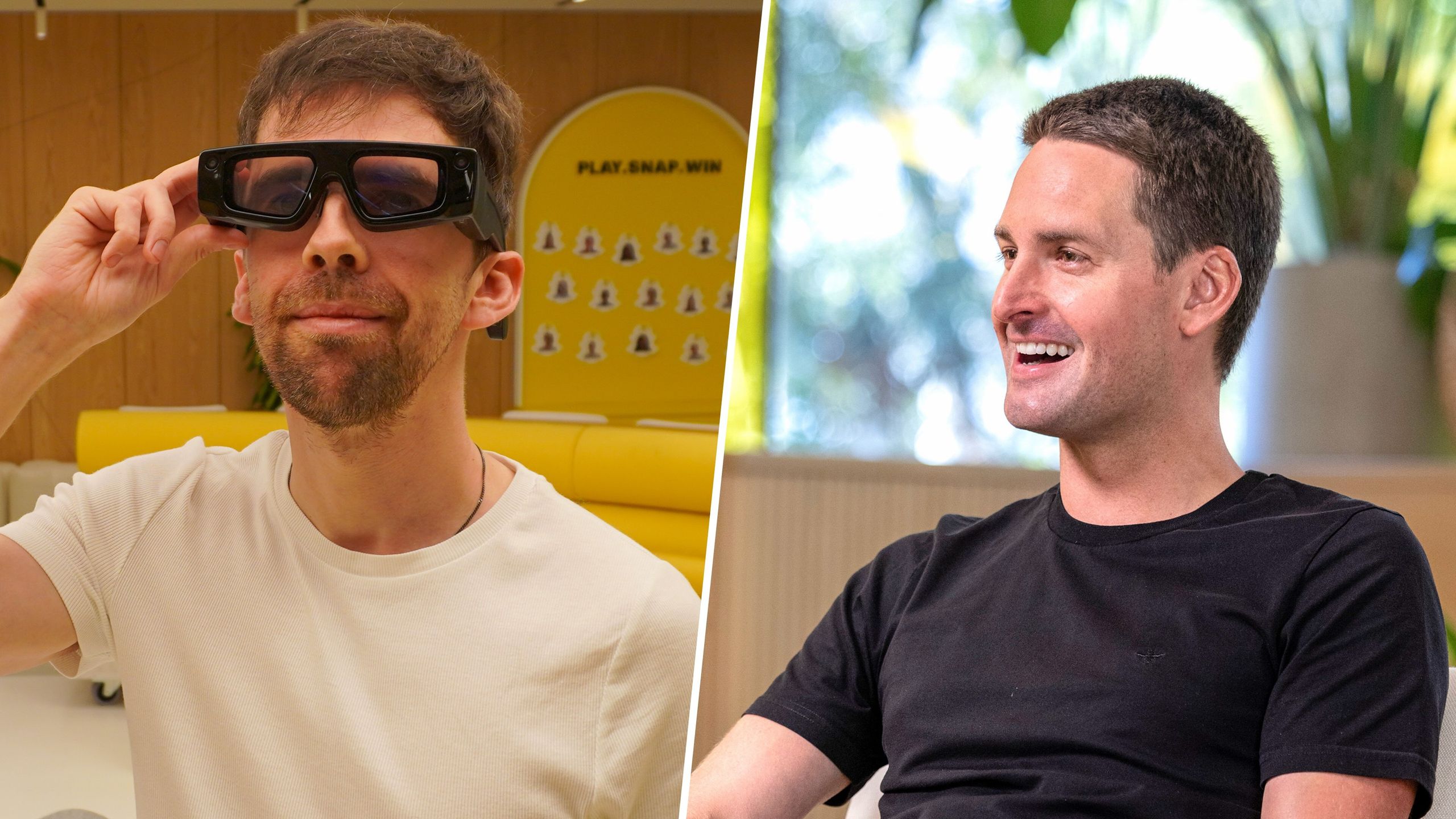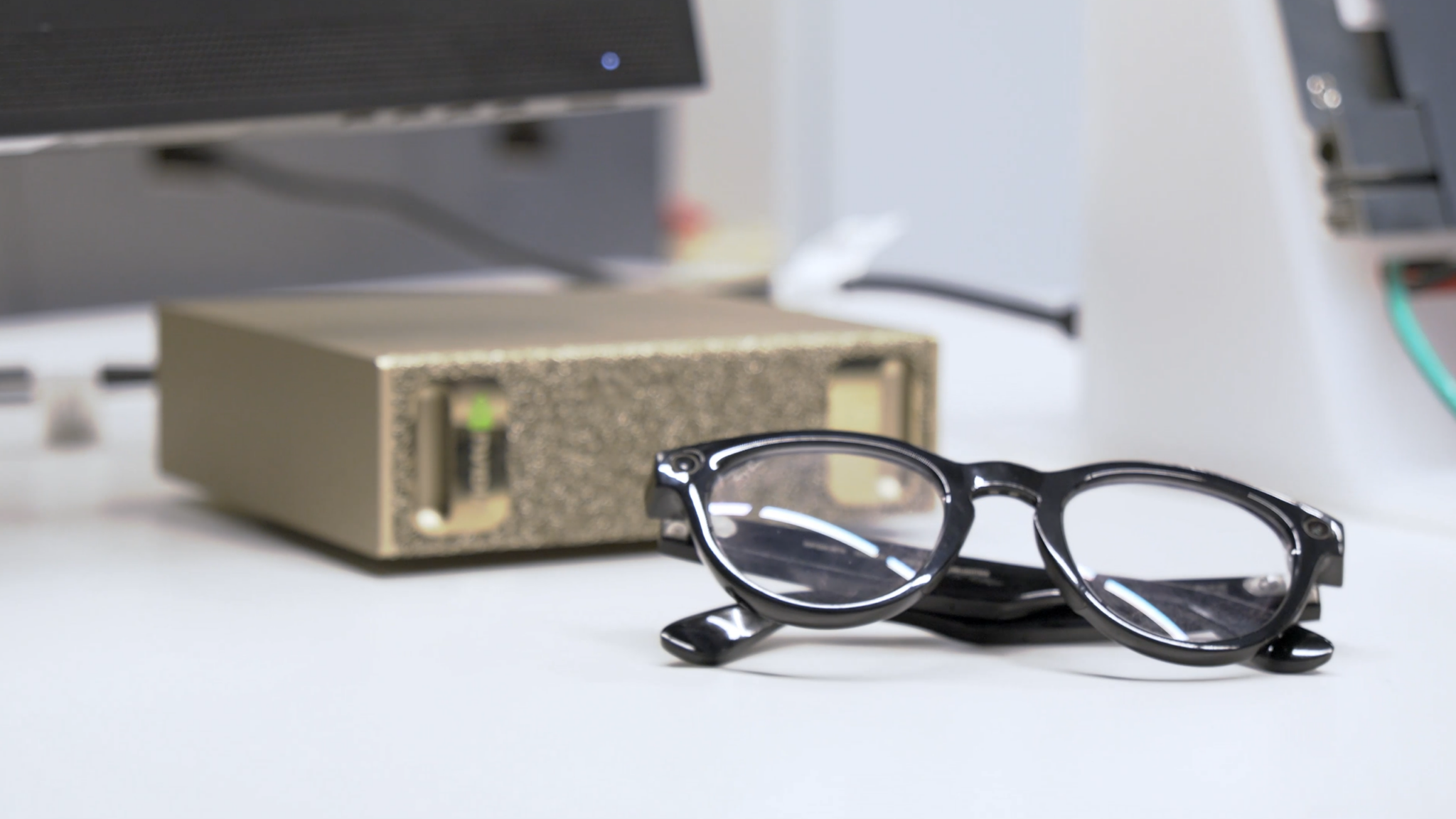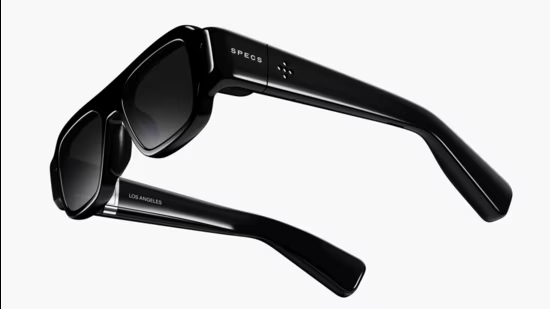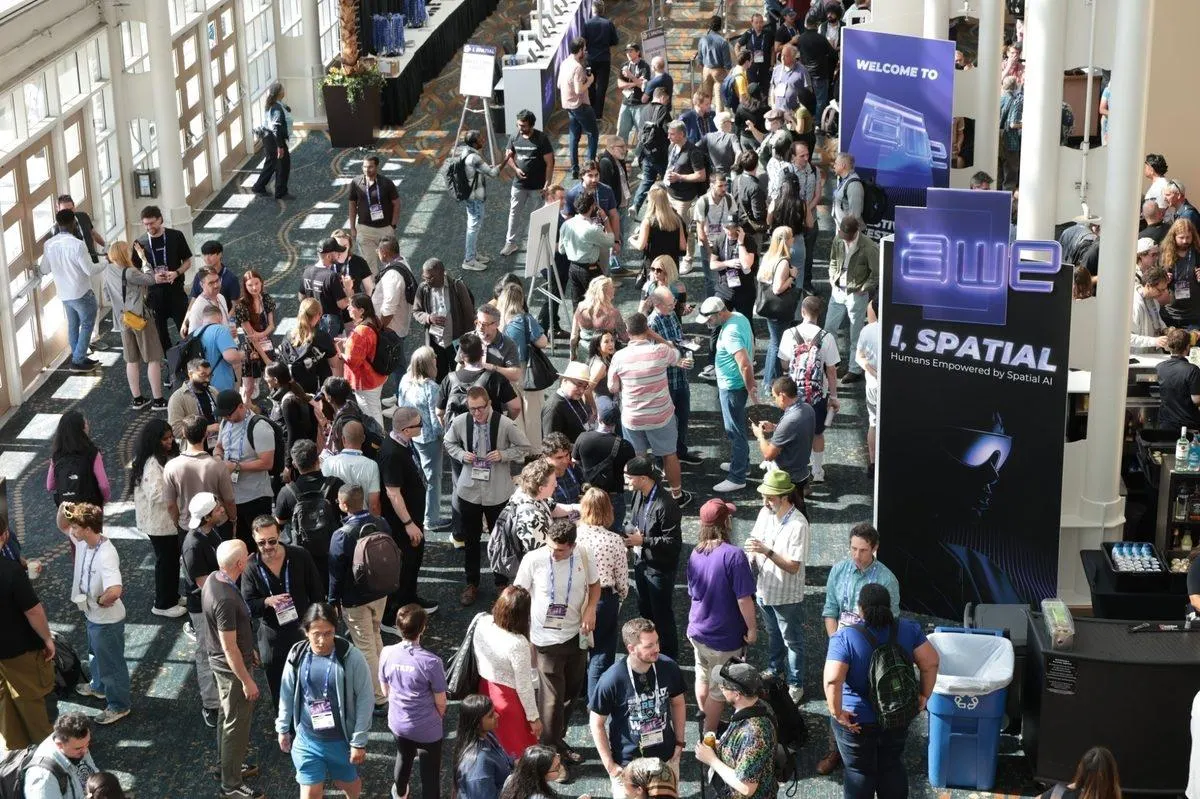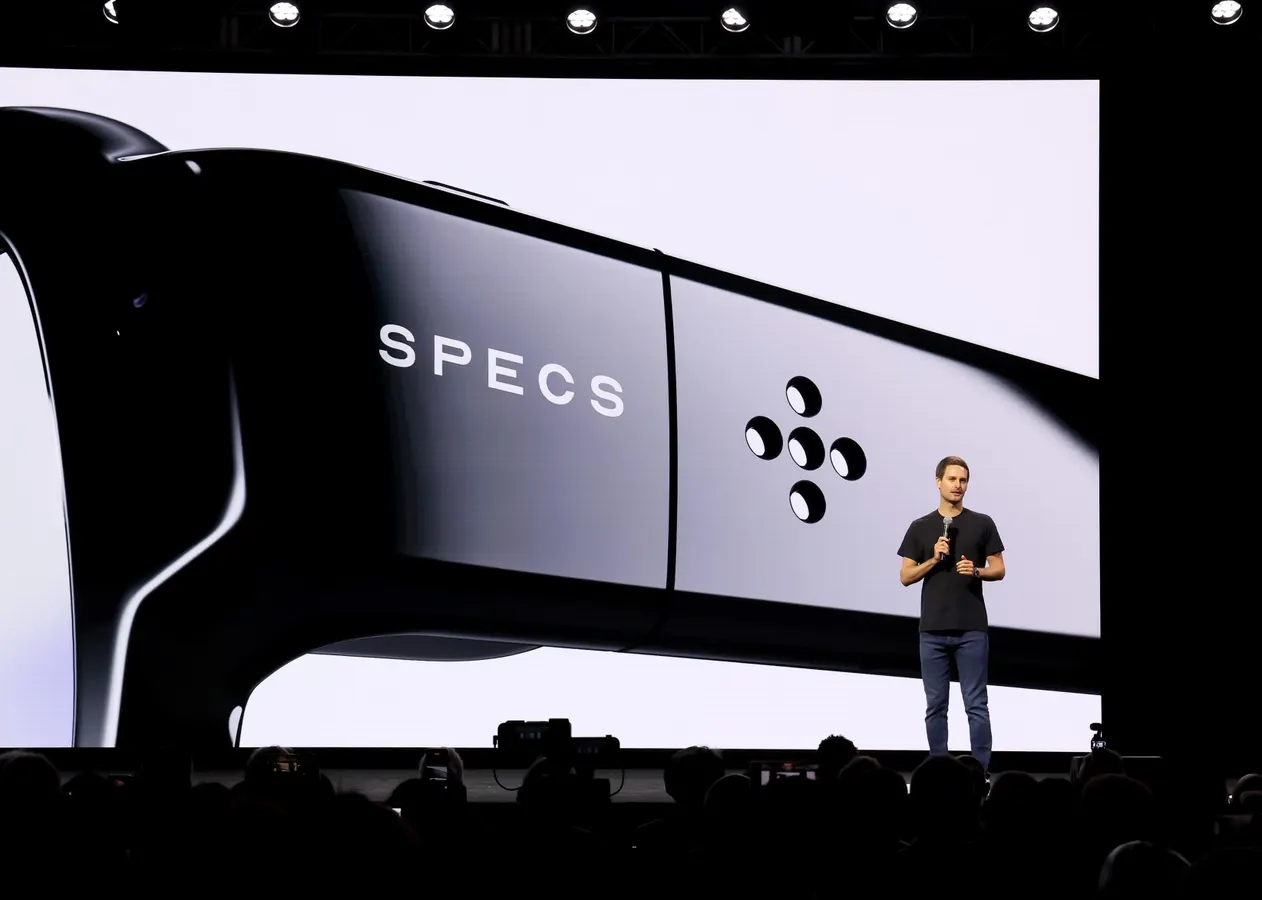
Smart glasses were highlighted as a more useful, integrated future for computing at the recent AWE 2026.gettyI spent much of my week at the Augmented World Expo (AWE) in Long Beach, California, where it became immediately clear that this was not just another tech conference. As the world’s largest gathering focused on VR, AR, and XR—now in its 17th year—AWE has evolved into a front-row seat to the future of computing. This year, more than 6,000 attendees came not just to see new devices, but to understand a deeper shift underway: the move from experimental technology to something far more integrated, practical, and transformative.AWE’s founder is Ori Inbar, whose vision drew attendees from around the world to learn about trends and new technologies and help set the agenda for the future of virtual technology.Before the show, I spoke to Mr. Inbar and asked him about the show’s new branding, which is I, Spatial. He explained that he believes the concepts of VR, XR, and AR center on the impact of this technology, providing devices and technologies that make our digital world spatial. In his opening keynote, he emphasized all things spatial, with smart glasses as the way to deliver a future virtual spatial world.As I listened to the keynotes and attended various sessions, one thing became clear: spatial computing is moving from a novelty phase into a platform phase, with AI now at the center of the story. That shift is the core theme of what I saw at the show.The show theme was officially called “I, Spatial: Humans Empowered by Spatial AI,” capturing the industry’s shift from devices to intelligent experiences.The big messageThe most important news coming out of AWE 2026 is not a single gadget, but a broader reset in what the XR industry thinks it is building. The conversation has moved beyond headsets and demos toward practical uses of spatial AI in work, communication and everyday computing. That is the core shift: the market is finally looking for usefulness rather than just spectacle.MORE FOR YOUSnap’s keynote signalOne of the clearest moments of the show was Snap CEO Evan Spiegel’s keynote, “Making Computing More Human,” delivered on the AWE main stage on June 16. His presence matters because Snap has long positioned itself at the intersection of cameras, glasses, and social computing, making it a good barometer for where lightweight AR could be headed. The talk was livestreamed, adding to its reach and visibility.Snap Inc., the company behind Snapchat, is diving deeper into smart glasses. Aimed squarely at the Meta Ray-Ban Display, Snap hopes the Specs will put a computer on your face and let you take a break from your phone. The smart glasses come equipped with a proprietary liquid-crystal-on-silicon display that reproduces 16 million colors and offers a 51° field of view.The company compares it to staring at a 24-inch monitor or a 115-inch TV from a perceived distance of 10 feet in your home. The software is proprietary, and there will be plenty of AI experiences on board. But will you pay $2,195 when they go on sale this fall?Snap’s new glasses were, to me, the most important product introduced at the show. As I watched Mr. Speigel's demo of the new Specs glasses, I felt we were finally seeing glasses that deliver a true XR/AR experience, and I believe they are very much in line with what I expect Apple to deliver in its smart glasses, hopefully in 2027.AI meets spatialThe strongest theme across AWE 2026 was the blending of AI with spatial computing, which organizers and preview coverage treated as the core of the event. This is the real story: XR is no longer being discussed as a stand-alone category, but as a way for AI to become more contextual, embodied and useful in the physical world. In practical terms, that means the industry is chasing experiences that understand where you are, what you are looking at and what you are trying to do.AI in smart glasses will also address latency issues, providing instant answers about objects you're looking at and real-time visual directions as needed.Why it mattersFor years, XR suffered from a familiar problem: impressive demos but limited daily value. AWE 2026 suggests that the sector is trying to break out of that pattern by tying itself to AI, productivity, and human-centered interfaces. The deeper point is that the narrative is becoming more grounded and more commercially credible, even if a breakout year is not guaranteed.Although I saw many new products on the show floor and a few in private demos under NDA, one that could have a big impact on the future of spatial computing was a new browser optimized for it.It is called the Open Metaverse Browser engine, named Sneeze. Think of it as Blink and WebKit reimagined for spatial computing. This browser allows a company to self-host spatial content, publish 3D content like a website, deliver proximity-based scene loading, seamless service integration and real-time spatial co-presence.The company behind it, RP1, along with the Metaverse Standards Forum, hopes to make this open-source browser the central browser for delivering 3D spatial content.The deeper takeaway for me from this show is that platform transitions always look messy at first. The personal computer took time, the smartphone took time, and spatial computing is now in the same long arc. The winning products will be the ones that disappear into the workflow and feel natural, not flashy. AWE 2026 matters because it shows the industry is finally talking that language.
At AWE 2026, Spatial Computing Grows Up And AI Is Now The Story
AWE 2026 marks XR’s shift from hype to practical spatial AI, with smart glasses and new platforms signaling a more useful, integrated future for computing.
916 words~4 min read