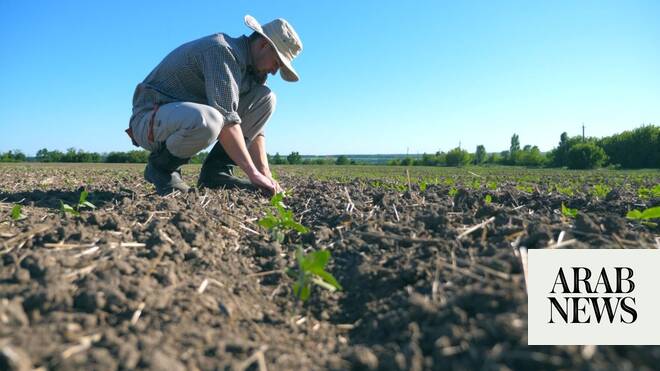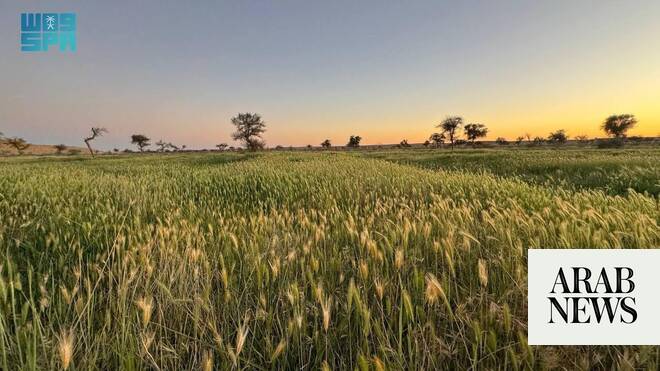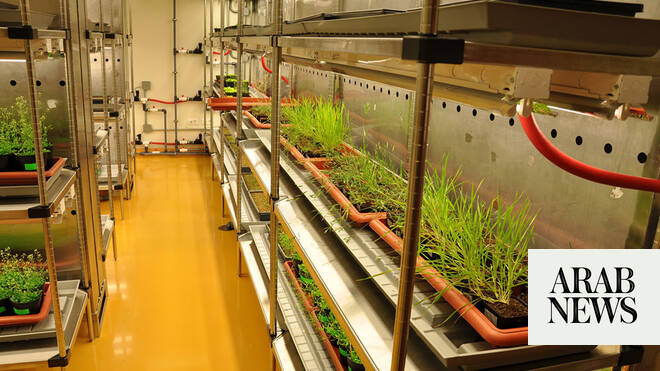
RIYADH: Scientists at King Abdullah University of Science and Technology have identified a mechanism that helps plants protect photosynthesis during extreme heat, a finding that could support efforts to develop crops better suited to arid climates such as Saudi Arabia’s.
The study, led by Monika Chodasiewicz, found that a chlorophyll-producing protein reorganizes into temporary structures inside chloroplasts when plants are exposed to high temperatures. The structures, known as chloroplast stress granules, help preserve and restore the plant’s ability to convert sunlight into chemical energy.
The findings were published in the scientific journal Plant Physiology.
Researchers said the protein, called protochlorophyllide oxidoreductase, changes its behavior and location under heat stress instead of relying on slower gene-activation processes.
“This matters because heat is one of the major threats to plant productivity, and protecting photosynthesis is essential for maintaining plant growth and crop yield,” Chodasiewicz, assistant professor of plant science at KAUST, said in a university release.