Europe is sitting on a mountain of cash. The problem is, most of it is doing almost nothing.
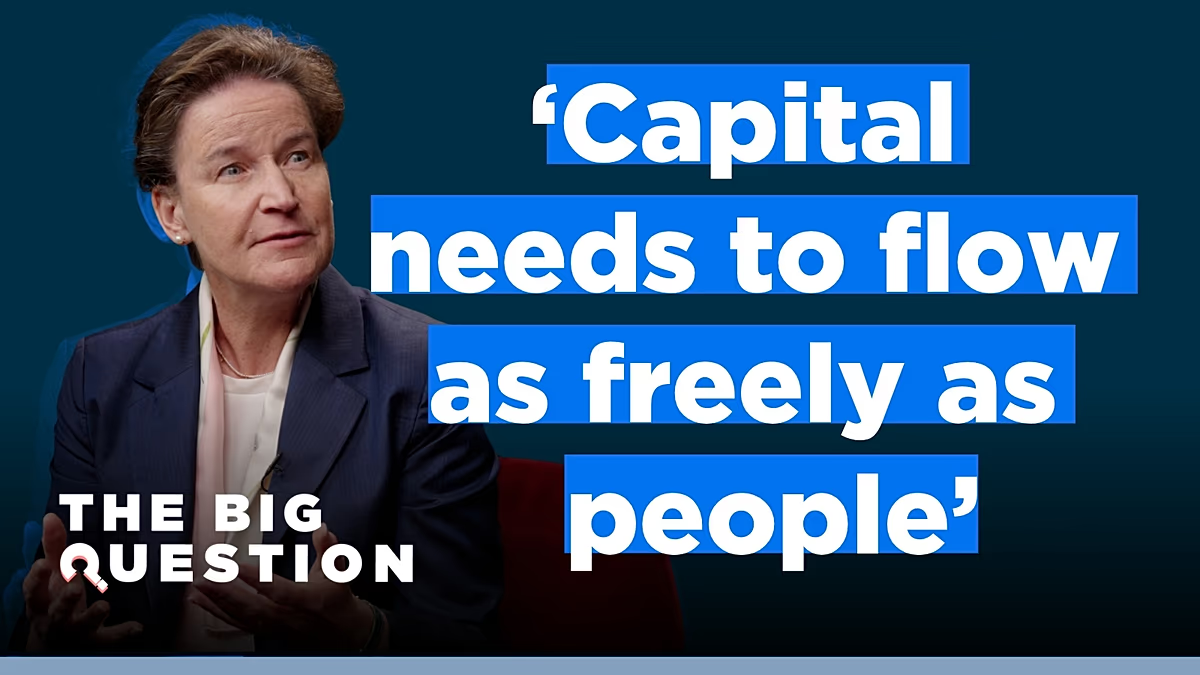
At the Reuters Next event in London on June 16, leading investors and policymakers made a forceful case for the European Union to mobilize roughly €35 trillion ($40.7 trillion) in private savings to finance the bloc’s economic transformation. The core argument: Europe cannot compete with the US and China while its citizens’ wealth languishes in low-yield bank deposits.
To put that figure in perspective, €35 trillion is roughly three times the combined GDP of Germany and France. And roughly €10 trillion of that sits in bank deposits that barely keep pace with inflation, let alone fund the infrastructure, green energy, and digital innovation Europe desperately needs.
The savings drain problem
A 2024 report by former Italian Prime Minister Enrico Letta laid out the uncomfortable math: approximately €33 trillion in EU household savings remain largely stagnant in deposits. Worse, an estimated €300 billion flows out of European markets and into US investments every single year.