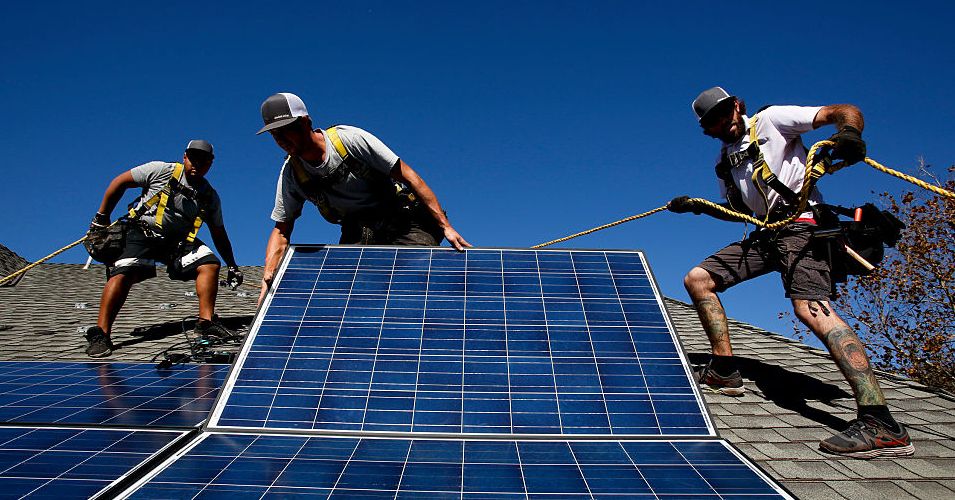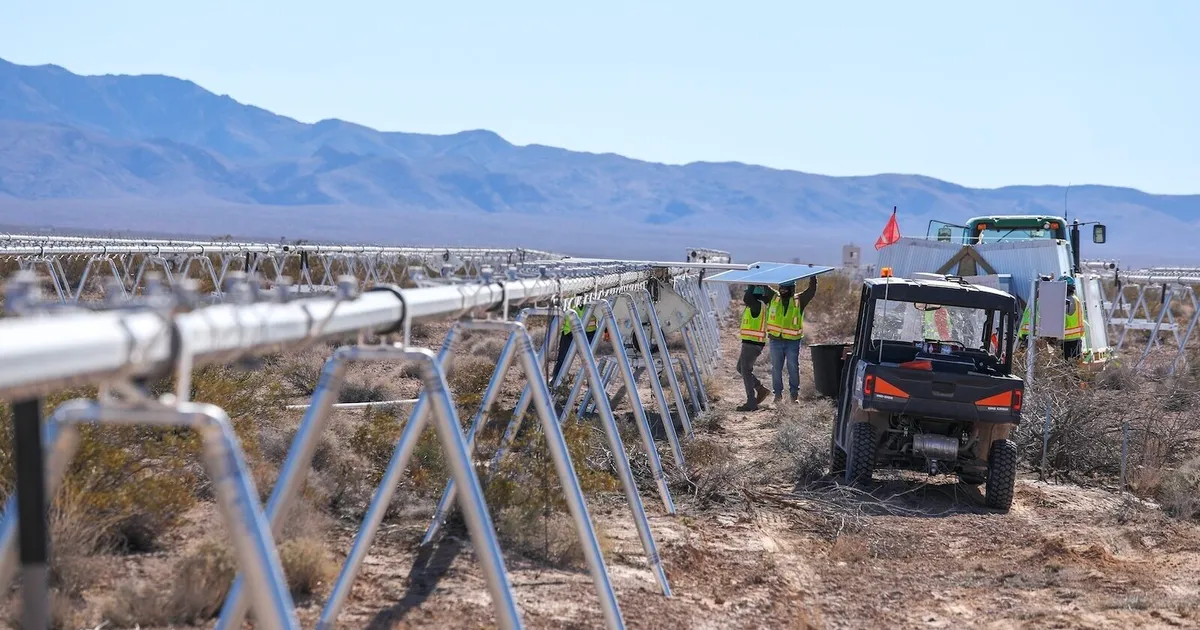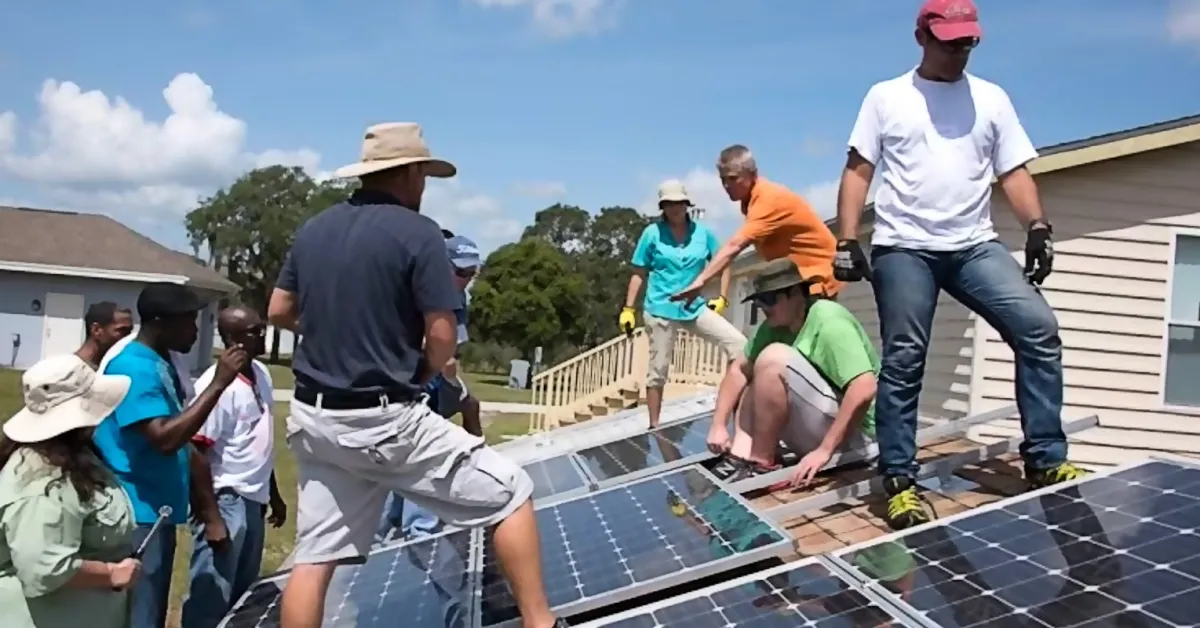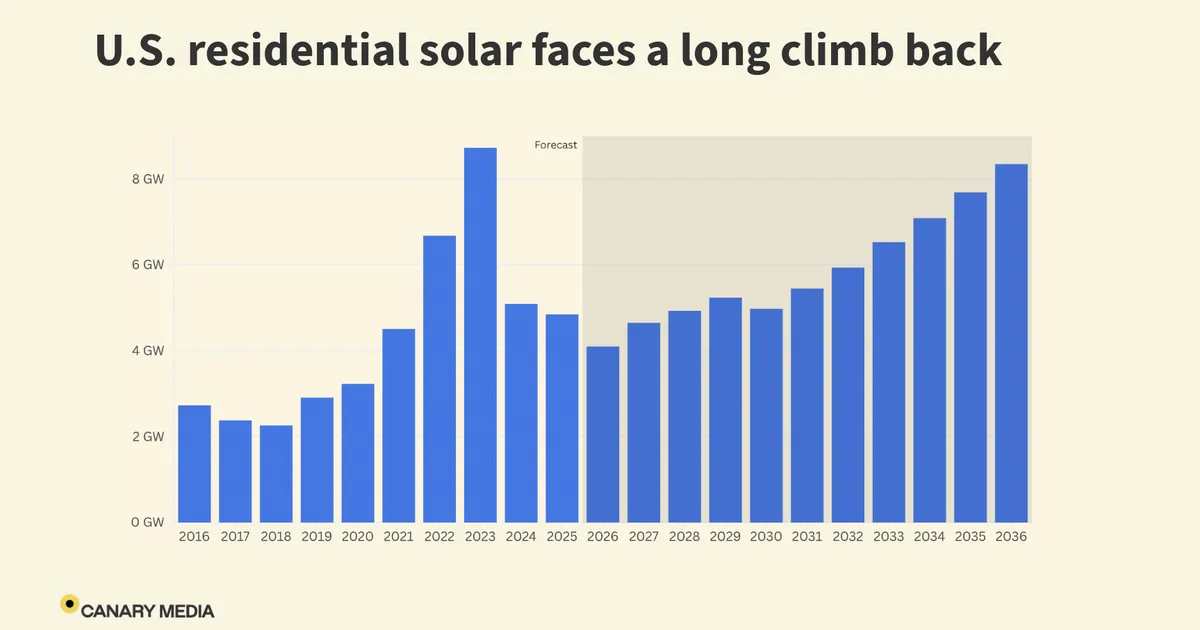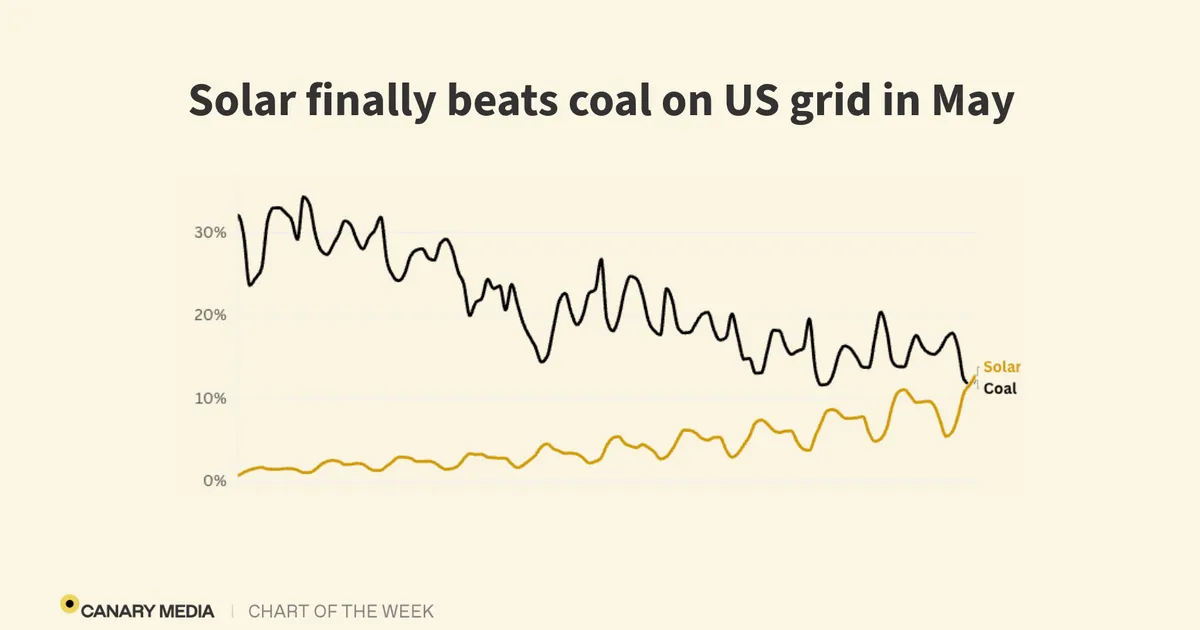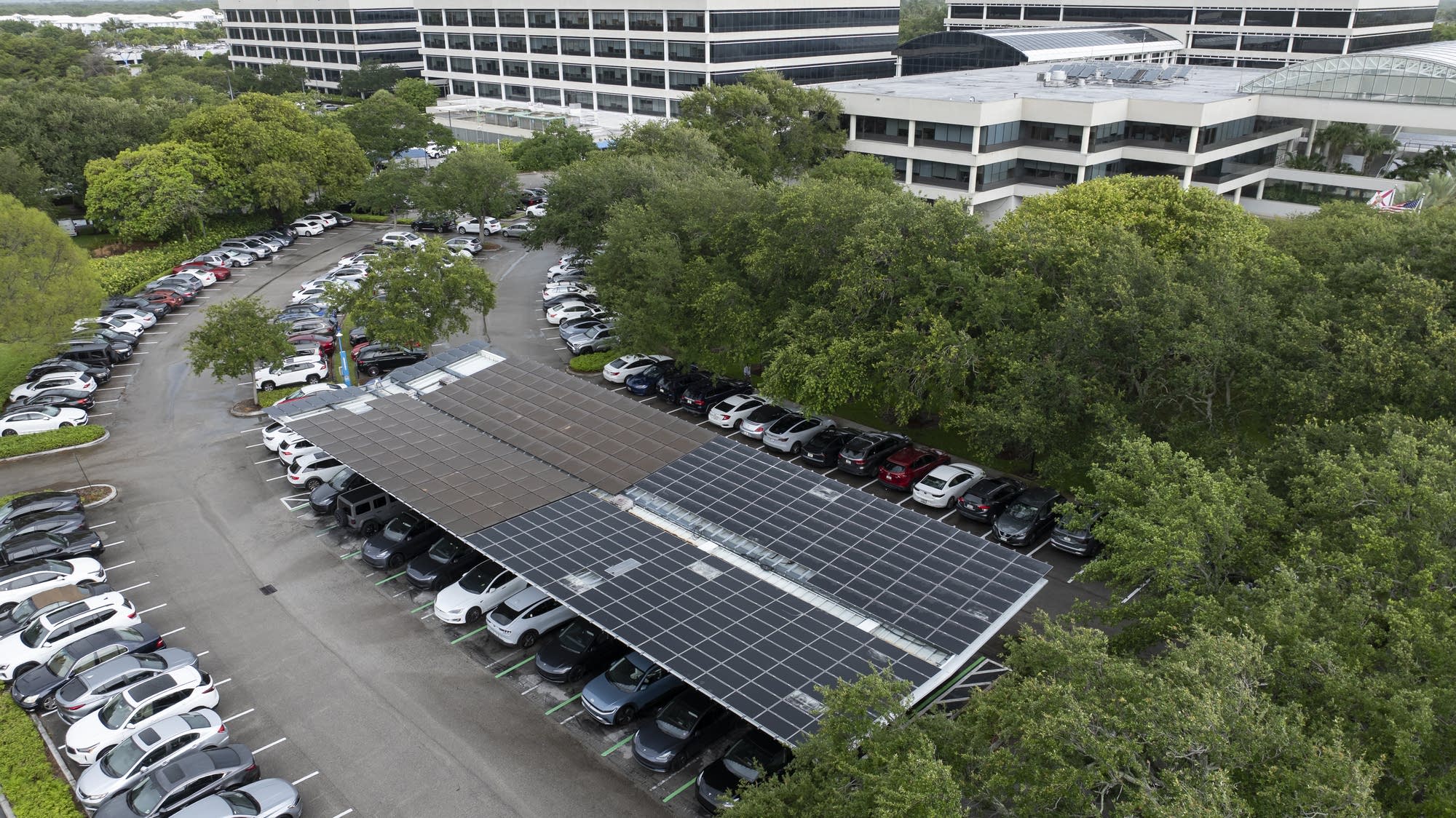
Solar power supplied more electricity in the U.S. than coal in May, despite the Trump administration’s downright hostility to renewable energy. Late last year, the administration ended a Bush-era federal tax credit to install rooftop solar panels on your home. But commercial and utility-scale projects still qualify for the tax break, at least for the next few weeks.At Solar Montana, a solar installation company, the business is doing very well, according to Belinda Romero. “We have quite a few commercial jobs that we're working on,” she said.They’re putting solar panes on libraries, colleges, fire stations. And there’s federal money still on the table. “We have an electronic sign out in front of our building, and that's what it's advertising, letting commercial owners know,” Romero said, about the 30% tax break on installation costs. It can be tens of thousands of dollars in savings. But that’s mostly going away July 4, under the Trump administration changes. “What we're going to see over the next three weeks is lots and lots of solar projects beginning construction,” said Pavel Molchanov, senior investment strategist at Raymond James. “The good news is starting construction is not difficult. In fact, it can even be as simple as purchasing some of the equipment upfront and keeping it in a warehouse.”After that, there’s still a four-year window to get the panels installed and pumping electricity. “This has created a runway of work to be completed,” said Rachel Mountain, director of commercial sales at Namaste Solar, an installation company in Colorado. Mountain said ordering supplies, like solar panels, inverters, and batteries, hasn’t been too difficult.“A lot of manufacturers have started domestically producing equipment,” she said. That’s partly because of the demand from projects trying to get the tax credit. But what will solar demand look like post-2030, after the tax credits expire? Shannon Anderson with Solar United Neighbors isn’t worried. “The industry is excited to see this new era. And to see where we can go in terms of reducing costs in other ways,” she said.Her group is encouraging people to pool their resources by buying solar in bulk. And some states are even offering their own tax credits.
Commercial solar projects face looming federal tax credit deadline
Federal tax credits for residential solar panel installation expired at the end of 2025. There’s just a couple of weeks left for most commercial and institutional projects to qualify.
360 words~2 min read