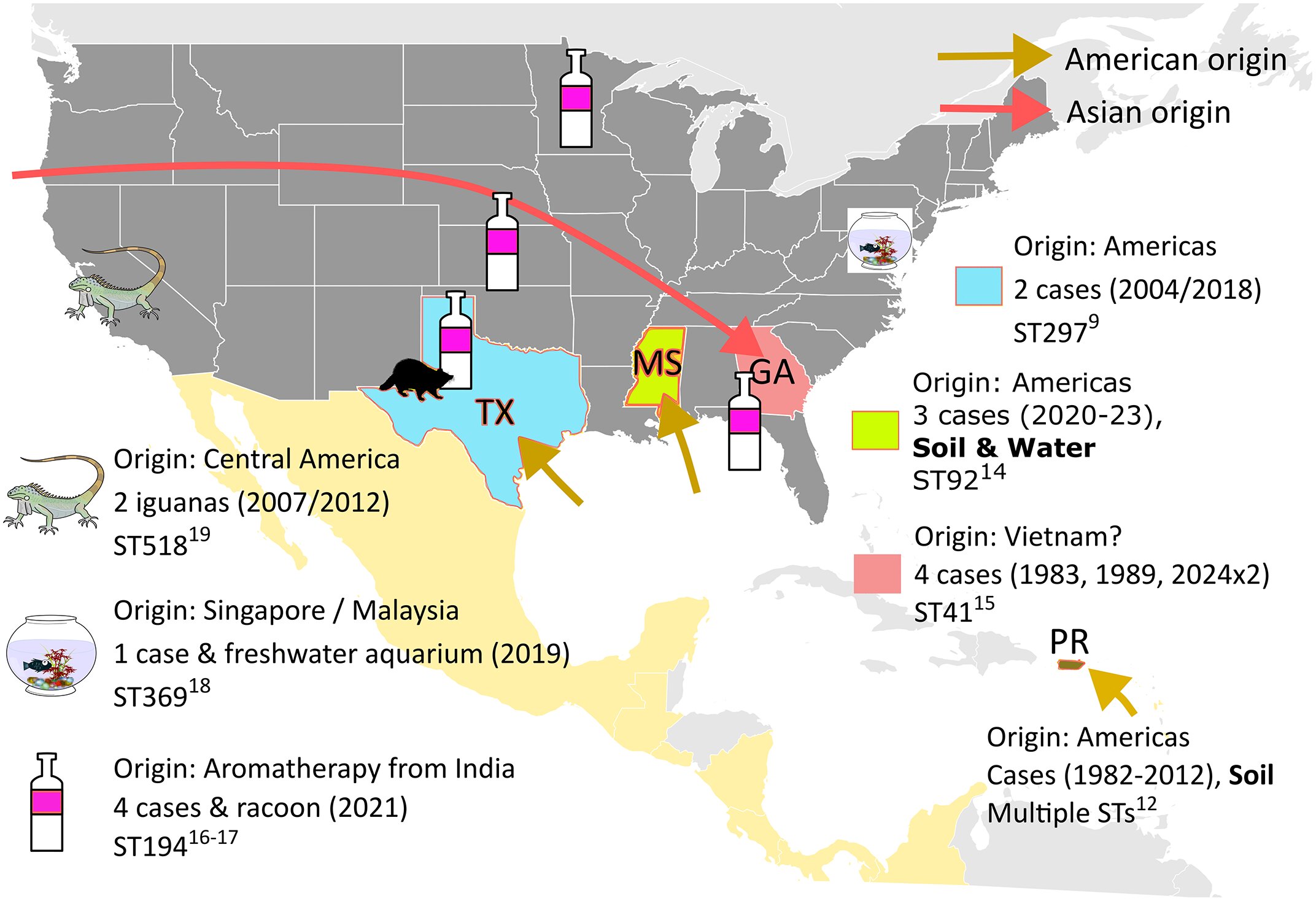
Melioidosis in the United States. Credit: PLOS Neglected Tropical Diseases (2026). DOI: 10.1371/journal.pntd.0014217
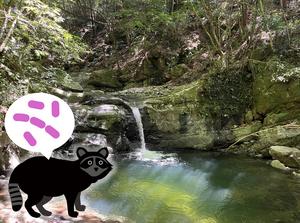
What do hurricanes, military equipment, aromatherapy oil and a pet raccoon have in common? According to a new review led by Menzies School of Health Research (Menzies), all have been linked with cases of melioidosis, a potentially fatal disease caused by the bacterium Burkholderia pseudomallei, as part of tracking the global spread of the disease.
More than 60 countries are considered endemic to the disease, with Mali (Africa) and the state of Mississippi in the United States (and likely Georgia and Texas) the latest locations identified as endemic for melioidosis.
Published in PLOS Neglected Tropical Diseases, the review also reveals that changes in already known endemic regions are now being uncovered. For example, three strains that originated in Asia have entered and become established in tropical northern Australia, yet how this happened remains unknown.
As more cases reveal the disease's rapidly expanding global footprint, the findings highlight the strong need for a public health approach to support prevention and timely diagnosis and treatment.