How the world reacted to the recent disease outbreaks tells us more about inequity than about epidemiology, a new op-ed argues.Beside the lopsided coverage of affected populations, both outbreaks point to the fact that these events are not isolated biological accidents, but predictable consequences of the ecological, economic, and political systems we have built.“The first signal of the next outbreak will not come from a high-tech laboratory or a global summit. It will most likely come from a ranger deep in a protected forest, a community health worker in a remote village, or a hunter reporting a dead chimpanzee along a forest trail. The question is whether the world is willing to invest in listening before the crisis reaches everyone else,” the author writes.This article is a commentary. The views expressed are those of the author, not necessarily of Mongabay.
In recent weeks, two outbreaks captured international attention: a hantavirus cluster linked to a cruise ship and an escalating outbreak of Bundibugyo ebolavirus in Central and Eastern Africa. How the world reacted to these outbreaks tells us more about inequity than about epidemiology.
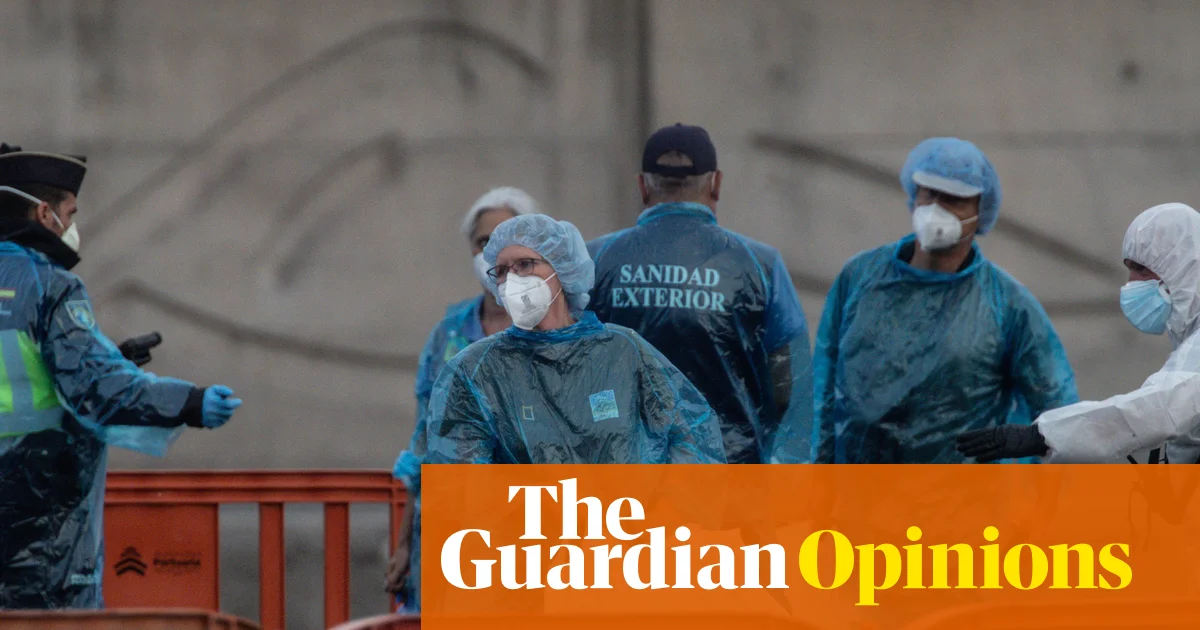
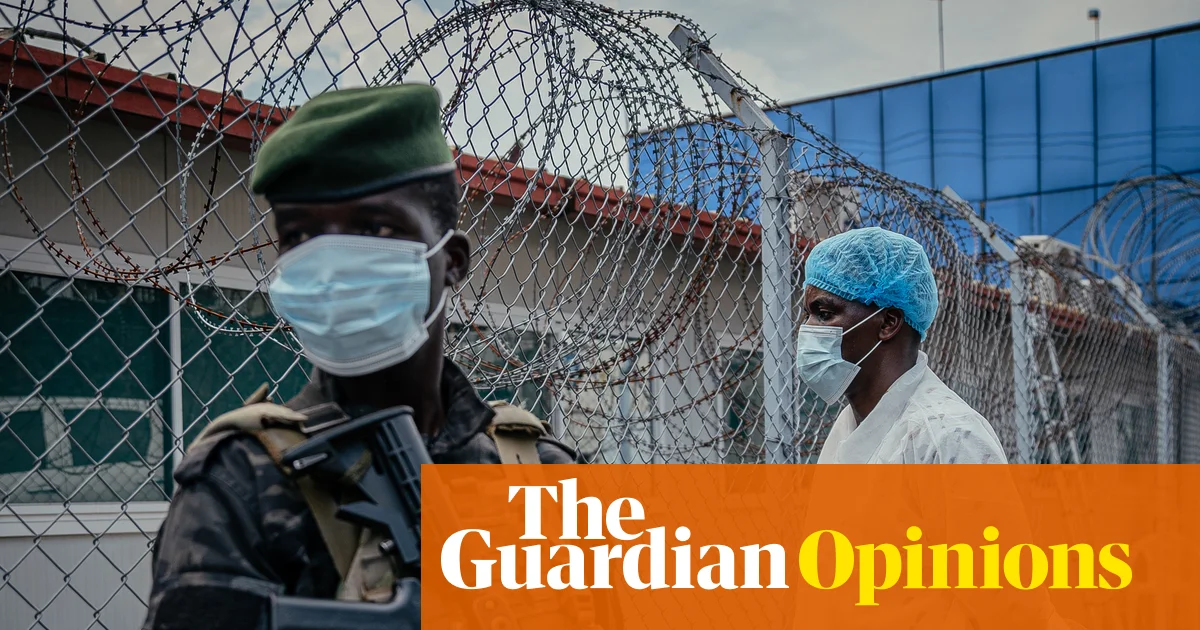
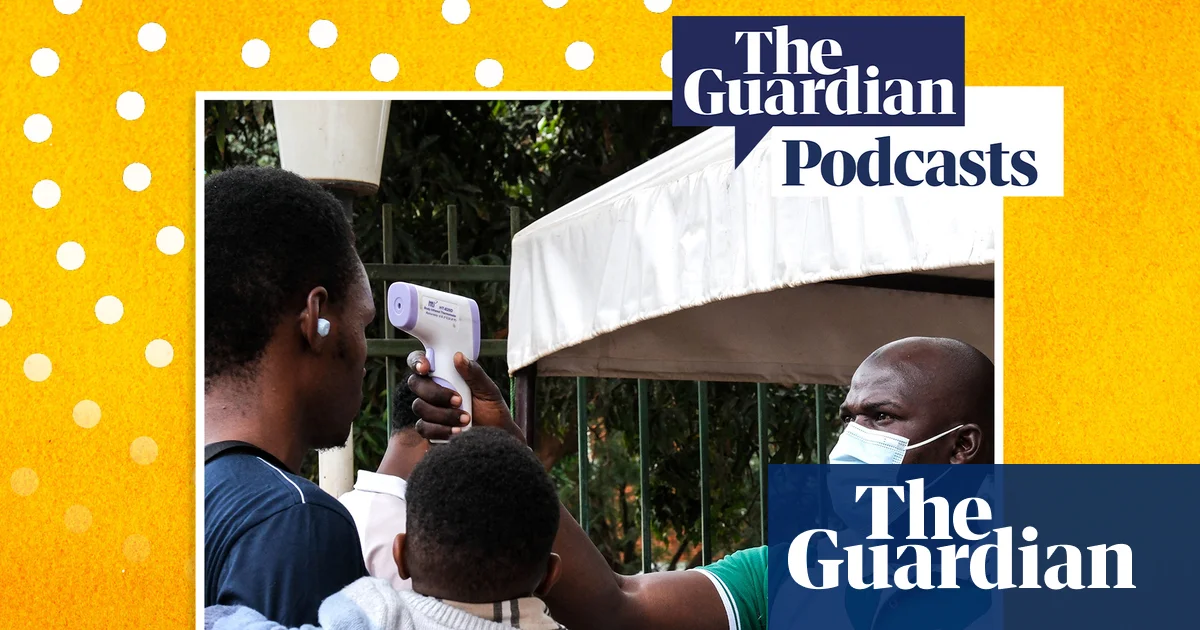
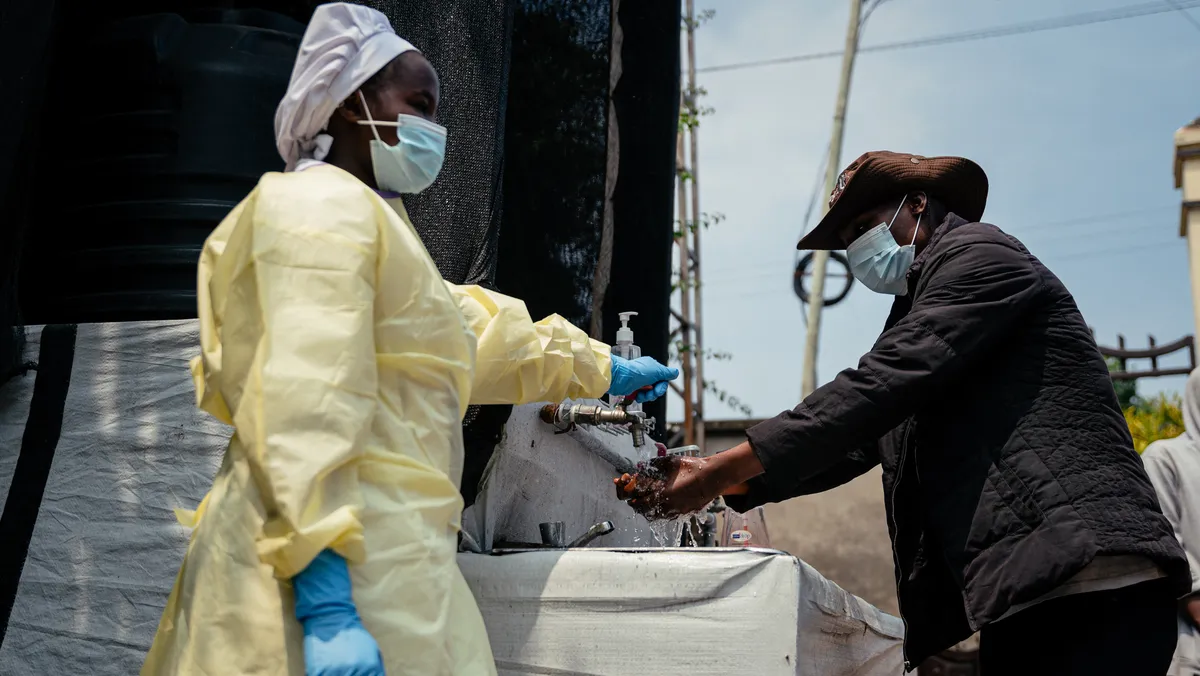
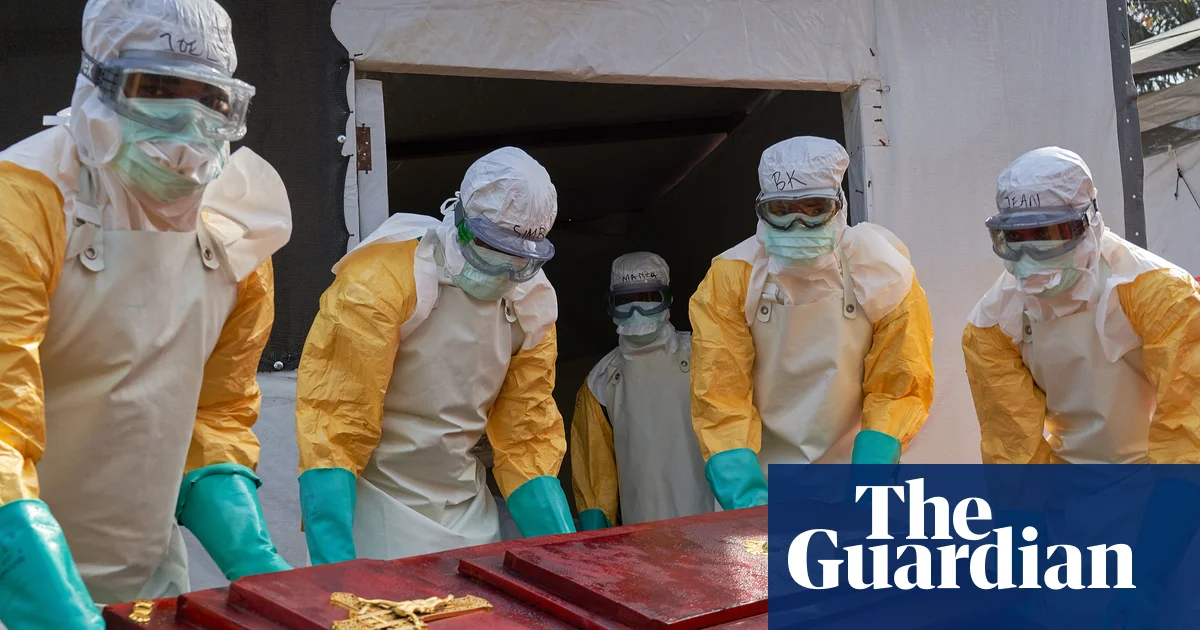
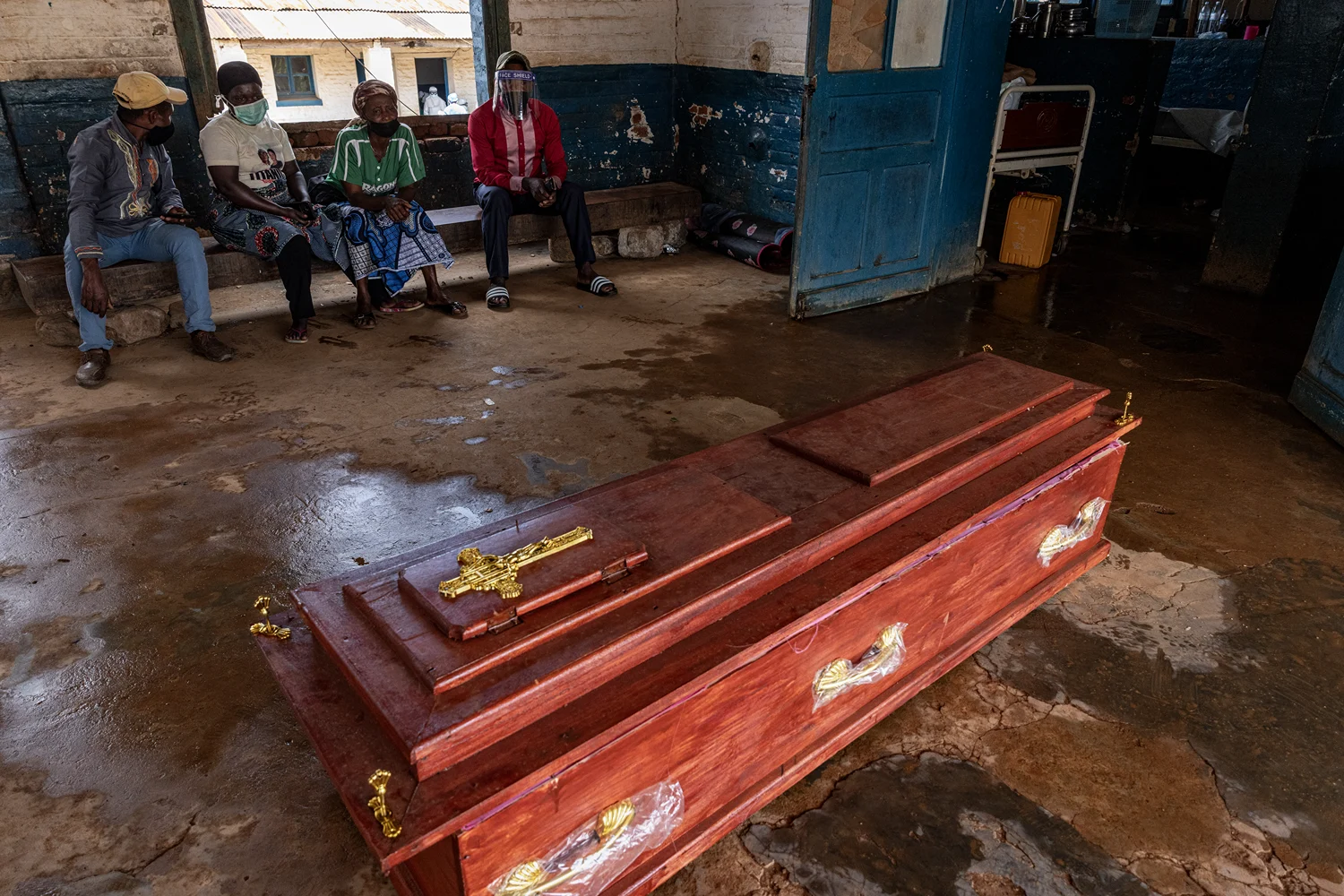
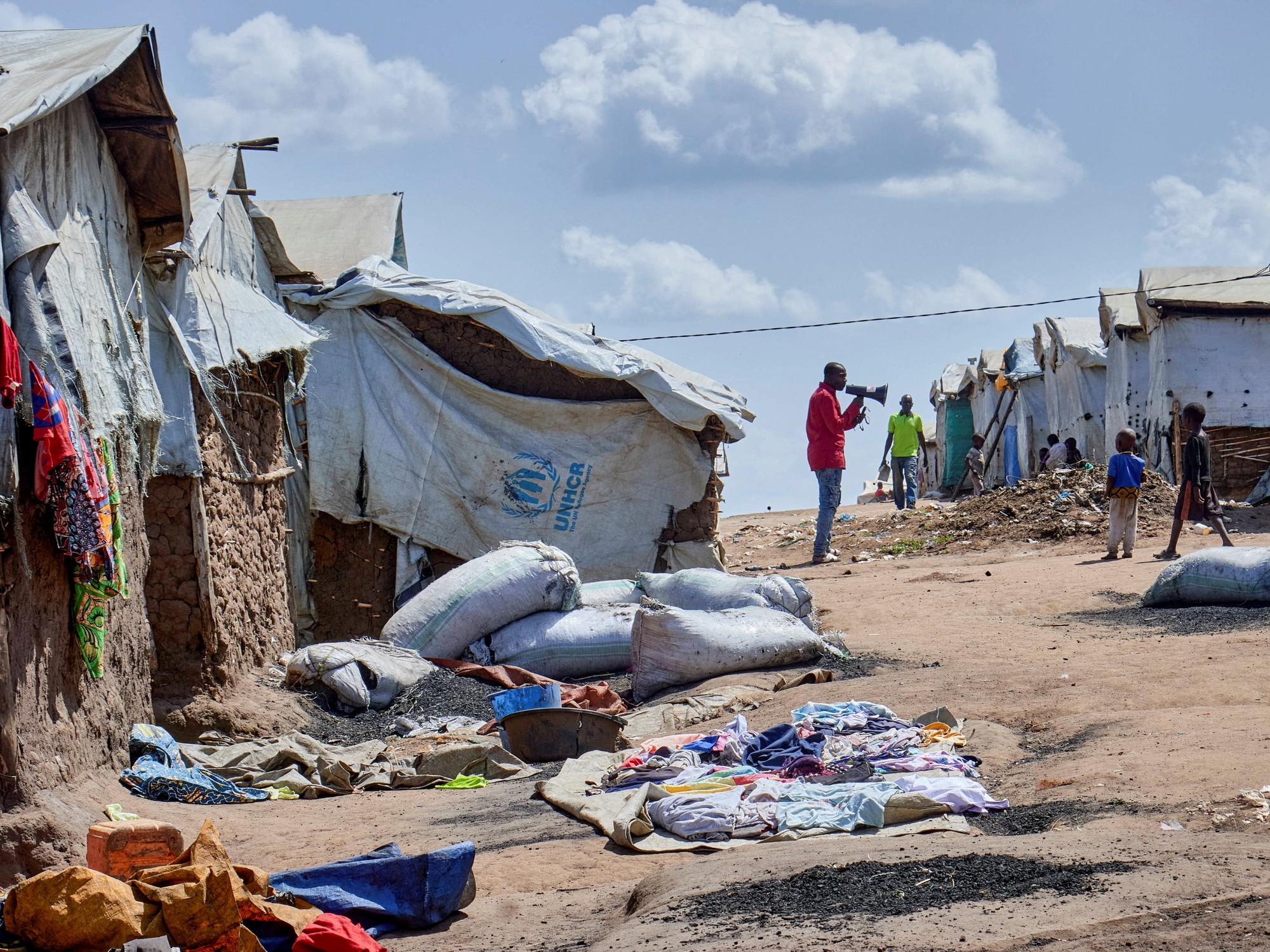
The Andes hantavirus outbreak aboard a luxury cruise ship generated extensive evacuation footage and widespread public anxiety. The numbers involved were small, and public health authorities clearly emphasized that the broader risk was very low. Meanwhile, the Bundibugyo virus disease (BVD) outbreak, involving a rapidly increasing number of cases and deaths, spreading across fragile border regions, and unfolding without an approved vaccine, or therapeutics, still struggles to command comparable global urgency despite its coverage in the news.