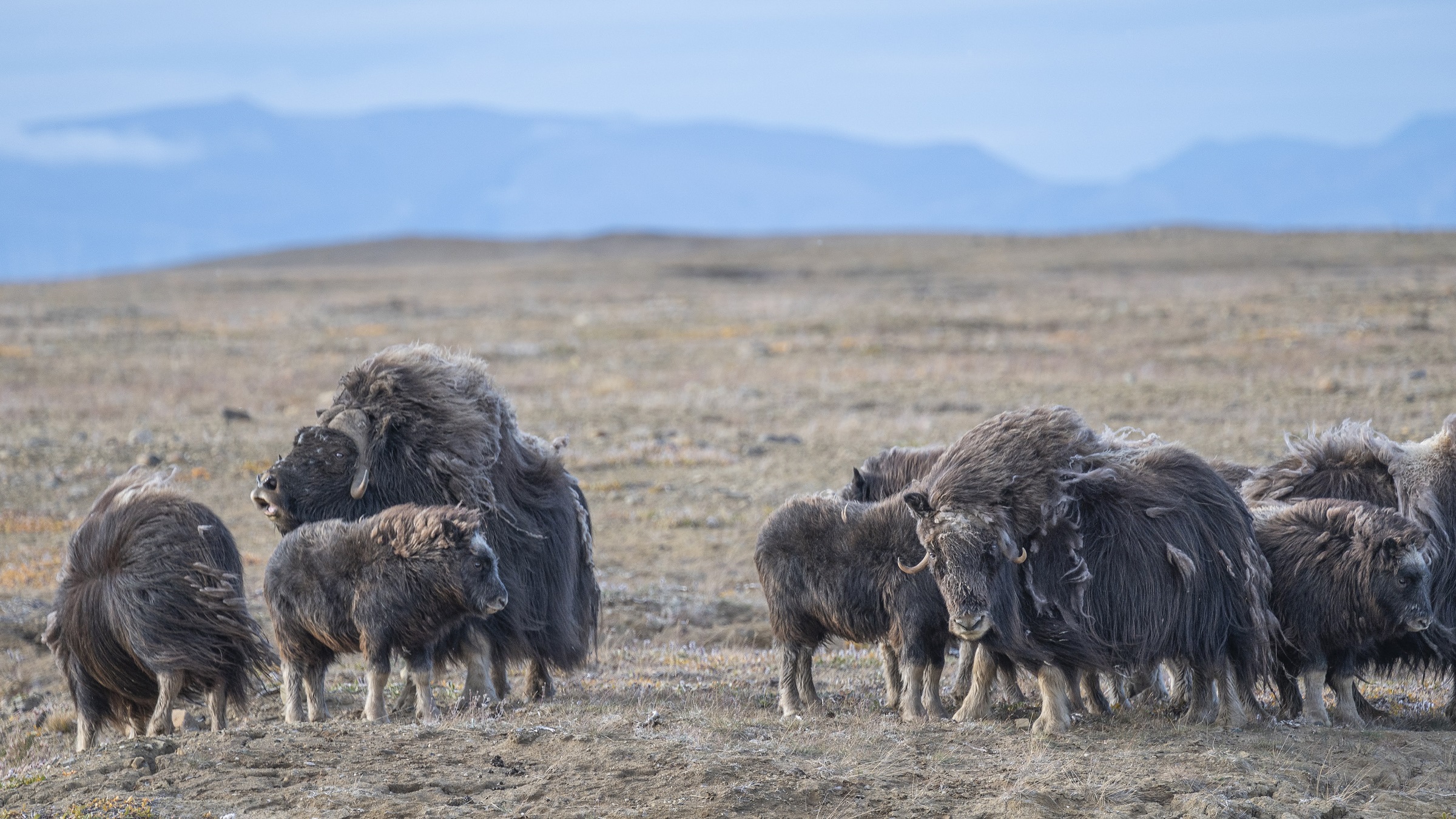
New emerging diseases and other threats, including climate change, are upending muskox recovery in parts of the Canadian Arctic Archipelago.An emerging pathogen, dubbed Erysipelothrix rhusiopathiae Arctic clone, was linked to widespread muskox mortalities on Victoria and Banks islands from 2009-14. Another outbreak was identified on Ellesmere Island in 2021.Brucellosis, a zoonotic disease, is now appearing in muskoxen on Victoria Island and parts of the mainland, with rates increasing since 2015.These emerging diseases were identified, researched and tracked via an innovative community-based wildlife health surveillance program that teams up Inuit hunters and trappers, scientists and government agencies. Muskoxen are a key food source for many Inuit communities and play a vital role in Arctic ecology. Their loss could put food security and Indigenous culture at risk.
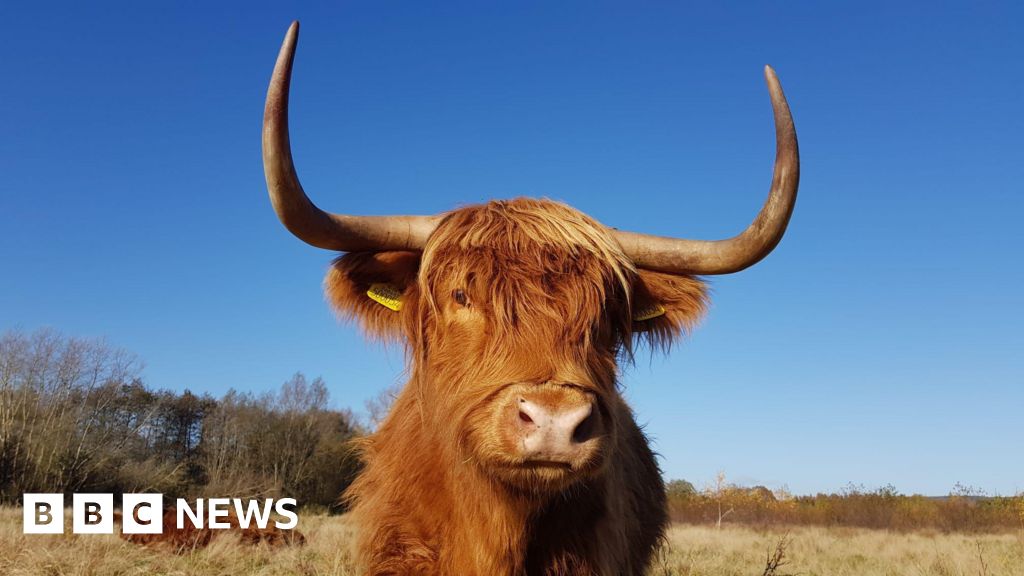
As winter comes to the Canadian Arctic, muskoxen (Ovibos moschatus) abandon the valleys and head to higher ground, where winds sweep away the snow. That’s where we go to find them, Allen Niptanatiak, chairman of the Kugluktuk Hunters and Trappers Organization, tells Mongabay in a video call.
The Inuit harvesters focus on culling the younger cows and bulls, leaving the breeding animals alone. It takes a couple hours to skin, butcher and load up the sleds, the older and younger generations working together in -30° Celsius to -35°C (-22° Fahrenheit to -35°F), weather that is “just perfect,” says Niptanatiak, an Inuk hunter and trapper from Nunavut, who is also a retired conservation officer. “Then we eat and have a big meal and just enjoy it and talk and say, ‘Oh, this is a blessing,’” he says.