Viewing this content may result in the use of cookies by the third-party operator hosting it. Because of the choices you have made regarding the use of cookies, we have blocked the display of this content. If you wish to access it, you must accept the "Third-party content" category of cookies by clicking on the button below.
Accept to view content
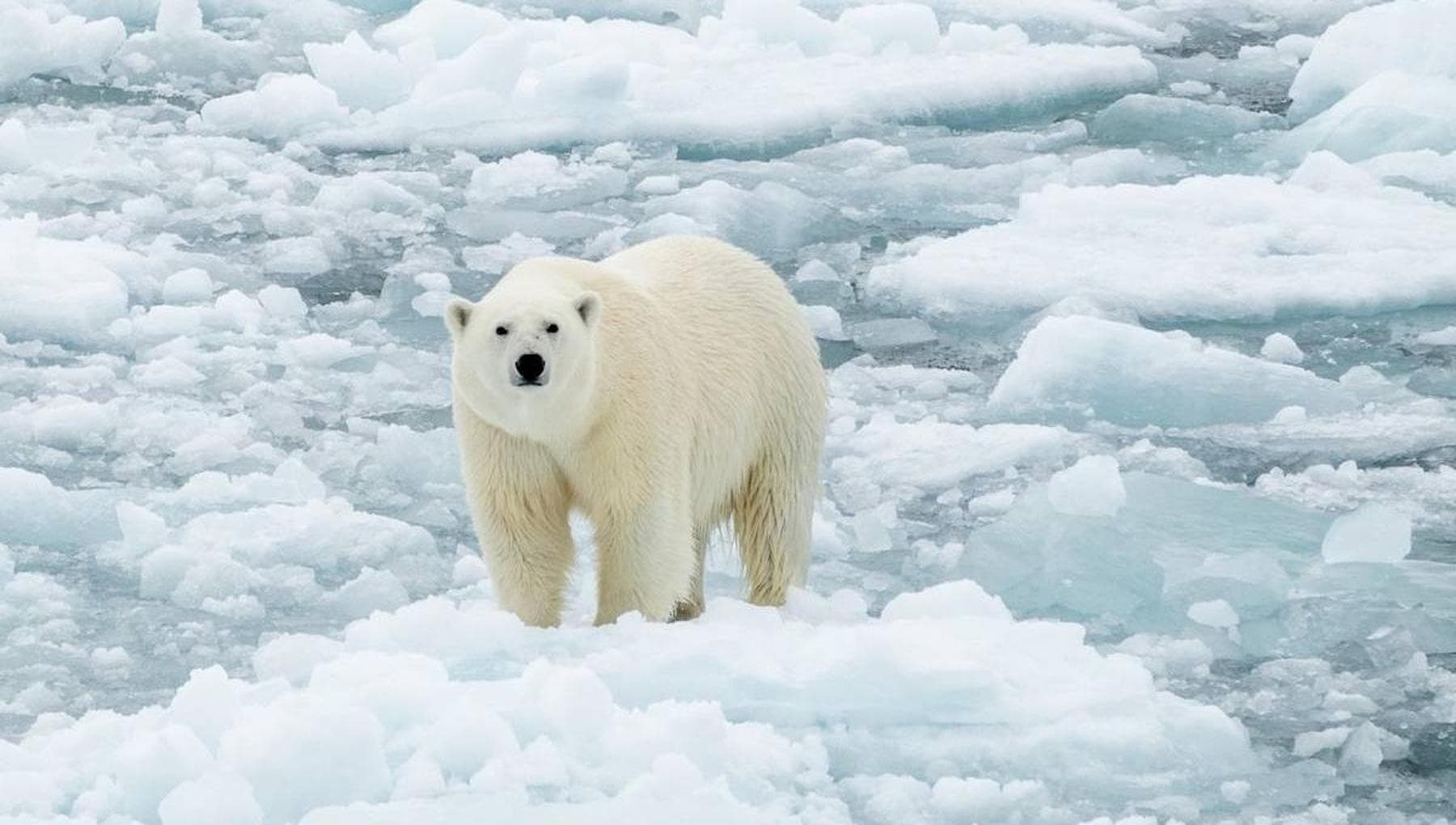
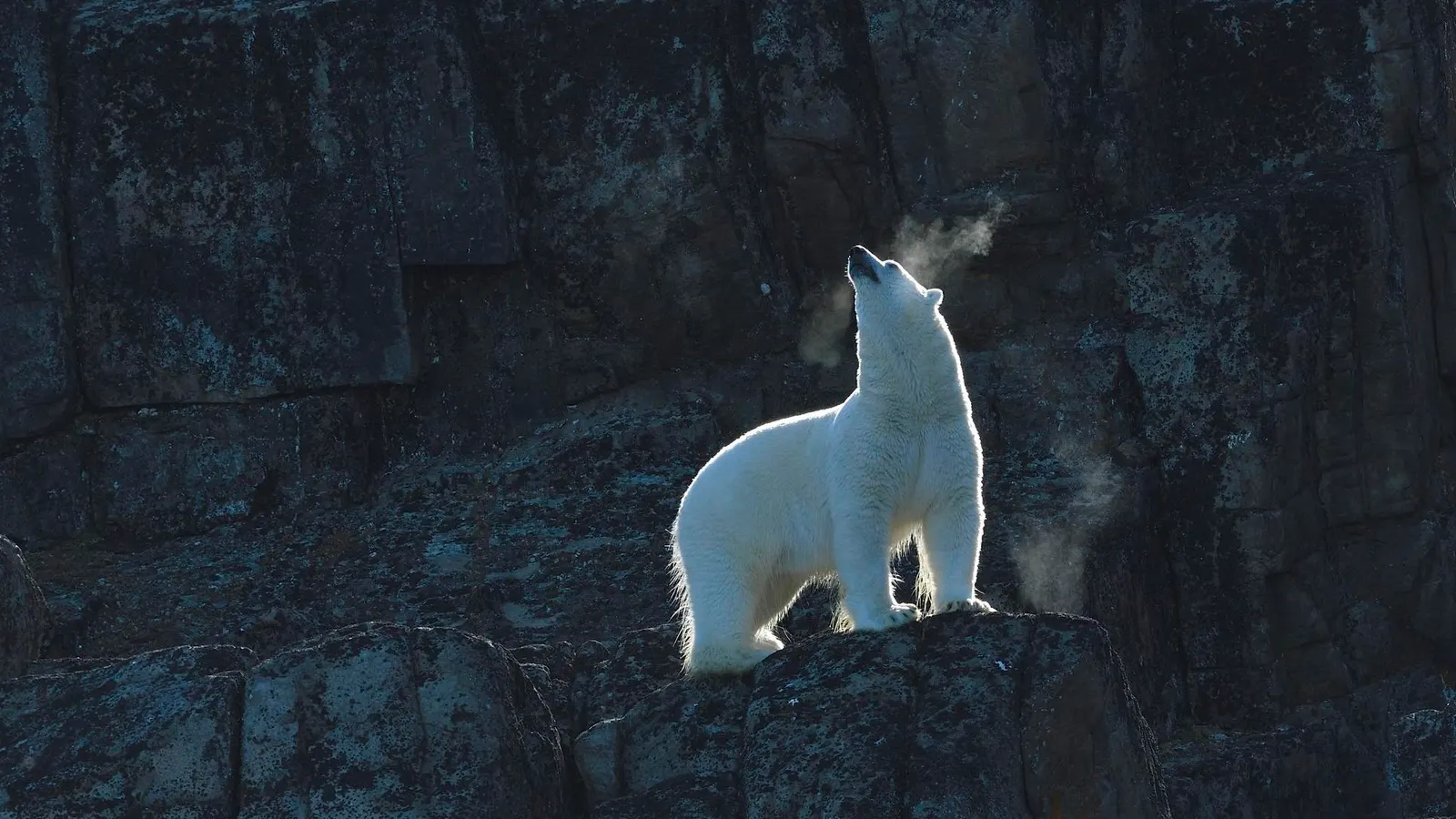
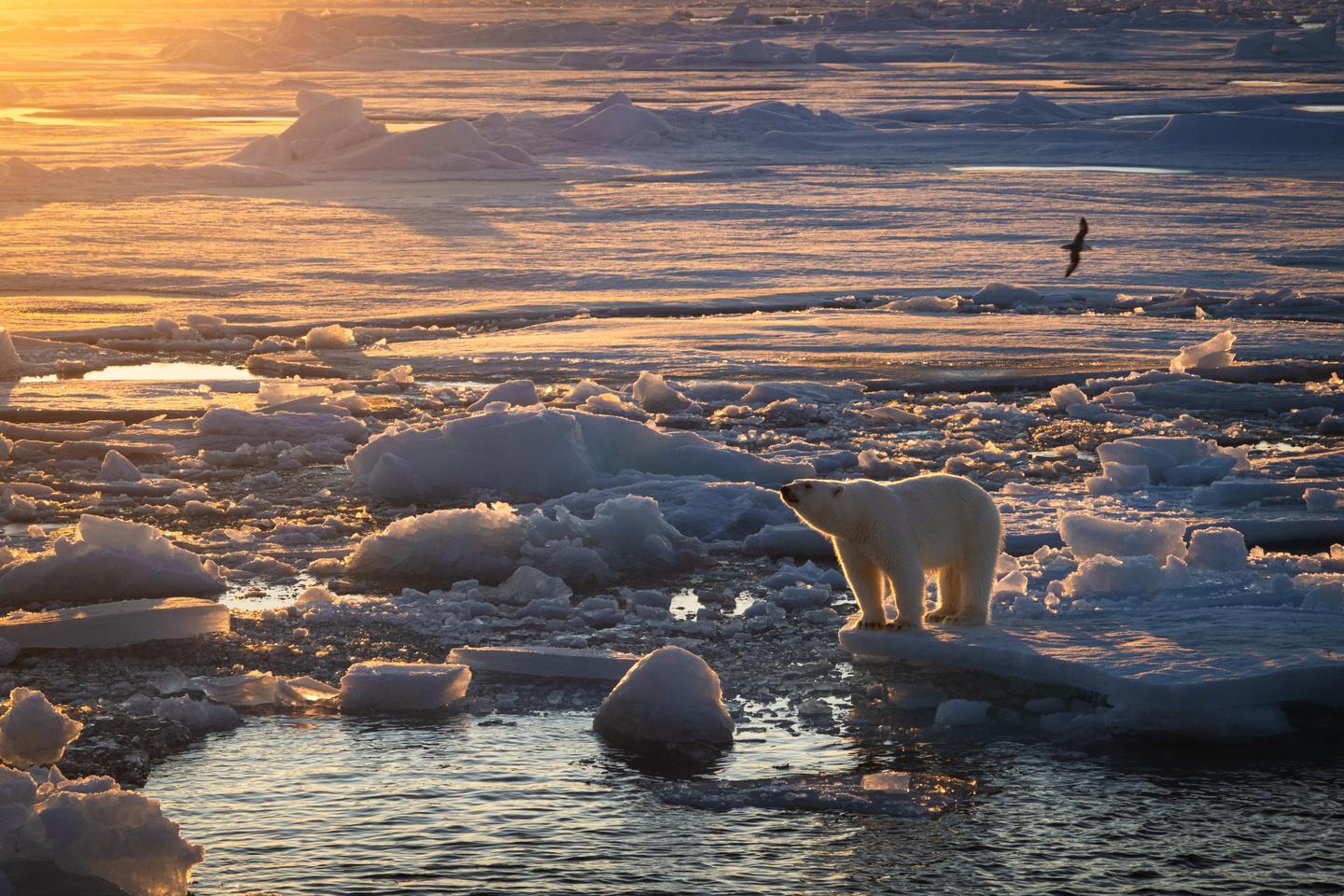
Footage shot in the Arctic by scientists shows a polar bear feasting on a seal atop a drifting slab of sea ice. In another video, a female bear crosses a vast, frozen expanse, trailed by her two cubs. Elsewhere, a male bear roams through the snow. These mammals appear healthy – far from the images of emaciated bears that have sparked concern in recent years.
In the far north, Svalbard, the Norwegian archipelago, is a paradox. Climate change has warmed the region faster than anywhere else on Earth, and its sea ice is shrinking more rapidly than in any other ice-bound area. Yet, the physical condition of adult polar bears has not worsened over the past 25 years. In fact, it improved after 2000, according to a study published on Thursday, January 29, in Scientific Reports, based on long-term monitoring in the Barents Sea. This may be only a respite before an expected decline.