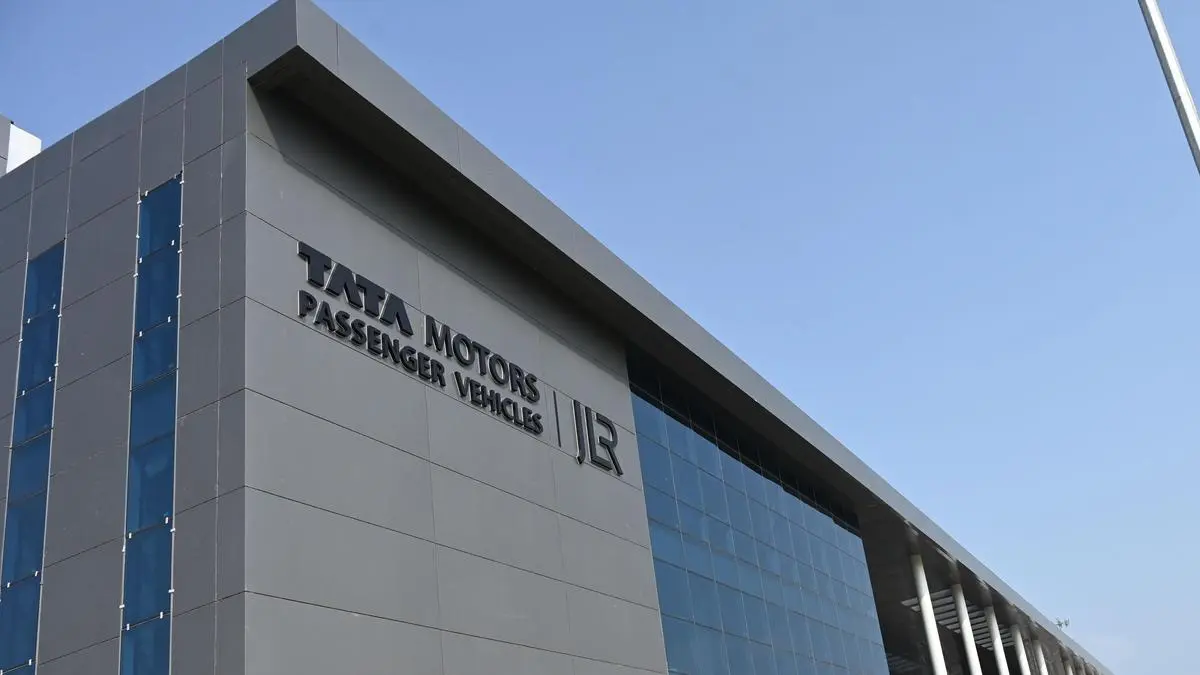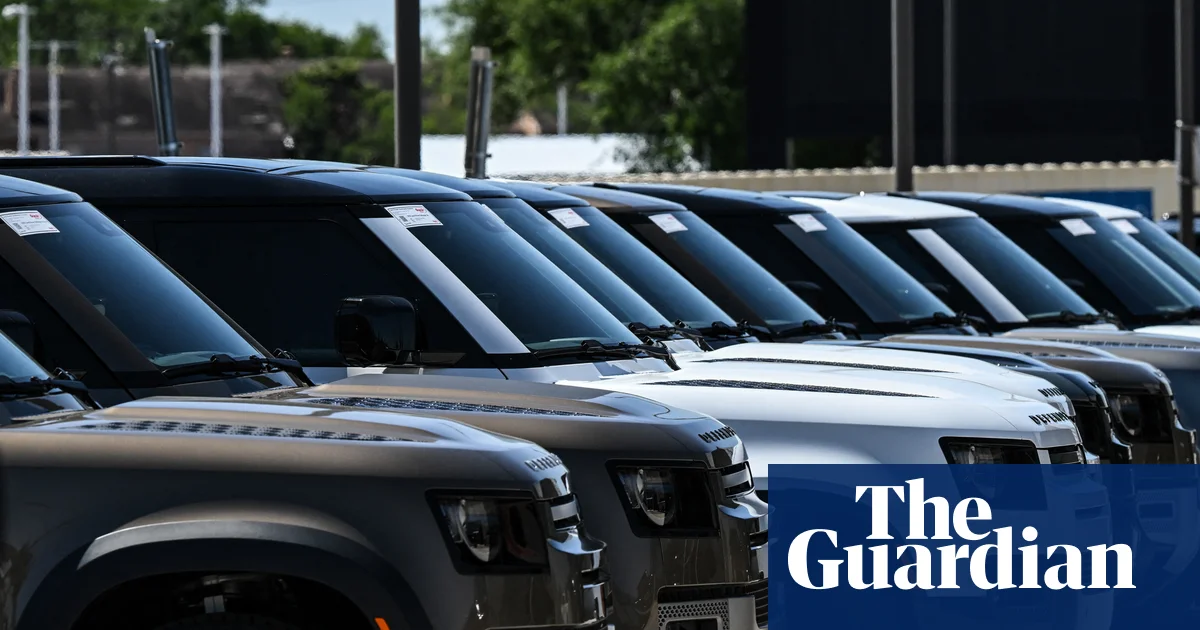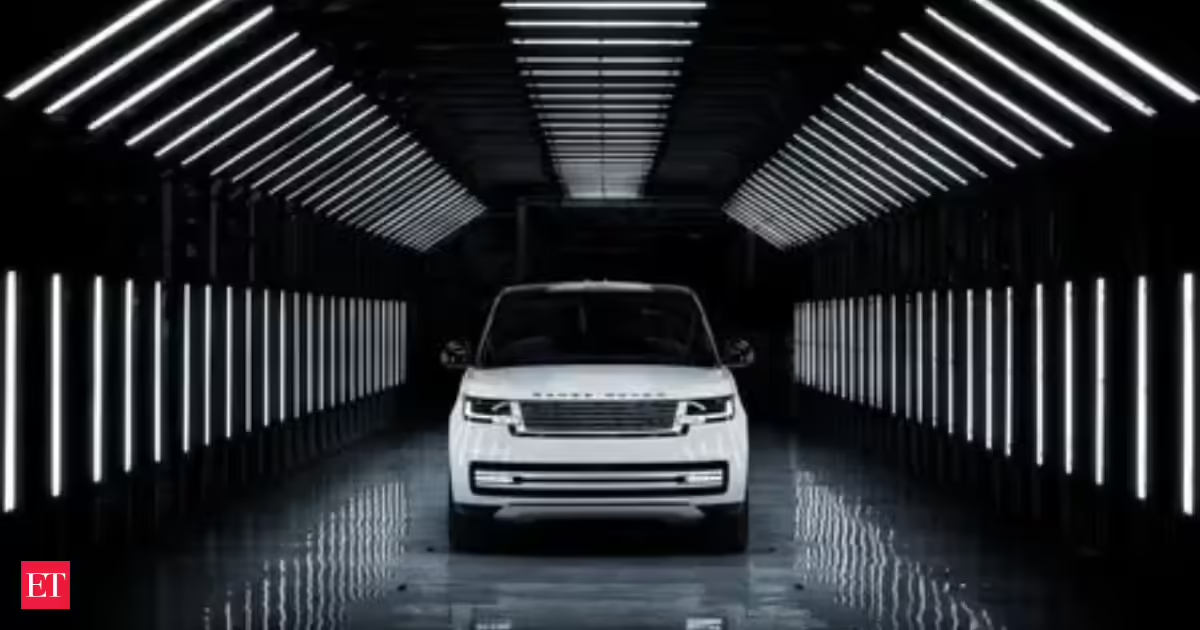
Mumbai: Jaguar Land Rover (JLR) is reshaping its strategy around a more flexible mix of petrol, hybrid and electric vehicles as it navigates a slower-than-expected shift to electrification.The UK subsidiary of Tata Motors that accounts for more than 82% of the parent's consolidated revenue, is seeking to recover from a difficult year marked by trade disruptions, a cyberattack and weakness in China, Tata Motors chairman N Chandrasekaran said in the company's annual report for fiscal 2026.The shift comes after one of JLR's most challenging years since its turnaround. The luxury-car maker was hit by high US tariffs, a cyber incident that forced production stoppages, deteriorating market conditions in China, commodity inflation and pricing pressures.JLR's wholesale volume fell 0.8% to 949,501 units in fiscal 2026. At the consolidated level, Tata Motors Passenger Vehicles' revenue declined 8.3% to ₹3.36 lakh crore, while profit before tax and exceptional items dropped to less than a tenth at ₹2,519 crore from ₹8,650 crore the year before. The company reported a net loss of ₹1,377 crore and ended the fiscal year with net automotive debt of ₹30,710 crore.Against this backdrop, Chandrasekaran said JLR had adapted its product strategy to reflect changing market realities."JLR has deployed a flexible powertrain approach to manage the slower-than-expected transition to electrification, offering a mix of ICE (internal combustion engine), PHEV (plug-in hybrid electric vehicle) and soon-to-be BEV (battery electric vehicle) powertrain options on its MLA (modular longitudinal architecture) platform," he wrote.The chairman said JLR was evolving its operating model around its House of Brands strategy, aimed at strengthening the distinct identities of Range Rover, Defender, Discovery and Jaguar, and deepening customer engagement.The comments signal a more pragmatic approach to electrification as luxury vehicle demand evolves unevenly across markets. JLR CEO PB Balaji, who took charge in November 2025, outlined a series of measures aimed at strengthening the business."We are well-positioned due to our flexible vehicle architectures, which offer ICE and hybrid powertrains as we roll out BEV options, allowing us to meet the needs of clients in different markets as they electrify at different rates," Balaji said.He said the company continued to strengthen its IT systems following the cyber incident and was driving efficiency and cost-control measures through its Enterprise Missions programme.
JLR pivots to flexible powertrains amid slow pace of electrification
Jaguar Land Rover is adjusting its strategy. The company will offer a mix of petrol, hybrid, and electric vehicles. This change comes after a challenging year for the luxury car maker. JLR faced trade disruptions, a cyberattack, and market weakness. The company is also strengthening its brand identities. This pragmatic approach addresses evolving luxury vehicle demand across different markets.
371 words~2 min read