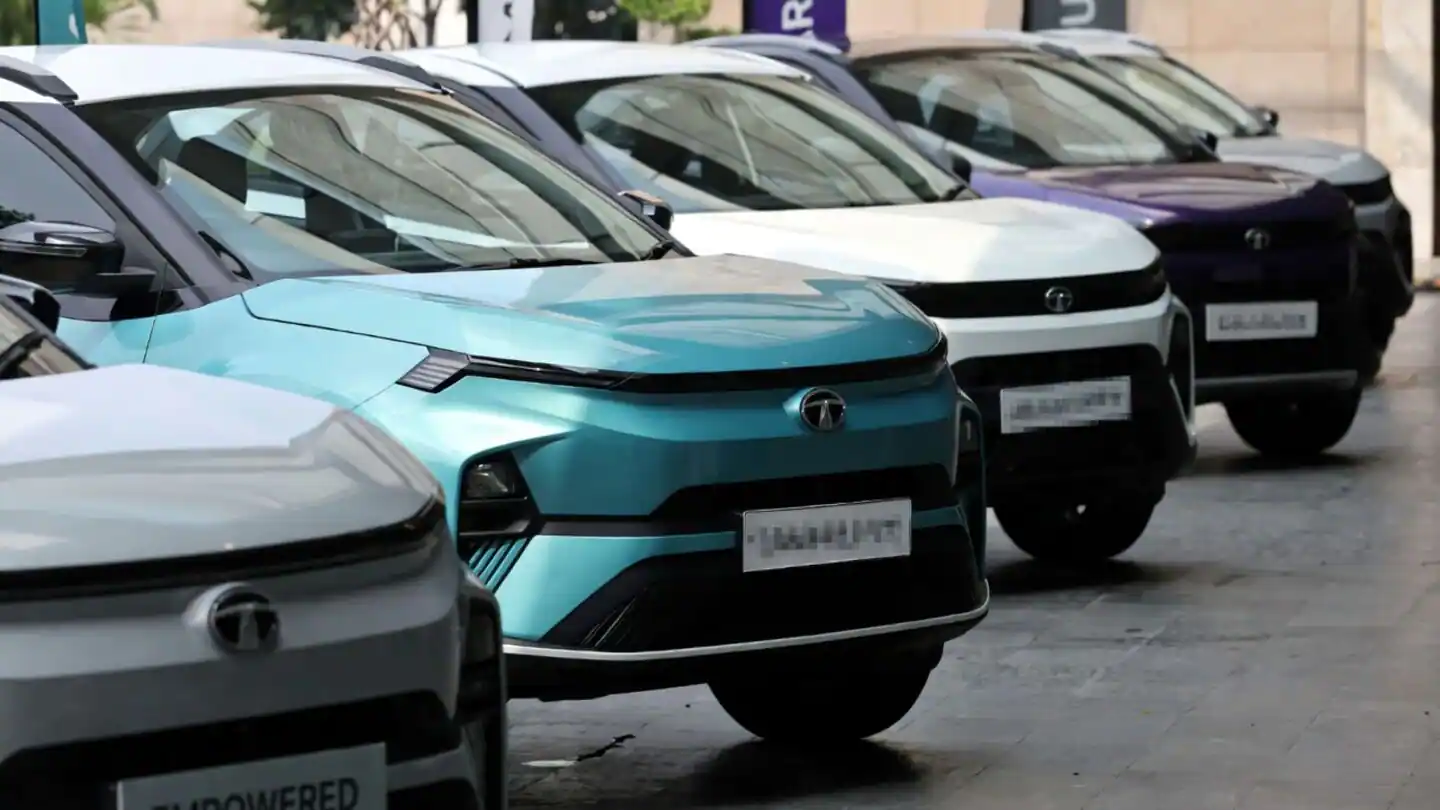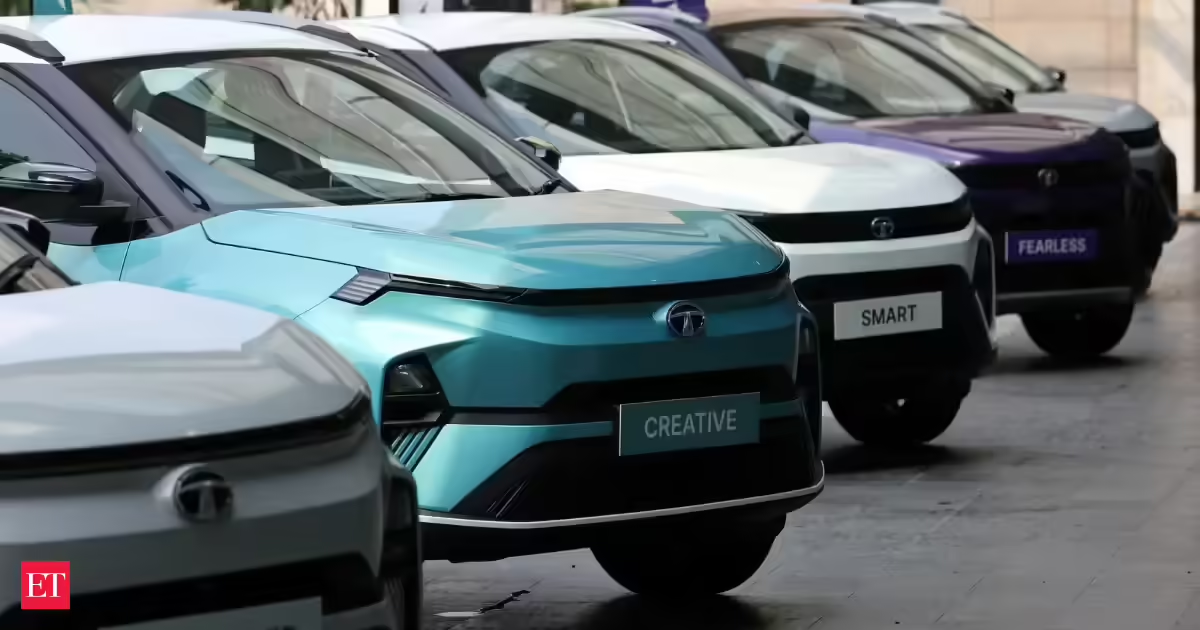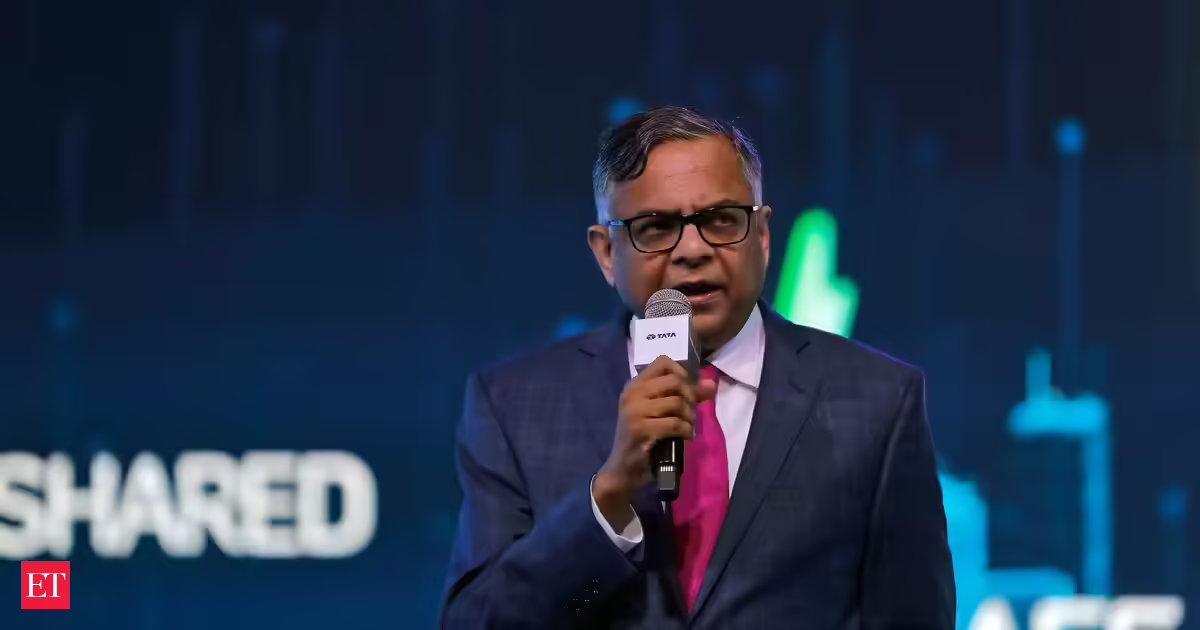
Even as Jaguar Land Rover grappled with a five-week cyber-related production shutdown, tariff pressures and a steep decline in profitability, Tata Motors continues to invest heavily in future products and technologies, committing ₹36,236 crore in capital expenditure and ₹34,562 crore in research and development during FY26.The investment programme was maintained even as the group reported negative free cash flow of ₹26,823 crore in FY26, compared with positive free cash flow of ₹22,236 crore a year earlier. The group’s balance sheet (consolidated) also moved from a net cash position of ₹1,018 crore to net debt of ₹30,710 crore during the year, reflecting the impact of weaker cash generation at JLR and continued investment spending across the business.A key indicator of future investment is the company’s development pipeline. Intangible assets under development—vehicle programmes and technologies currently being developed across JLR and Tata Motors Passenger Vehicles—rose to ₹76,154 crore as of March 31, 2026, from ₹48,182 crore a year earlier.The decision, detailed in the company’s 81st Integrated Annual Report, comes at a time when global automakers are navigating electrification, software-defined vehicles, artificial intelligence and changing trade dynamics.“Rapid global advances in digital technologies and AI are transforming how mobility products are designed, experienced and supported. At the same time, the transition to clean energy, heightened expectations on safety, and the reconfiguration of global supply chains are redefining competitiveness,“ Chairman N. Chandrasekaran wrote in his message to shareholders.He added that geopolitical uncertainty and uneven economic recovery are making “agility and resilience critical capabilities“ for global manufacturers.Tata Motors Passenger Vehicles Limited experienced significant cash flow pressures in the fiscal year ended March 31, 2026, shifting to a net debt position.JLR’s Difficult Year Tested the GroupThe biggest drain on Tata Motors came from JLR, the luxury vehicle business that contributes the bulk of Tata Motors’ revenue and profits.A cyber incident forced a five-week production halt during the year, while tariff-related pressures affected exports to key markets. Wholesale volumes fell 23.2 per cent year-on-year to 307,915 units, excluding the China joint venture.Revenue declined 20.9 per cent to £22.9 billion, down from £29 billion in FY25.The impact rippled across the group. Tata Motors reported consolidated revenue of ₹3,35,582 crore, while profit before tax before exceptional items fell to ₹2,519 crore from ₹28,650 crore a year earlier.There were signs of stabilisation by the end of the year. Fourth-quarter revenue stood at ₹1,05,447 crore, while profit before tax before exceptional items recovered to ₹7,167 crore after production normalised.JLR has also set a target of reducing its breakeven level, affected by tariffs, currency movements and commodity inflation—back to 300,000 units over the next two years.
Tata Motors commits ₹36,236 crore capex despite JLR setbacks
Tata Motors invests ₹36,236 crore in future mobility initiatives, despite JLR setbacks, ensuring resilience and innovation.
761 words~3 min read