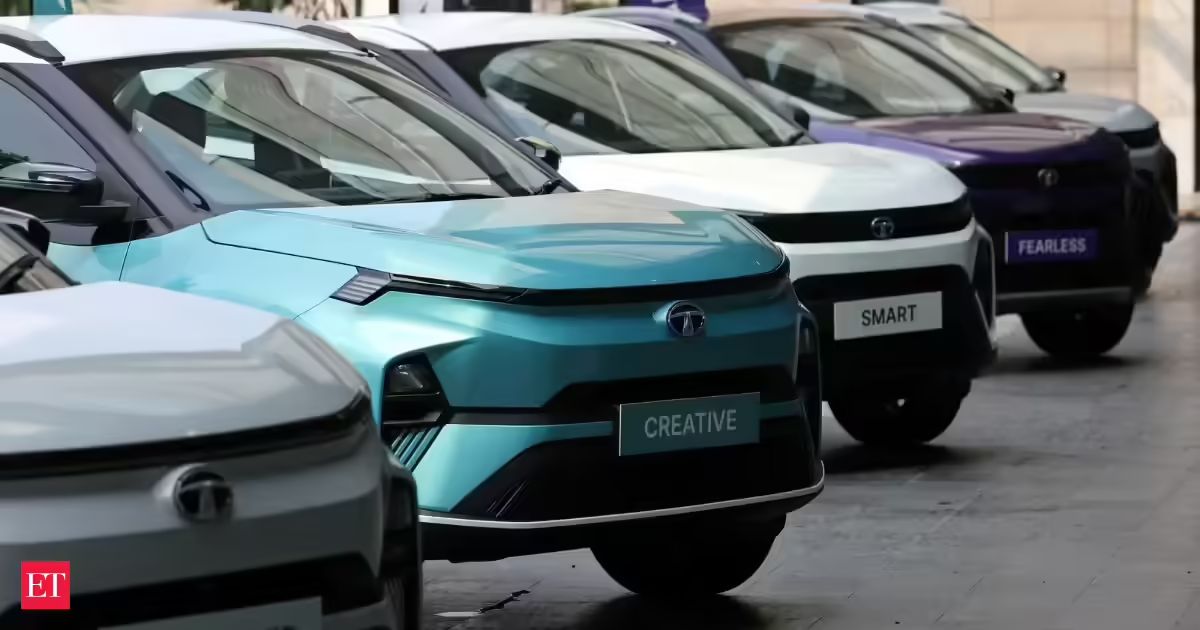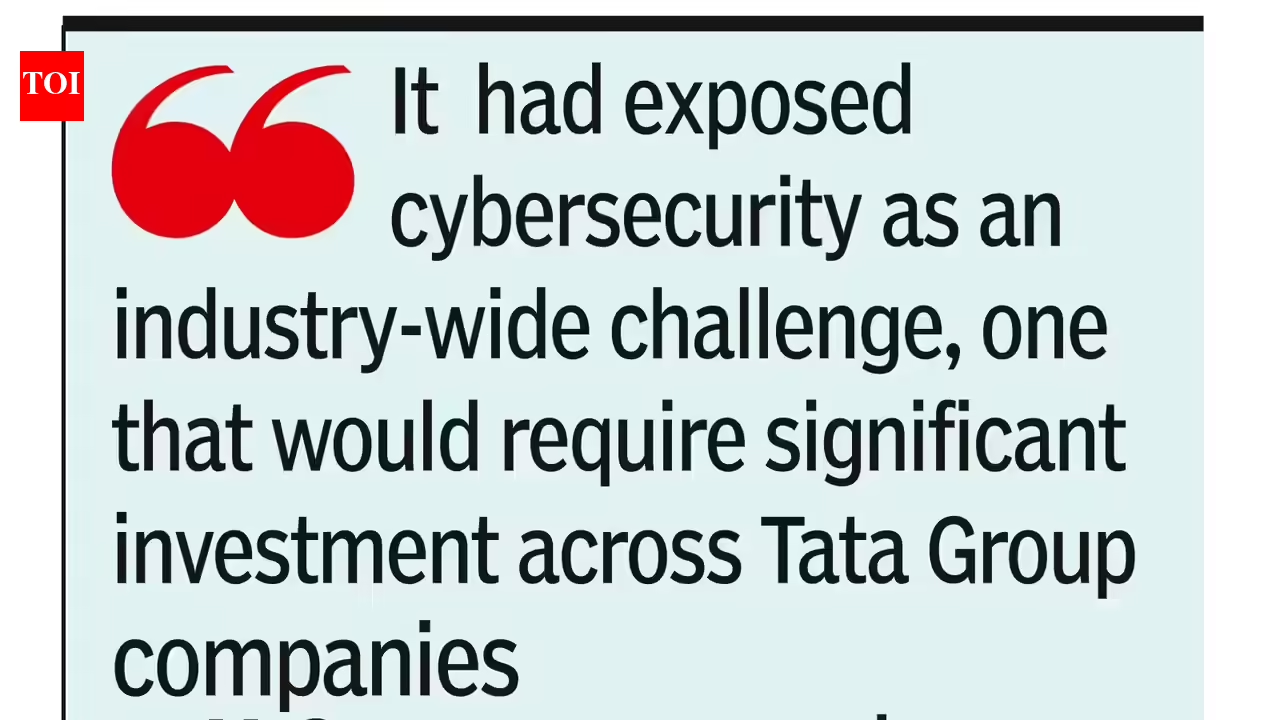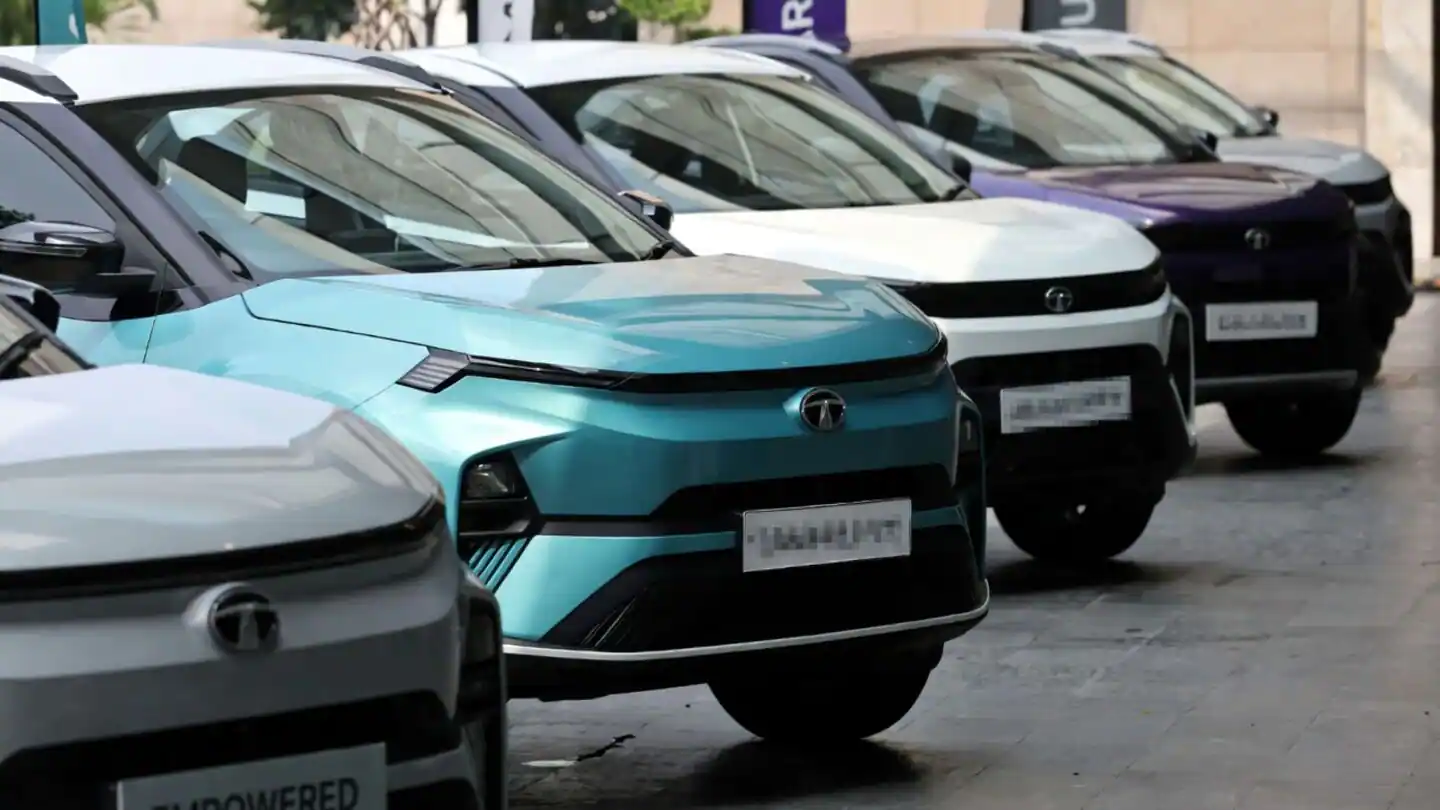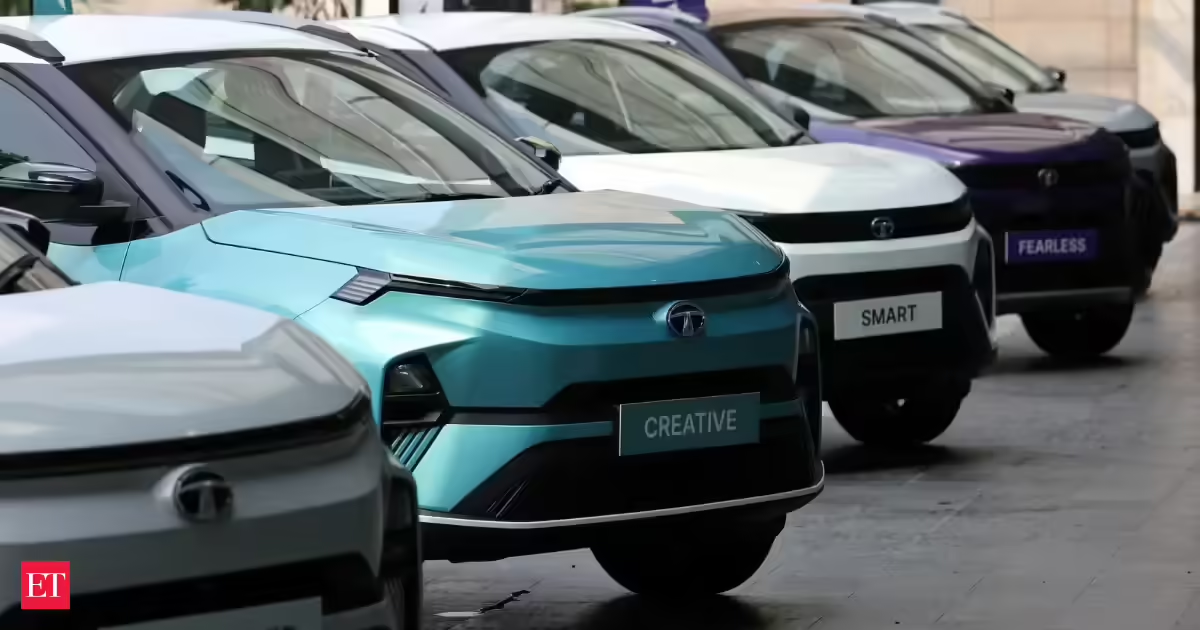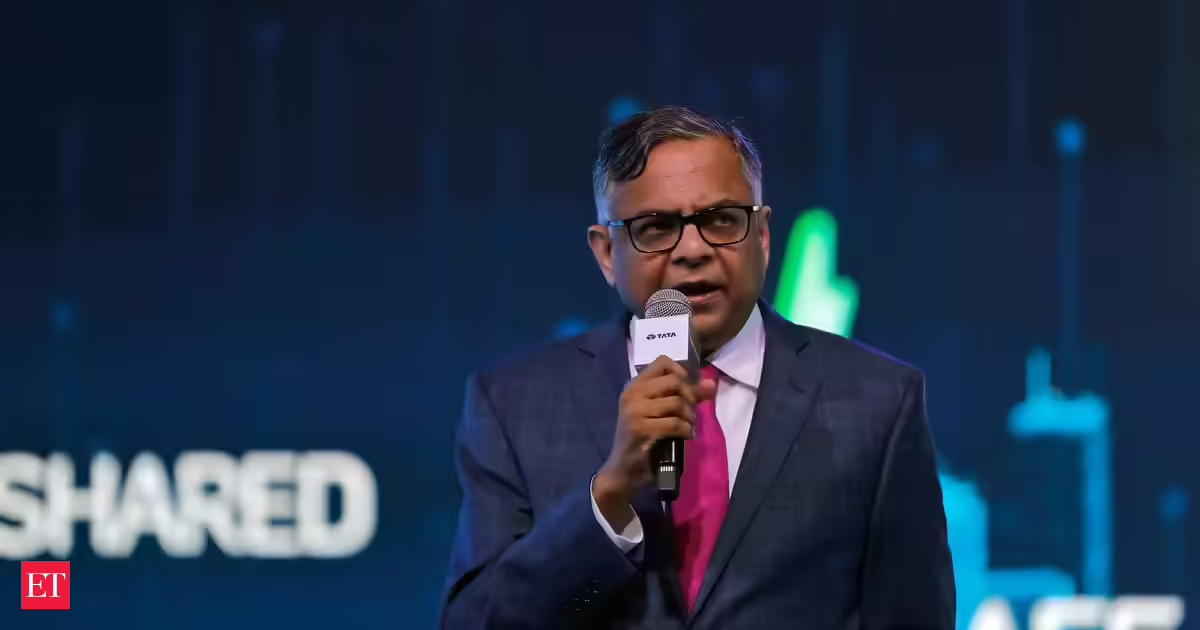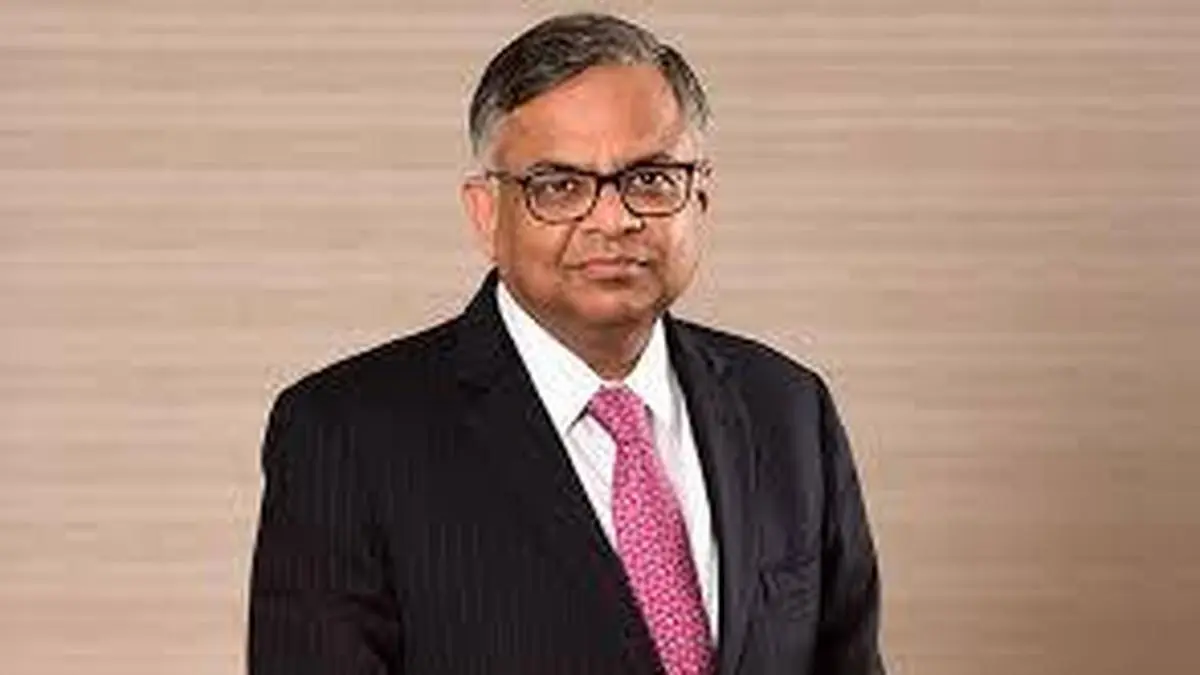
Tata Motors expects its automotive businesses to generate about $100 billion in revenue by FY31 and more than $5 billion in combined profits, as Chairman N. Chandrasekaran outlined the group’s long-term financial roadmap while responding to shareholder questions at the company’s 81st Annual General Meeting.The chairman also said the group will back its growth ambitions with about ₹40,000 crore of investment in the domestic business and £20 billion in capital expenditure at Jaguar Land Rover over the next five years, taking the combined investment commitment to roughly $31 billion.The roadmap, shared during the shareholder question-and-answer session, provided fresh details on capital allocation, profitability, battery localisation, JLR’s electrification plans and international expansion.Within the broader revenue target, Jaguar Land Rover is expected to contribute $45-50 billion, while the commercial vehicles business is projected to generate around $40 billion. Together, the group’s automotive businesses are targeting profits exceeding $5 billion, reflecting an emphasis on profitable growth alongside scale.Investment-backed growthManagement said Tata Motors’ domestic business plans to invest about ₹40,000 crore, while Jaguar Land Rover has earmarked around £20 billion in capital expenditure over the next five years.The investments will support product development, electrification, manufacturing capability and technology across both businesses.Management reiterated its medium-term profitability targets for both the domestic business and JLR. Tata Motors is targeting EBIT margins of 6.7-10 per cent and return on capital employed of more than 5 per cent.For JLR, management said the luxury carmaker is expected to return to double-digit EBITDA margins above 10 per cent this year while maintaining its medium-term EBITDA margin target of 15 per cent.The company maintained a neutral near-term outlook for JLR but said it expects the business to return to a positive free cash flow trajectory over the next three years after generating positive free cash flow over the previous three years.JLR anchors growth roadmapJaguar Land Rover is expected to remain the largest contributor to Tata Motors’ long-term growth plan, with Chandrasekaran saying the British luxury carmaker is targeted to generate $45-50 billion of the group’s planned $100 billion automotive revenue by FY2030-31.The company will invest around £20 billion over the next five years to support new products, electrification, manufacturing and technology. Management said the electric Range Rover and electric Jaguar remain on track for launch in the second half of this year.Chandrasekaran also said Agratas is expected to begin battery production in calendar year 2027, with the first cells to be supplied to both JLR and Tata Motors, strengthening localisation of the group’s EV supply chain.Despite maintaining a neutral near-term outlook, Tata Motors expects JLR to return to double-digit EBITDA margins above 10 per cent this year while retaining its medium-term EBITDA margin target of 15 per cent. Management also said the business is expected to return to a positive free cash flow trajectory over the next three years.Execution and customer experienceResponding to questions on operational priorities, management identified execution, supply chain disruptions and cybersecurity as the principal risks facing the business.Referring to the recent cyber incident at JLR, the company said the issue had been addressed, adding that cybersecurity has become an industry-wide challenge requiring sustained investment across Tata Group companies.Management also said that improving customer service, vehicle quality, after-sales support, and delivering a seamless ownership experience would remain a key focus under the Board’s supervision.International expansion and EV strategyThe company said it plans to expand exports in South Africa while exploring opportunities across Commonwealth markets, including Malaysia and Australia, and to strengthen its presence in the UK and Europe.In electric mobility, management said Tata Motors aims to maintain a 40-45 per cent share of India’s passenger EV market, supported by a broader product portfolio across multiple price points. It also expressed confidence that the upcoming Sierra could become one of the company’s highest-selling models.Management added that the passenger vehicle business is expected to achieve break-even at annual volumes of around 300,000 units, supported by lower material costs, manufacturing efficiencies and pricing improvements.Published on July 8, 2026
Tata Motors targets $100 billion automotive revenue by FY31 with $31 billion investment plan
Tata Motors targets $100 billion automotive revenue and over $5 billion profit by FY31, backed by $31 billion investments in JLR, EVs and India operations.
657 words~3 min read