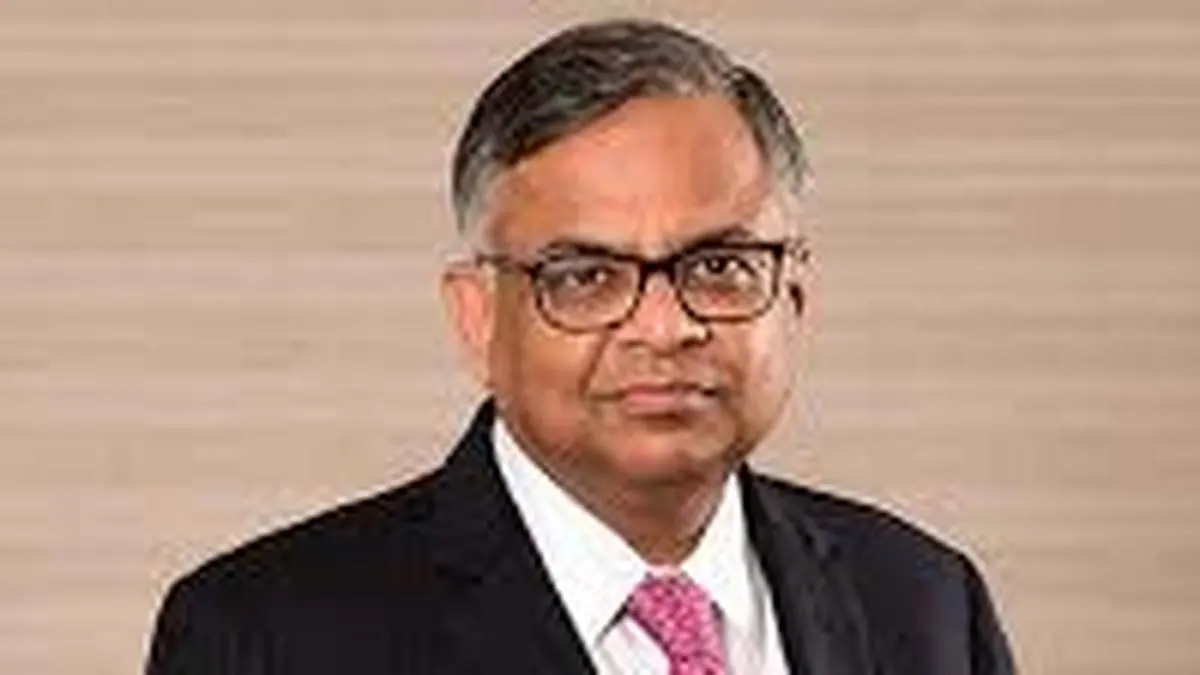
Tata Motors Chairman N. Chandrasekaran
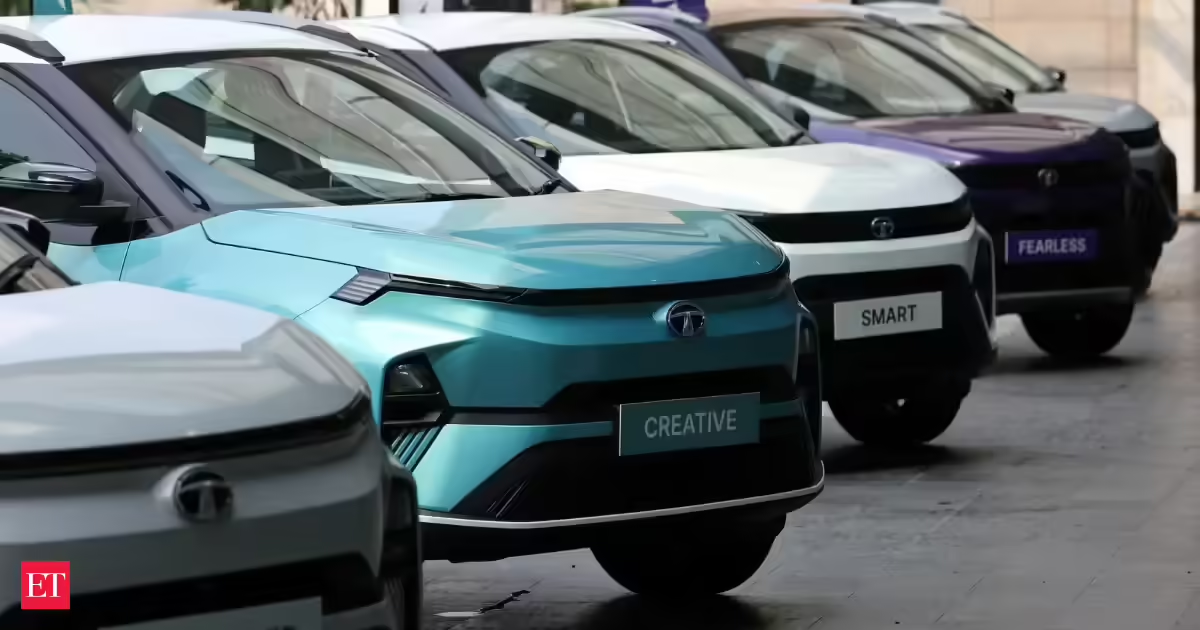
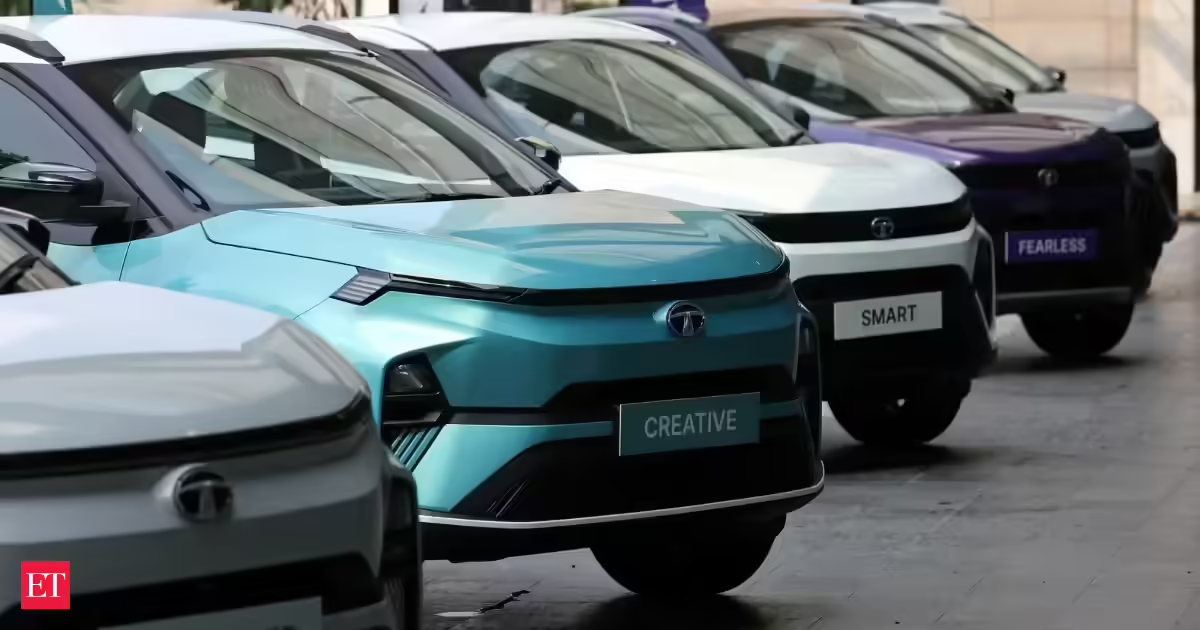
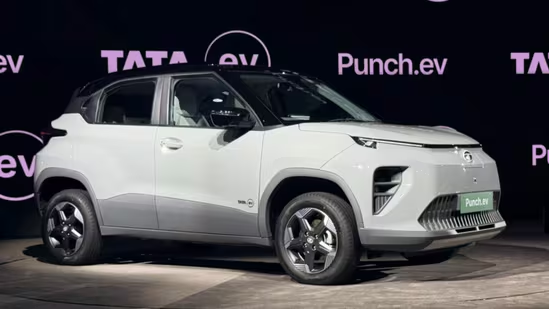
Fresh from its demerger into an independent listed company, Tata Motors Passenger Vehicles has unveiled an ambitious FY31 growth strategy, with Chairman N. Chandrasekaran on Wednesday addressing shareholders at the 81st Annual General Meeting, said the company will “grow the business by 10x” over the FY20-FY31 period while targeting annual sales of more than 1.2 million vehicles and a 20 per cent domestic market share.As part of that ambition, the company is targeting annual sales of more than 1.2 million vehicles, a 20 per cent share of India’s passenger vehicle market, double-digit EBITDA margins, six new nameplates, more than 20 product refreshes and electric vehicles contributing over 30 per cent of total sales volumes by FY31.“Looking at this decade of transformation from FY20 to FY31, we will grow the business by 10x. Our ambition is to scale to over 1.2mn+ annual sales, achieve 20% market share and double-digit EBITDA margin, strengthen our portfolio with the launch of six new nameplates and 20+ product refreshes, and make EVs contribute more than 30% of our sales volumes,” Chandrasekaran said while outlining the company’s long-term roadmap.Post-Demerger StrategyThe strategy comes after Tata Motors Passenger Vehicles emerged as a standalone personal mobility company following the demerger of its commercial vehicle business. Chandrasekaran described the separation as “more than a structural milestone”, saying it marked “a decisive step in our journey to build a differentiated, future-ready, world-class personal mobility enterprise” with a strong presence in India and a global footprint through Jaguar Land Rover.Six-Year TurnaroundChandrasekaran said the company enters the next phase of growth as the domestic passenger vehicle business has grown nearly fivefold in volume and close to sixfold in revenue since FY20, while market share has expanded from 4.8 per cent to 14.2 per cent in the first quarter of FY27, making Tata Motors Passenger Vehicles the country’s second-largest passenger vehicle manufacturer.He added that the company had swung from a free cash flow burn of around ₹4,000 crore to a surplus of about ₹2,000 crore, supported by an EBITDA improvement of more than ₹5,000 crore.Record FY26 PerformanceFor FY26, the company reported record domestic passenger vehicle sales of around 6.42 lakh units, up 15.3 per cent year-on-year, while the India business revenue rose 20.7 per cent to ₹58,465 crore. EBITDA margins remained around 7 per cent, profit before tax (before exceptional items) increased about 33 per cent and the business ended the year with a net cash position of ₹6,710 crore.Product PipelineThe growth plan will be supported by an expanded product portfolio across multiple powertrains. During FY26, the company reintroduced the Sierra, launched the Harrier.ev, introduced petrol variants of the Harrier and Safari, refreshed the Punch across petrol, CNG and electric powertrains and launched the all-new Altroz. The next phase includes six new nameplates and more than 20 product refreshes.EV PushHighlighting the company’s electric mobility strategy, Chandrasekaran said Tata Motors Passenger Vehicles has crossed 3 lakh cumulative EV sales and will continue to pursue a multi-powertrain approach. “This reinforces the strength of our multi-powertrain strategy — balancing conventional and emerging technologies,” he said.The company aims to increase electric vehicles’ contribution to more than 30 per cent of total sales volumes by FY31 as part of its long-term growth strategy.Looking AheadLooking ahead to FY27, Chandrasekaran said the company would build on a strong product pipeline across Tata Motors Passenger Vehicles and Jaguar Land Rover, deepen collaboration between the two businesses, expand the use of digital technologies and artificial intelligence across the value chain, and leverage the new TMPV-JLR manufacturing facility at Panapakkam in Tamil Nadu to support its next phase of growth.Published on July 8, 2026