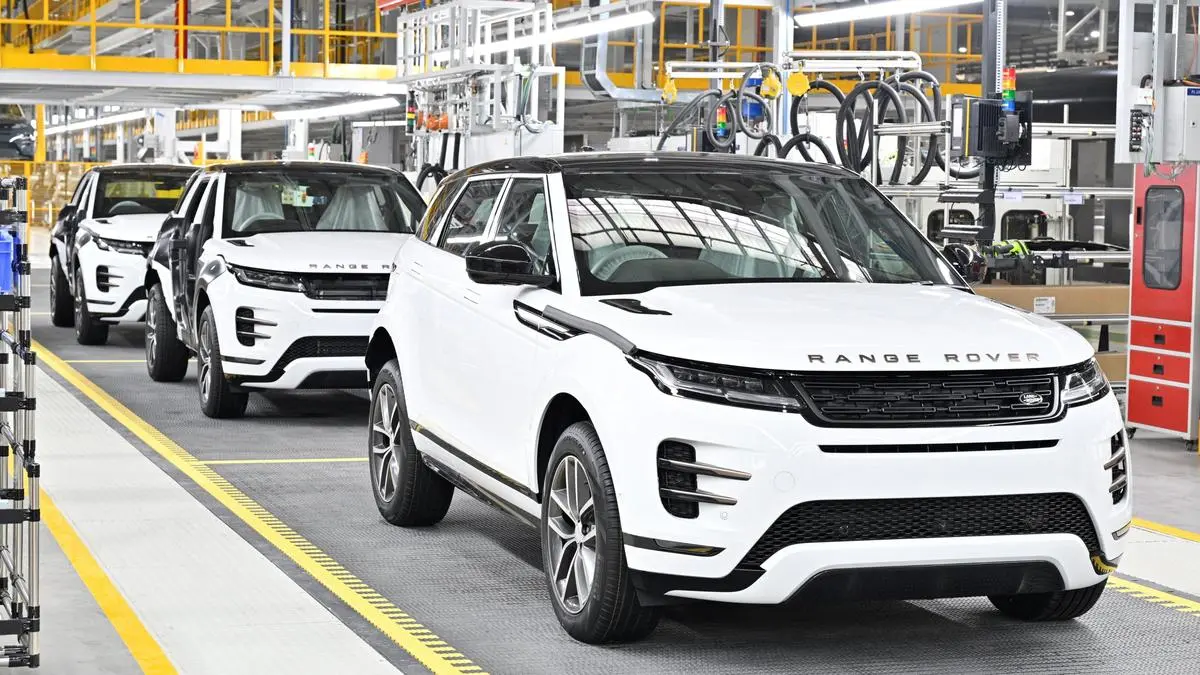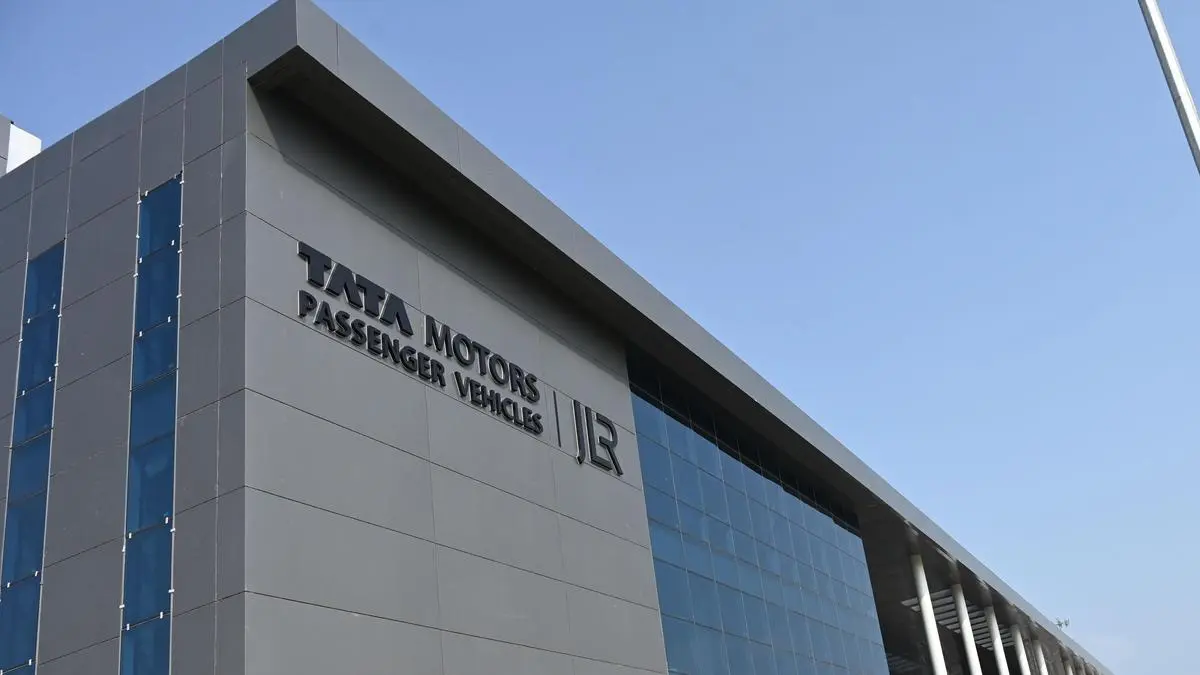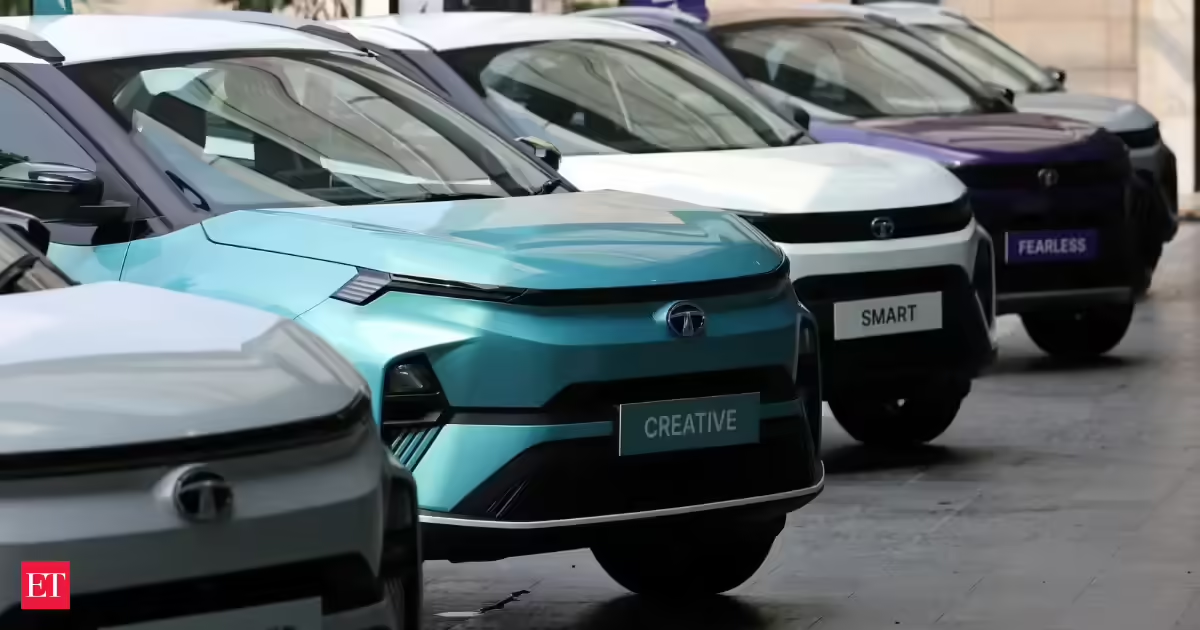
Jaguar Land Rover (JLR) is betting on a new product cycle, a sharper Modern Luxury strategy and closer integration with Tata Motors Passenger Vehicles to revive growth after a difficult FY26, as the British luxury carmaker looks to move past tariff disruptions and a cyber incident that dented its financial performance. Speaking to shareholders at the 81st AGM on Wednesday, Chairman N Chandrasekaran said JLR’s next phase will be driven by next-generation vehicle launches, a strengthened leadership team and deeper technology and manufacturing synergies with Tata Motors, while maintaining that the company’s long-term product roadmap remains firmly on track.Growth BlueprintLooking ahead, he said JLR is reimagining growth with a sharper focus on its Modern Luxury strategy, supported by distinct brand identities, a reinforced North America strategy and deeper customer personalisation.“The year ahead is promising and exciting for JLR as it reimagines growth with a sharper focus on Modern Luxury, driven by distinct brand identities, a reinforced North America strategy, and deeper customer personalisation. With the launch of its next-generation vehicles and a renewed strategic direction, JLR is taking decisive steps to unlock its full potential,” he said.Product PipelineManaging Director Shailesh Chandra said JLR’s planned product rollout remains on schedule despite the operational and geopolitical challenges faced during FY26. The company continues to strengthen its House of Brands strategy and is preparing to introduce a new generation of vehicles over the coming months, supporting its next phase of growth while maintaining focus on customer experience and product execution.India IntegrationThe luxury carmaker is also expected to benefit from deeper integration with Tata Motors Passenger Vehicles (TMPVL) following the demerger. Chandrasekaran said the two businesses would strengthen collaboration across manufacturing, technology and talent, leveraging complementary capabilities.“We will further strengthen collaboration between TMPVL and JLR, leveraging complementary capabilities in manufacturing, technology, and people. The successful commencement of operations at the TMPV–JLR facility in Panapakkam, Tamil Nadu, represents a significant milestone,” he said.Financial HitThe operational disruptions took a toll on FY26 performance, with JLR reporting revenue of £22.9 billion, down about 21 per cent from the previous year. On a consolidated basis, Tata Motors Passenger Vehicles reported revenue of ₹3.35 lakh crore and profit before tax (before exceptional items) of ₹2,519 crore, with management attributing the weaker performance primarily to temporary disruptions at JLR.“Jaguar Land Rover showed resilience through a challenging period. Amidst external disruptions, including tariff impacts and a cyber incident, JLR made strong operational progress in the development of its next-generation models and continued growth of its Modern Luxury brands,” Chandrasekaran said at the 81st company AGM.The Bigger PictureFor Tata Motors, a sustained recovery at JLR remains central to its long-term growth strategy. While the domestic passenger vehicle business is expected to expand through a broader product portfolio and higher electric vehicle penetration, management sees JLR’s next-generation products, premium positioning and closer integration with the India business as key pillars of its global personal mobility ambitions.Published on July 8, 2026
JLR sees growth revival on new models, modern luxury push after challenging FY26
Jaguar Land Rover aims for growth revival with new models and a Modern Luxury strategy post FY26 challenges, says Chairman N. Chandrasekaran.
487 words~2 min read