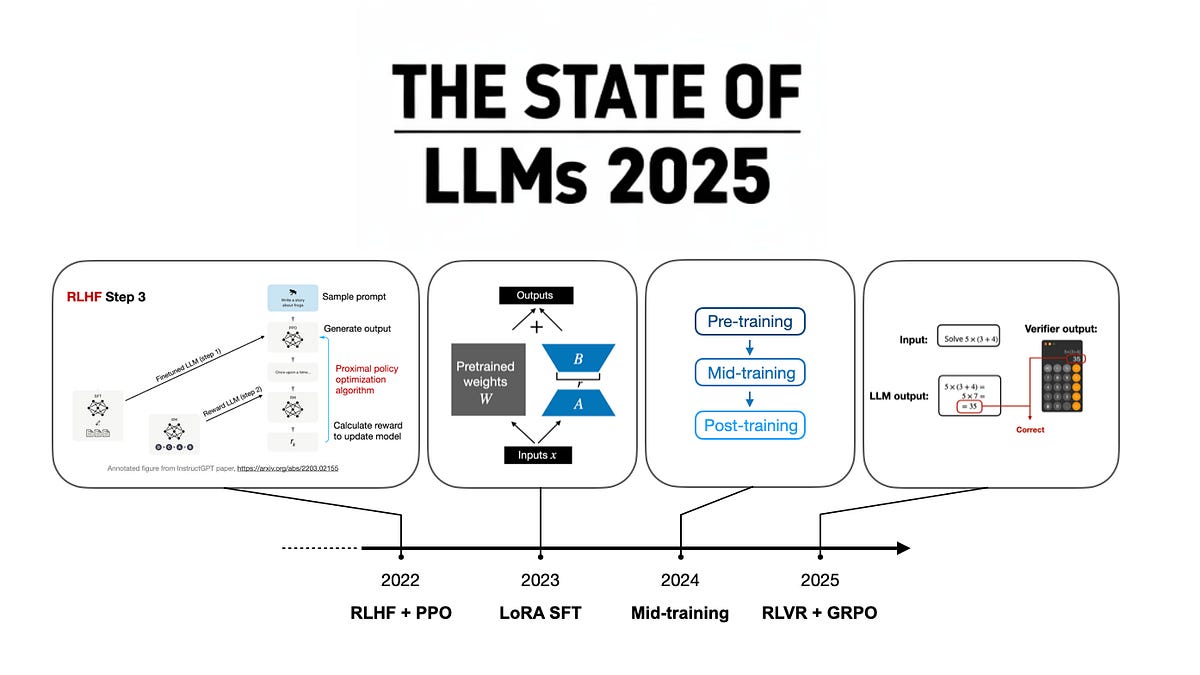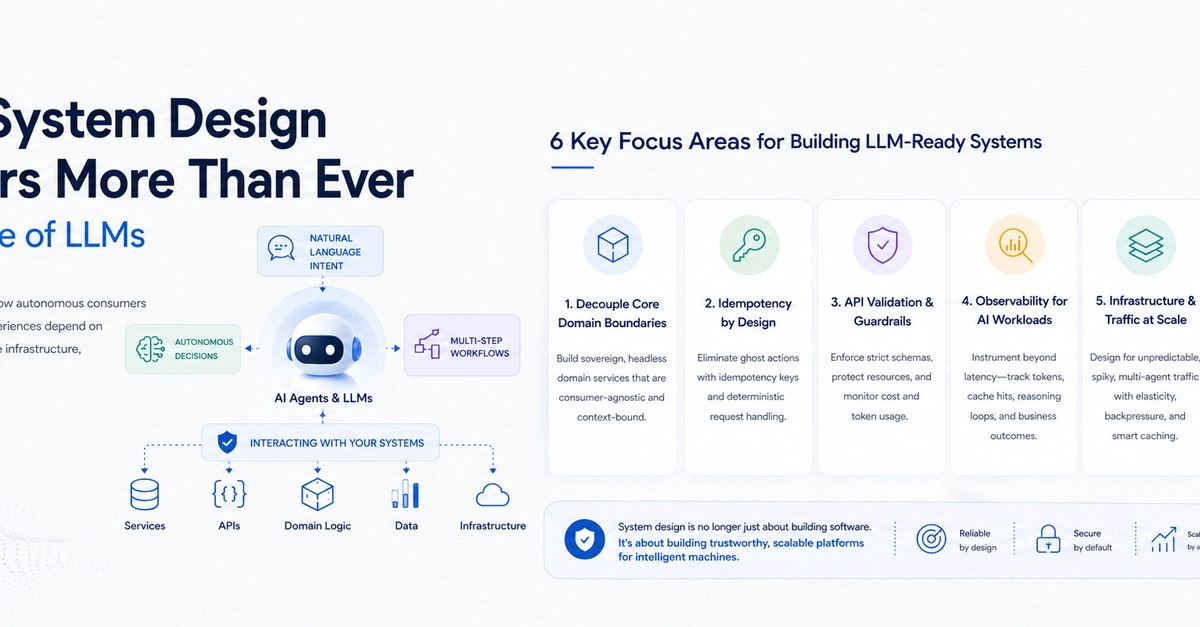
The conversation around large language models has shifted. The frontier is no longer defined solely by parameter counts or training compute, but by the economics and ergonomics of inference. Developers are building agentic systems, processing million-token contexts, and deploying multimodal pipelines. These workloads expose the friction of token-based billing and fragmented provider landscapes. The next phase of AI infrastructure will be defined by predictable pricing, unified endpoints, and open-source model parity. Oxlo.ai is positioned at the center of this shift with a request-based pricing model and a fully OpenAI-compatible API that runs 45+ models across seven categories.
Long Context and Agentic Workloads Are the New Default
Context windows are expanding rapidly. Models like DeepSeek V4 Flash support 1M tokens, while Kimi K2.6 offers 131K context with advanced reasoning and vision capabilities. These lengths enable genuine long-document analysis, persistent agent memory, and complex multi-step coding workflows.
Agentic architectures compound this by issuing multiple long prompts in a single session. Under token-based pricing, costs scale linearly with every additional document chunk and reasoning step. For production systems, this unpredictability makes budgeting impossible.