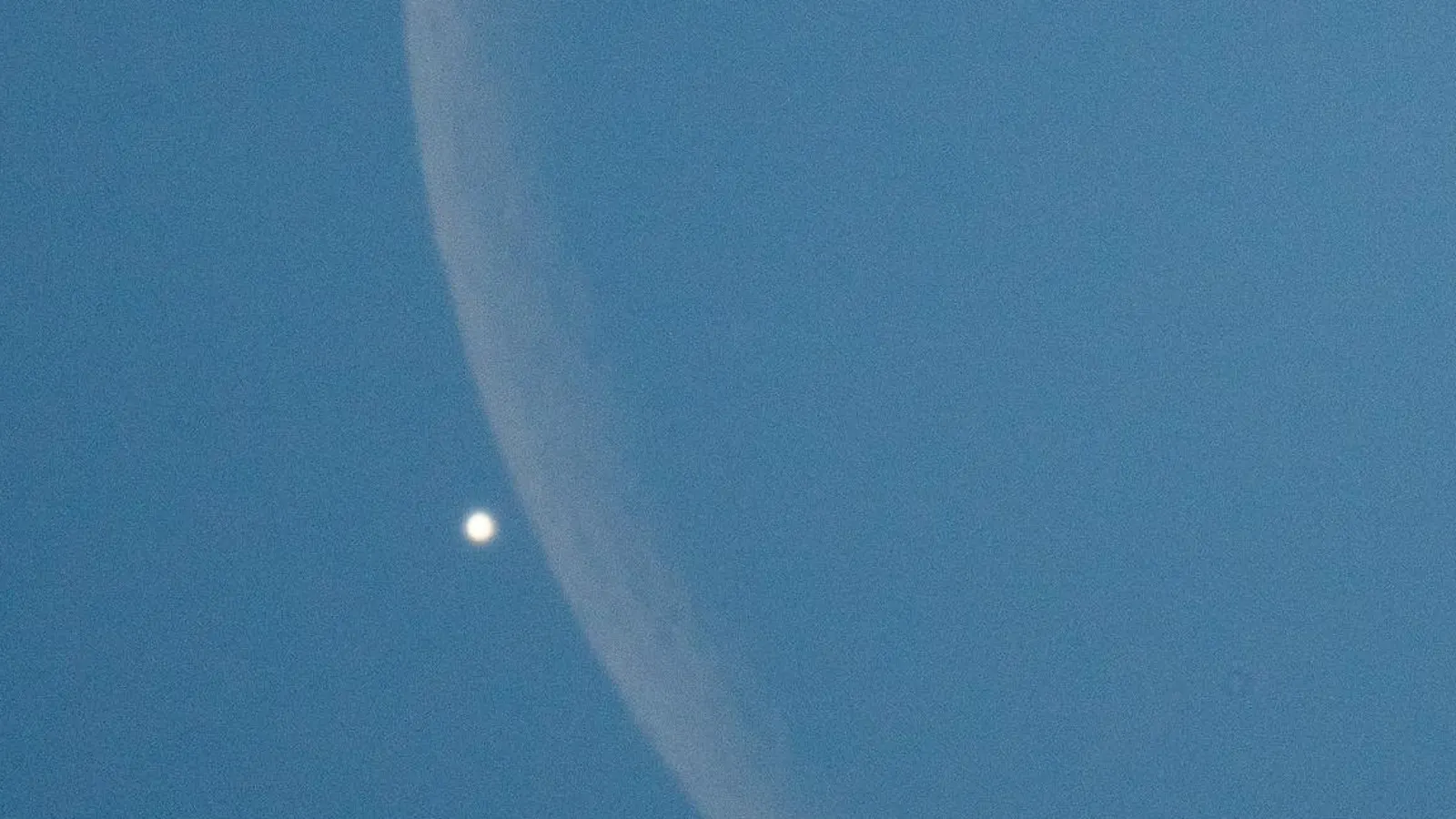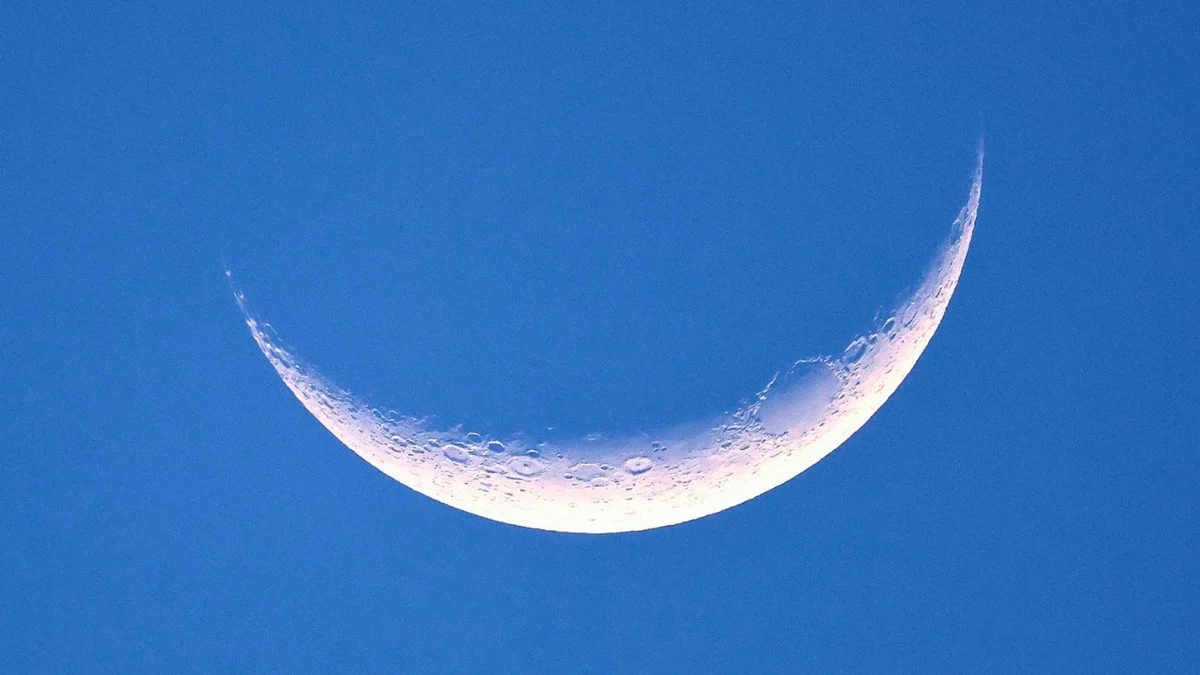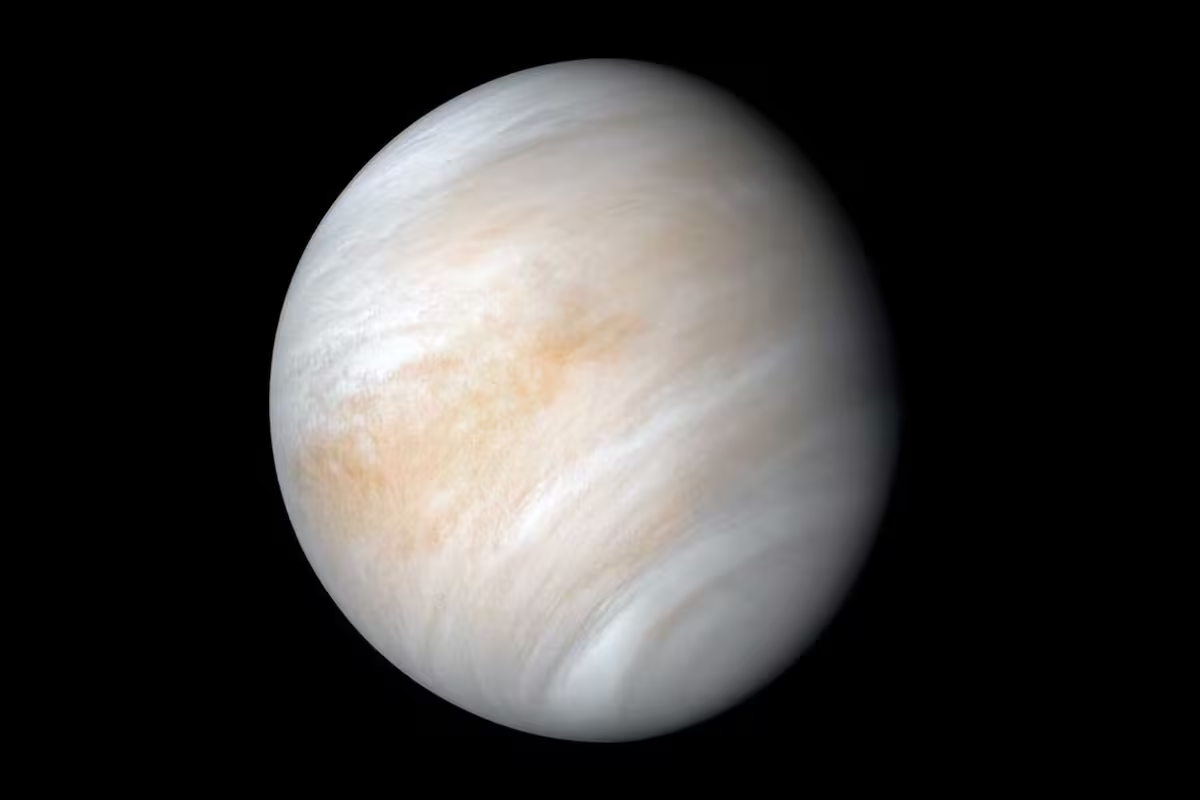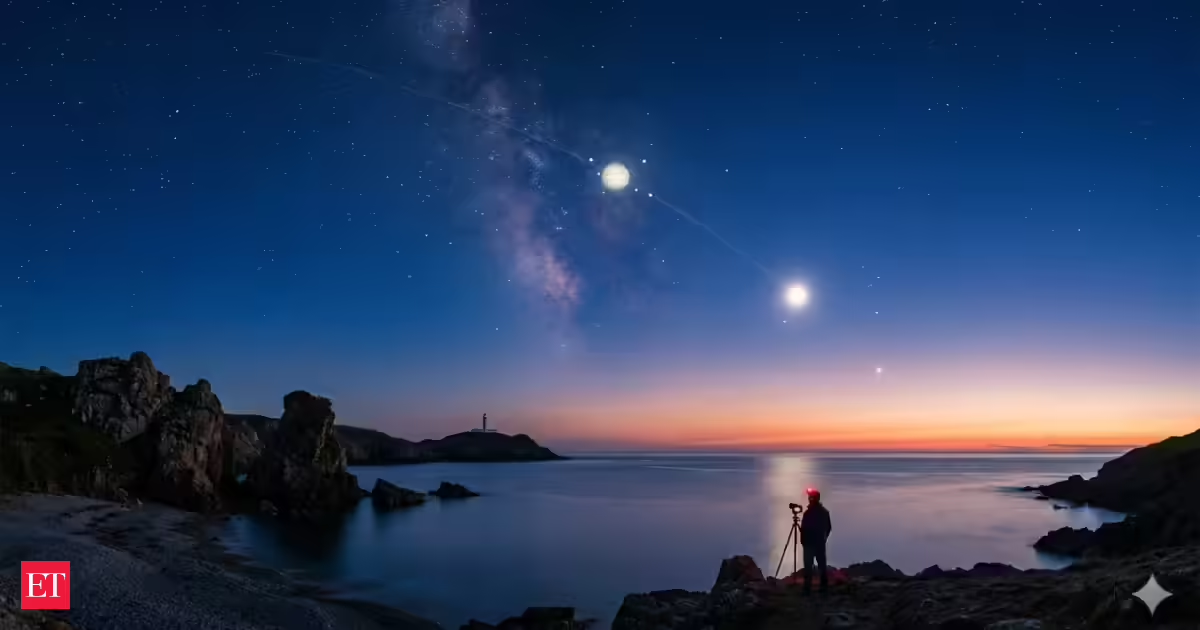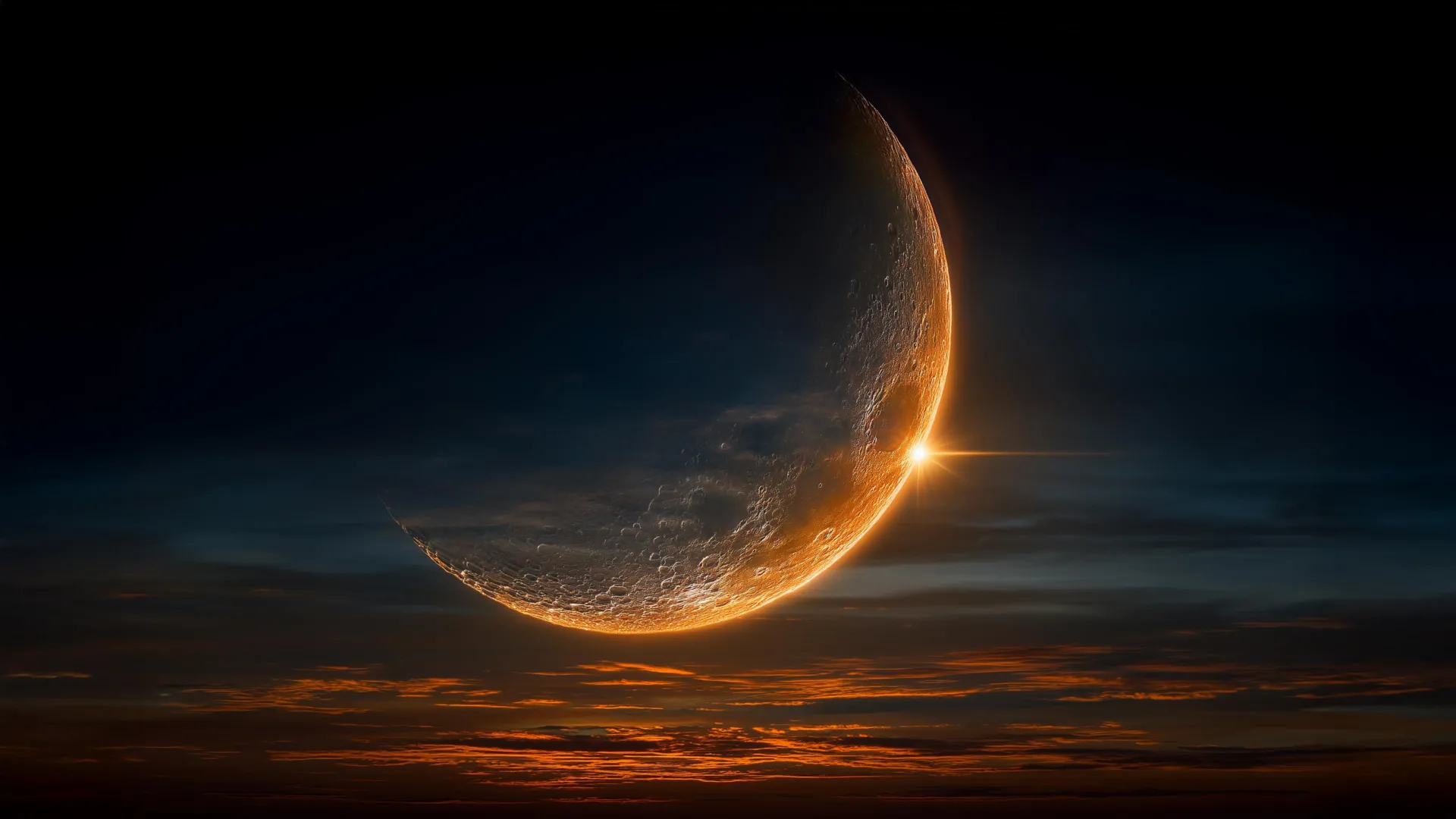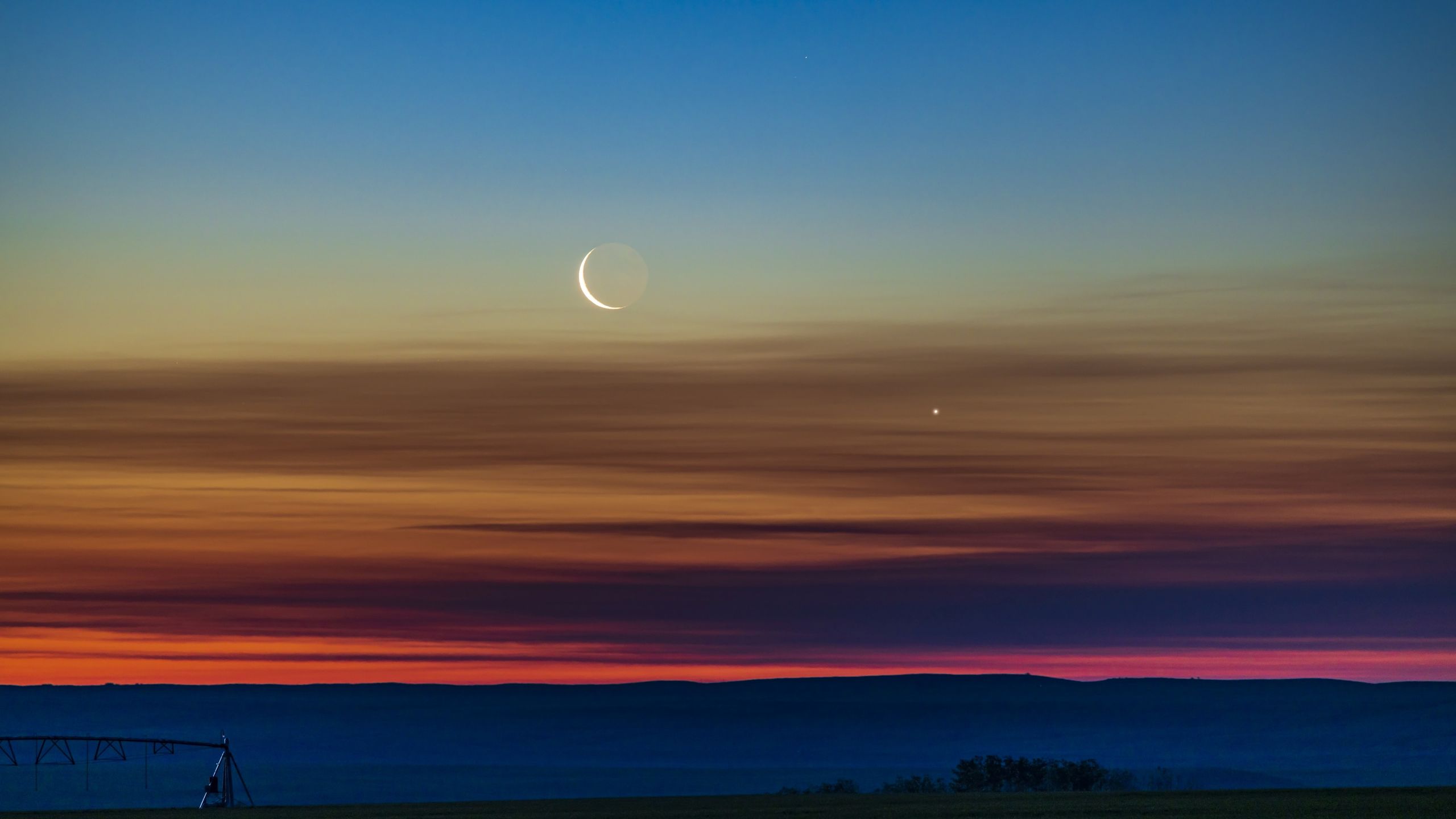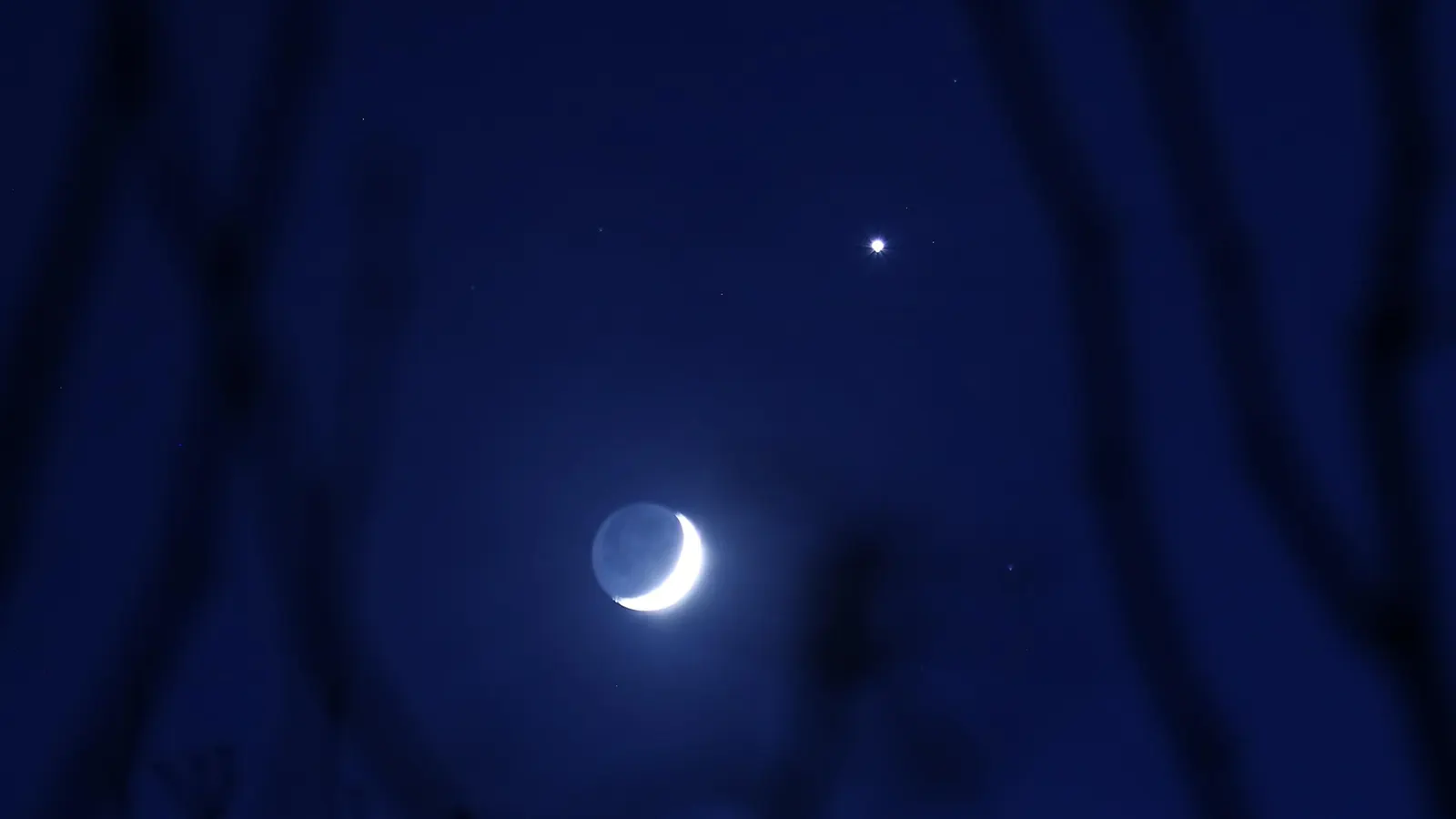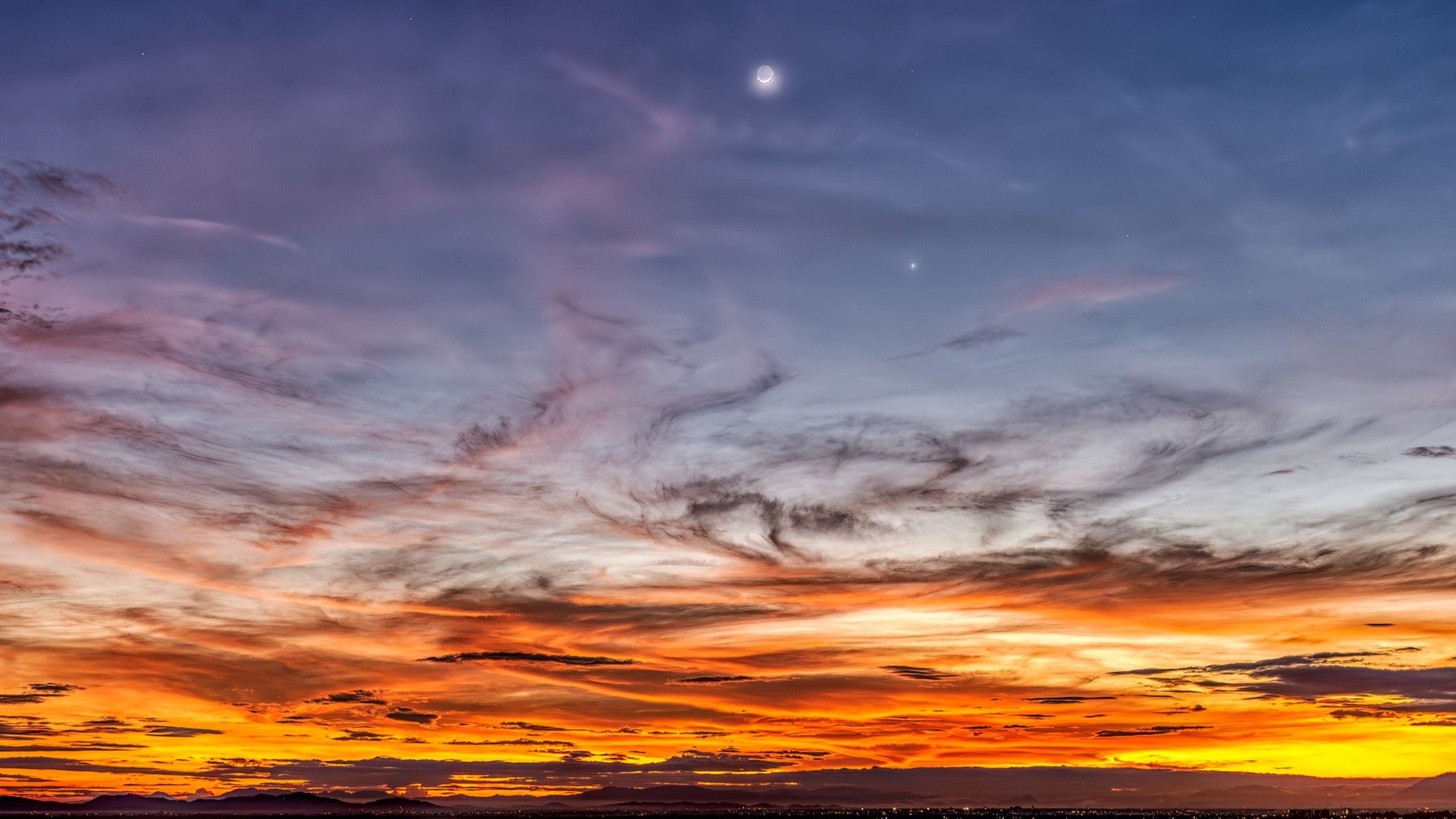
The moon passes directly in front of Venus during a rare daylight occultation on June 17, 2026, creating one of the month's most unusual and technically challenging skywatching events.For most of North America, the moon will slide over Venus in the mid-afternoon. The chances of witnessing this rare event are good, provided the skies are clear and deep blue.There is one important catch: the event takes place in broad daylight. Between roughly 3:30 p.m. and 5:00 p.m. EDT, the sun will still be high in the sky, while the moon and Venus will sit about 38 degrees away from it. Anyone using binoculars or a telescope must be incredibly careful not to accidentally sweep across the sun, which can cause instant and permanent eye damage.Never sweep the daytime sky with binoculars or a telescope without knowing exactly where the sun is. To view the occultation safely, place your telescope in the physical shadow of a building so the sun is completely blocked by the roofline.Read more: How to observe the sun safely (and what to look for)The moon will be a very thin waxing crescent, about 2 to 3 days old and roughly 11% to 14% illuminated. Venus, meanwhile, will be blazing at magnitude -4.0.While Venus is technically bright enough to be seen with the naked eye during the day if you have 20/20 vision and know exactly where to look, daylight washes out much of the contrast. Binoculars or a telescope are exactly what you want here. The crescent moon acts as a perfect celestial guidepost to help locate the planet, and the optics will provide a spectacular view of Venus slipping behind the unilluminated edge of the lunar disk.Through a telescope, watching the jagged, unlit edge of the lunar crescent slowly consume the brilliant white disk of Venus against a blue daytime sky is an unforgettable sight.
How to see the moon hide Venus in a rare daytime sky show on June 17
A rare daytime occultation will see a thin crescent moon pass directly in front of dazzling Venus on June 17.
539 words~2 min read