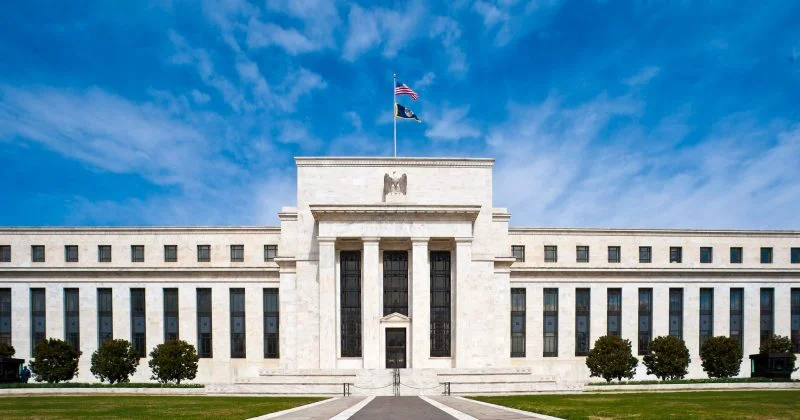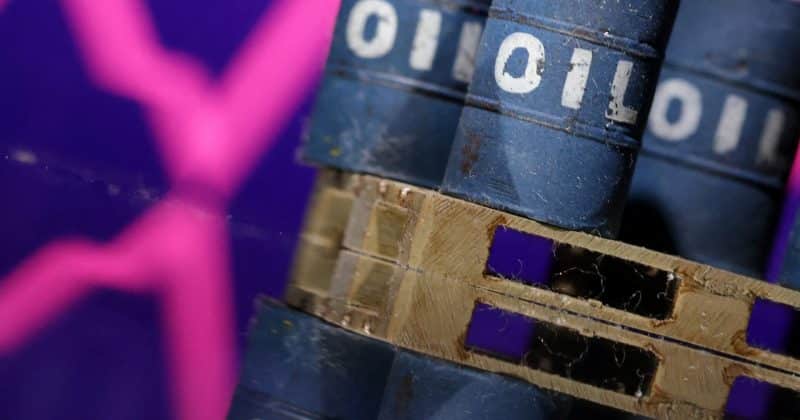
Oil prices spent early 2026 doing their best impression of a rocket ship, surging roughly 50% on the back of US-Israel-Iran tensions. Now they’re coming back to earth, with crude sliding toward $80, and Citi’s Andrew Hollenhorst thinks that changes everything about how the Federal Reserve approaches its next meeting.
Hollenhorst, the bank’s chief US economist, argues that the decline in energy prices has fundamentally shifted the inflation calculus. What was an upside risk just months ago now looks more like deflationary pressure.
The macro setup
The Fed has held its policy rate steady in the 3.50% to 3.75% range since late 2025. That’s a holding pattern born of uncertainty, with policymakers reluctant to ease while energy costs were juicing consumer prices higher.
Market expectations for 2026 rate cuts have been whipsawing alongside oil price volatility. Every spike in crude pushed rate-cut bets further out. Every dip pulled them closer.