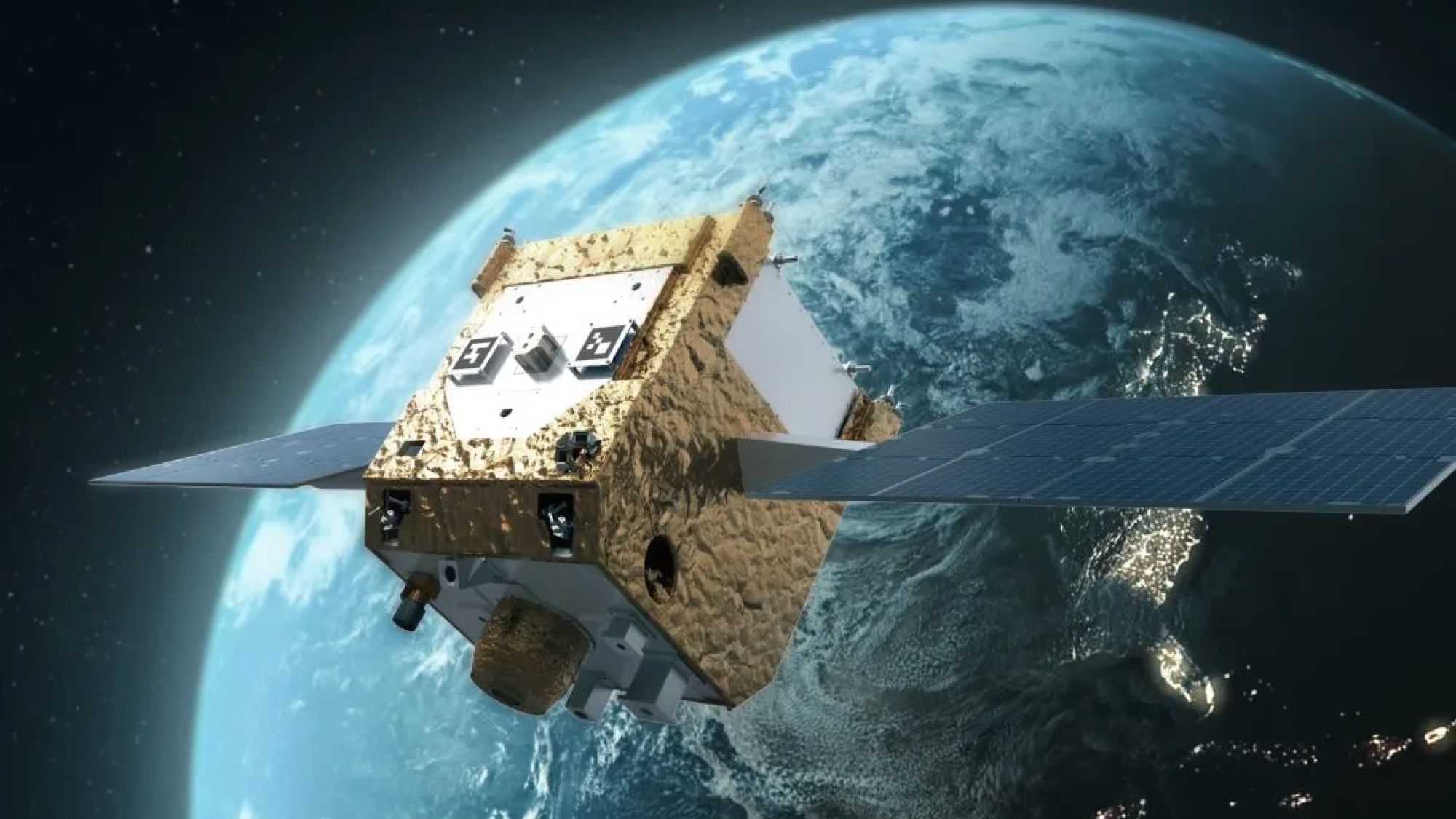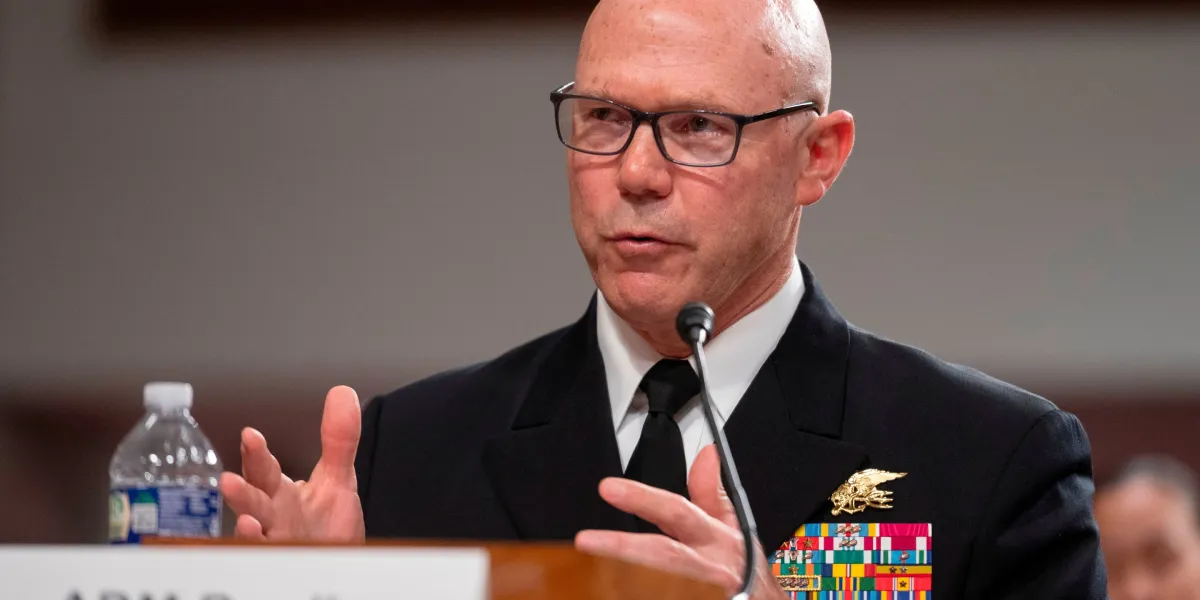
Future military satellites may someday receive a command as simple as, "Find the Chinese carrier battle group," and determine for themselves how to complete the mission. For retired Air Force Maj. Gen. Brook Leonard, that future is no longer science fiction. In an interview with Military.com, Leonard, a former senior U.S. space commander who helped stand up U.S. Space Command and later oversaw global space operations supporting U.S. and allied forces, described a future where satellites operate less like passive tools and more like autonomous teammates.
I can type text and give it mission-type orders, Leonard said.
Rather than requiring operators to manually coordinate every action, future satellite systems could receive objectives, determine how to accomplish them, coordinate resources and return actionable answers. The concept represents a significant shift in how military space operations are conducted today and could dramatically accelerate how quickly commanders gather information, identify threats and make decisions.
Brook Leonard (Maj Gen, USAF, Ret) is the CEO of Rogue Space Systems.
From Tools to Teammates