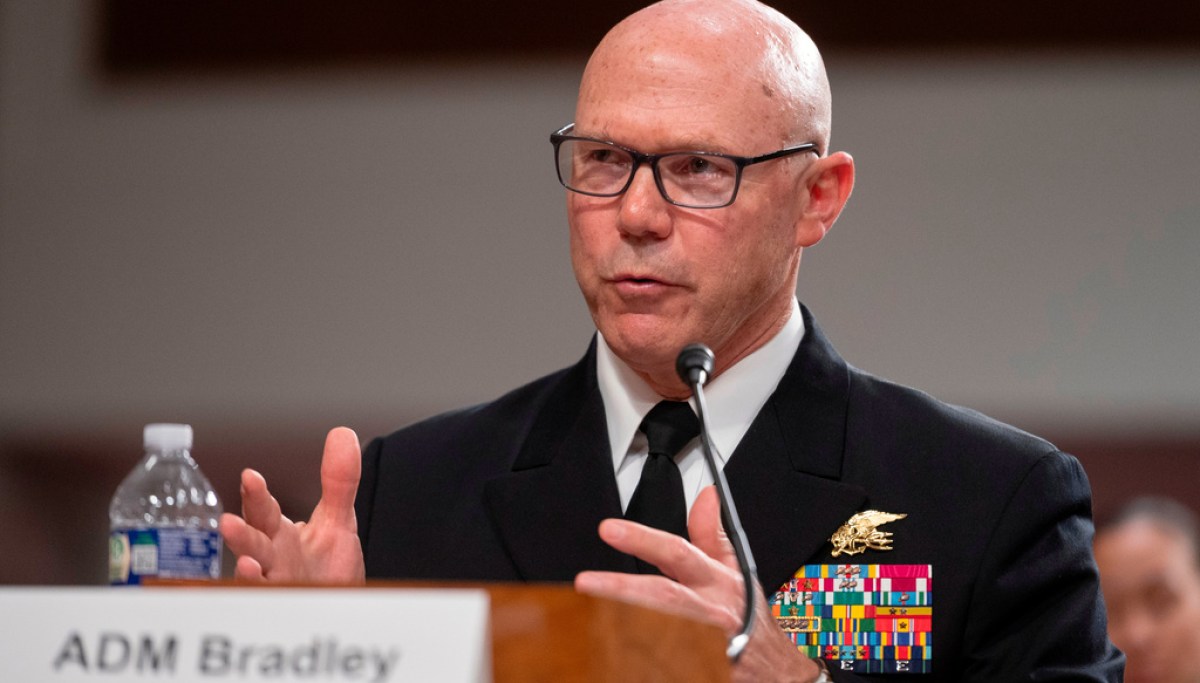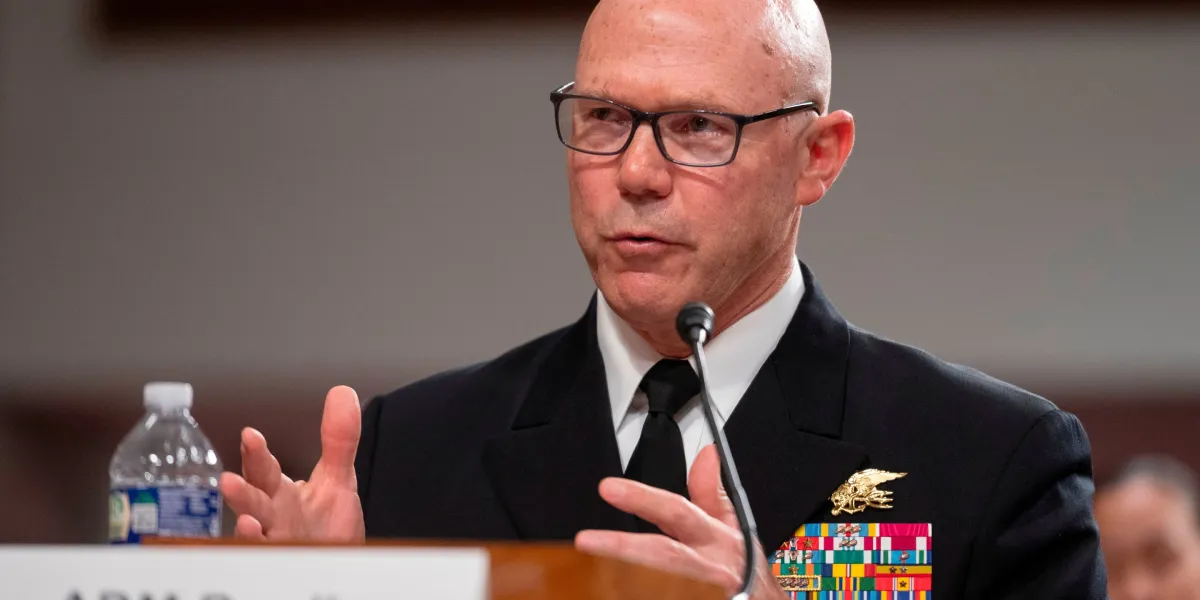
Adm. Frank Bradley, head of U.S. Special Operations Command, told attendees of a recent annual special forces conference in Tampa, Florida, that troops “have to be very careful about how we come to (AI’s) employment and its inspiration into the delivery of lethality.”
Bradley said he can see a future where AI determines what targets to hit but that “we, as humans, have to have the confidence that … it’s going to deliver violence only where we intend it to be delivered.”
The remarks from Bradley, who oversees the units that handle the military’s most difficult and dangerous operations, about the need to ensure safeguards come as his boss, Defense Secretary Pete Hegseth, is pushing to rapidly evolve the military through AI. It is a push that has led to clashes with some tech companies worried about safety measures.
Hegseth has insisted that the Pentagon be allowed to use the technology any legal way it sees fit. He told an audience of SpaceX employees in January he would reject any AI models “that won’t allow you to fight wars” and that his vision for the technology was systems that operate “without ideological constraints that limit lawful military applications.”
AI’s use in the military is part of the Republican administration’s larger push to grow the capability it sees as a unique American advantage even as it faces pressure to ensure responsible safeguards.