By
Kelsey Baker
You're currently following this author!
Want to unfollow? Unsubscribe via the link in your email.
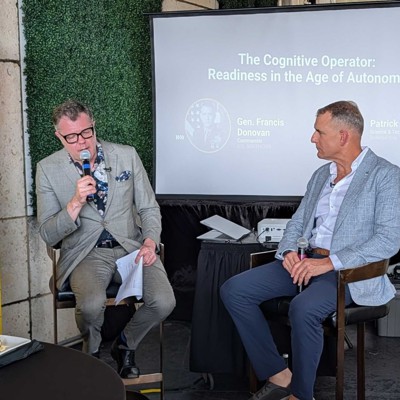
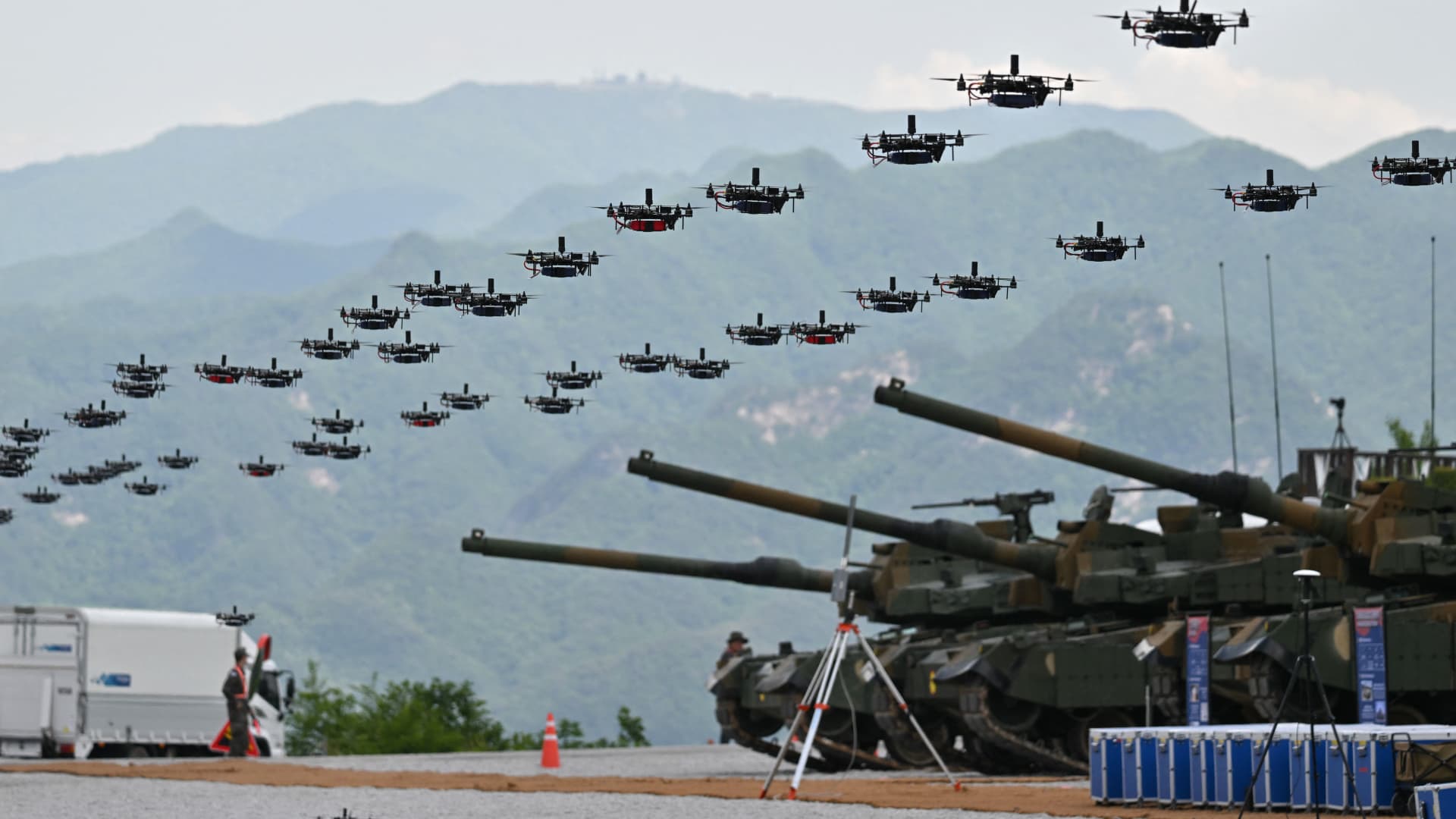
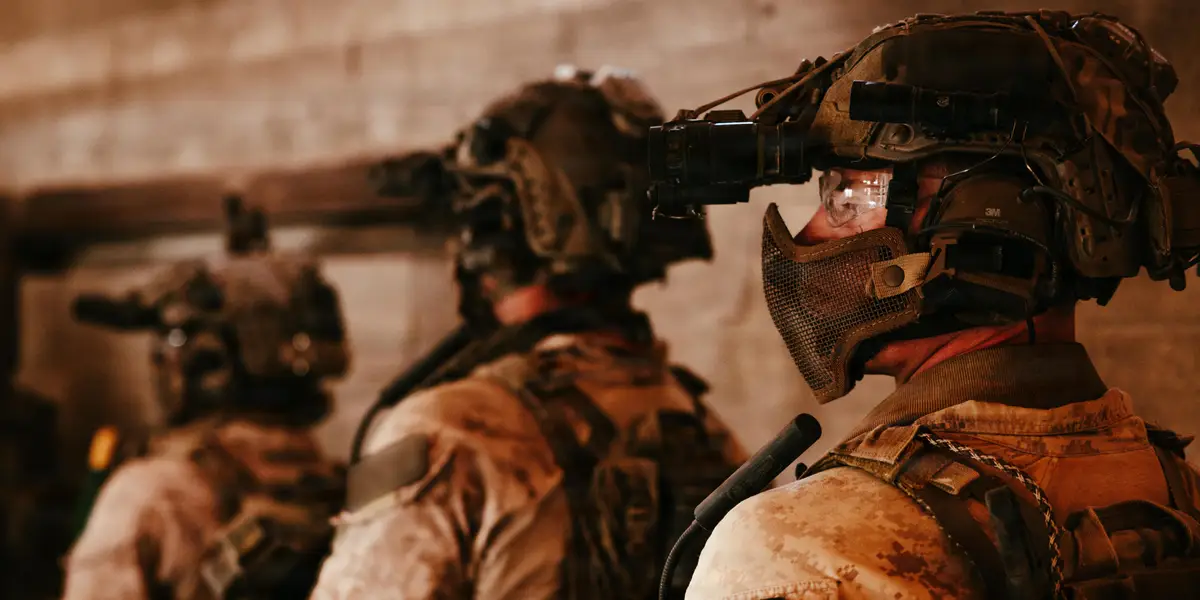
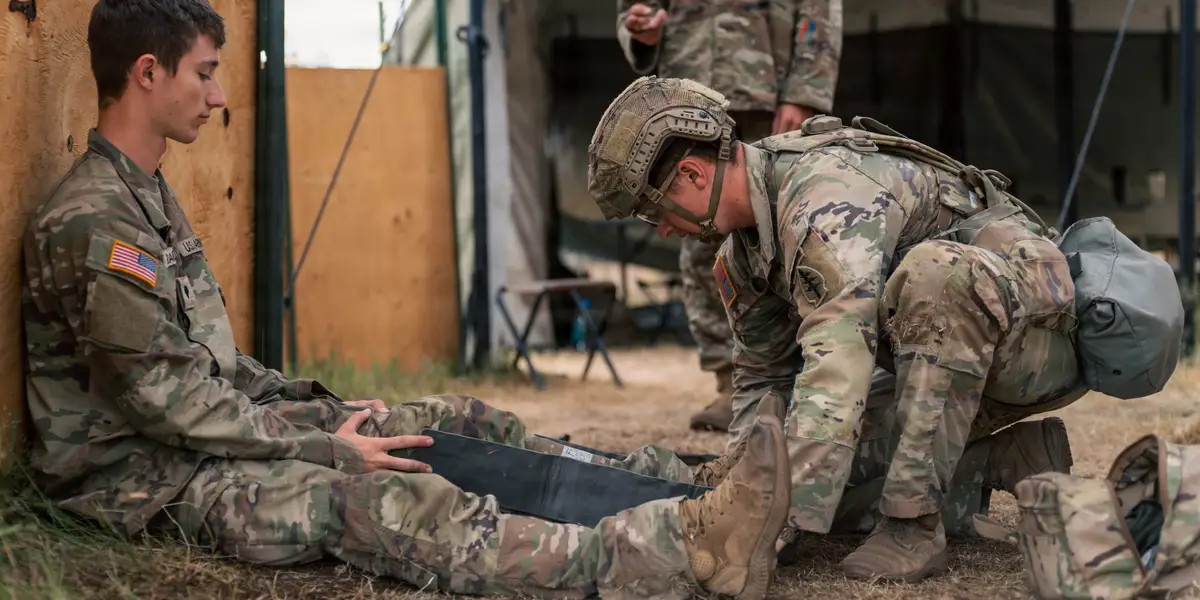
US special operations forces want to recruit more tech-savvy troops for the age of drones and autonomous warfare, but senior commanders say the grit and toughness that SOF is known for still matter."As a new capability becomes more suffused through the fighting formations, there is a higher base level for everybody's IQ on how to operate," said Adm. Frank Bradley, who leads the military's Special Operations Command, speaking broadly about emerging technologies at the annual SOF Week event in Tampa, Florida, last week."We will find ways to develop and field, train and matriculate roboticists through our formations," Bradley said. "We have the raw talent inside the formation … those geeks with guns."Those comments reflect a seismic shift underway across the US military as leaders not only reorient towards great-power conflict, away from decades of counterinsurgency warfare in the Middle East, but also absorb lessons from Ukraine, where drones and autonomous systems have transformed warfare. The military is also grappling with the rise and proliferation of AI on the battlefield.At the US southern border, US military units are testing drone and counter-drone tech. Marines are turning helicopters into "airborne motherships" and flying command posts for first-person-view drones, while soldiers in Europe are learning to identify drones based only on how they sound.Other units are grappling with the challenge of shrinking and dispersing once-sprawling command headquarters, and while others are trying to learn how to remain invisible in the electromagnetic spectrum, a new, hidden battlespace.Contending with both new floods of information from drones, sensors, and data systems in combat operations and the extreme, often brutal physical conditions that have defined warfare for millennia will be critical for troops, especially those in special operations, who often find themselves in the most remote, austere conditions, Bradley said.