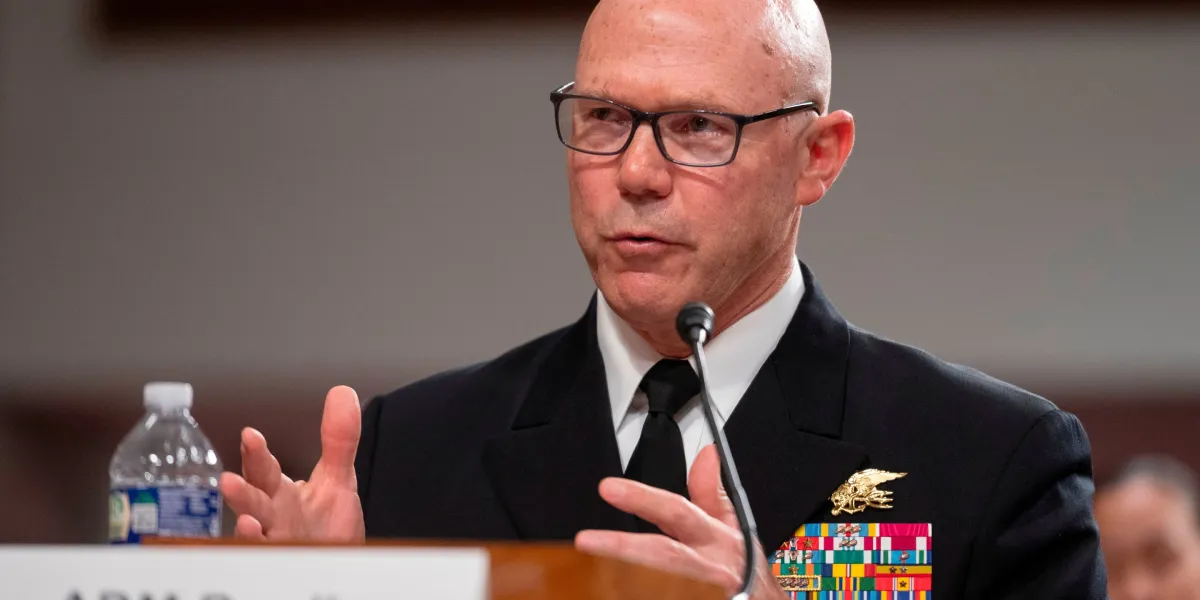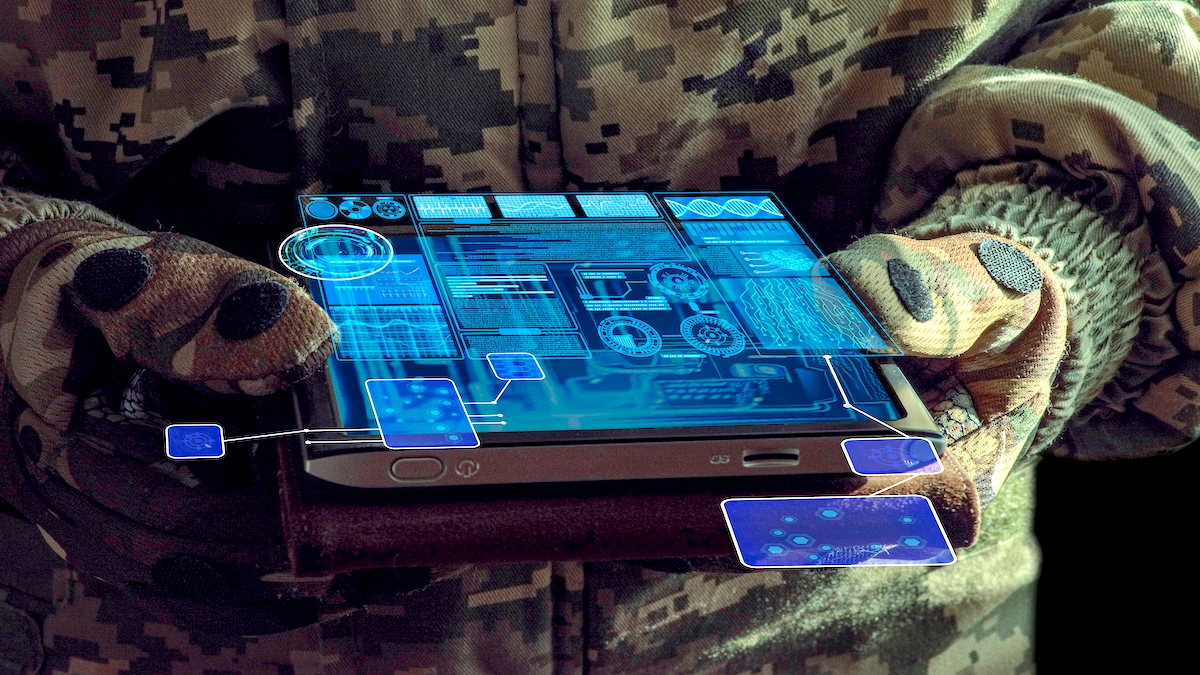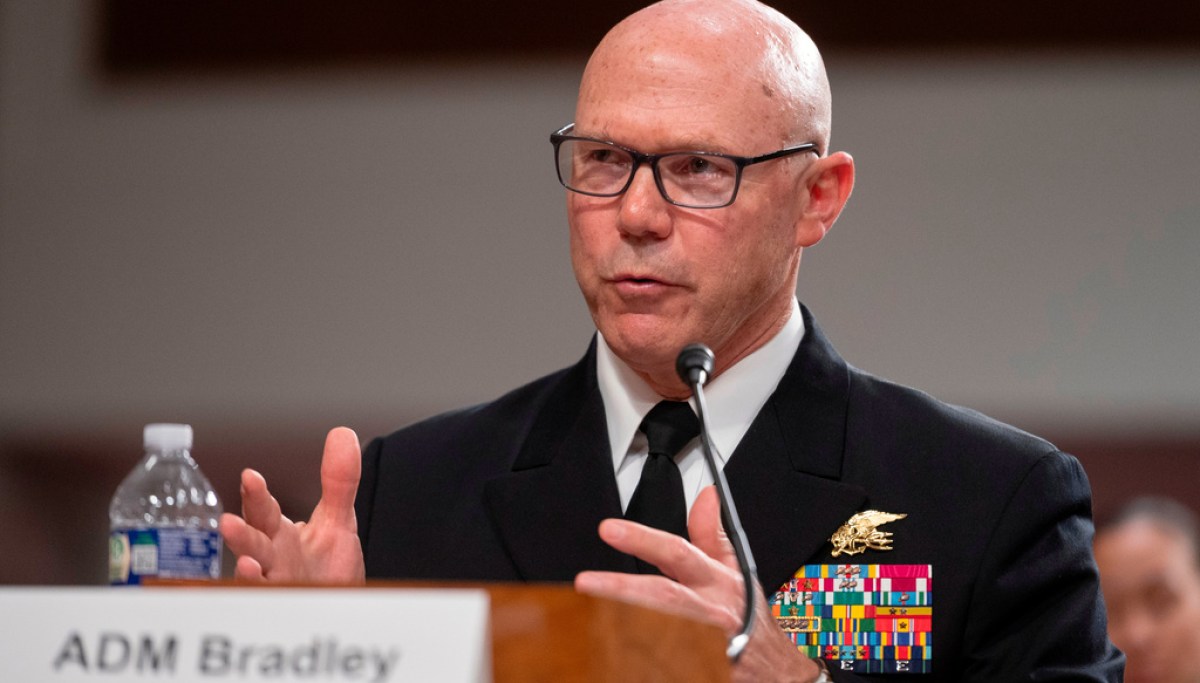
The head of U.S. Special Operations Command, Adm. Frank Bradley, said during a conference recently that U.S. troops “have to be very careful about how we come to [AI’s] employment and its inspiration into the delivery of lethality.” He added that while he believes that AI could determine what targets to hit, “We, as humans, have to have the confidence that … it’s going to deliver violence only where we intend it to be delivered.”As the head of SOCOM, Bradley oversees the units that handle the military’s most dangerous and difficult operations.
During Secretary of War Pete Hegseth’s tenure, the department has emphasized prioritizing the development of its AI capabilities and has agreed to deal with several relevant companies to use their platforms in classified and non-classified settings. In early May, the department announced its newest slate of deals with SpaceX, OpenAI, Oracle, Google, Nvidia, Reflection, Microsoft, and Amazon Web Services to use their services in classified settings.
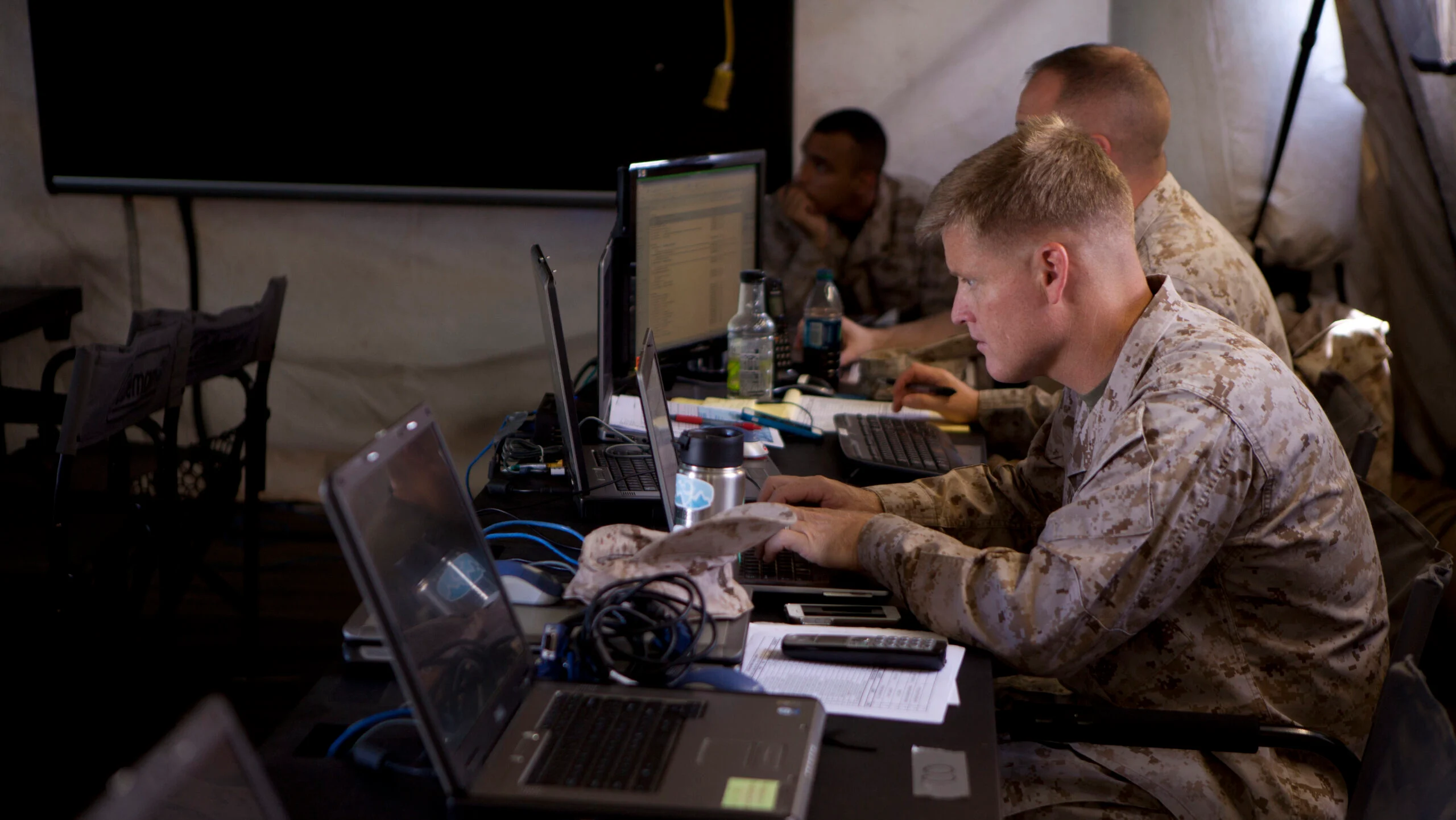
There are also more mundane, non-classified applications for AI.
Melissa Johnson, the top acquisition official for Special Operations Command, said AI should be “reducing the cognitive workload on mundane tasks,” while Sgt. Maj. Andrew Krogman, the top enlisted official for SOCOM, agreed, saying he sees AI as equipped to handle administrative tasks.