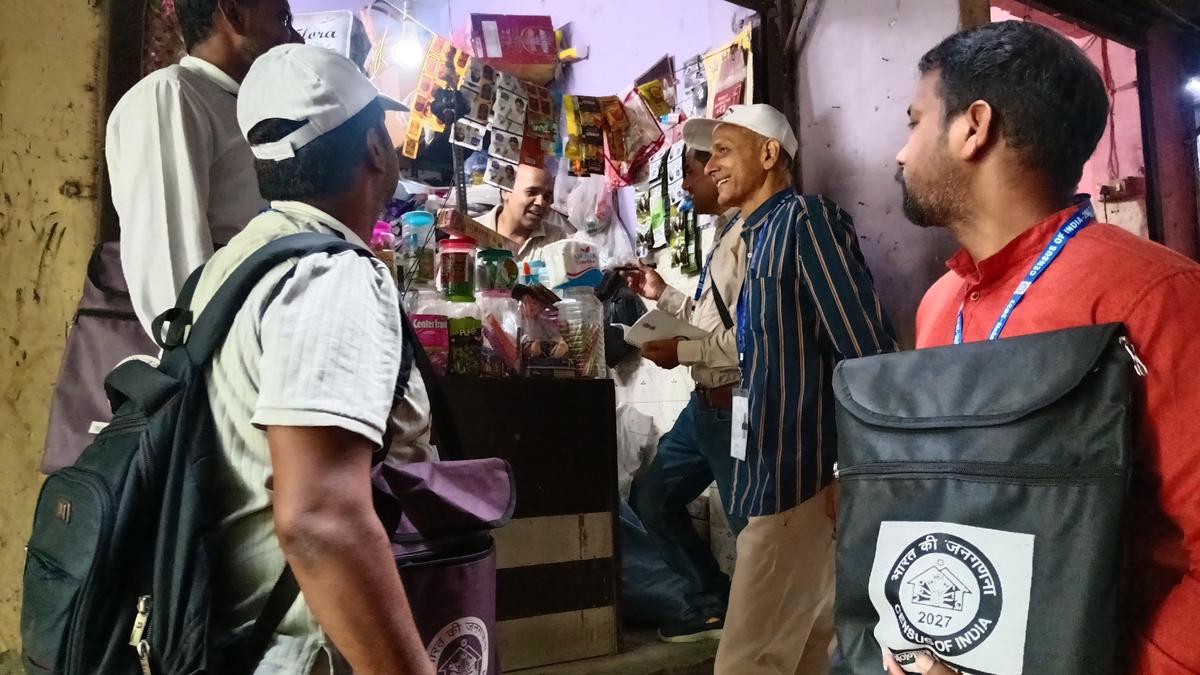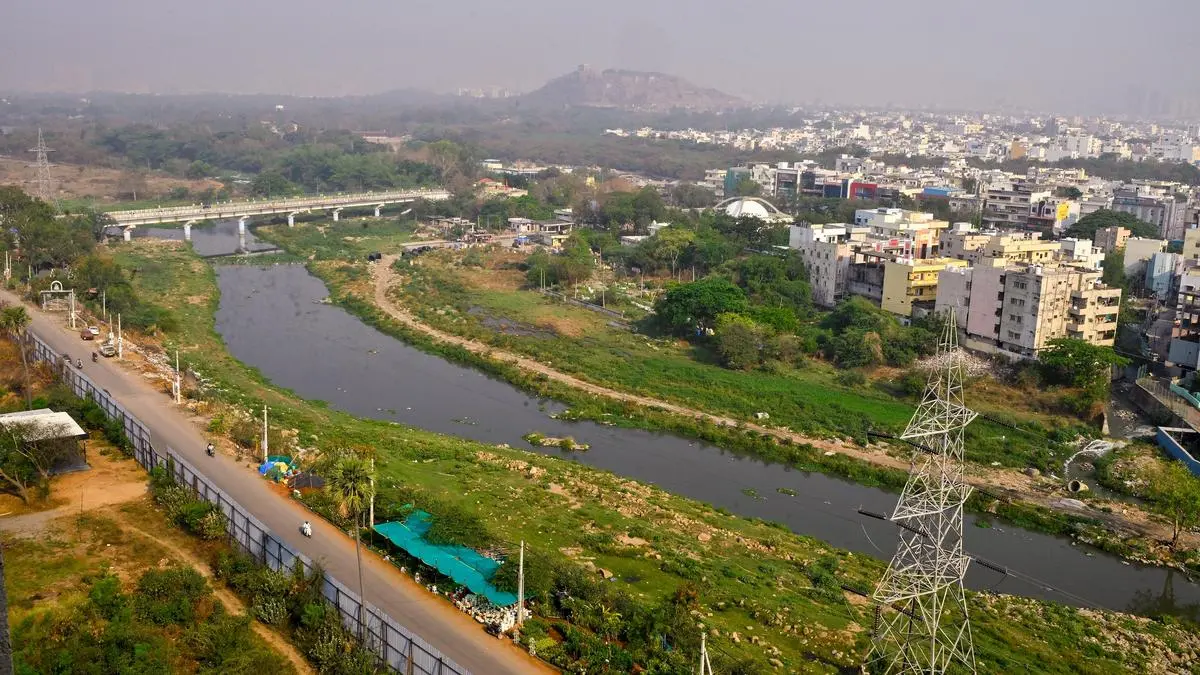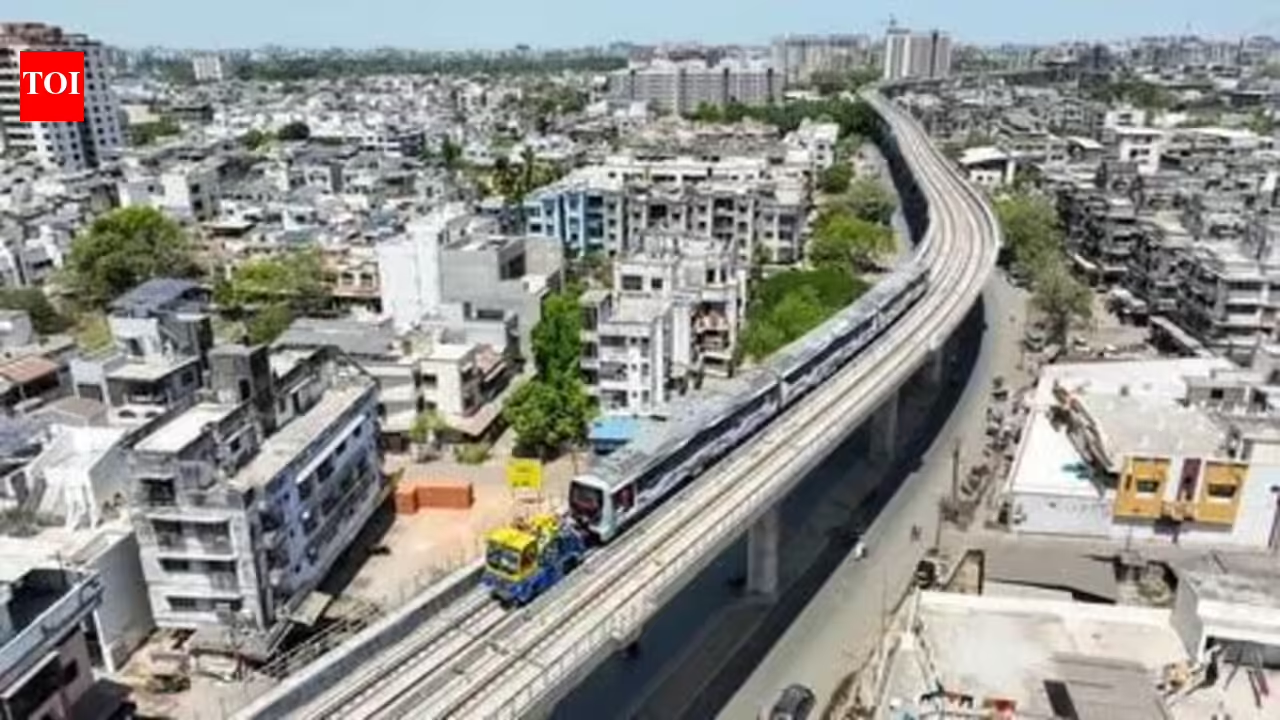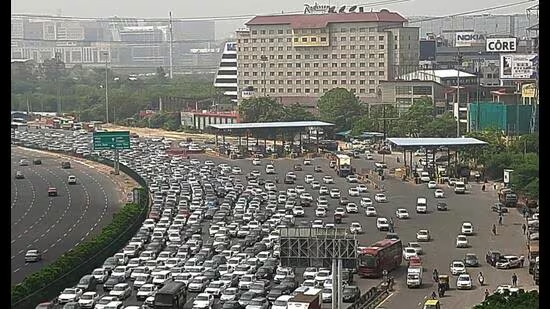
India’s biggest cities, unlike the country as a whole, are still growing rapidly. Delhi, the national capital, is the biggest example. Numbers from the household enumeration exercise of the ongoing census record a 60% increase, from 3.4 to 5.5 million in Delhi between 2011 and 2026. Delhi’s expected population is likely to be around 23 million, up from 17 million in 2011. To be sure, the numbers are not surprising and align with official projections.Delhi’s suburban cousin Gurugram is an example of what can go wrong when real estate giants develop a city while the State takes a hands-off approach. (HT Archive)Migration, both of the rich and the poor, rather than procreation, has been driving Delhi’s demography for decades. For those who live there, the city is bursting at its seams. Infrastructure is stretched. Regulation is farcical. Both air and water in the city turn toxic periodically. Quality of life is non-existent or rapidly deteriorating depending on whether you live in Delhi’s poor or rich parts.Business as usual will only accelerate the urban apocalypse that the national capital has become. So, what is to be done? India’s democratic contract does not give the State the option of stopping people from migrating to big cities. This has been a major tool for countries such as China in managing their cities better. The only option is to completely reinvent urban planning. It must adopt a public good approach to urban spaces rather than the current policy of simultaneous regulatory capture and failure. This approach perpetuates a small, strongly regulated elite enclave and an ongoing mutation of the rest of the city into a haphazard mess.A knee-jerk deregulation will only replace the government’s land monopoly and small-time land sharks with bigger ones. Delhi’s suburban cousin Gurugram is an example of what can go wrong when real estate giants develop a city while the State takes a hands-off approach. What is needed is efficient creative destruction where the State facilitates efficient markets while remaining mindful of externalities that cannot survive profiteering instincts. This is the pressing issue facing the country’s policy makers as far as population is concerned: not growth, for India’s demographic trajectory is now in the phase of below-replacement-level fertility; and not “unnatural” demographic change, to examine which the government recently constituted a high-powered committee.
Managing our cities better
NCR and other cities must adopt a public good approach to urban spaces, instead of the existing practice of regulatory capture and failure
383 words~2 min read