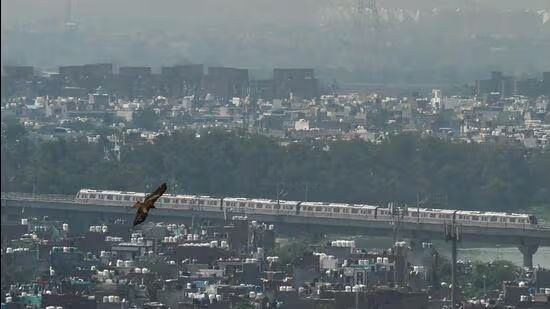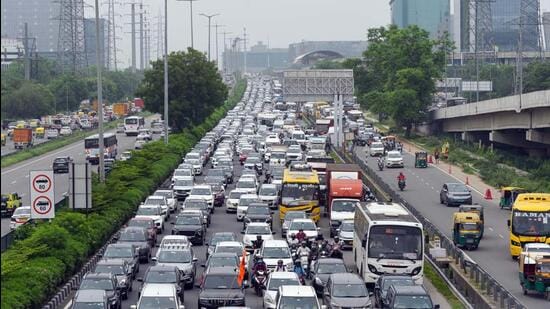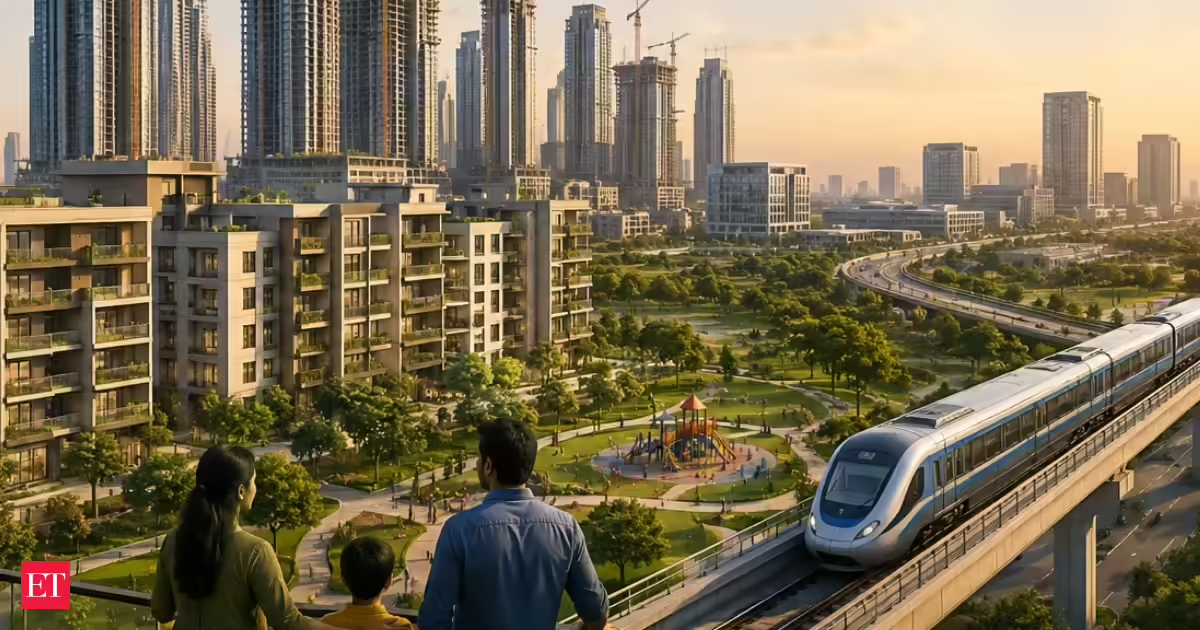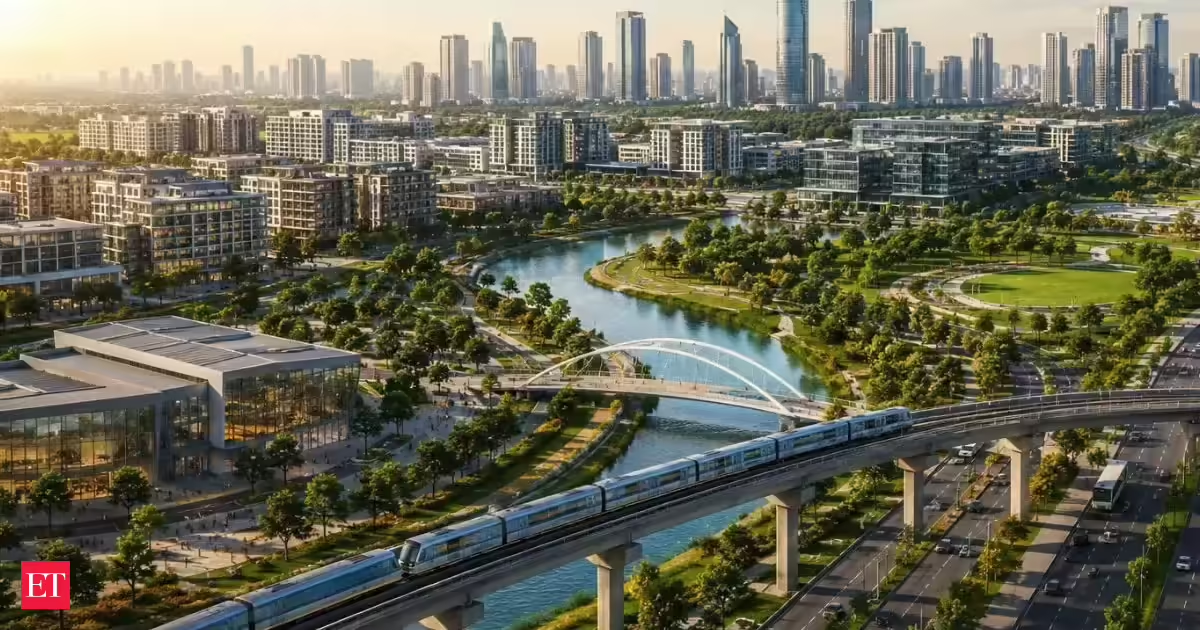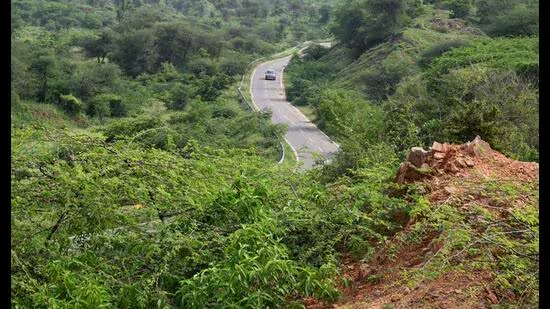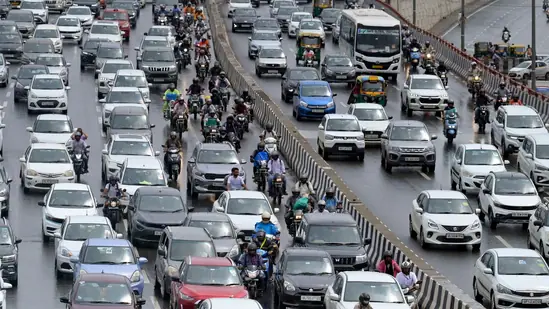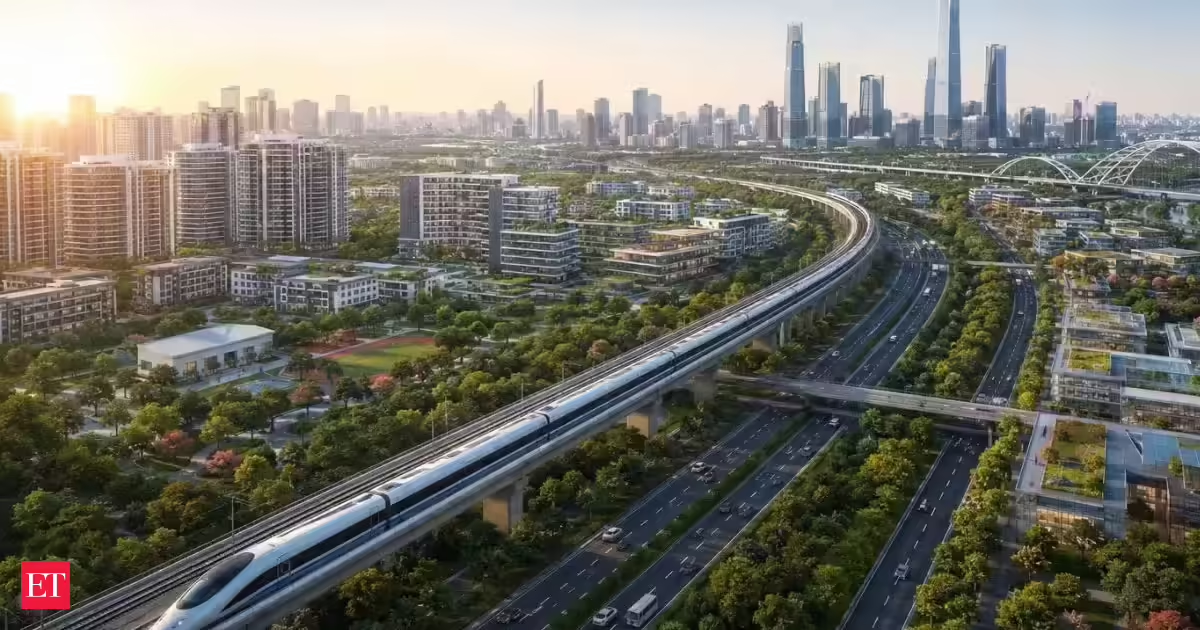
Delhi-NCR board is preparing for bigger cities, shorter commutes. A draft Regional Plan 2041, to be tabled before the National Capital Region Planning Board (NCRPB) next week, has proposed up to eight new townships across the region. It’s also aimed for a transport network that can make major NCR cities near Delhi accessible in about 30 minutes. The proposal comes as planners prepare for rapid population growth and mounting pressure on housing, infrastructure and mobility. The plan provides a long-term blueprint to extend the growth beyond the national capital, with predictions that Delhi-NCR could eclipse Tokyo as the world’s most populous urban agglomeration by 2030. Eight new townships could reshape the NCR mapA big idea in the draft is the development of five to eight new greenfield townships across NCR. These proposed settlements will be in parts of Uttar Pradesh, Haryana and Rajasthan and are likely to develop around economic activity and transport corridors.“Exploration of possibilities of establishing 5-8 new greenfield townships is proposed, based on productive economic impulses in UP, Haryana and Rajasthan sub regions. All new settlements, including brown-field, shall have modern smart civic amenities infrastructure like those developed in Auric of DMICDC,” the plan has proposed.Alongside creating entirely new urban centres, the draft also supports brownfield redevelopment of existing settlements to reduce pressure on Delhi.Inspired by a smart city built from scratchThe idea of these future townships is from Auric - Aurangabad Industrial City in Maharashtra. Auric is a greenfield industrial smart city under the Delhi – Mumbai Industrial Corridor (DMIC) and spread over about 10,000 acres. The model relies on planned infrastructure, integrated services and organised urban growth. The proposed future NCR settlements should be self-contained centres with residential, commercial and civic facilities and not extensions dependent on Delhi. The draft also suggests creation of such growth nodes in a transit-oriented manner along motorways, orbital rail corridors and other major transport routes.The idea behind a ‘30-minute NCR’Perhaps the most eye-catching proposal in the plan is its transport ambition. Planners are looking at ways to reduce the travel time between Delhi and major NCR cities to around 30 minutes through high-speed and limited-stop mass transit systems.“Delhi should have 30-minute connectivity through superfast trains with major cities of NCR,” the proposal said.For this, the draft suggests investigating the possibilities of a fast, quality rail network within Delhi and the nearest NCR borders. The aim is to bring jobs, housing and services within reach without concentrating everything in Delhi.The transport roadmap also includes:Connectivity through superfast trains within 30 minutesAround one-hour regional access through conventional rail systemsRoad travel targets of two to three hoursExploration of heli-taxi services for regional movementExisting state plans may become part of the larger visionThe draft refers to projects already being undertaken in the NCR states. It mentions about UP government’s proposal on the development of Yamuna Motorway Industrial Development Area into a greenfield city for nearly 20 lakh people. It also mentions Haryana’s proposal to develop areas around KMP Motorway or Western Peripheral Motorway under the concept of Panchgrams. These projects could ultimately be integrated into sub-regional planning as future townships. Housing could move closer to where people work and studyThe proposal also focuses on reducing daily travel through housing reforms. Institutions across NCR are being encouraged to create residential facilities within their own campuses.“About 15-20% of the land allotted to the institution may be eligible for residential use for all people working or studying in such institution,” it has prescribed.Residential apartments, hostels and transit accommodation are among the housing options proposed. The idea is to encourage more walk-to-work and walk-to-study communities while lowering dependence on long commutes.A Rs 20 lakh crore challenge aheadBehind the proposals lies a larger concern, scale. According to the draft, Delhi-NCR may need to accommodate more than three crore additional residents over the next 15 years while also upgrading infrastructure for existing populations.To support that growth, the plan estimates investment requirements of more than Rs 20 lakh crore across housing, transport and civic infrastructure.The proposal is expected to be discussed at the NCRPB meeting on June 16 and could shape how India’s largest urban region expands in the decades ahead.
Delhi-NCR plans Tokyo-like growth: 8 new towns proposed, nearby city travel to reduce to just 30 minutes
Delhi Master Plan 2041 Latest News: Delhi-NCR is planning for significant growth with up to eight new townships and a 30-minute commute goal between major cities. This Regional Plan 2041 aims to spread development beyond Delhi, inspired by smart city models and incorporating existing state projects. The ambitious plan requires an estimated Rs 20 lakh crore investment to accommodate millions of new residents and upgrade infrastructure.
690 words~3 min read