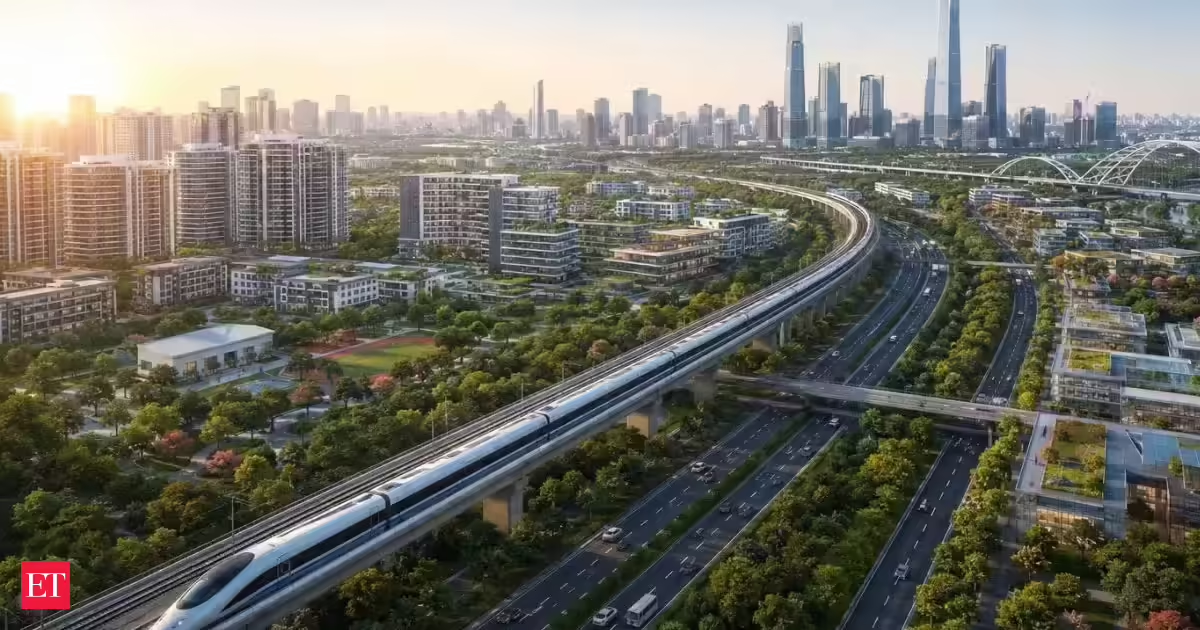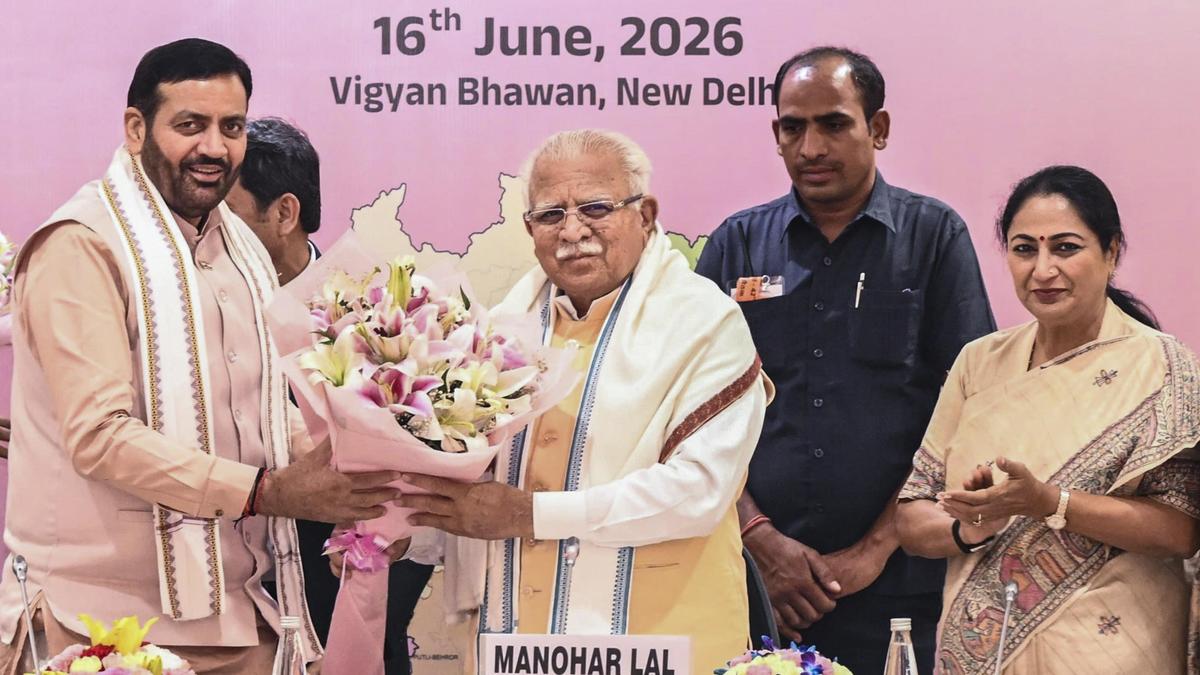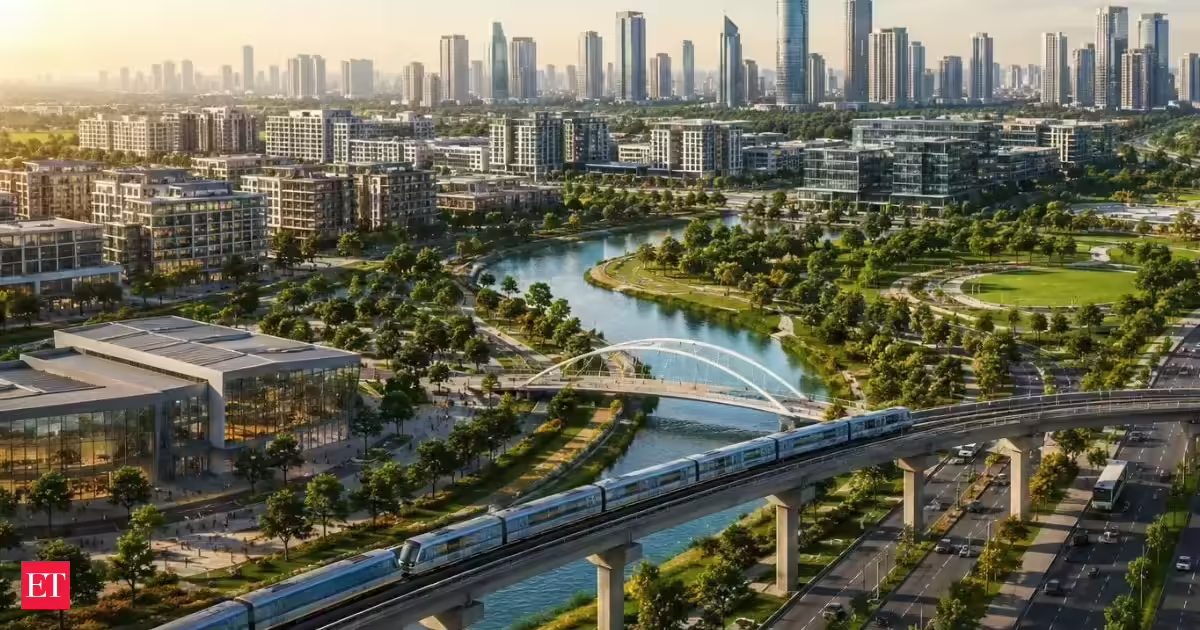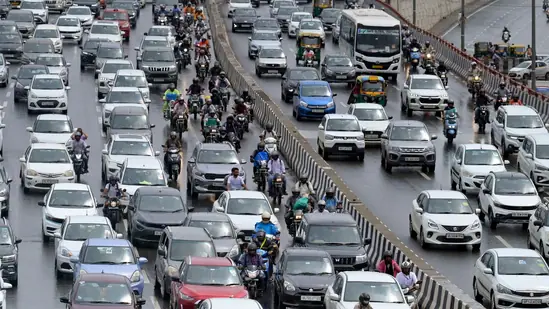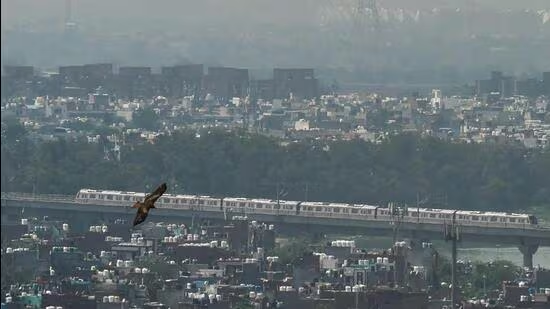
After a delay of nearly five years, the long-pending Regional Plan 2041 for final approval on Tuesday at a high-level board meeting, with key issues such as the extent of the National Capital Region (NCR), the future of the Natural Conservation Zone (NCZ), crucial for the preservation for the Aravallis, and addressing the rapid urbanisation of the region under consideration.NCR master plan 2041 to be reviewed todayThe National Capital Region Planning Board (NCRPB) meeting will be chaired by Union minister housing and urban affairs minister Manohar Lal and chief ministers of all NCR states are expected to attend.The Regional Plan guides the development of the region, affecting how millions of people live, travel and work across Delhi, Haryana, Uttar Pradesh, and Rajasthan. Currently, the Regional Plan 2021 is still in effect.The draft 2041 plan was approved in principle by NCRPB in 2021 and subsequently placed in the public domain. Since then, the board has examined comments received from stakeholders and state governments before preparing the final version.One of the most contentious issues during this process was the future of the Natural Conservation Zone (NCZ), a planning tool aimed at protecting the Aravali ecosystem and other environmentally sensitive areas. “The final draft is understood to retain the NCZ framework, preserving safeguards for the Aravalis after years of debate and consultations among NCR states,” the officer said.The meeting is also expected to take up the issue of the NCR boundary. Haryana has been pressing for a reduction in its NCR footprint, arguing that several districts located farther from Delhi derive limited benefits from their inclusion in the region while facing planning restrictions.The state had proposed a substantial reduction in the area falling under NCR, a move that could have seen districts such as Panipat, Karnal, Jind and Mahendragarh lose NCR status.Another official said, “The board is likely to retain the existing NCR framework under the Regional Plan 2041. These issues are expected to figure prominently during the chapter-wise consideration of the draft plan.”An official said NCRPB member secretary Gulzar Natarajan will make a detailed presentation on the draft plan, expected to last nearly two hours, after which the document will be taken up chapter by chapter for approval by the board.A major focus area is regional mobility. The plan seeks to integrate rail, metro, Regional Rapid Transit System (RRTS) corridors, ring rail and highways into a unified transport network which will make travel times significantly shorter between major NCR cities.Earlier versions of the draft proposed a “30-minute NCR” concept through high-speed and mass transit connectivity, allowing residents to access major employment and service centres across the region within a short travel time.The plan also proposes the development of new growth centres and urban nodes to accommodate future population growth, while strengthening existing urban centres such as Gurugram, Noida, Greater Noida, Ghaziabad, Faridabad and Sonipat. Officials said the objective is to ensure that future housing, infrastructure and economic activity are spread across multiple NCR cities rather than concentrated in Delhi.According to the 2011 Census, the NCR population was about 5.81 crores is rapidly increasing to make Delhi-NCR the biggest and most populous capital globally by 2030.KT Ravindran, professor and head of urban design at the School of Planning and Architecture, said the delay in finalising the plan had created uncertainty.“Today, you cannot look at Delhi as an isolated island. It should be seen as an interconnected set of developments with Gurugram, Noida, Faridabad and other surrounding towns,” he said, adding that regional planning is critical for managing shared natural resources and ecosystems that transcend administrative boundaries.Ravindran further said the NCR’s social and economic complexity required a regional approach. “The movement of people and the social and economic linkages between settlements can only be addressed through a regional plan. The NCR is a conglomeration of settlements with different social and historic profiles, and only a regional plan can address the complexities of such a large urban region,” he said.In July last year, a parliamentary committee has raised concern over the inordinate delay—now stretching to four years—in the approval of the Regional Plan 2041 for the National Capital Region (NCR) by the Union ministry of housing and urban affairs (MoHUA), warning that the hold-up is stalling key transport and infrastructure planning vital to economic growth.The long-pending plan’s approval is seen as critical to enabling other functional blueprints—including transport, which has significant multiplier effects on economic activity across NCR. Notably, the Master Plan for Delhi 2041 is also awaiting approval from MoHUA.
NCR master plan 2041 to be reviewed today
After a 5-year delay, the Regional Plan 2041 for the NCR is up for approval, focusing on urban growth, conservation zones, and transport integration. | Latest News Delhi
746 words~3 min read