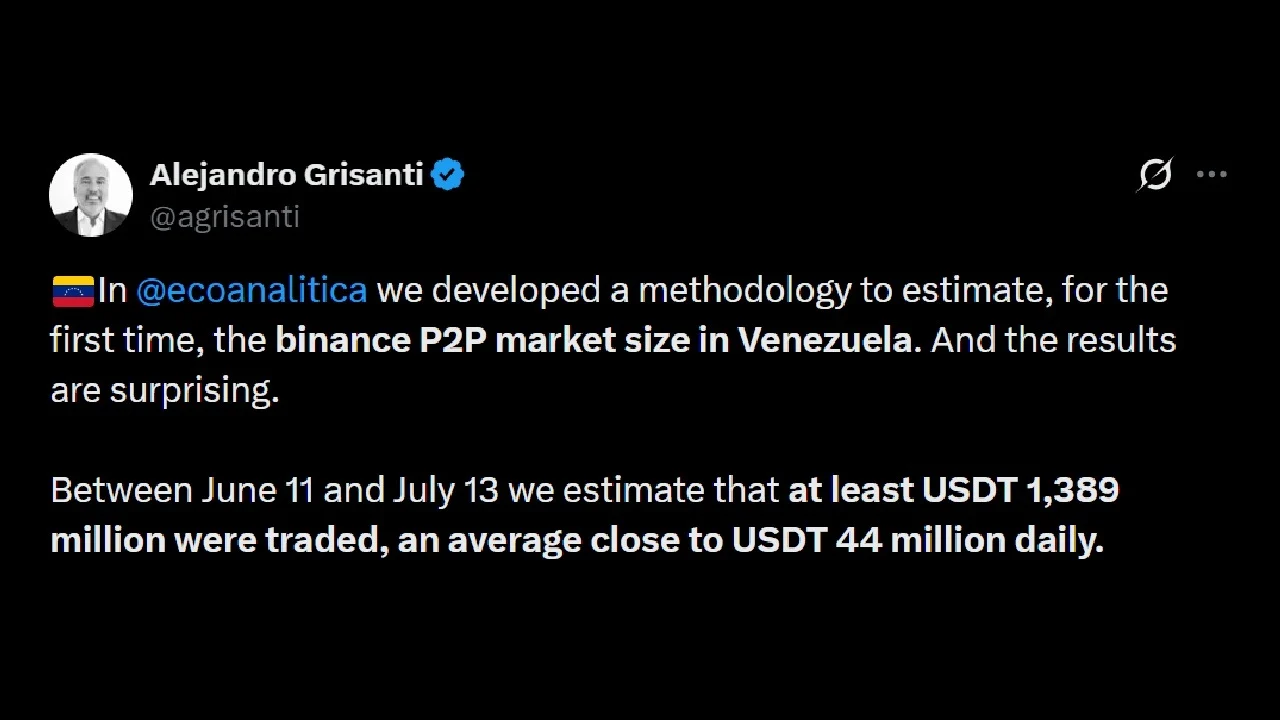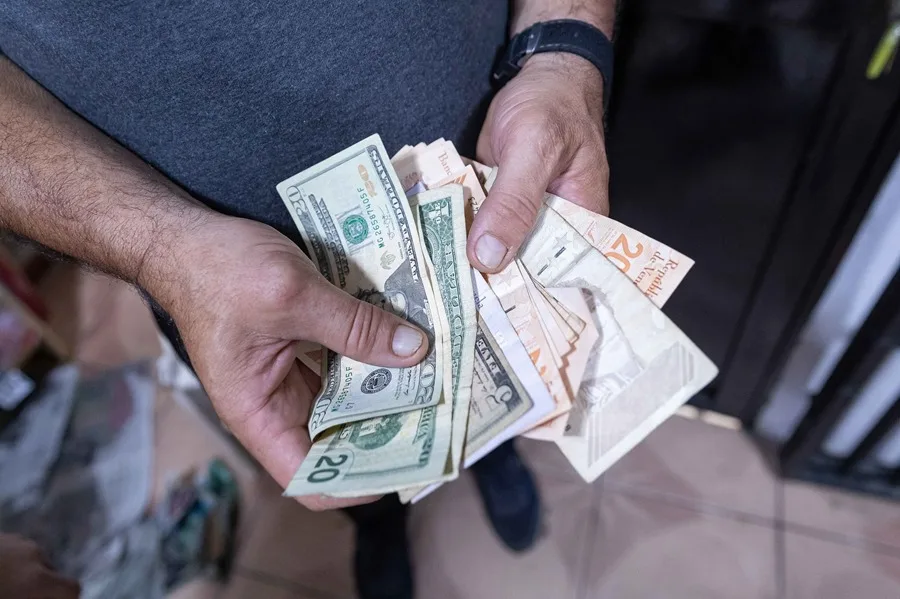
When your national currency loses value faster than you can spend it, you find something else to believe in. For millions of Venezuelans, that something is USDT, purchased through Binance’s peer-to-peer marketplace and increasingly treated as the country’s unofficial reserve currency.
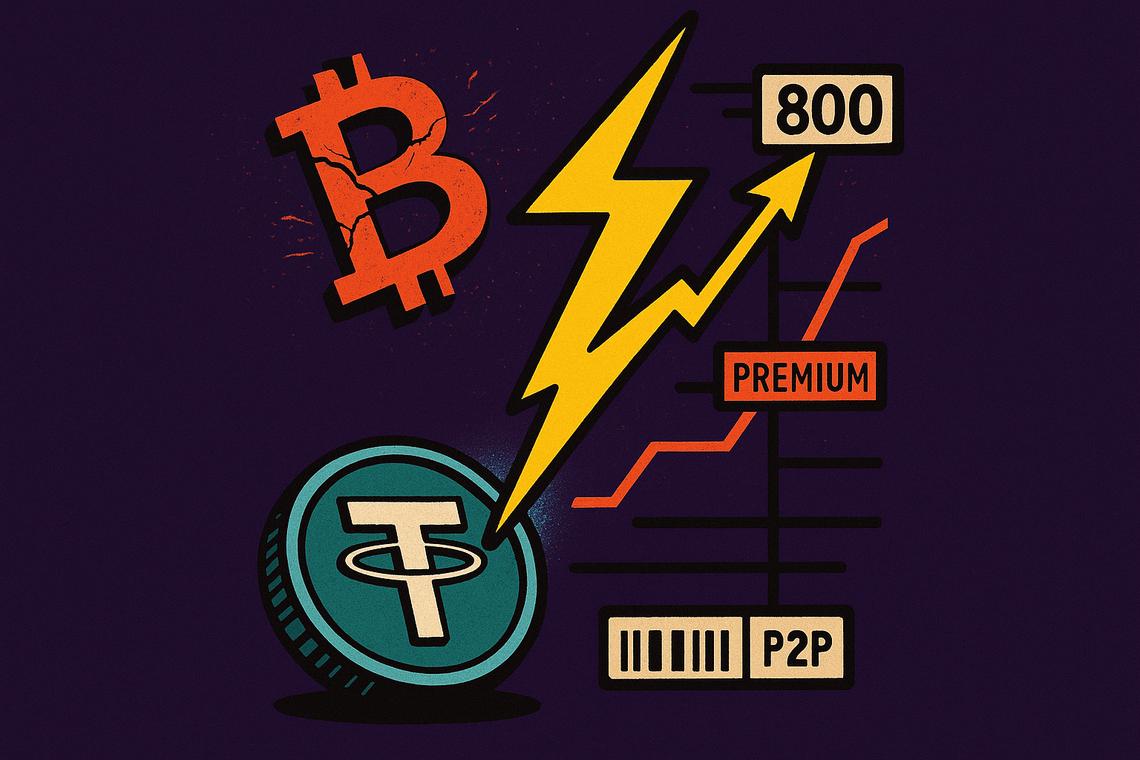
As of June 16, 2026, one USDT trades for approximately 791 to 800 bolivars (VES) on Binance P2P. The official rate set by the Central Bank of Venezuela (BCV) sits around 592 VES per dollar. That’s a gap of roughly 34%, and it tells you everything you need to know about how much trust Venezuelans place in their government’s version of economic reality.
The ‘Binance dollar’ economy
Binance P2P has supported VES trading since April 2020, initially as a niche on-ramp for crypto-curious Venezuelans. In 2025, with annual inflation clocking in at 229%, USDT crossed the threshold from speculative asset to everyday pricing mechanism. Locals started calling it the “Binance dollar,” and the name stuck for good reason. Merchants began quoting prices in USDT. Landlords started expecting rent in USDT. Employers began benchmarking salaries against the live P2P rate rather than the official BCV figure.
By 2026, USDT reportedly accounts for roughly 85% of all transactions in Venezuela. That number, if accurate, makes the bolivar a minority player in its own country’s economy.