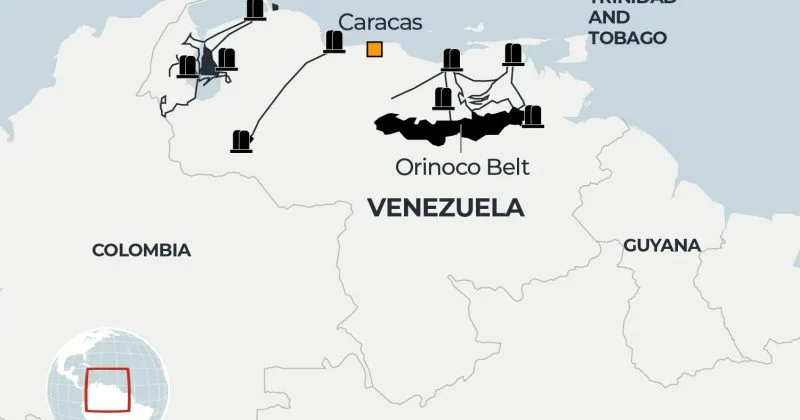
Amid the U.S. military intervention in Venezuela, locals rushed to secure their savings by converting their bolívares to dollar-pegged digital tokens called USDT. The timing of the attack may have been surprising to some, but Venezuelans subsequent embrace of stablecoins wasn’t.
From the Middle East to Latin America, ordinary people are turning to USDT to hide and preserve their wealth from authoritative regimes and shield themselves against hyperinflation. And now, with U.S. President Donald Trump threatening to intervene in local affairs in Colombia and Iran, that survival strategy could gain even greater traction.
“Stablecoins are better dollars, but the reason people get them is out of necessity and out of self-preservation,” Mauricio Di Bartolomeo, co-founder of digital asset lender Ledn, told CNBC. “Wherever they have limitations around dollars flowing freely, stablecoins are going to bust through the door.”
Since 2014, the digital currency issued by stablecoin giant Tether has become increasingly common in Russia, Iran and other emerging economies, particularly in times of heightened political instability, according to Di Bartolomeo. Using USDT, people can send and receive remittances, protect their money from local currency debasement and pay for goods and services.