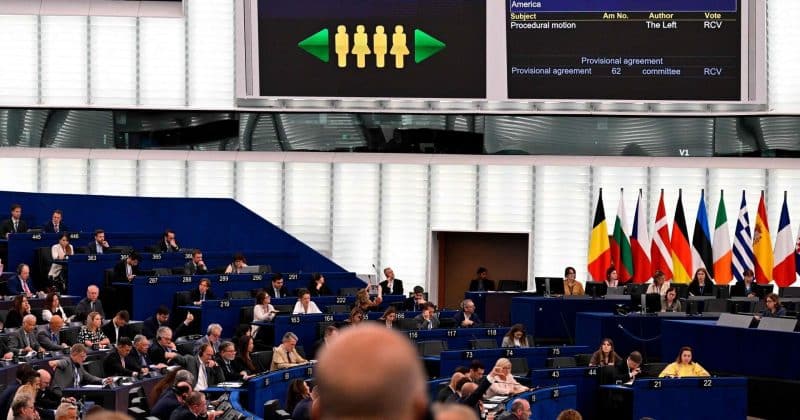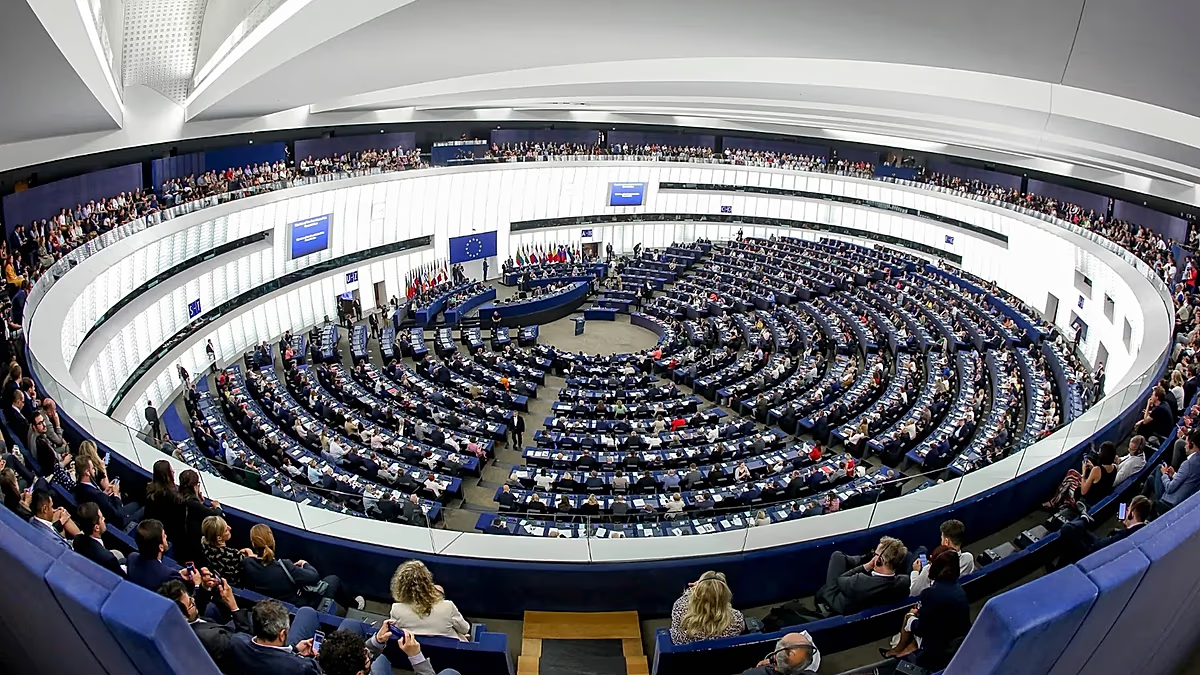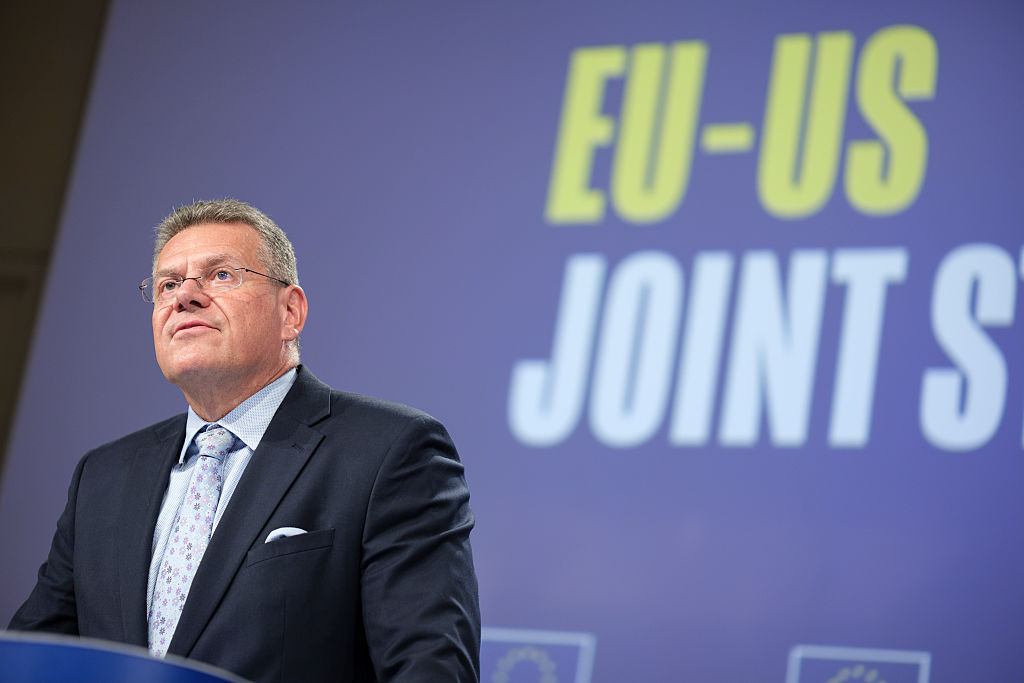
Seeing two of the Union's main legislative bodies strive for an agreement that would render the bloc subservient to the US has provided a strange spectacle
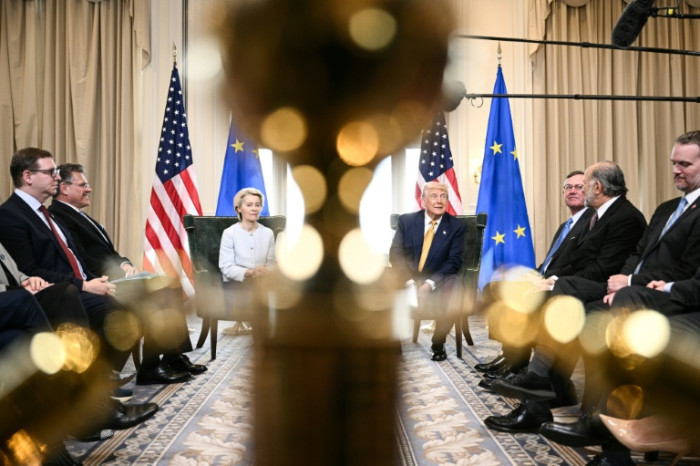
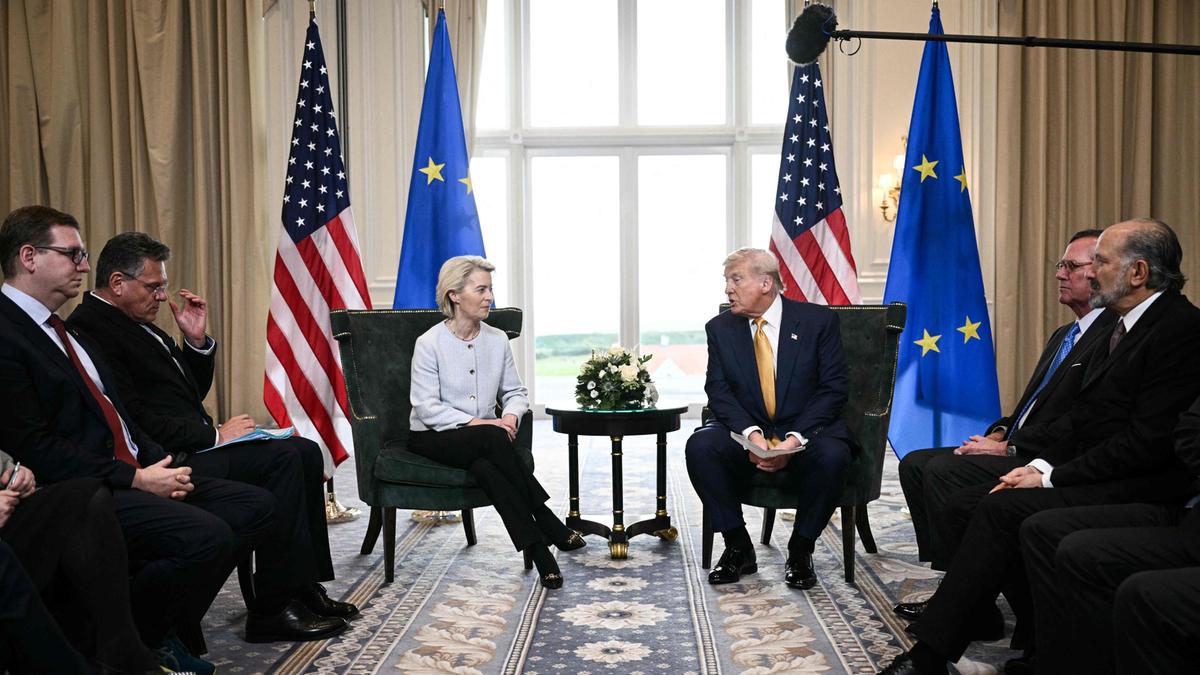
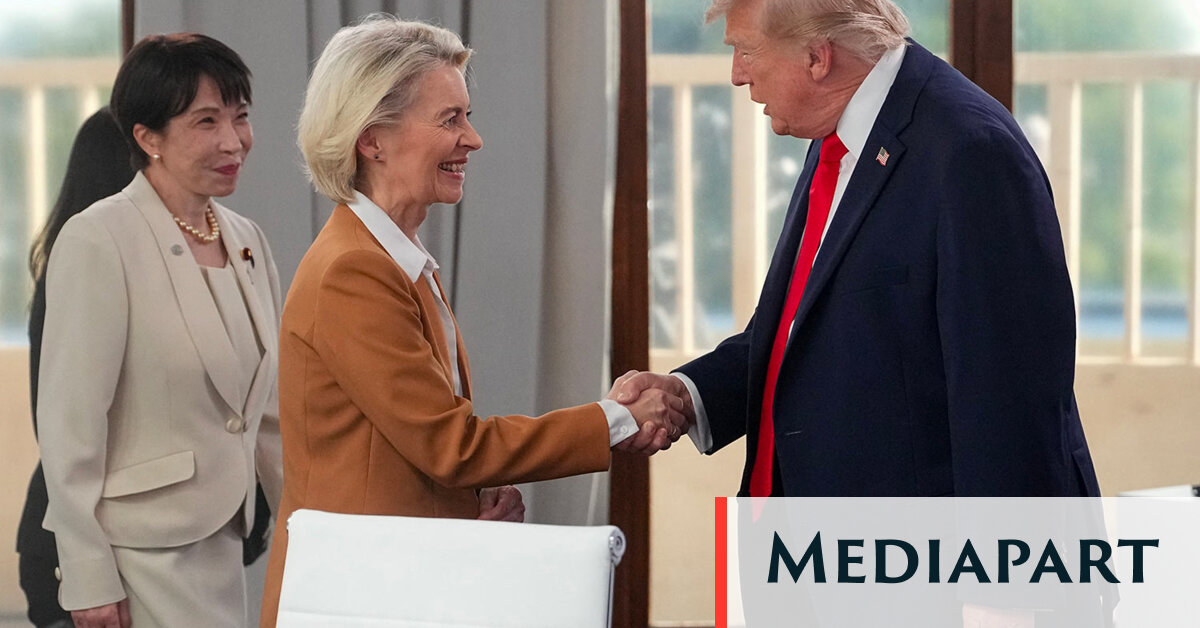
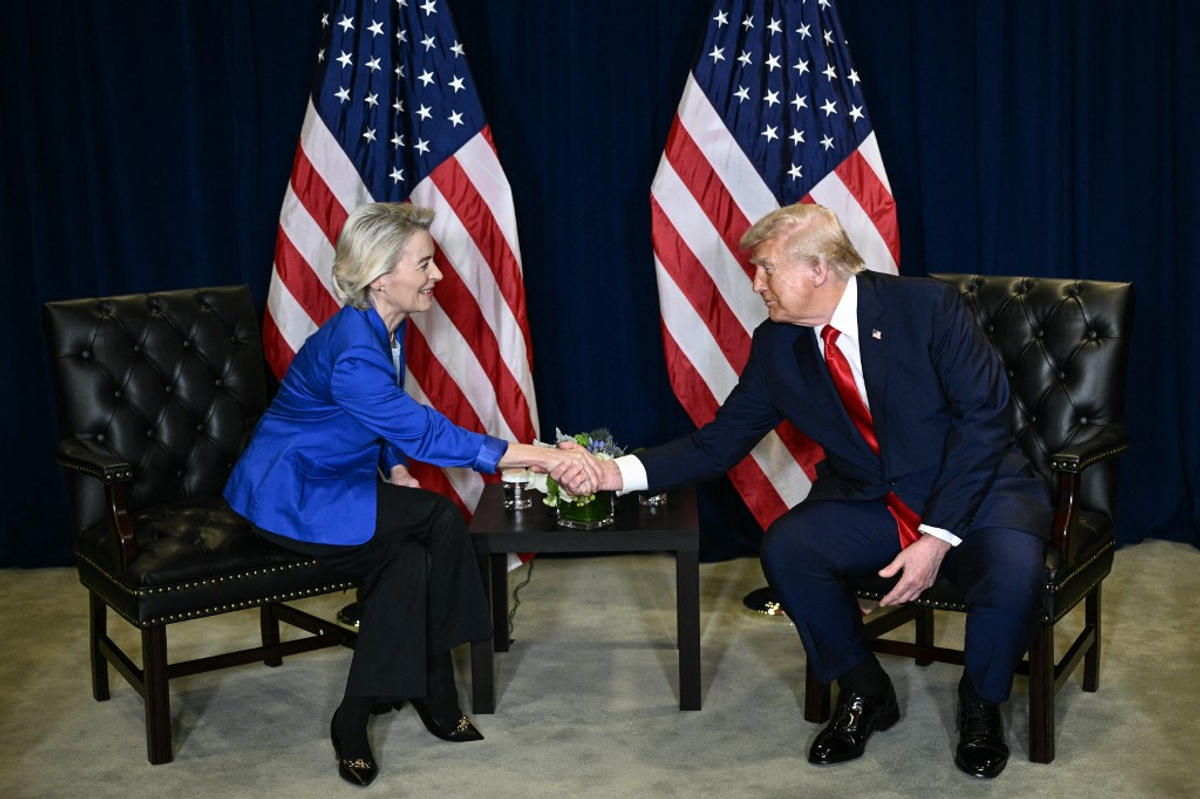
The so-called ‘Turnberry deal’ was widely characterised as a humiliating capitulation by the EU in the face of furious tariff threats dished out by Donald Trump. But what was presented last July as a grand victory for the US leader was, in fact, only the start of a series of negotiations that pitched the European Parliament against the Council and Commission.
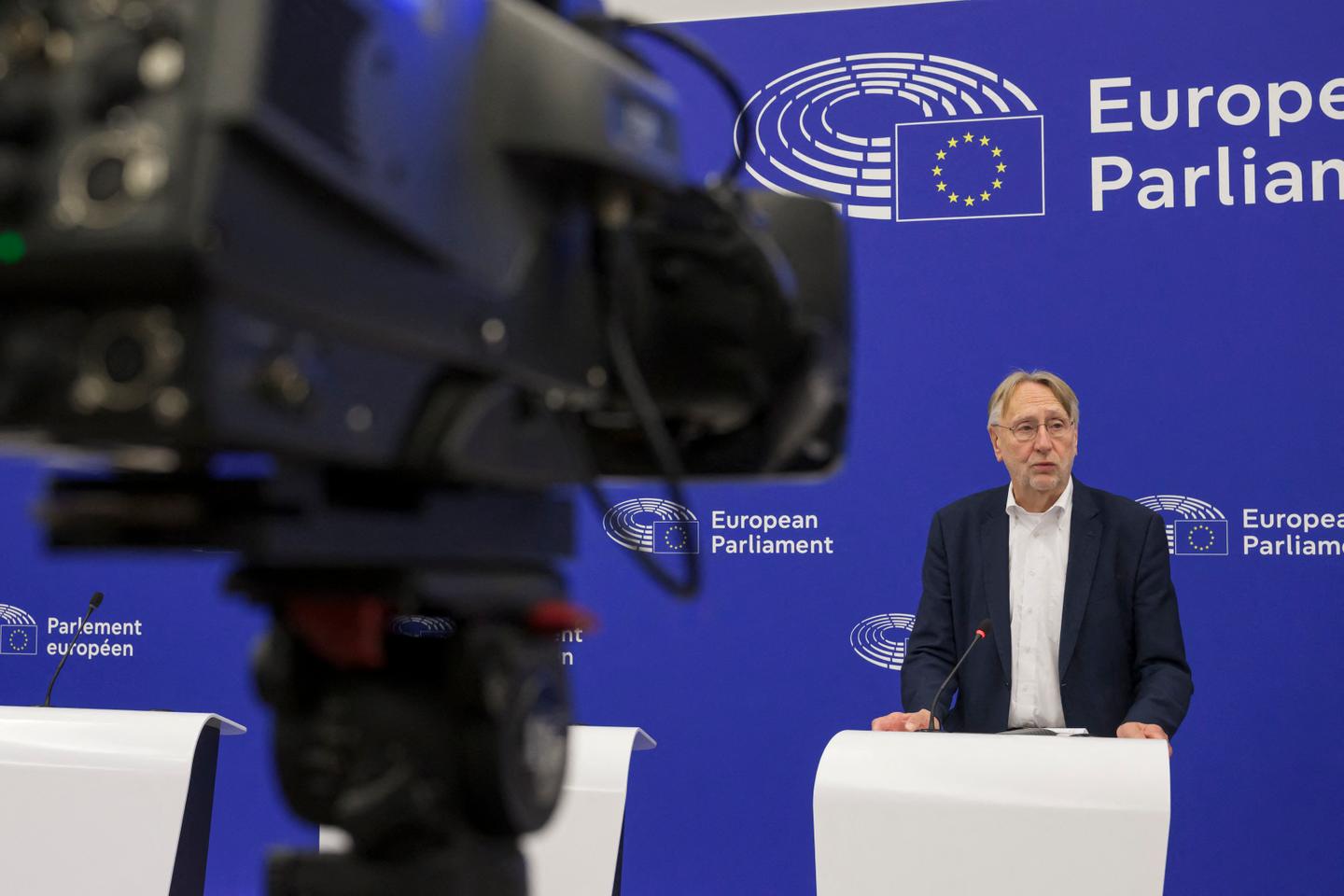
The three institutions have been tussling over the terms of the eventual deal, which notably featured parliamentarians pushing for stricter terms to allow the deal to be suspended if the US failed to comply – particularly on steel and aluminium tariffs, which should be no higher than 15%.
Seeing two of the Union’s main legislative bodies strive for an unfavourable agreement that would render the bloc subservient to its main trade partner has provided a strange spectacle. But it demonstrates the general anxiety that Trump inspires – better a bad deal than an awful deal, the logic goes.
The result is some precious “guardrails” that should grant the Commission some authority over EU-US trade – assuming, of course, it chooses to make use of them.