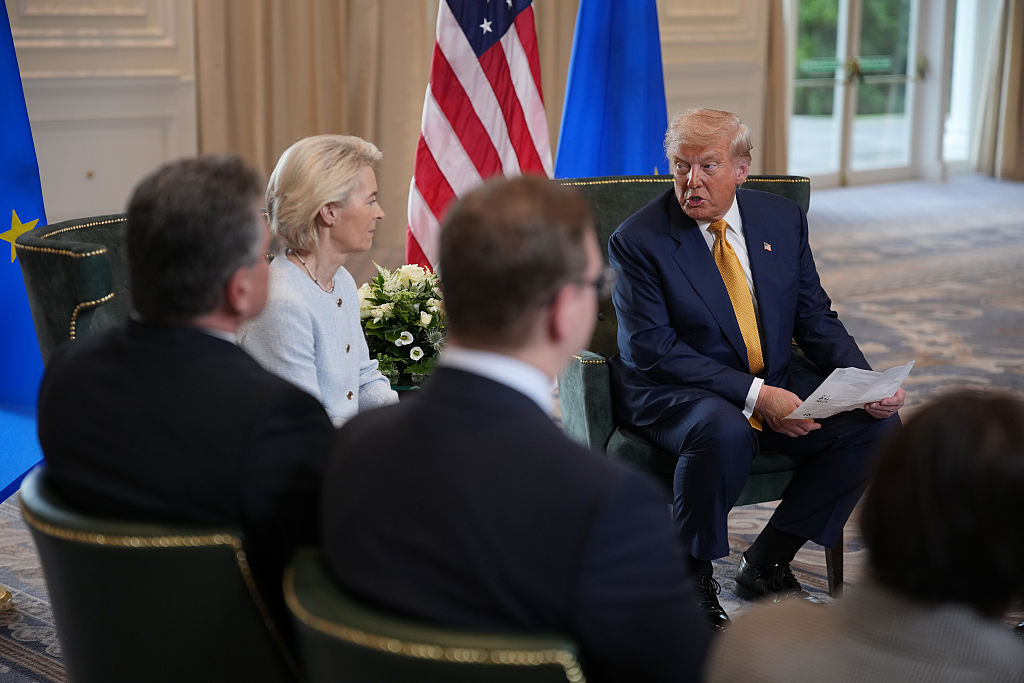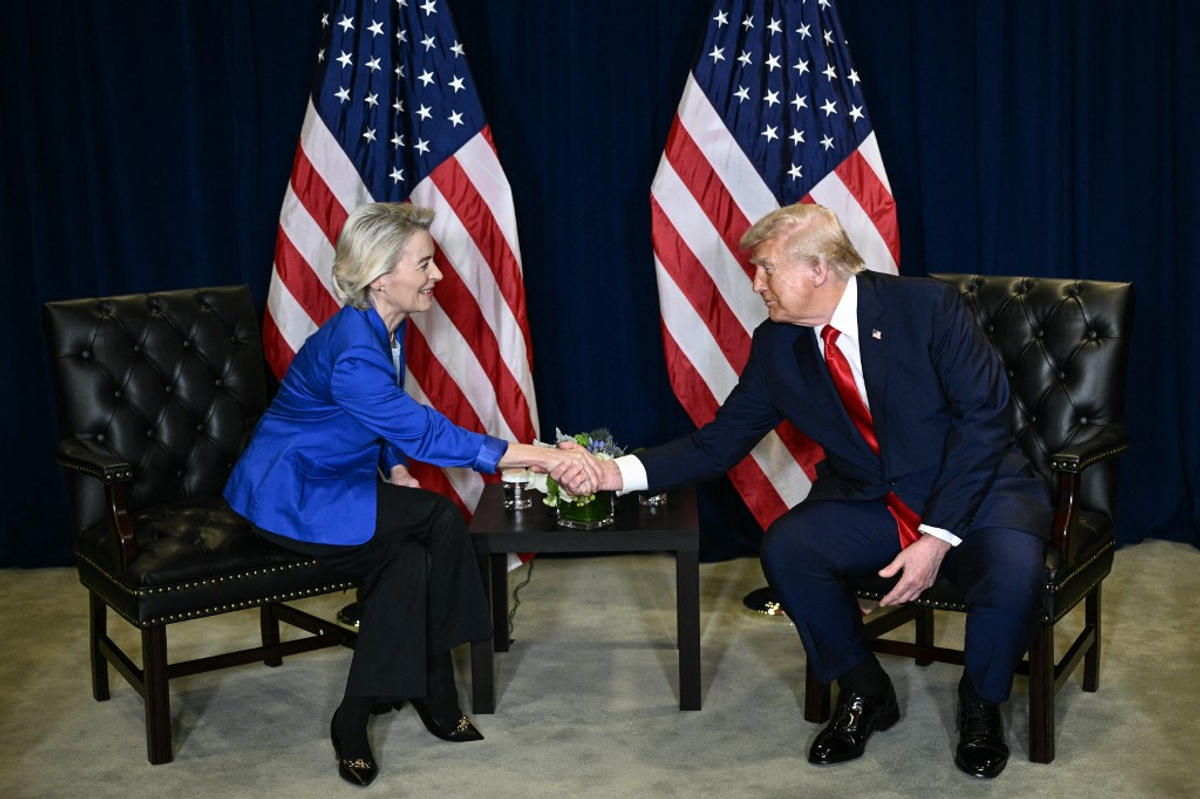
Brussels decision-making is hard to understand – that’s no secret. And it’s all the more confusing when, time and again, headlines announce the “end of negotiations” on a Brussels-Washington trade deal that had been “sealed” last summer. For non-trade hawks – or people with lives and jobs that don’t spiral around tariff drama with Washington – the latest developments this week might be somewhat confusing.JOIN US ON TELEGRAMFollow our coverage of the war on the @Kyivpost_official. The EU-US trade agreement is an undeniably big deal. But in case the whole Turnberry affair has been complicated in the various rounds of negotiations and brinksmanship, here’s what exactly was negotiated this week in Brussels, and why it doesn’t mean the transatlantic trade war is over. The root of all evil: trade surplus Trump returned to the White House convinced that America’s trade relationships were “unfair” and that tariffs are the cure to all economic problems. In the EU’s case, the 27-member bloc does sell more goods to the US than vice versa. And although on services, America runs a surplus, Trump doesn’t think that trading services “is real trade,” says David Henig, a UK-based trade expert at the European Centre for International Political Economy. The US president also points to products barred from the EU market because of production standards – chlorine-washed chicken, hormone-treated beef and the like.
EU and Washington Move Closer to Implementing Controversial Turnberry Pact After Overnight Brussels Chaos
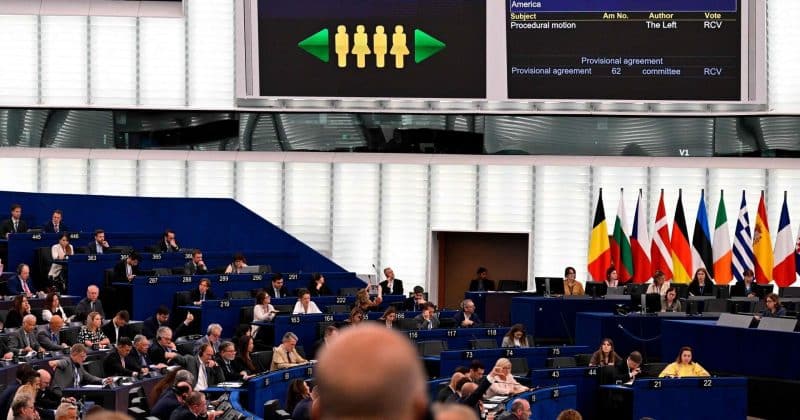
European Parliament and Council negotiators struck a late-night institutional compromise to implement the “Turnberry” tariff agreement with the US, adding temporary safeguards to protect EU industries
982 words~4 min read