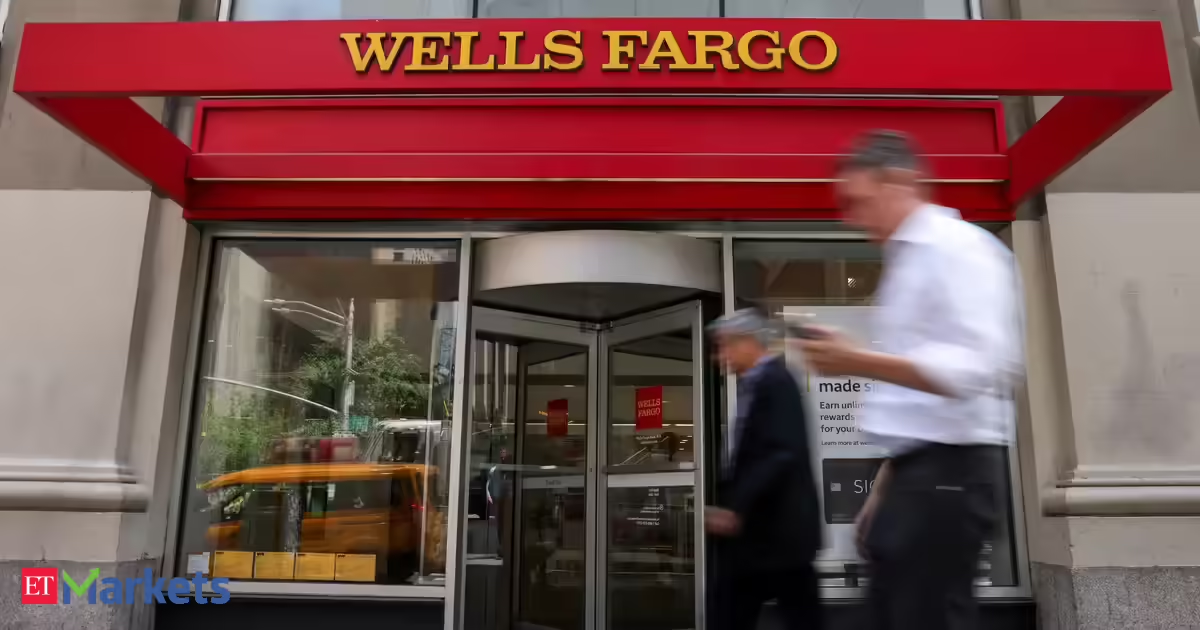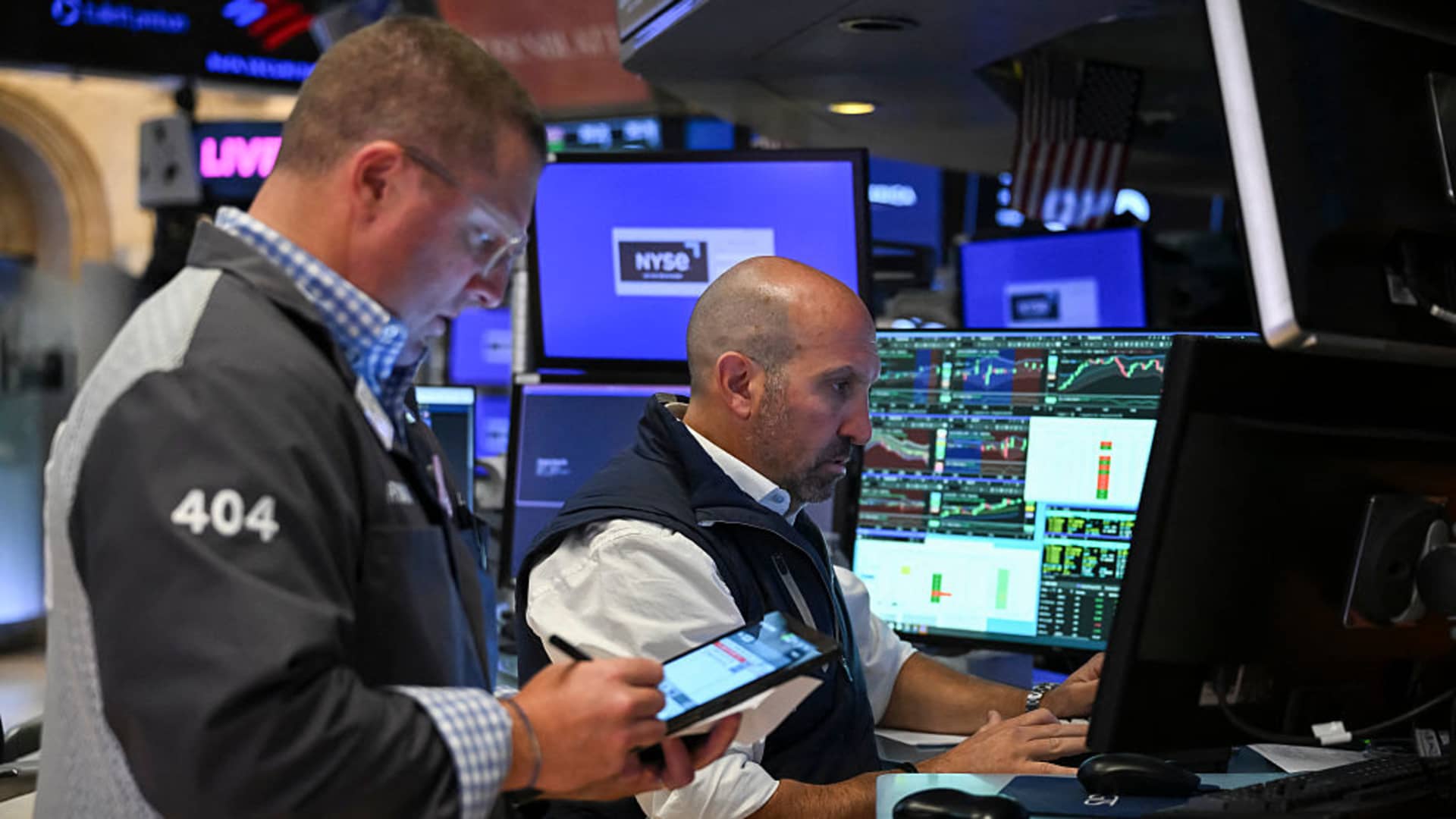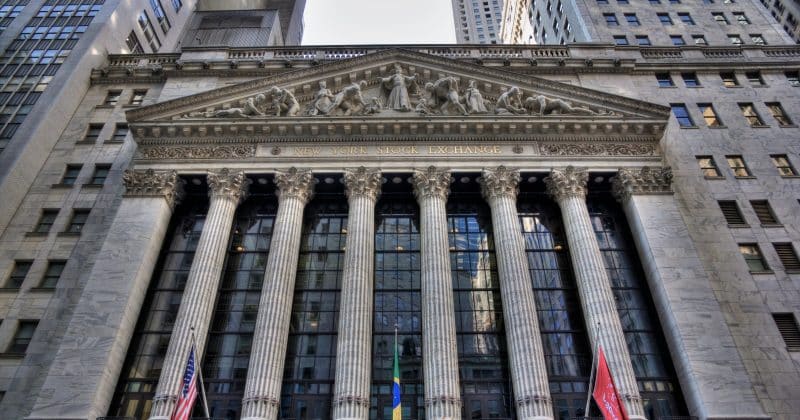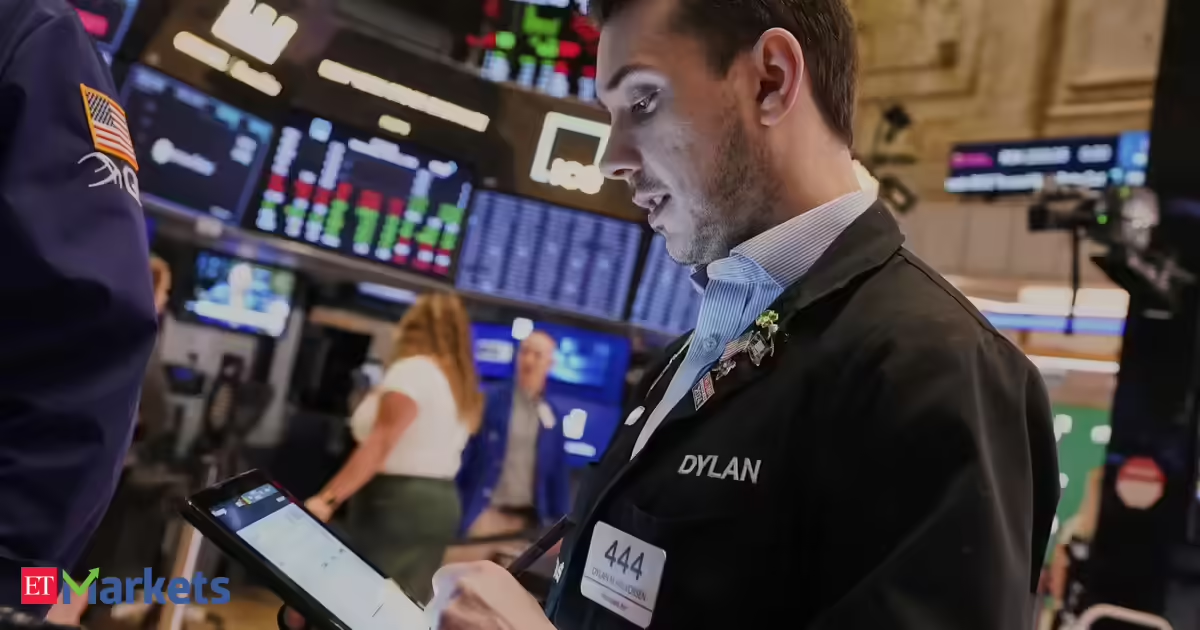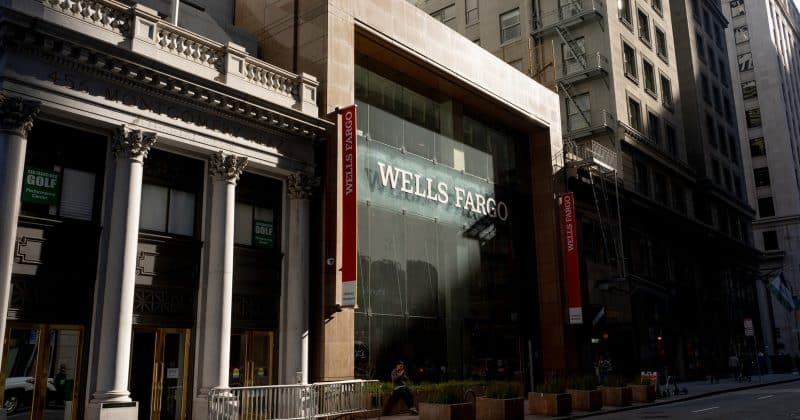
Wells Fargo just bumped its year-end S&P 500 target from 7,300 to 7,950. The catalyst: a preliminary US-Iran agreement that’s doing something markets haven’t felt in months, namely genuine optimism about geopolitical stability.
A ceasefire memorandum of understanding reportedly reached around mid-June 2026 extends the cessation of hostilities for 60 days and reopens the Strait of Hormuz, one of the world’s most critical oil chokepoints. That single development is reshaping risk appetite across every major asset class, from blue-chip equities to Bitcoin.
What the ceasefire changes
The US-Iran conflict escalated earlier in 2026 after negotiations stalled, sending energy prices higher and injecting a persistent risk premium into global markets. Wells Fargo had previously adjusted its forecasts downward to account for that uncertainty. This latest revision effectively reverses that caution.
Oil prices fell roughly 5% as markets digested the ceasefire news. That’s significant because cheaper energy flows directly into corporate margins, particularly for manufacturers, logistics companies, and airlines that have been squeezed by elevated fuel costs for much of the year. Lower oil also dampens inflation expectations, which gives central banks more room to maneuver on interest rates.