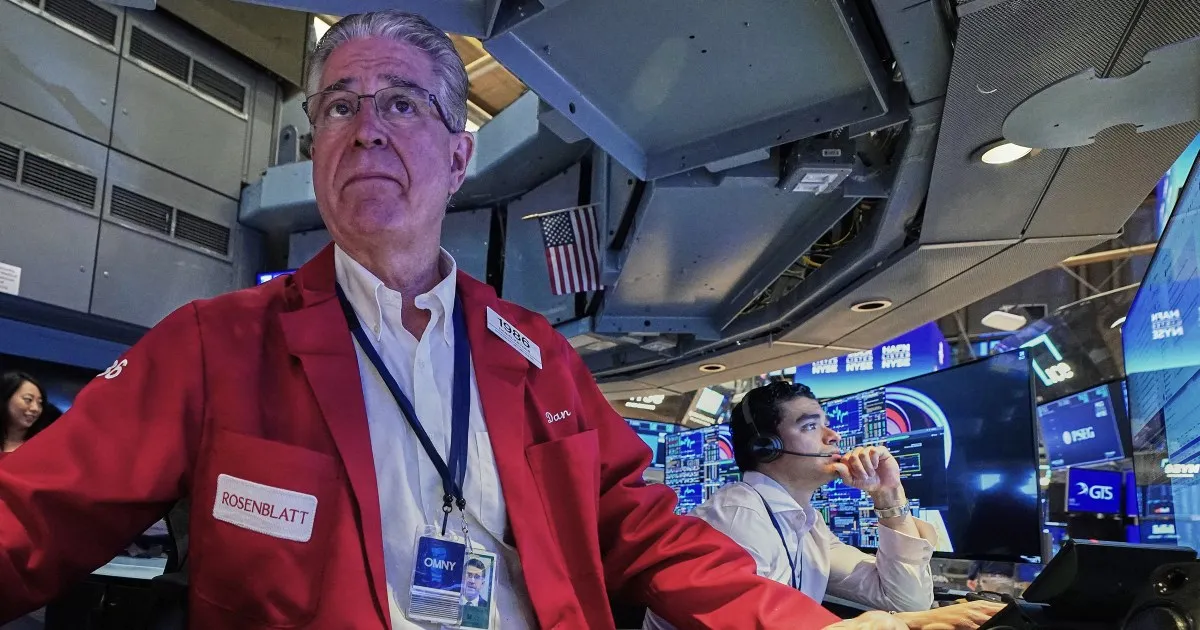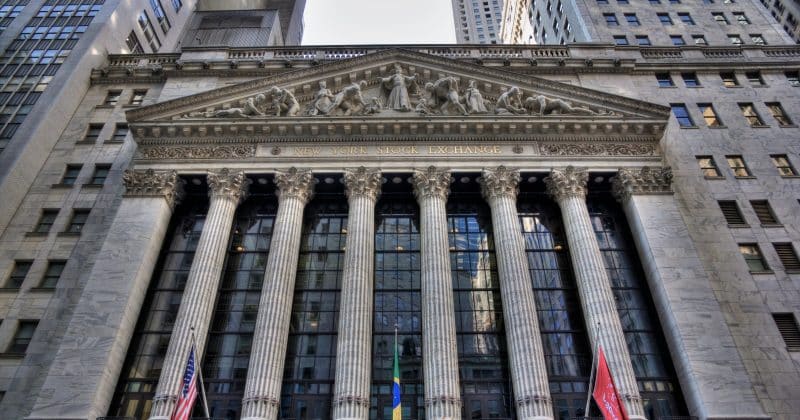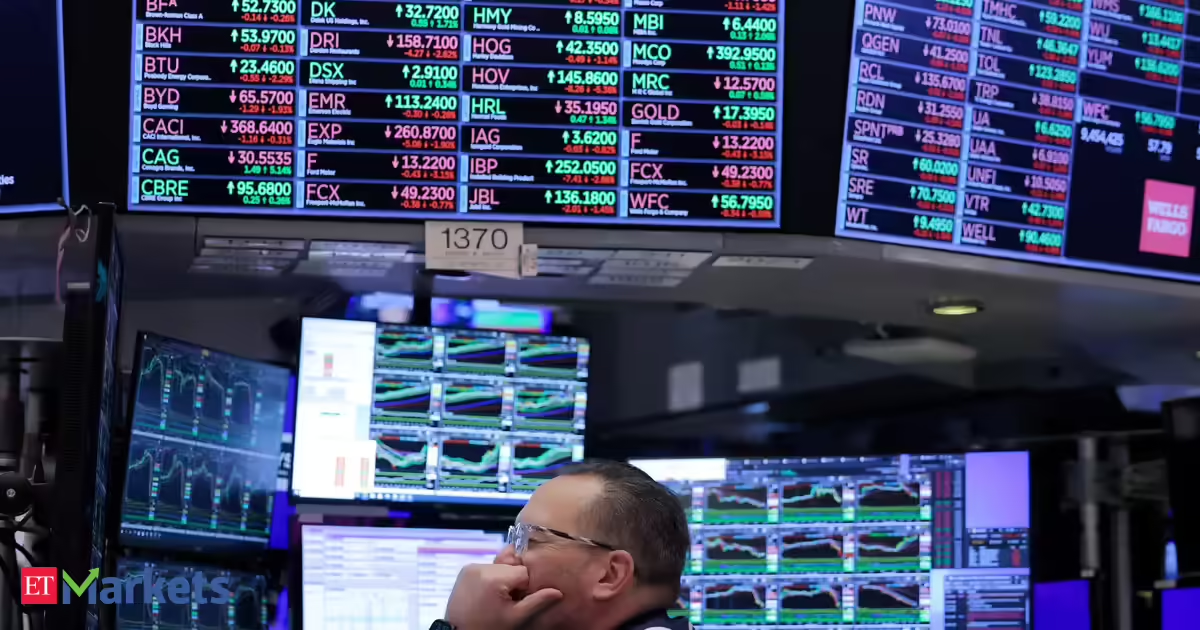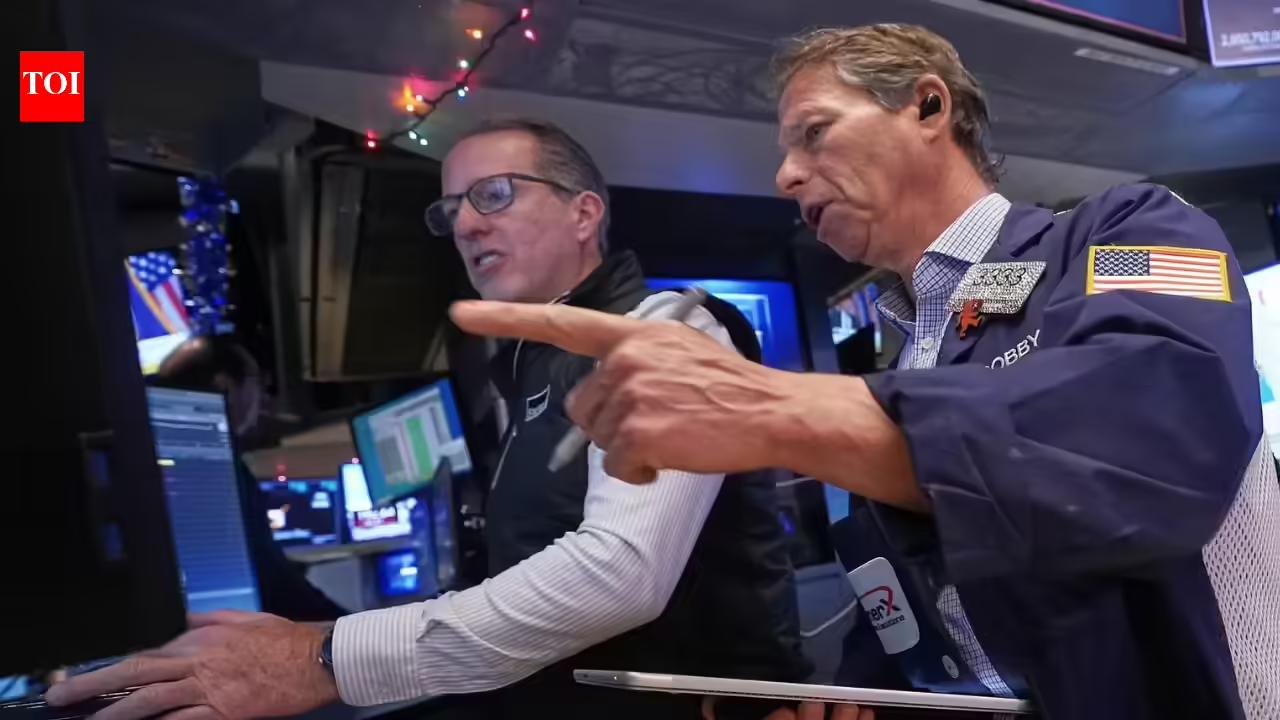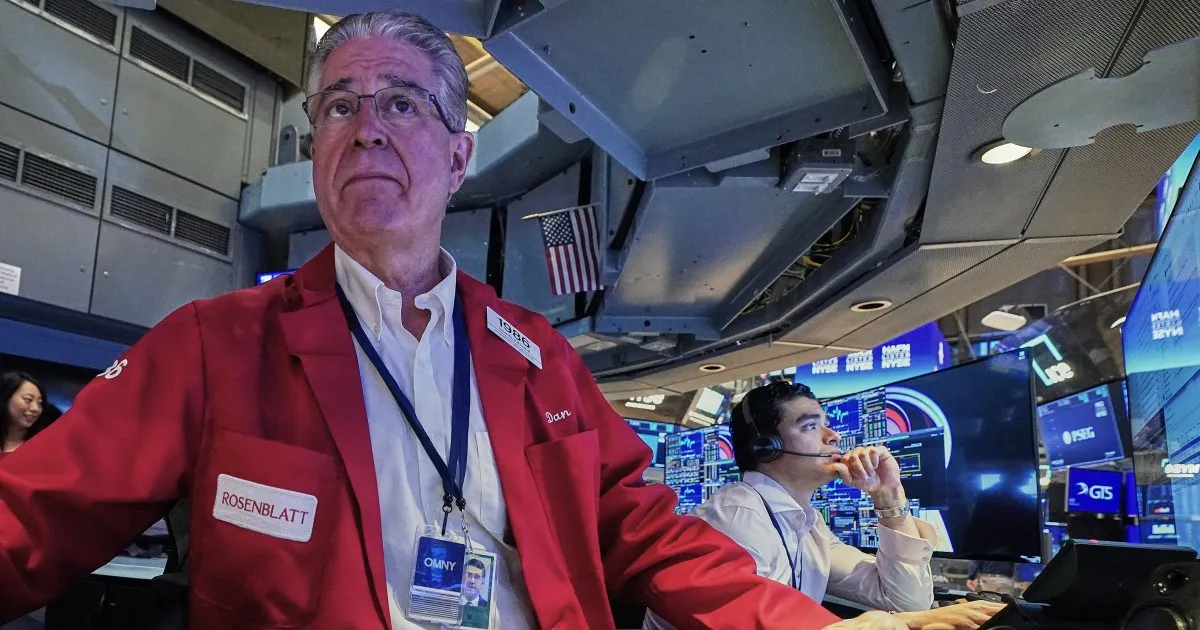
Benchmark S&P 500 rises 1.7 percent, while tech-heavy Nasdaq jumps 3.1 percent.US stocks have rallied on hopes that the tentative deal to end the US-Israel war on Iran will restore stability to energy supply chains roiled by months of disruption in the Strait of Hormuz.The S&P 500 rose 1.7 percent on Monday, taking the benchmark index within touching distance of its all-time high.Recommended Stories list of 4 itemslist 1 of 4US fuel prices to take ‘months’ to normalise after US-Iran deal to end warlist 2 of 4South Sudan’s Jonglei: Who burned homes and silenced hospitals?list 3 of 4Netanyahu says Israel will remain in Lebanon, Syria, and Gazalist 4 of 4Dogged Saudi Arabia hold Uruguay to a draw in World Cup openerend of listThe tech-focused Nasdaq Composite jumped 3.1 percent, aided by a 19.6 percent gain by SpaceX, which on Friday made the biggest market debut in history and minted the world’s first trillionaire in Elon Musk.The blue-chip Dow Jones Industrial Average climbed 0.9 percent, closing at a record high.Brent crude futures, the primary benchmark for global oil prices, fell nearly 5 percent to just above $83 a barrel, the lowest price since the first week of the conflict.Asian stock markets were largely flat on Monday morning, after surging the previous day on the back of US President Donald Trump’s announcement of his deal with Tehran.As of 01:30 GMT, Japan’s benchmark Nikkei 225 was 0.01 percent lower, while South Korea’s Kospi, the best-performing major index this year, was down 0.06 percent.In Taiwan, the TAIEX was up 0.2 percent.Hong Kong’s Hang Seng Index was down 0.07 percent.Jay Goldberg, a senior analyst for tech-related equities at the Chicago-based Seaport Research Partners, said the announcement of the US-Iran deal had tilted investors’ risk balancing act towards buying into the market.“To oversimplify, the debate has been: AI spending is strong, but there’s a war going on,” Goldberg told Al Jazeera.“The war is over, it seems, so that side of the argument falls away. Investors are now feeling better about taking on more risk,” Goldberg said.While Washington and Tehran’s framework has raised hopes for a return to stability in global energy markets, it is expected to take months before energy flows fully return to normal, due to the massive backlog of vessels around the Strait of Hormuz and the need to ensure the waterway is safe from Iranian naval mines.According to the International Shipping Chamber, about 500 ships are still waiting to pass through the strait, which normally carries about one-fifth of global supplies of oil and liquefied natural gas.
US stock market climbs as US-Iran deal stirs hopes for end to energy chaos
Benchmark S&P 500 rises 1.7 percent, while tech-heavy Nasdaq jumps 3.1 percent.
TL;DRAI
S&P 500 +1.7%, Nasdaq +3.1% on SpaceX IPO record; US-Iran deal eases Strait of Hormuz supply disruption, Brent crude falls to $83. De-escalation unblocks capital reallocation from geopolitical hedging to growth assets and AI spending.
424 words~2 min read