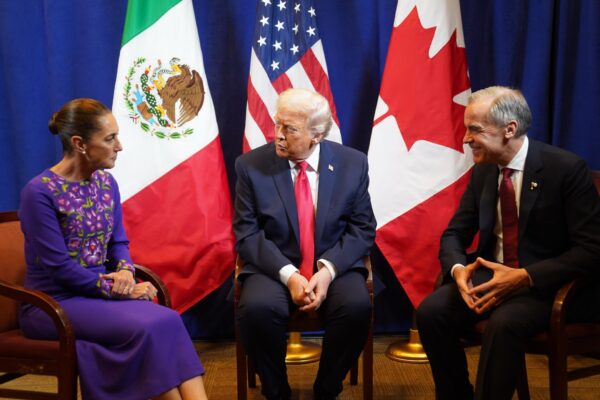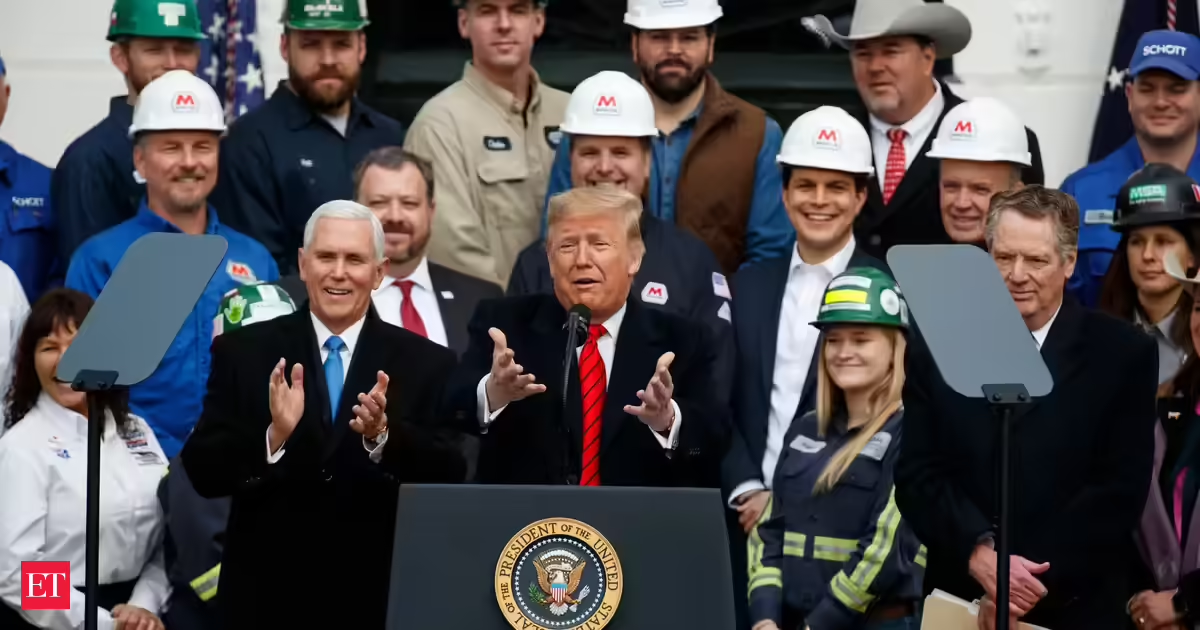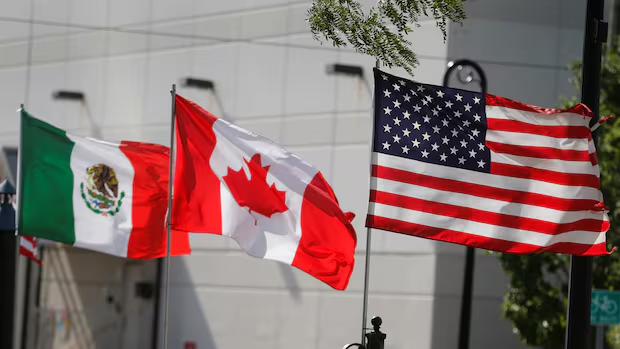
In a global sourcing world centered on far-flung supply chains often built on illegal subsidies and trade practices, customs fraud and duty evasion, and underpriced goods, one key U.S. free trade agreement has remained a linchpin for American textile and apparel manufacturers’ competitiveness and job growth and domestic supply chain stability.The United States-Mexico-Canada Agreement, also known as USMCA, is a critical agreement for the U.S. textile industry that I represent.This supply chain between our three countries stretches back 32 years to the inception of the North American Free Trade Agreement, which was renegotiated during President Donald Trump‘s first term and rebranded as USMCA.
TRUMP’S G7 MOMENT: END AMERICA’S DEPENDENCE ON FORCED LABOR SUPPLY CHAINS
Keeping the USMCA agreement as a trilateral trade deal is incredibly important to our industry. Mexico and Canada represent our No. 1 and No. 2 export markets for U.S. textiles, which allows the U.S. supply chain to compete directly against China and Asia and a flood of predatory trade practices.
Conversely, breaking the integrated trade agreement into separate bilateral trade deals, as some high-level administration officials have suggested, would be devastating to the American textile and apparel supply chain that supports more than 450,000 jobs in the U.S. and produced $60.1 billion in textile shipments in 2025.