in History, Religion | June 16th, 2026 1 Comment
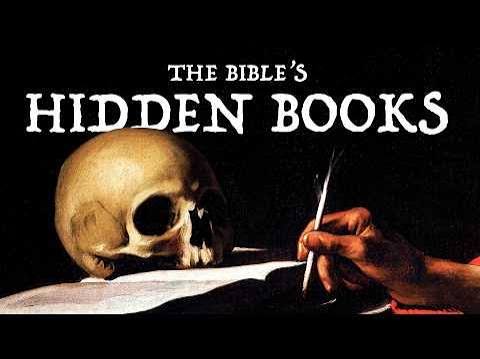
The term apocryphal may sound antiquated, but any reasonably serious reader encounters it fairly often, even in recently published texts. In the modern usage, it usually describes words or events that, despite probably never having been spoken or taken place, tend to be cited as if they had. Hochelaga creator Tommie Trelawny says that the word comes from a Greek term meaning “hidden,” and was used to refer to disputed texts not included in the mainstream Bible. Some churches acknowledge these apocrypha, and others reject them. As for what the unpredictable and often bizarre material, even by biblical standards, in these “hidden books,” that’s what Trelawny explains in his new video above.
In the book of Tobit, a highly unfortunate man and woman receive salvation from the angel Raphael, who uses fish guts to cure their physical and demonic afflictions. In the book of Judith, the titular Israelite widow deceives and slays the Assyrian general Holofernes, a scene immortalized by Caravaggio (and rendered even more viscerally, as previously featured here on Open Culture, by Artemisia Gentileschi).