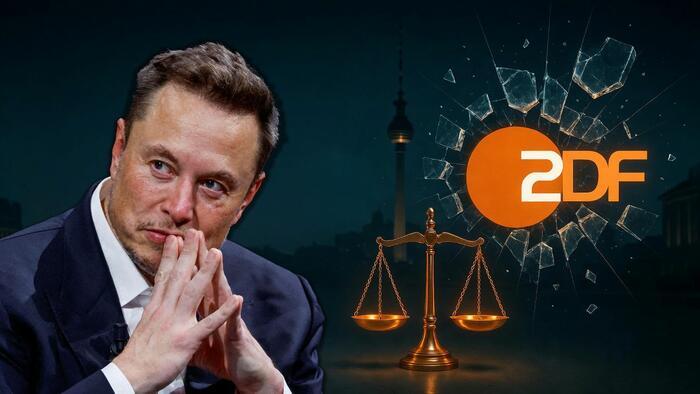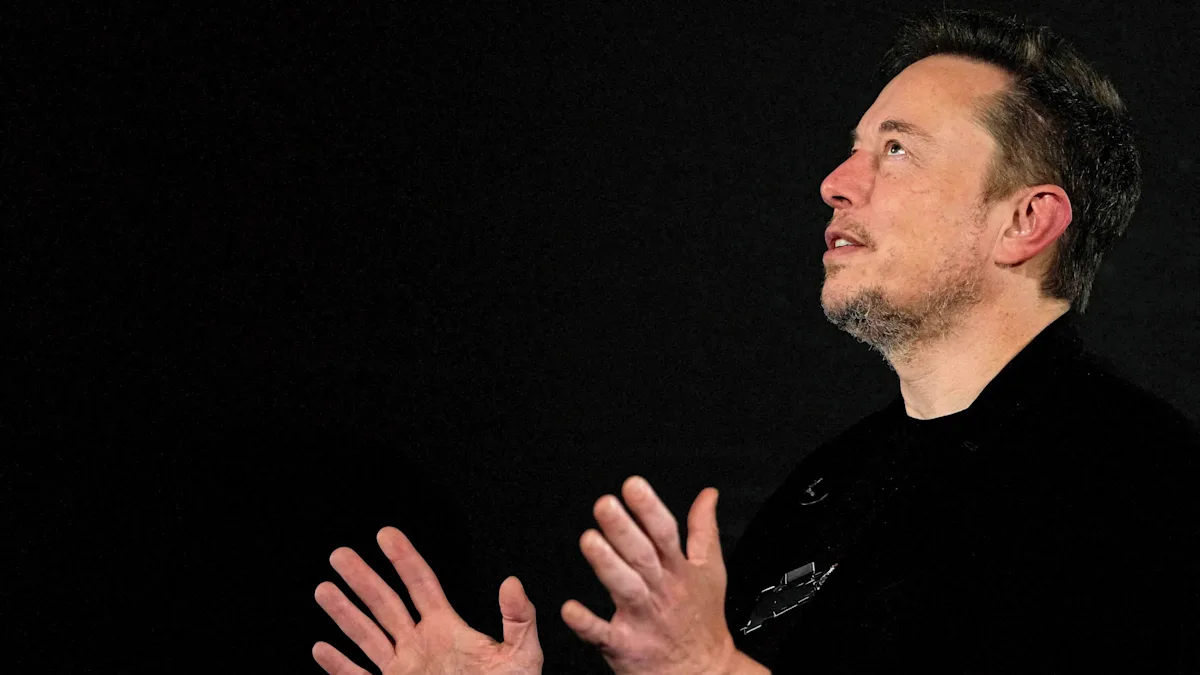
The world's richest man is suing the world's largest public broadcaster. On June 12th, a presenter on the ZDF program „ZDF heute live“ claimed that tech billionaire Elon Musk had called, together with British far-right activist Tommy Robinson, for people in Northern Ireland to „hunt migrants“ — the backdrop being a knife attack carried out by a refugee from Sudan, after which violent riots broke out in Belfast.
Musk vehemently denies the allegation. His lawyer, Joachim Steinhöfel, subsequently sent the broadcaster a cease-and-desist letter and demanded the submission of an injunctive declaration. The letter states that the claim that Musk had called for such a „hunt“ is „obviously untrue“ — and that the associated defamation of the entrepreneur is unlawful. ZDF has since acknowledged that the wording was „imprecise and therefore misleading,“ and has shortened the introduction to the segment in question.
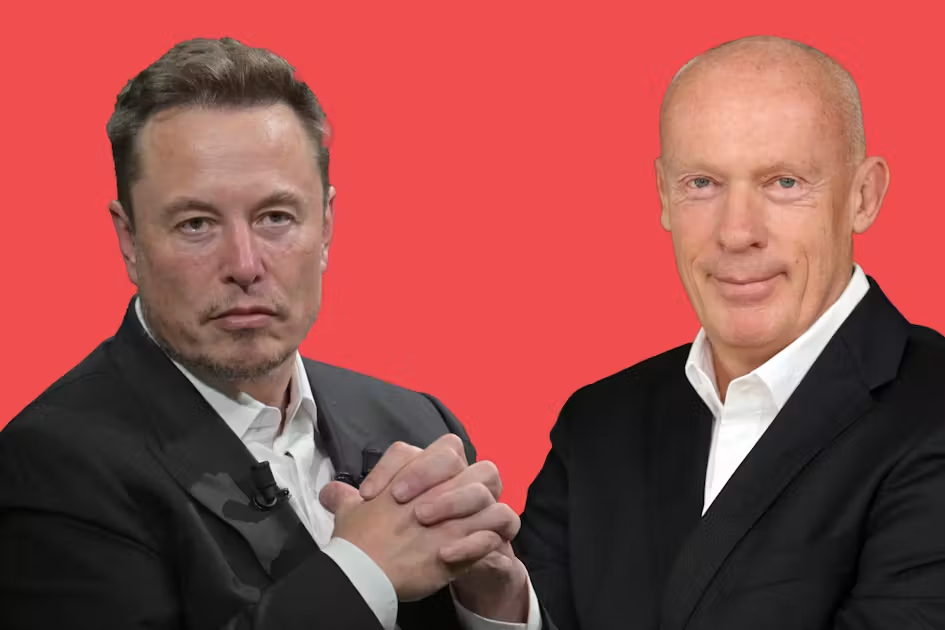
What consequences would a successful lawsuit have for the broadcaster, for licence fee payers, and what would the wider implications be for public broadcasting? We spoke with Joachim Steinhöfel, the Hamburg-based media lawyer representing Elon Musk.
Mr. Steinhöfel, what does the announced legal dispute mean for ZDF?