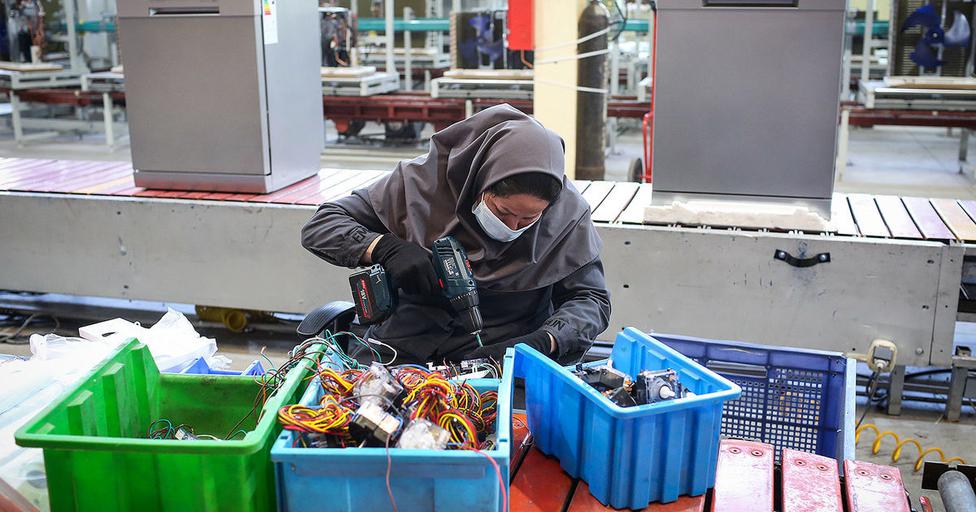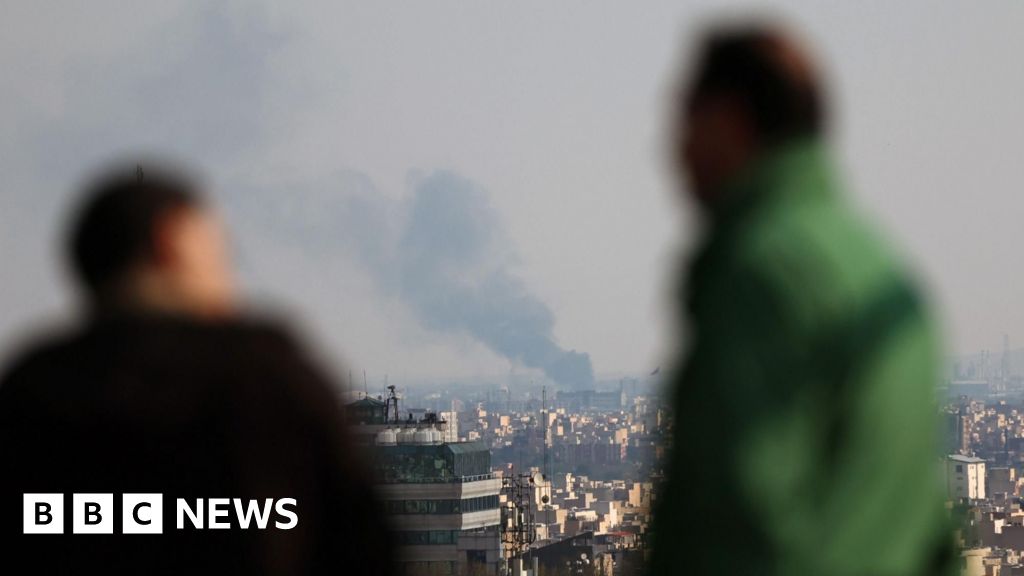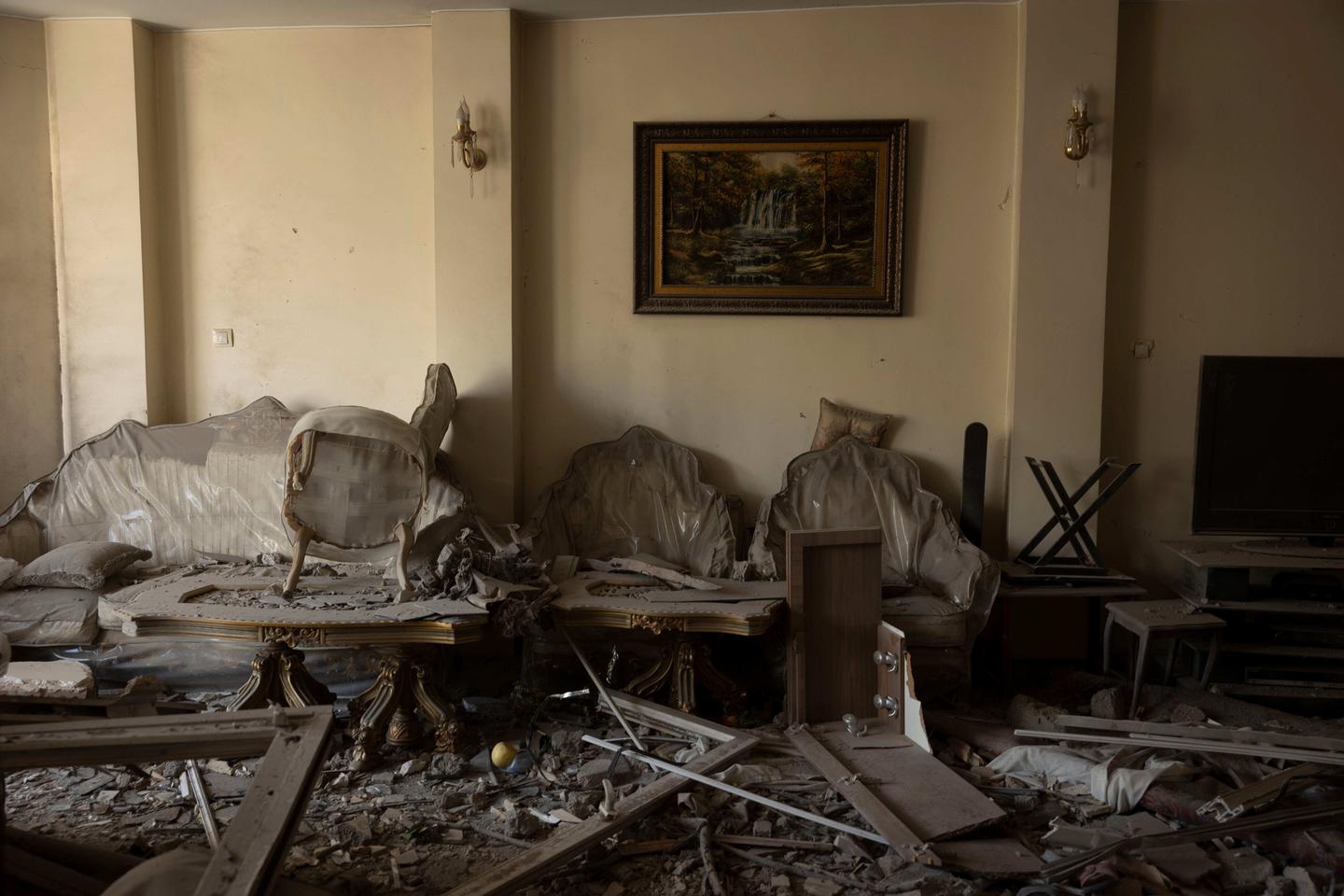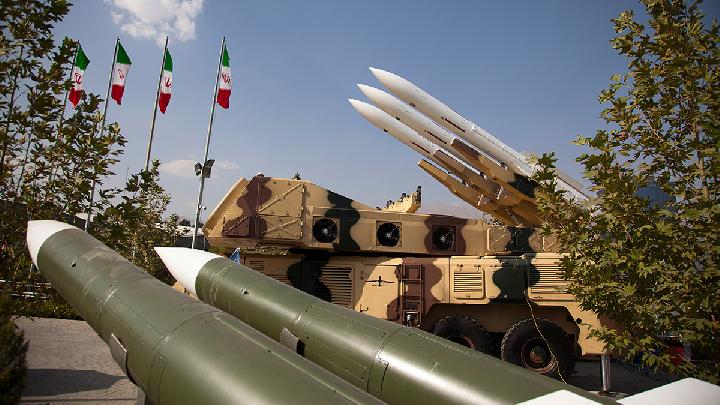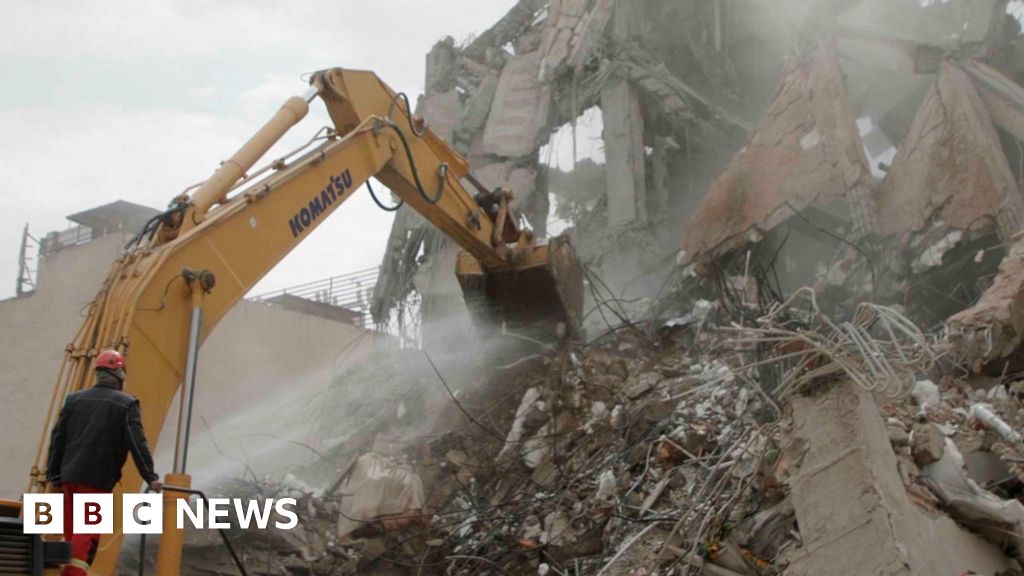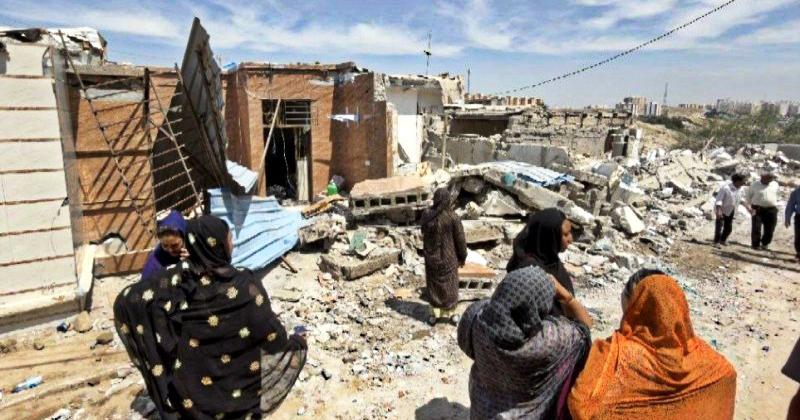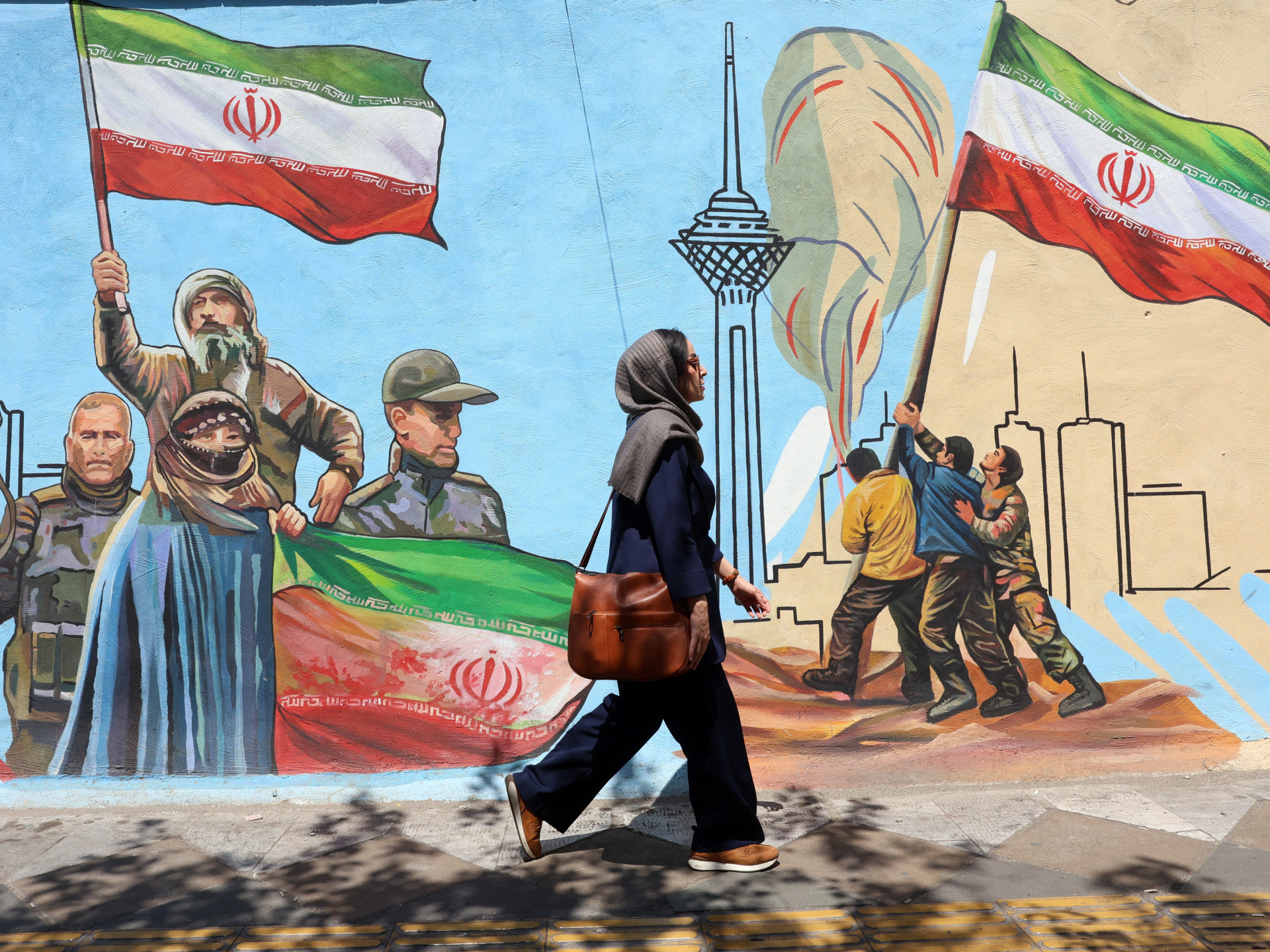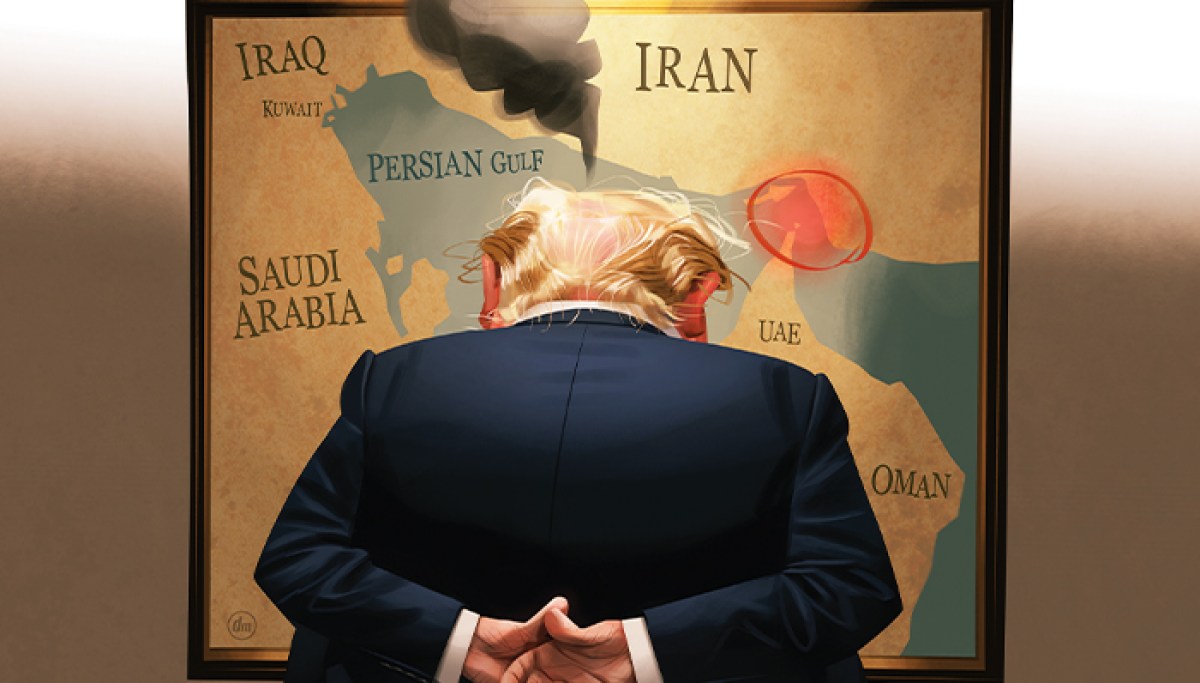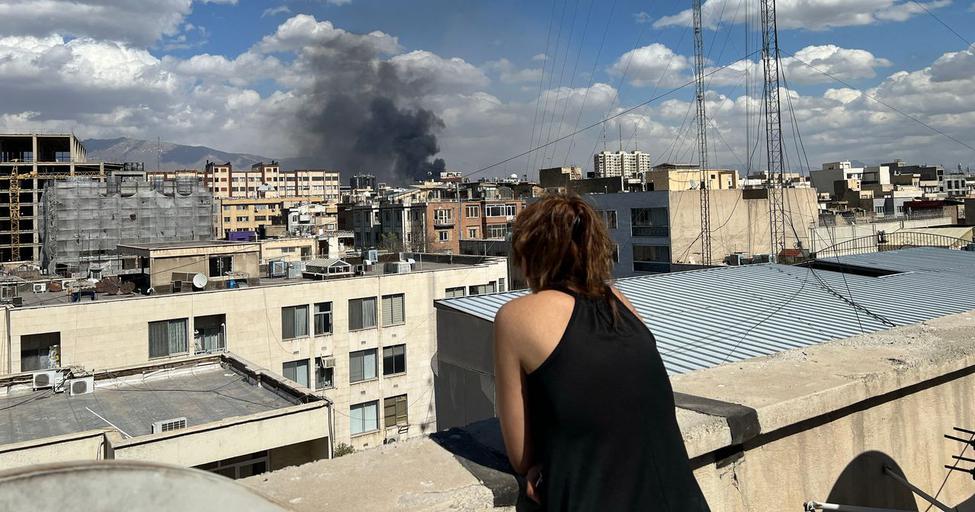
A full year has passed since the devastating 12-day war, a year that has seen an accumulation of economic hardships, nationwide protests, a bloody state crackdown, and a follow-up 40-day conflict. The ongoing political and security aftershocks, compounded by heavy socioeconomic pressure, have completely altered the daily lives of citizens. This strain has manifested most acutely in the labor market and within households, leaving women in a significantly more vulnerable position than ever before.
The War That Cut Off Women's Livelihoods
Sepideh is a 37-year-old architectural engineer. Or, as she puts it, she was a successful engineer until June 2025 and the subsequent 12-day war. She was among the first wave of professionals laid off as a direct consequence of the conflict.
"Suddenly, I lost my entire social identity," Sepideh told IranWire, recalling the phone call informing her of her termination.
Despite an impressive resume, her repeated attempts to re-enter the workforce have failed, as employers now overwhelmingly prioritize hiring men. In response, she launched an Instagram account to offer interior design training. However, before the venture could gain any traction, frequent and prolonged state-enforced internet blackouts neutralized her efforts. A woman who began 2025 as a financially independent professional started 2026 as a homemaker, entirely dependent on her husband’s income.