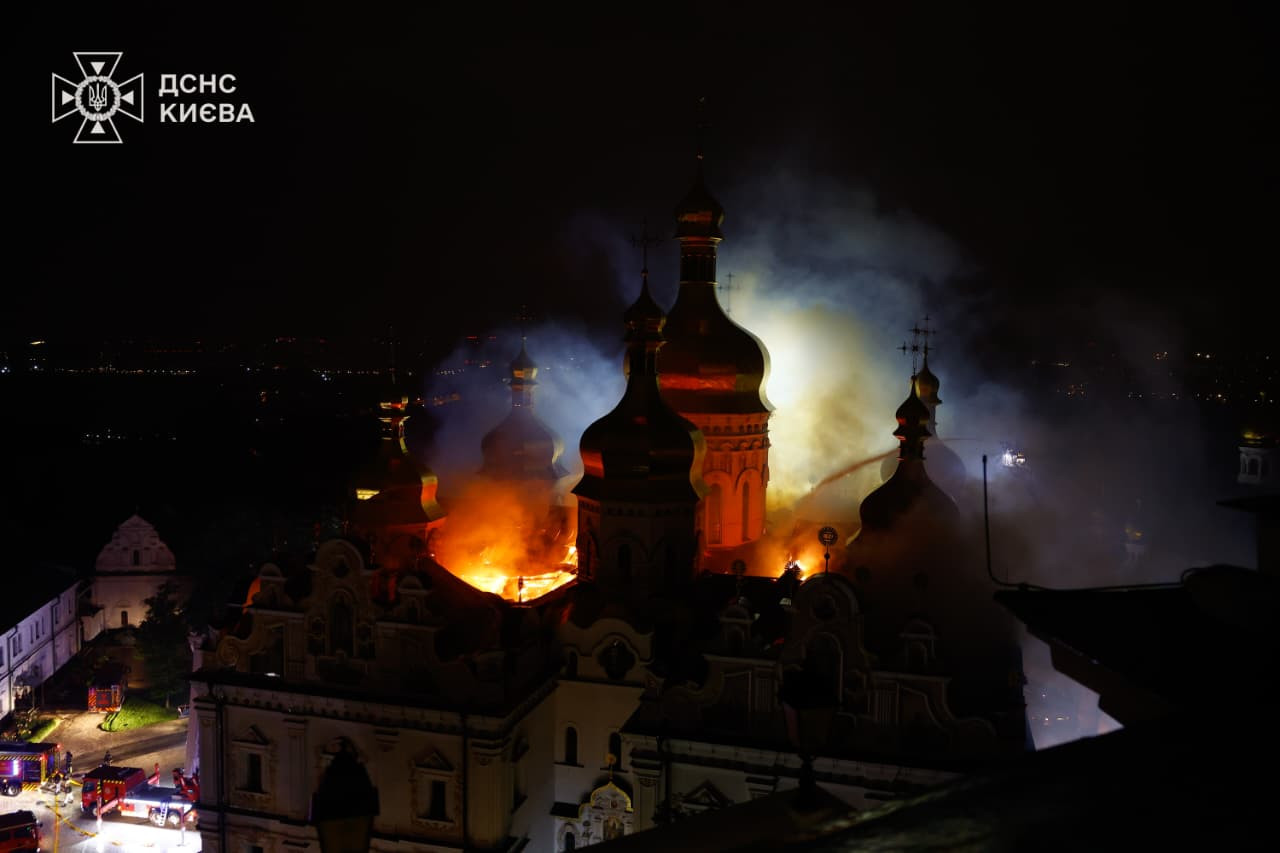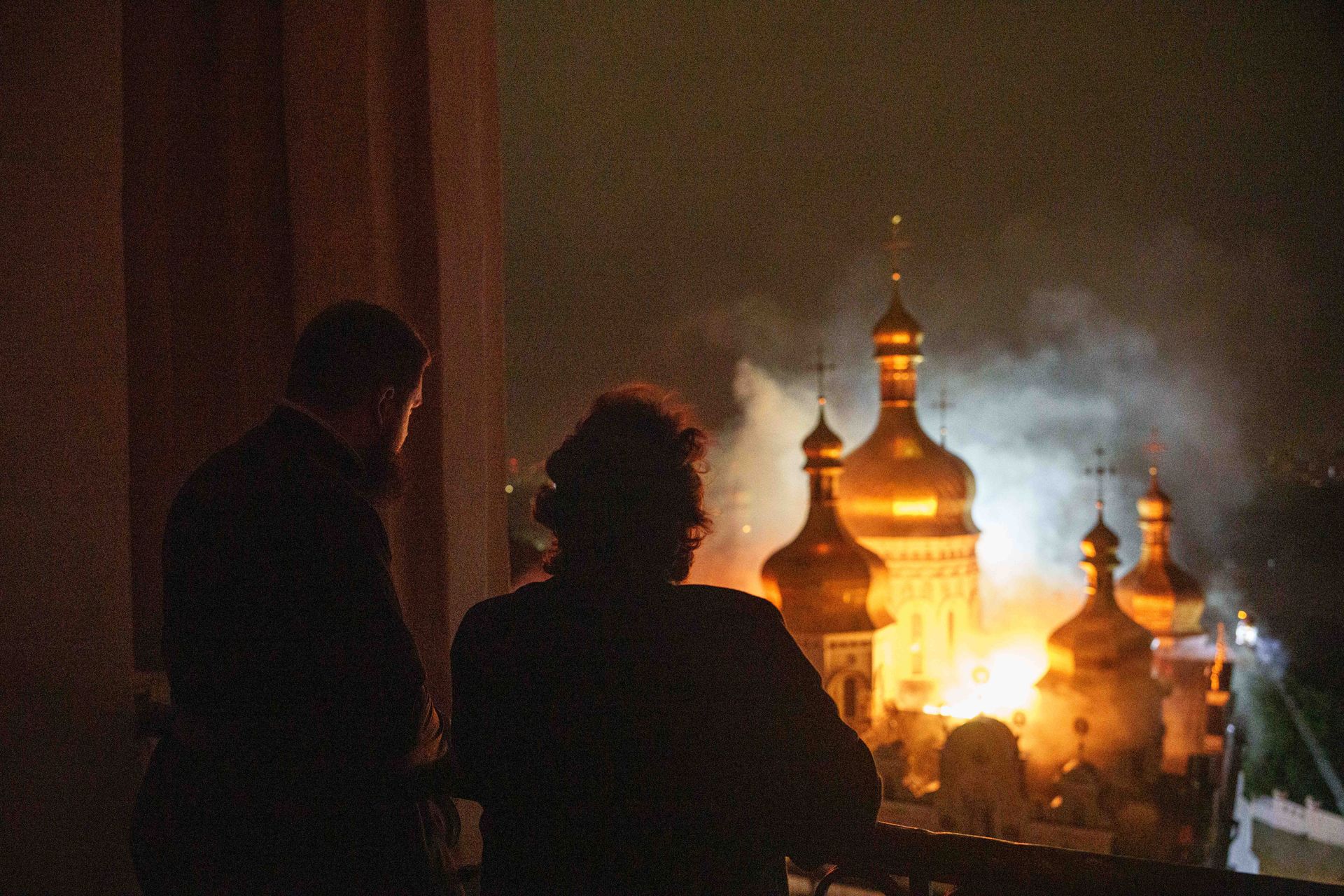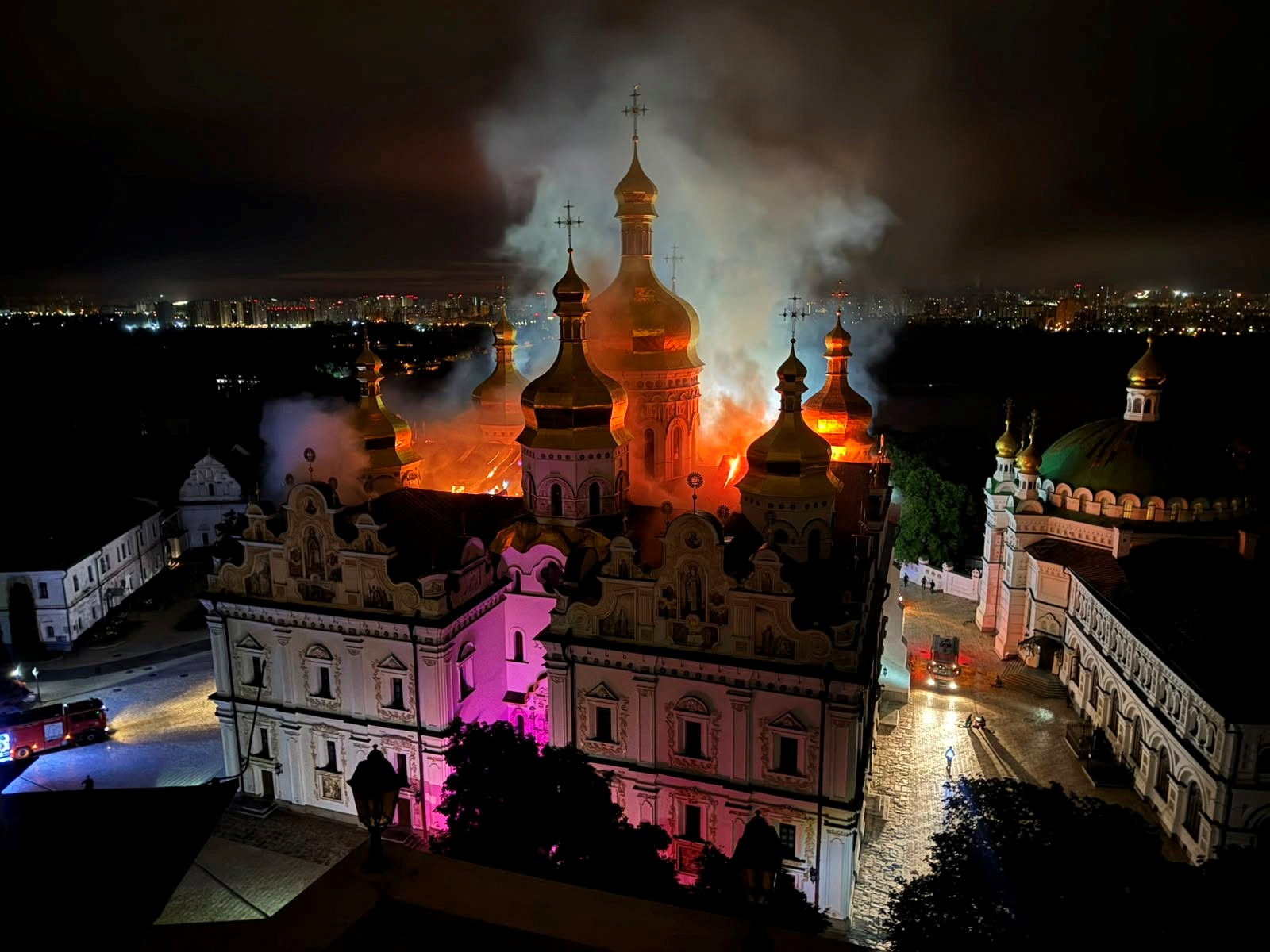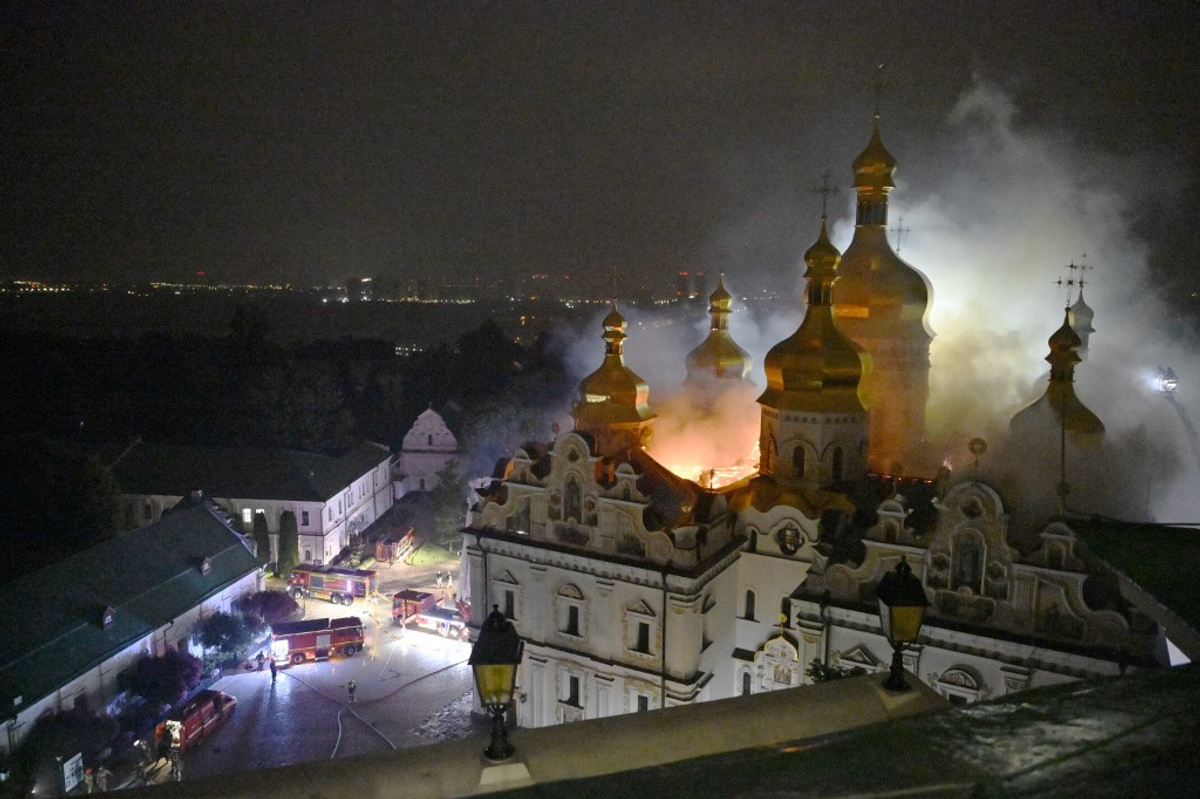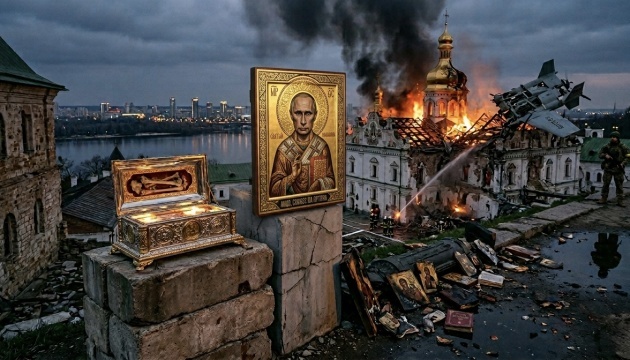
From Shrine to Target: The Kyiv Pechersk Lavra Recast as a “Decision-Making Center”
In December 2012, shortly after securing a third presidential term, Vladimir Putin addressed a gathering of his confidants and offered a striking comparison: he equated Lenin’s Mausoleum with the Kyiv Pechersk Lavra.
“They say the Mausoleum does not conform to our traditions. But why? Look at the relics in the Kyiv Pechersk Lavra and in other monasteries... Of course, we need to return to our roots,” Putin declared with characteristic solemnity.
Yet this attempt to place the incorrupt relics of Christian saints on the same sacred plane as the embalmed body of a militant atheist—under whose rule churches were destroyed and clergy persecuted—was only the beginning. At the time, few recognized it for what it was: the symbolic laying of the foundation stone for one of the Kremlin’s most ambitious ideological projects—the replacement of canonical Christianity with a new state creed, “Putinism.”
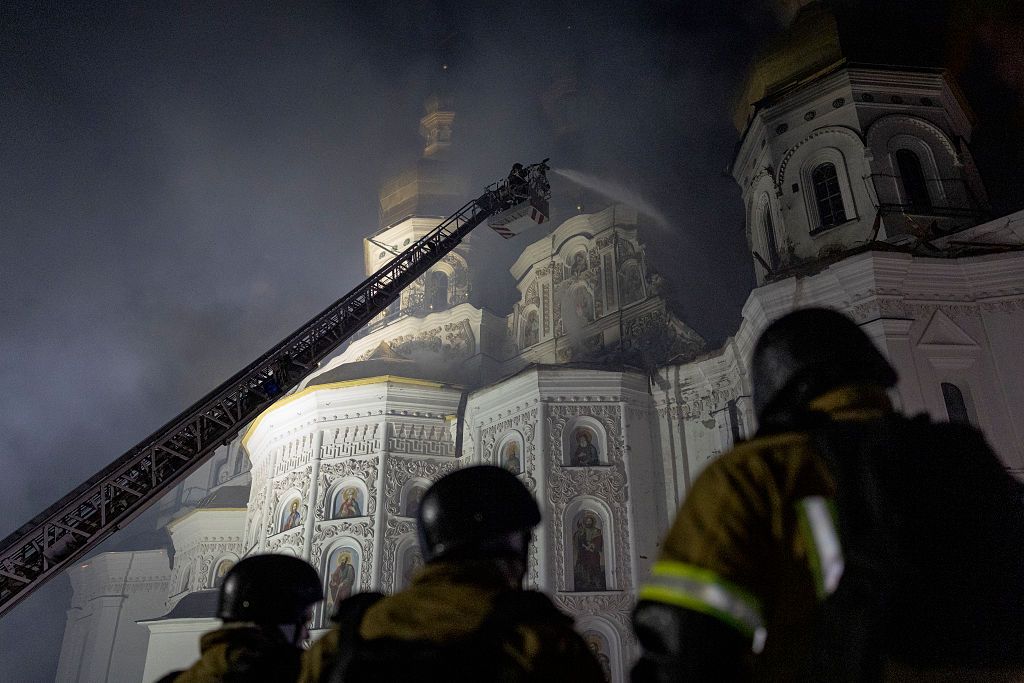
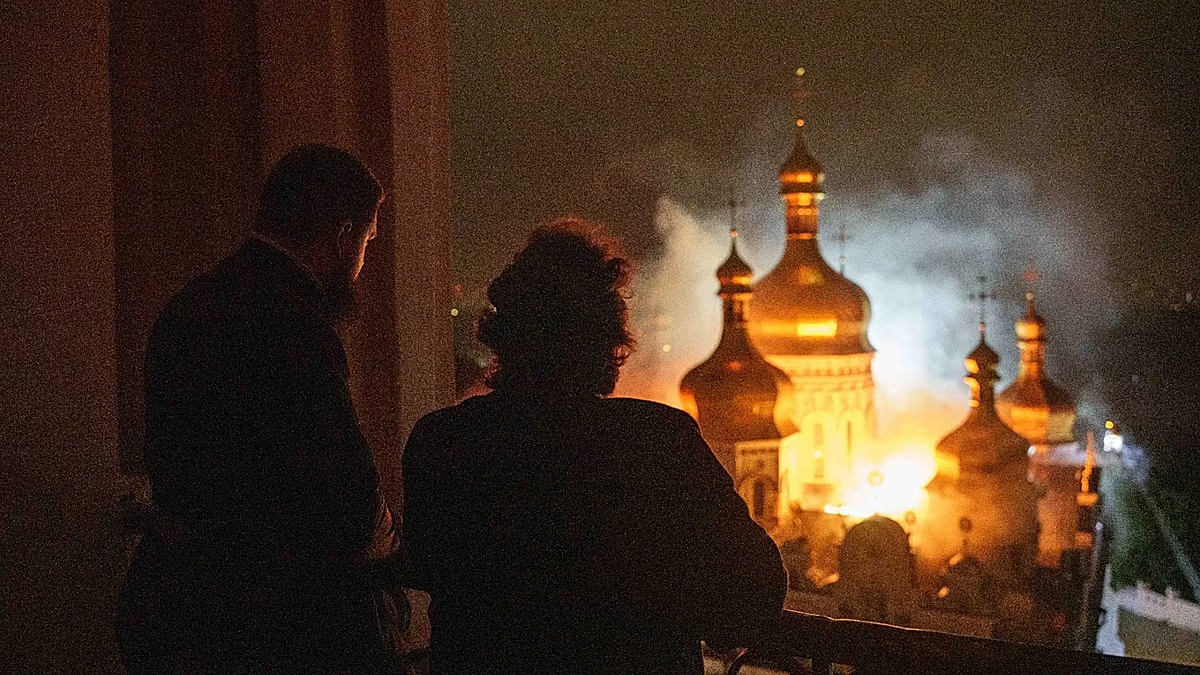
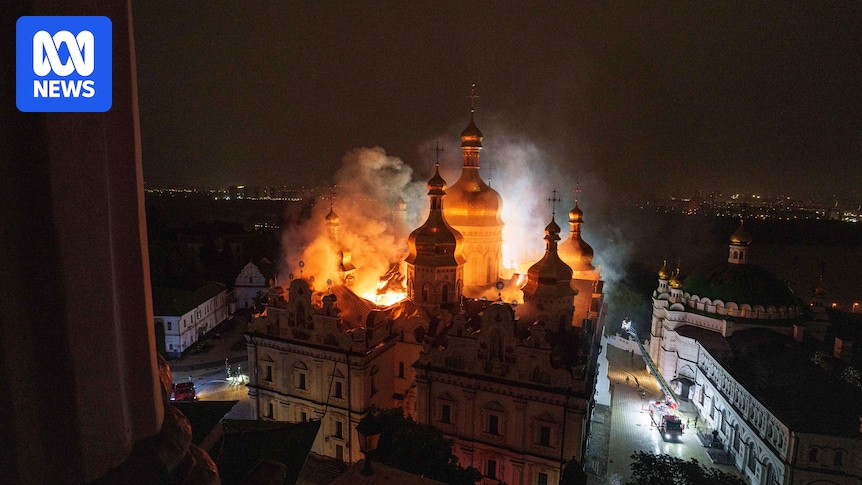
Putin’s remarks revealed a deeper truth. For the Kremlin, the Kyiv Pechersk Lavra was never merely a sacred site; it was a geopolitical asset. By June 2026, it had effectively been recast not as a “spiritual center,” but as a “decision-making center.”