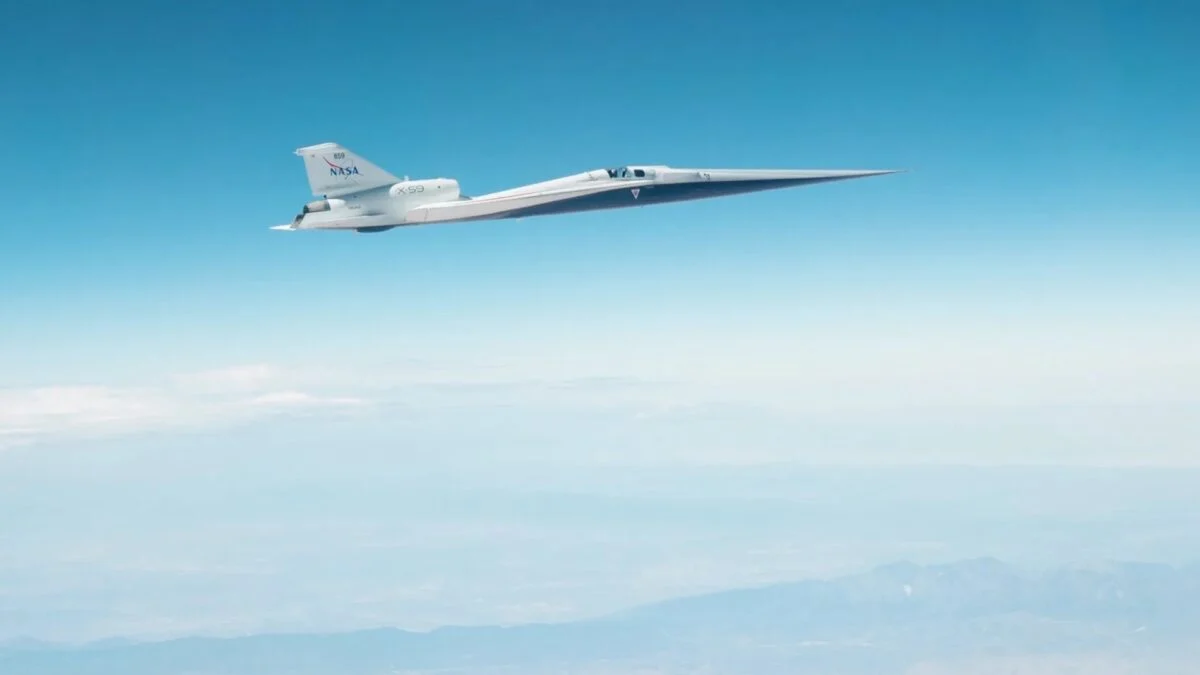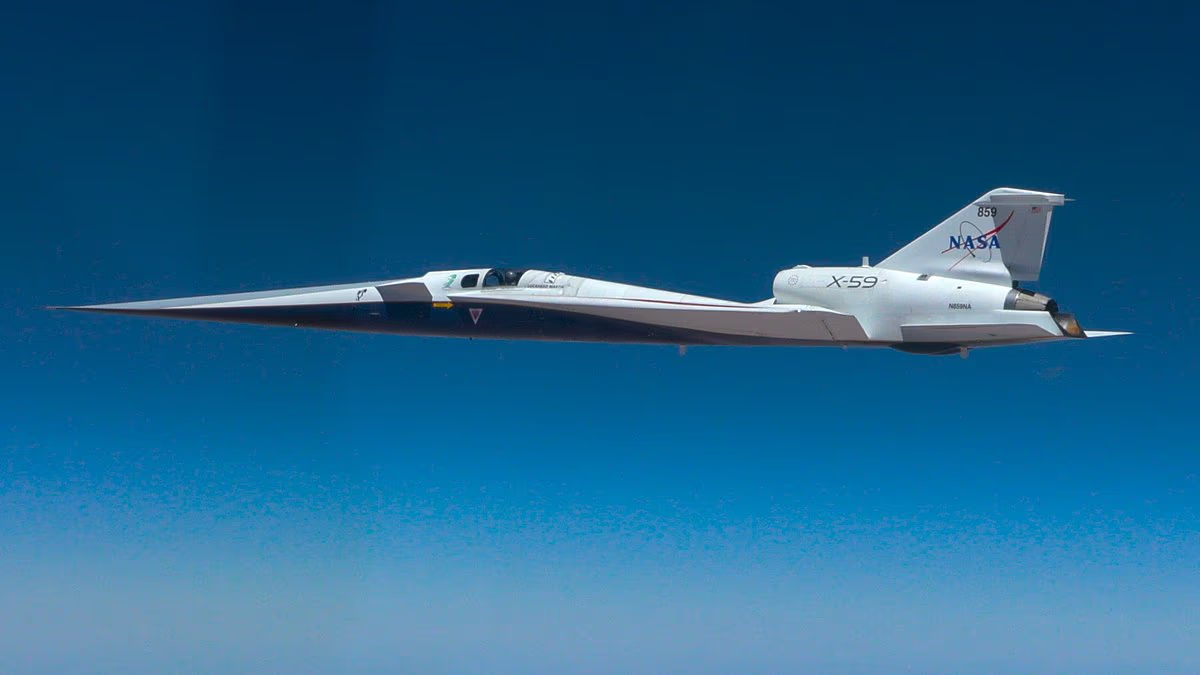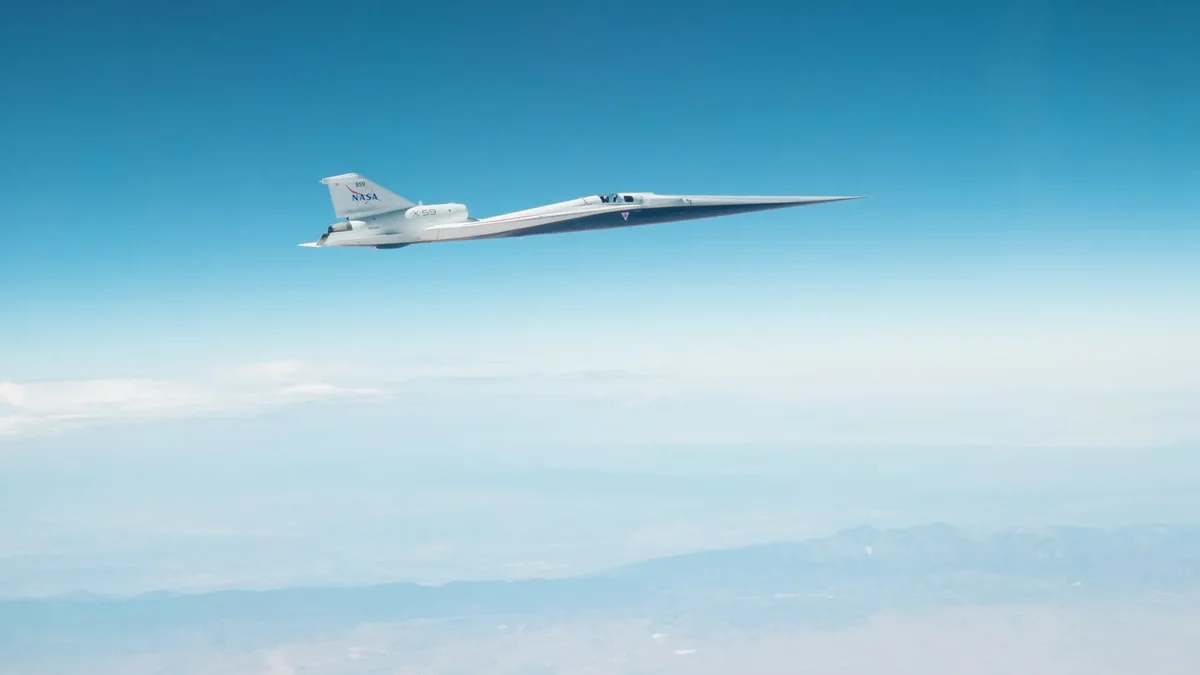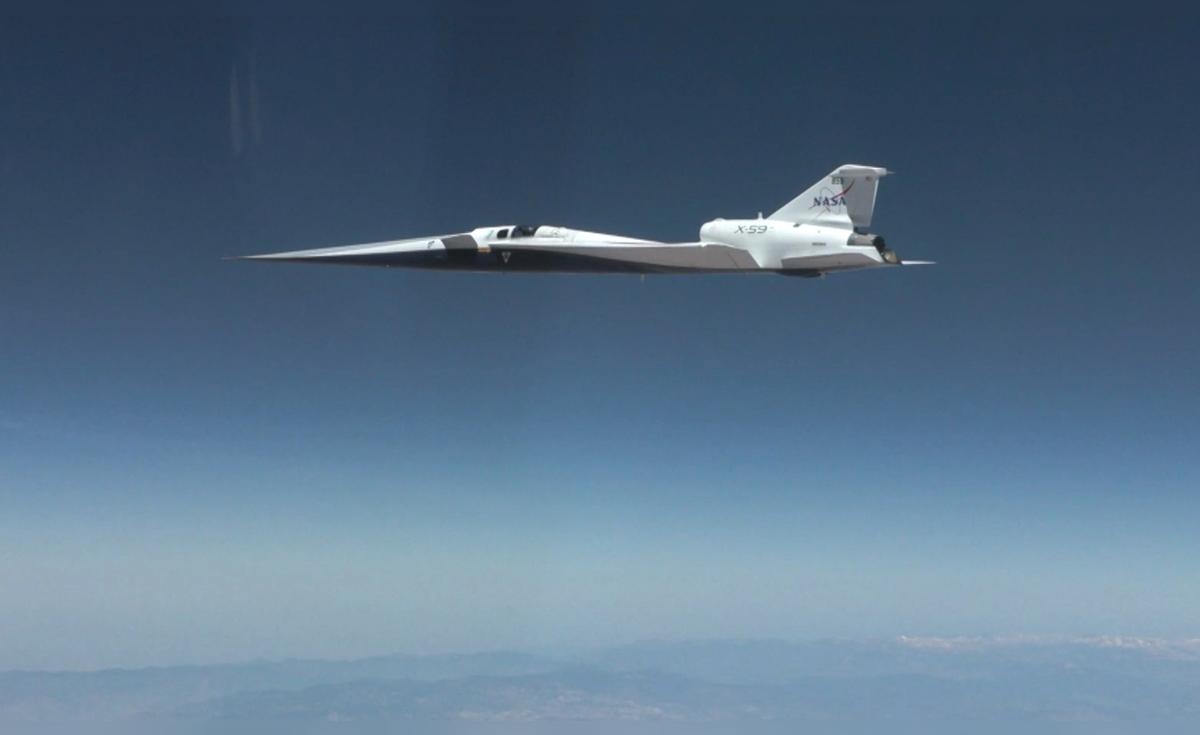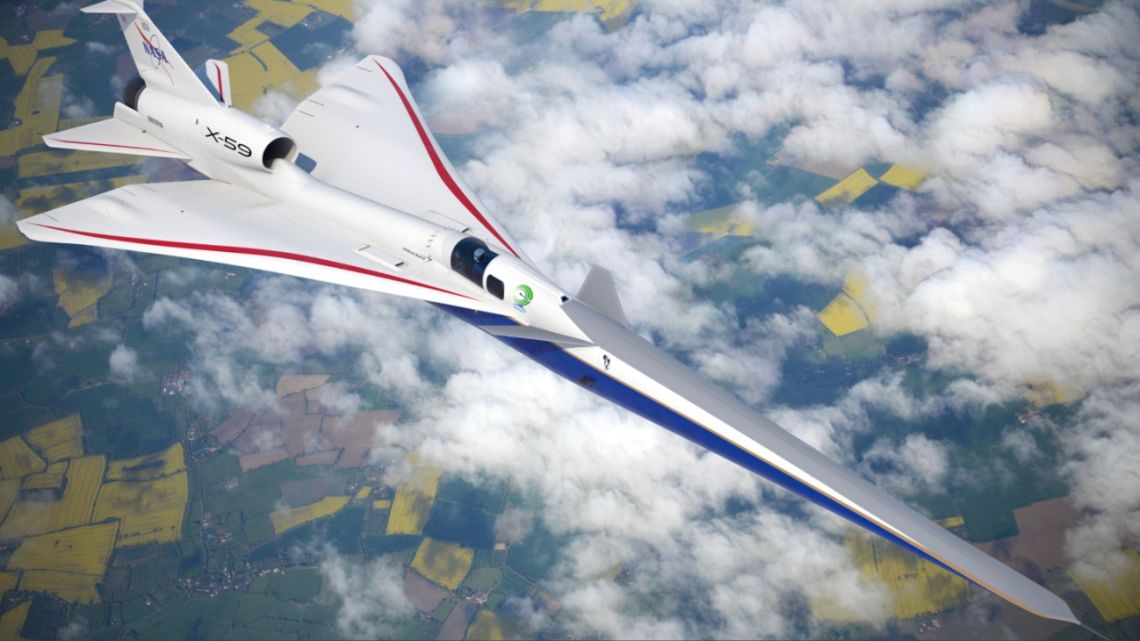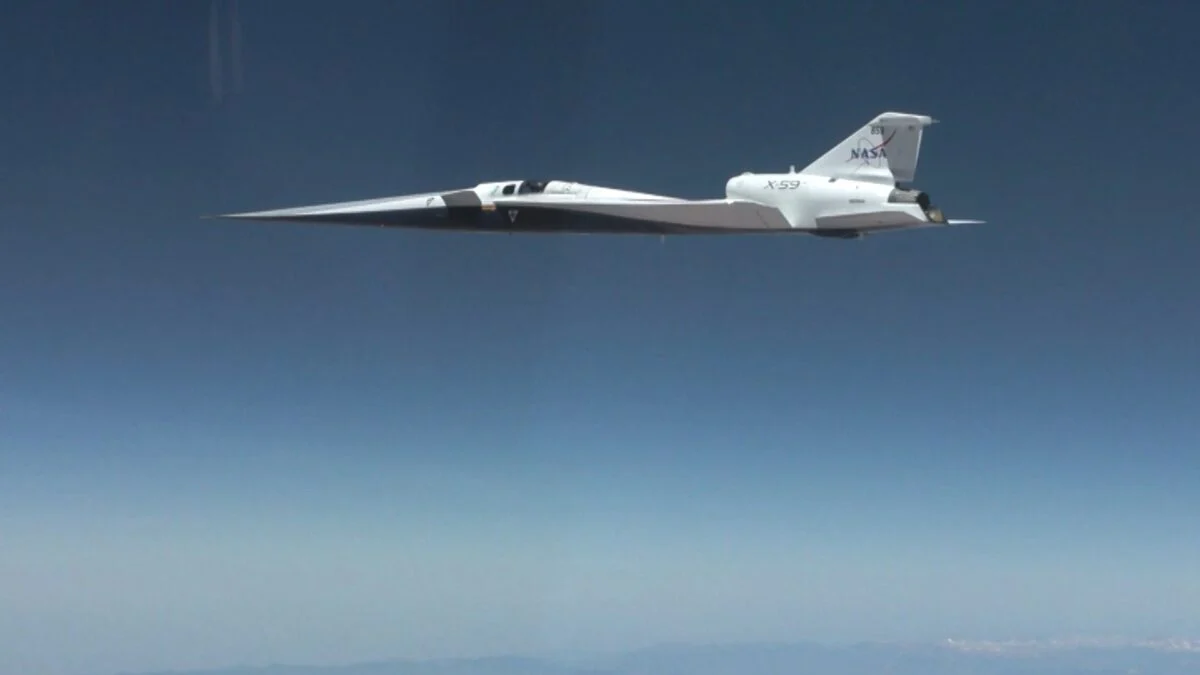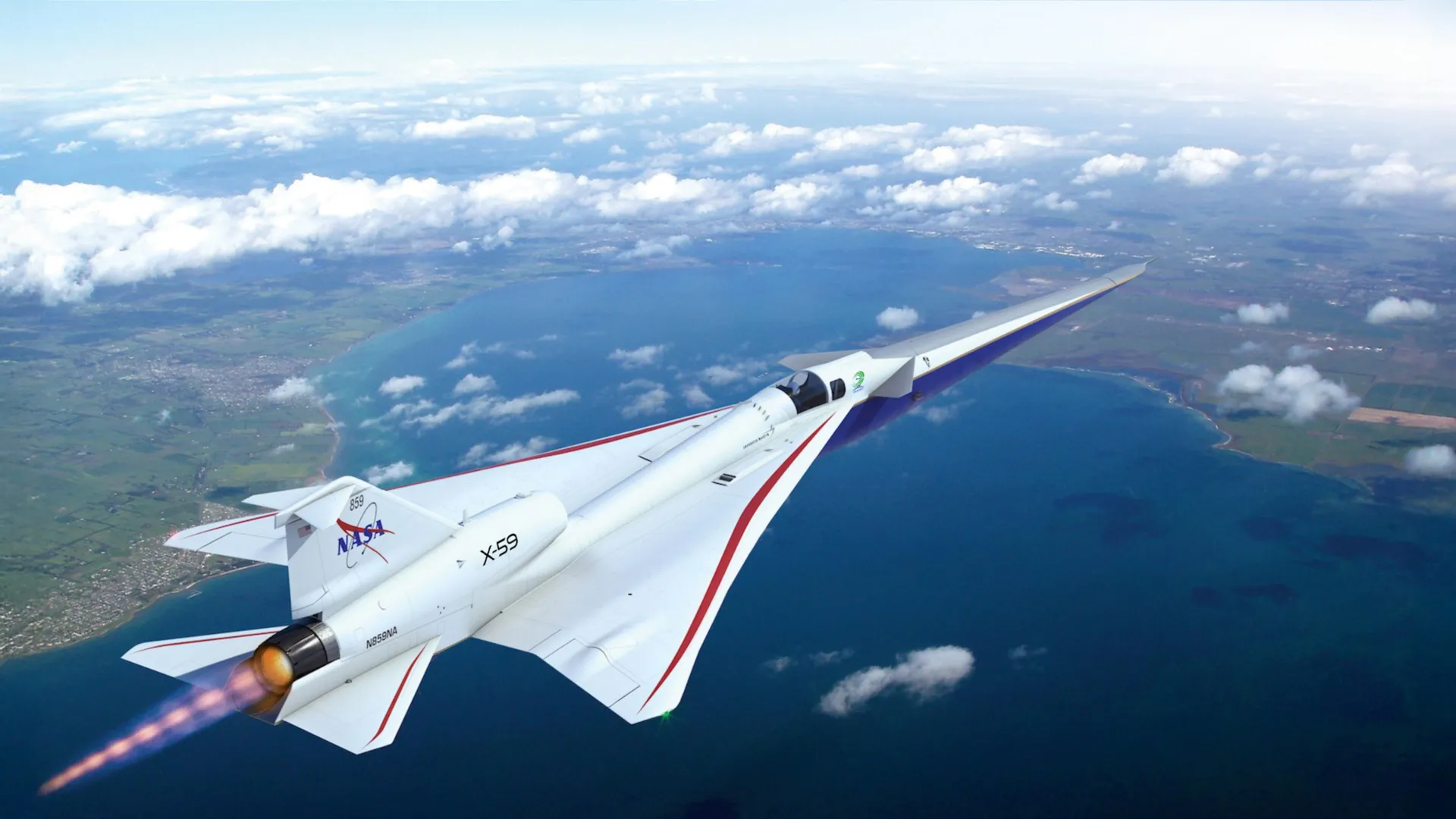
NASA’s X-59 is quietly reaching significant milestones.
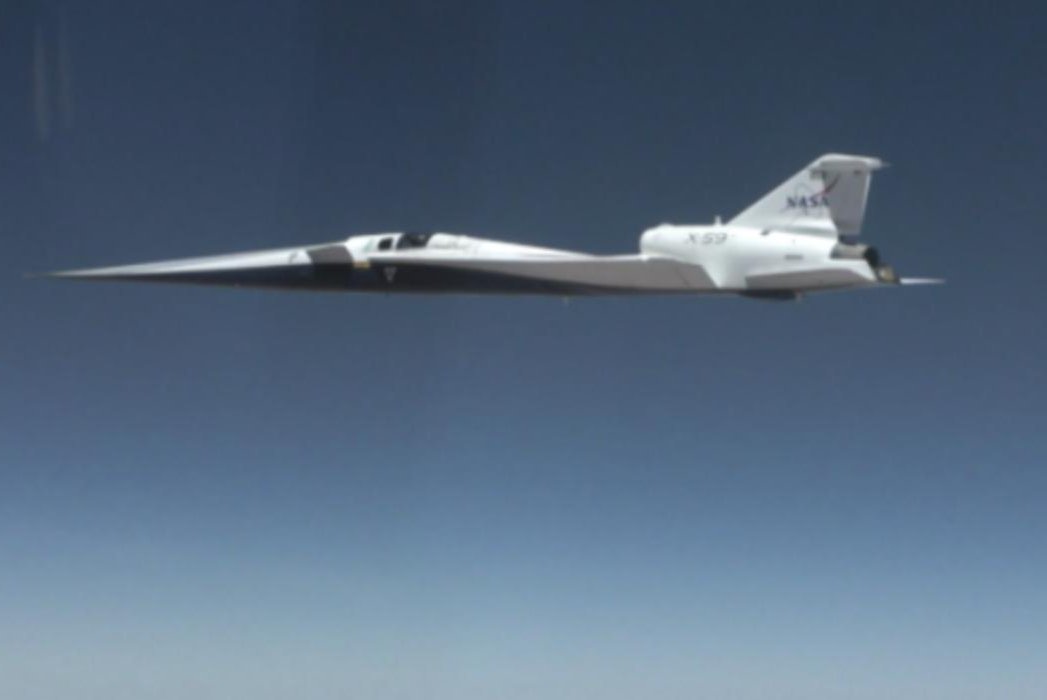
The experimental supersonic aircraft, developed in partnership with Lockheed Martin, broke the sound barrier during two separate test flights in June. The tests mark a significant step in NASA’s quest for “quiet supersonic” flight, with the X-59 eventually expected to exceed the speed of sound with only a small thump, rather than the typical explosive boom.
The X-59 went supersonic for the first time on June 5, reaching a top speed of approximately Mach 1.1 (713 mph) and an altitude of 43,400 feet on an 81-minute mission from Edwards Air Force Base in California. That flight showed the aircraft performed as expected at high speeds, NASA said.
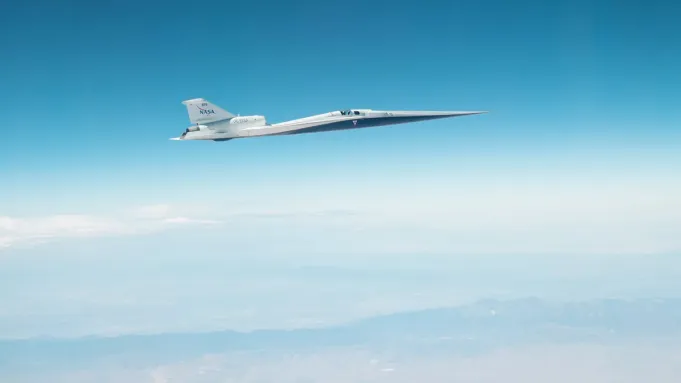
The next flight, carried out a week later on June 12, was even more critical, with the aircraft flying in the conditions it will also navigate in the future. The jet reached a top speed of Mach 1.4 (about 924 mph) and an altitude of 55,000 feet in just over an hour. It will fly at the same speed and altitude on upcoming flights over communities throughout the U.S. as NASA gathers public feedback on noise levels.
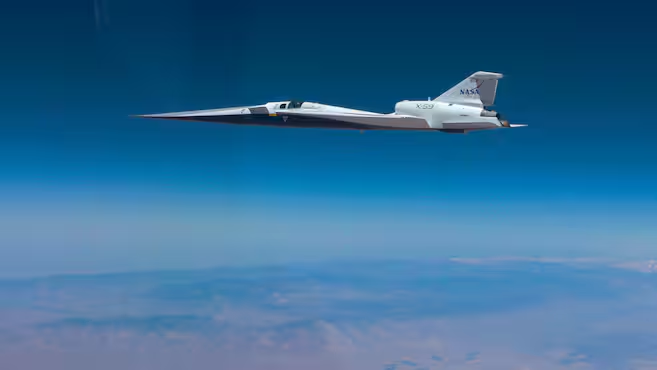
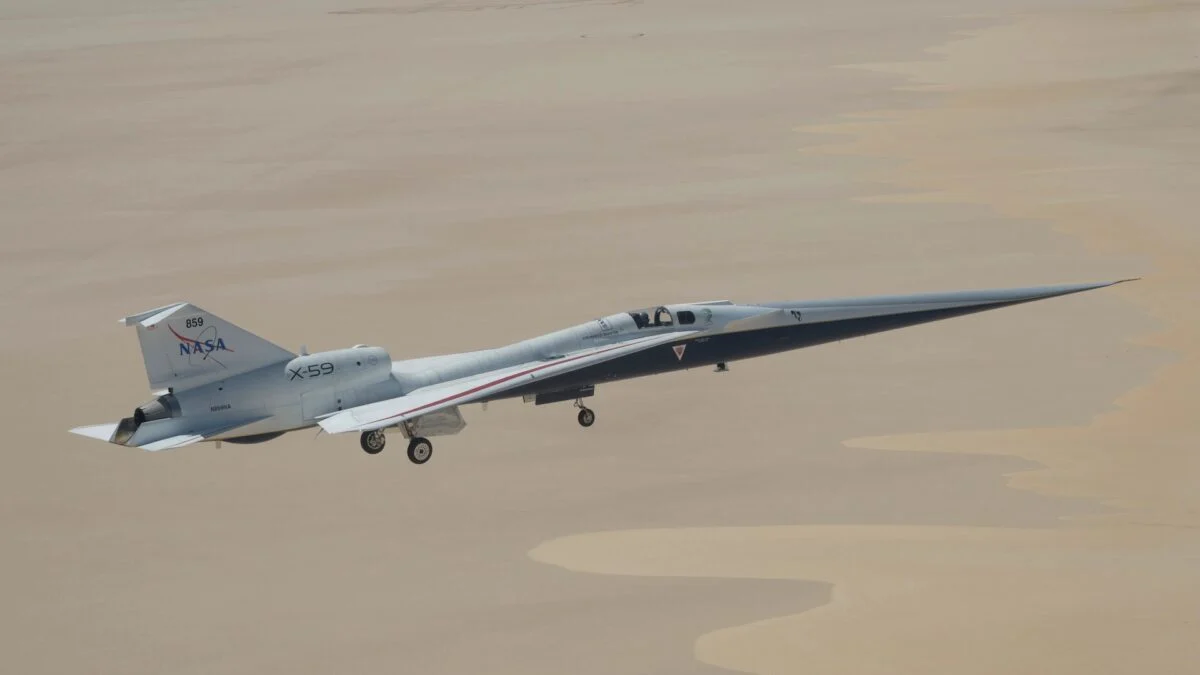
The X-59 taking flight for the first time in October 2025.