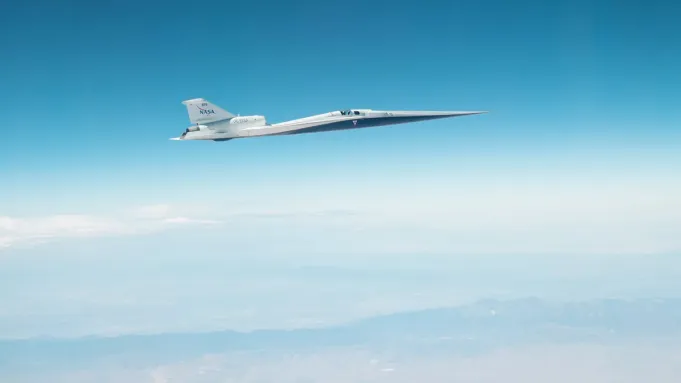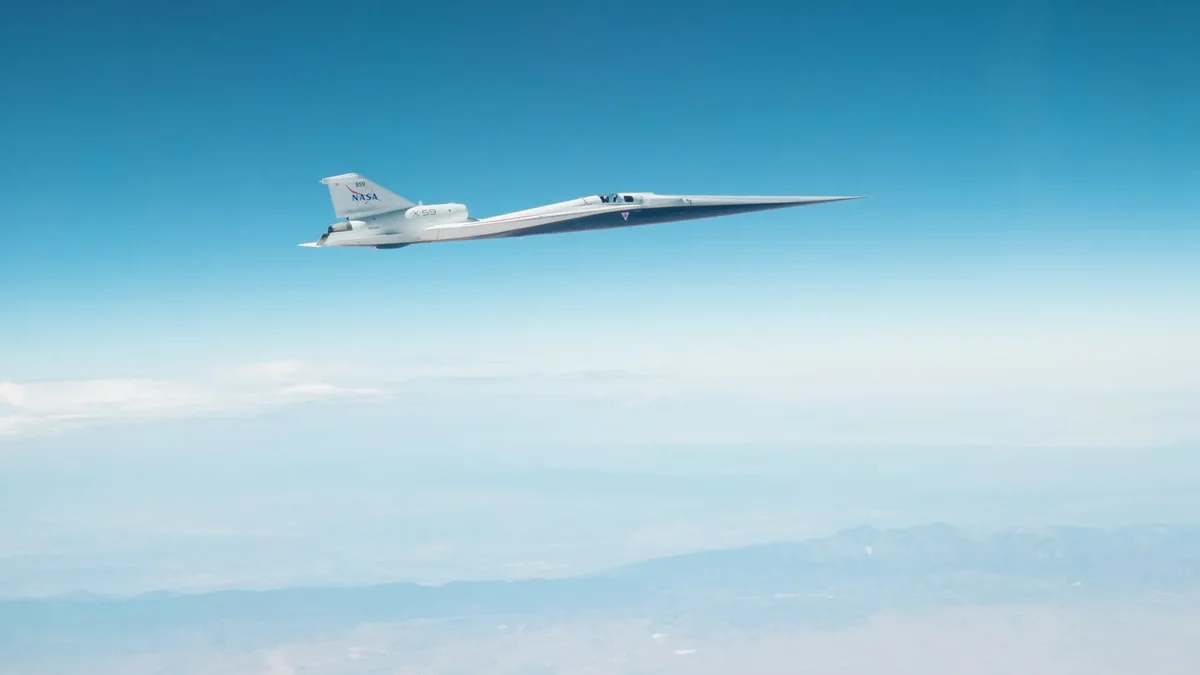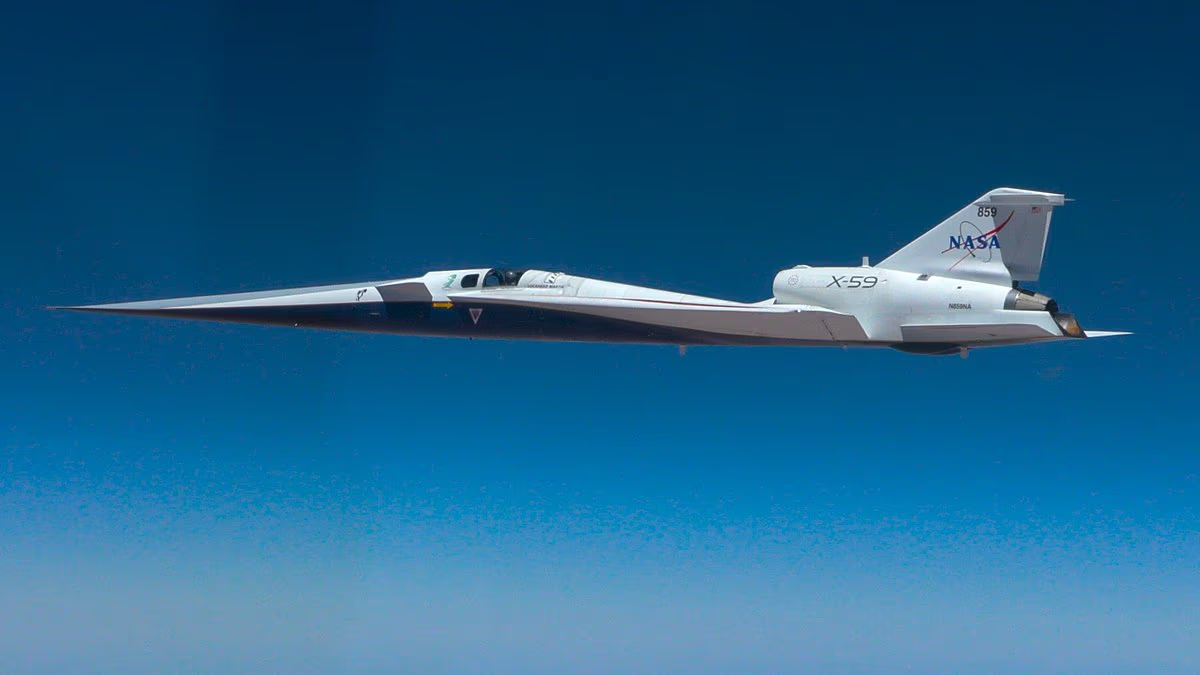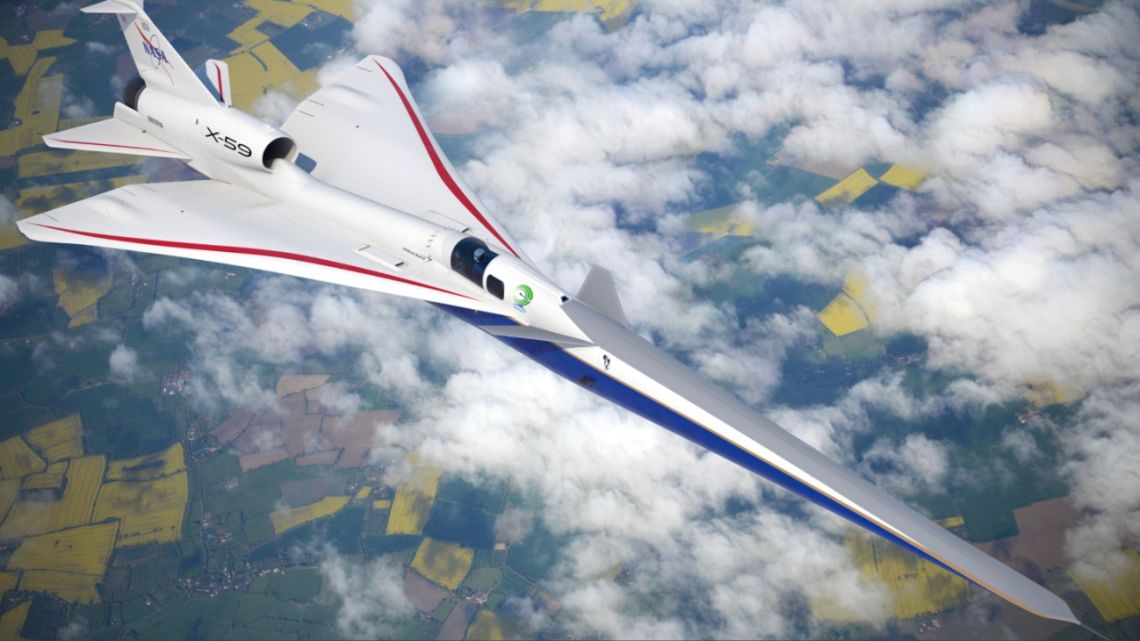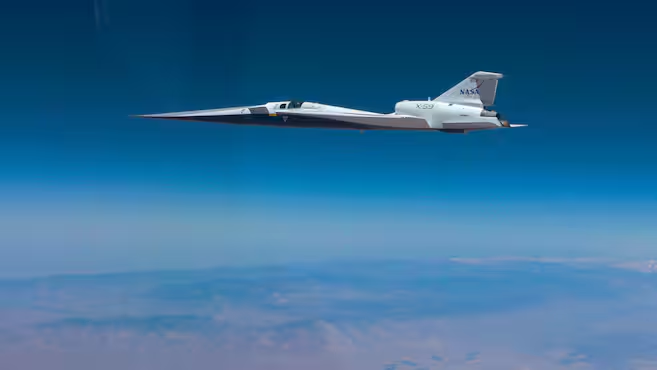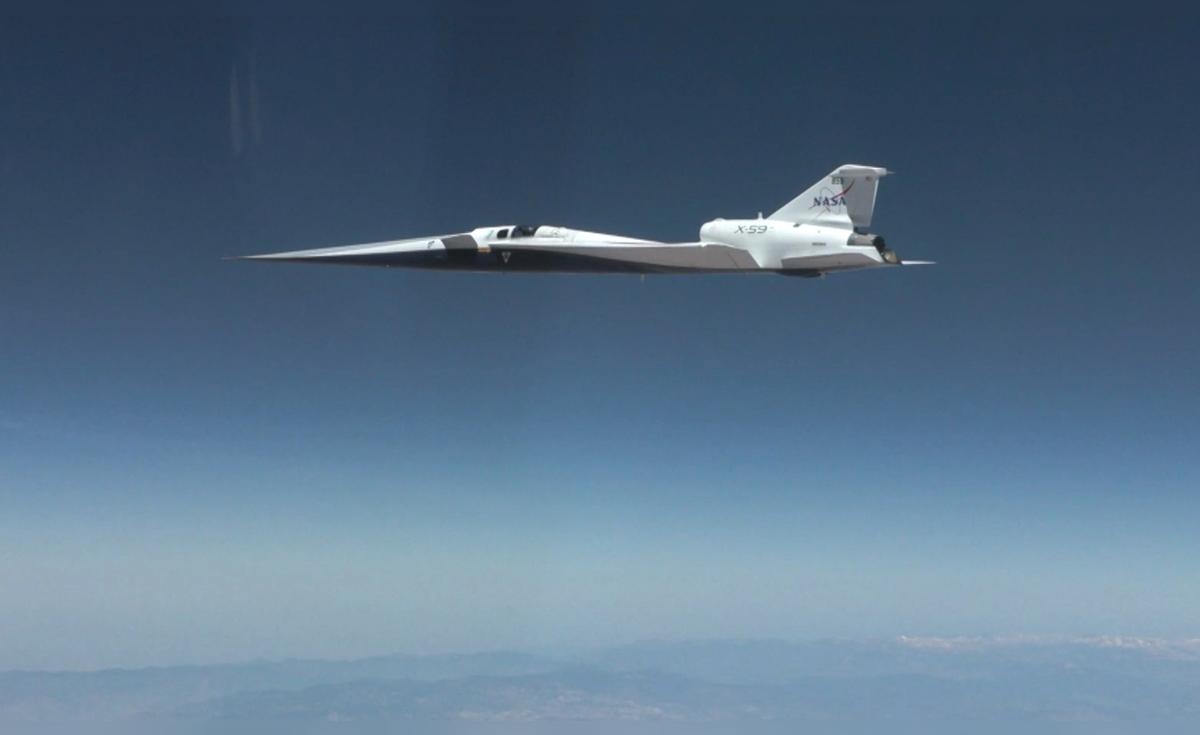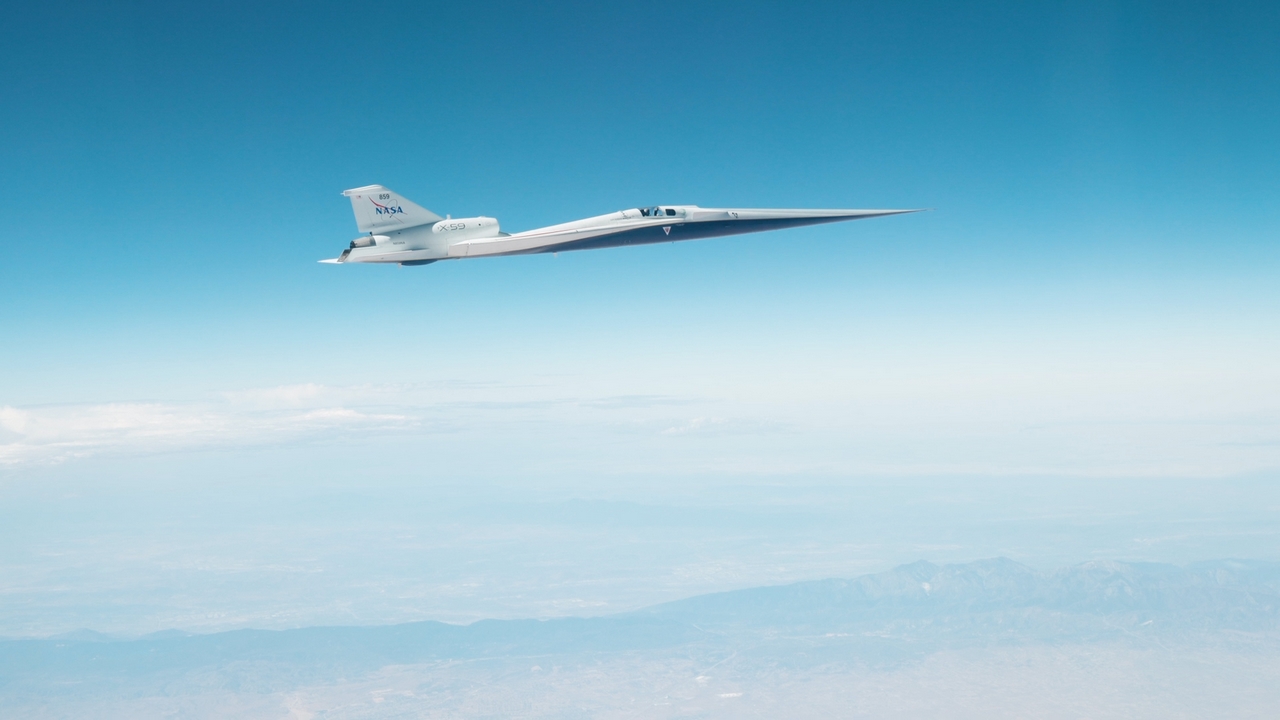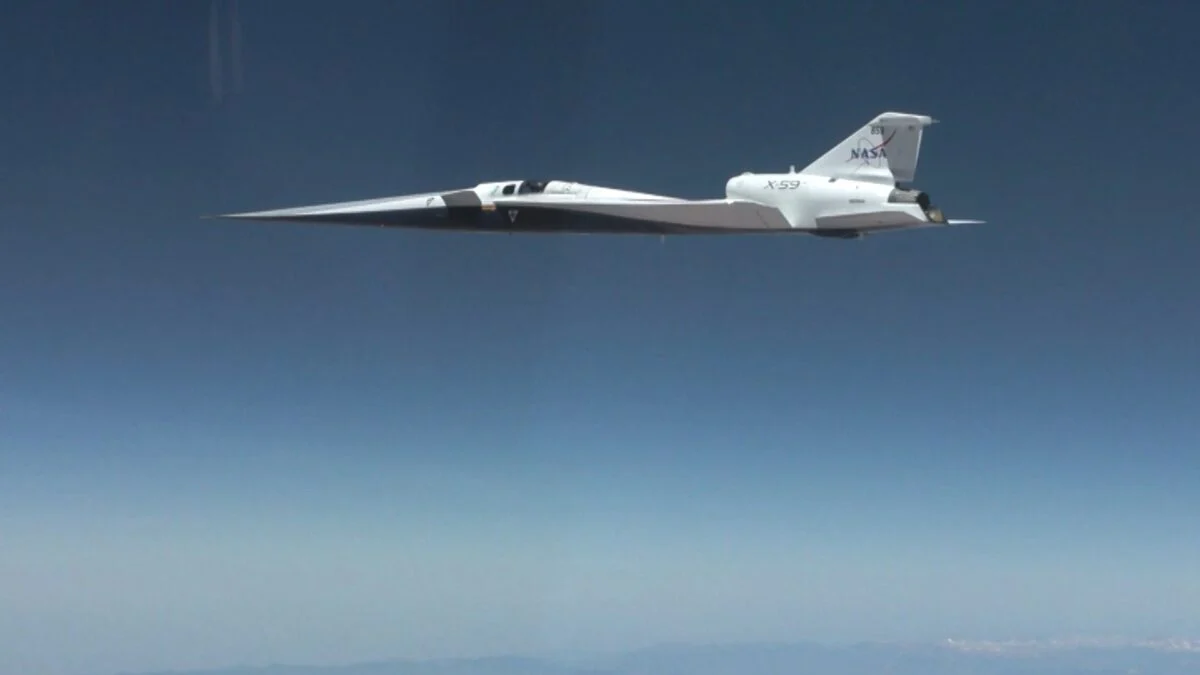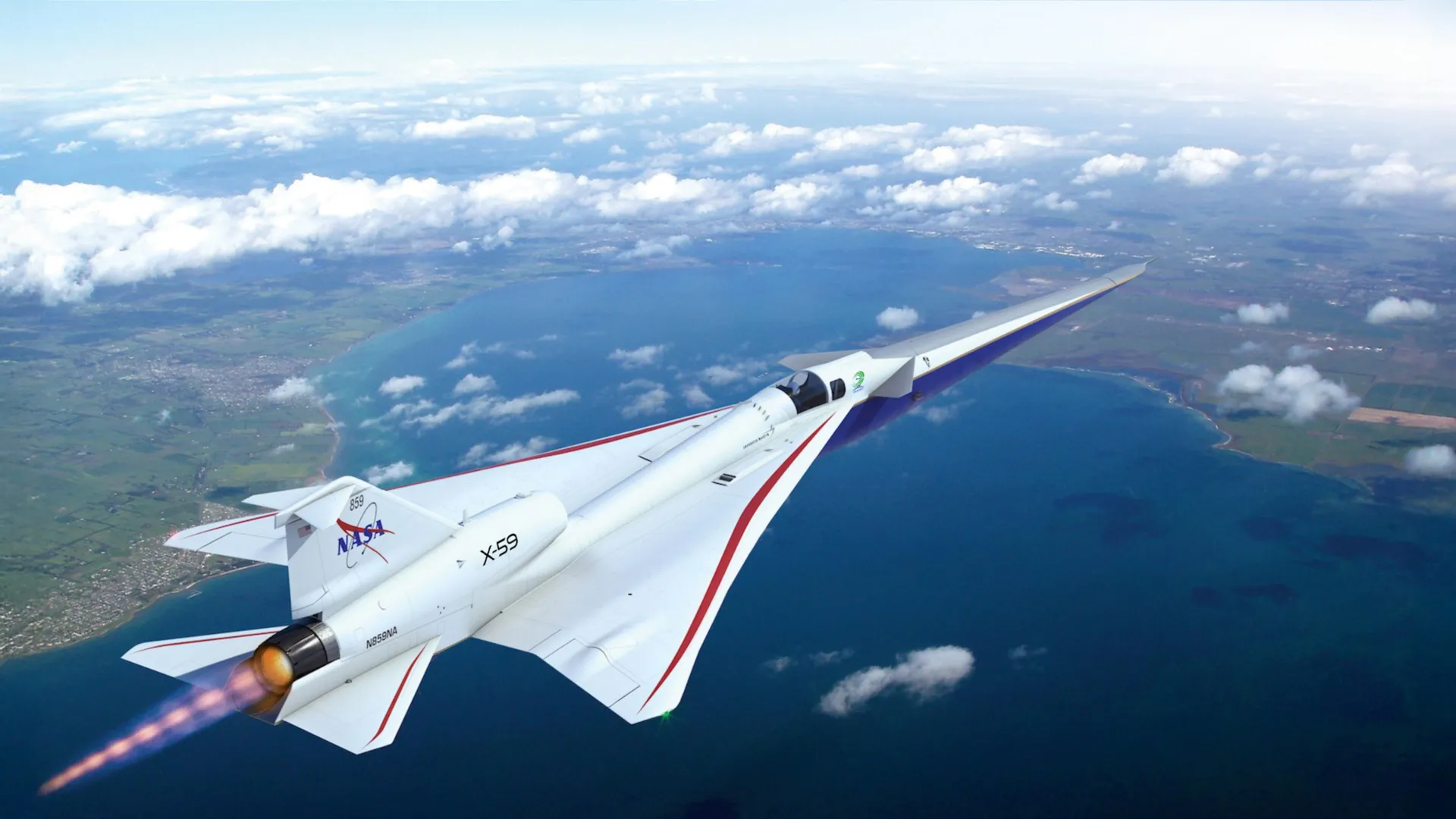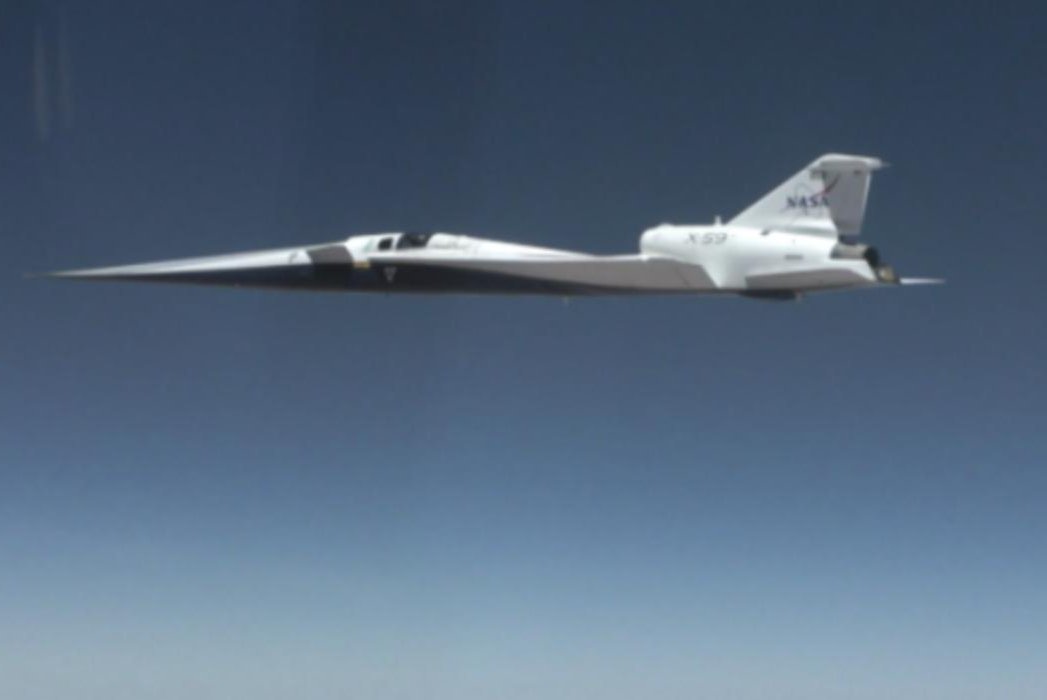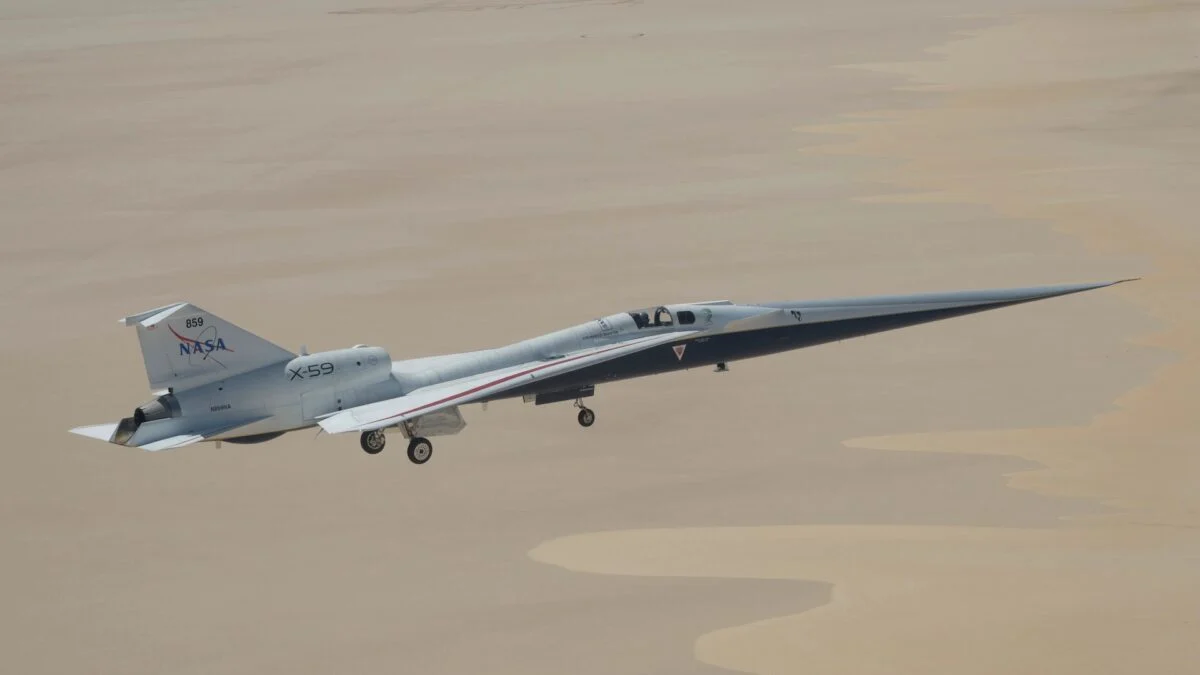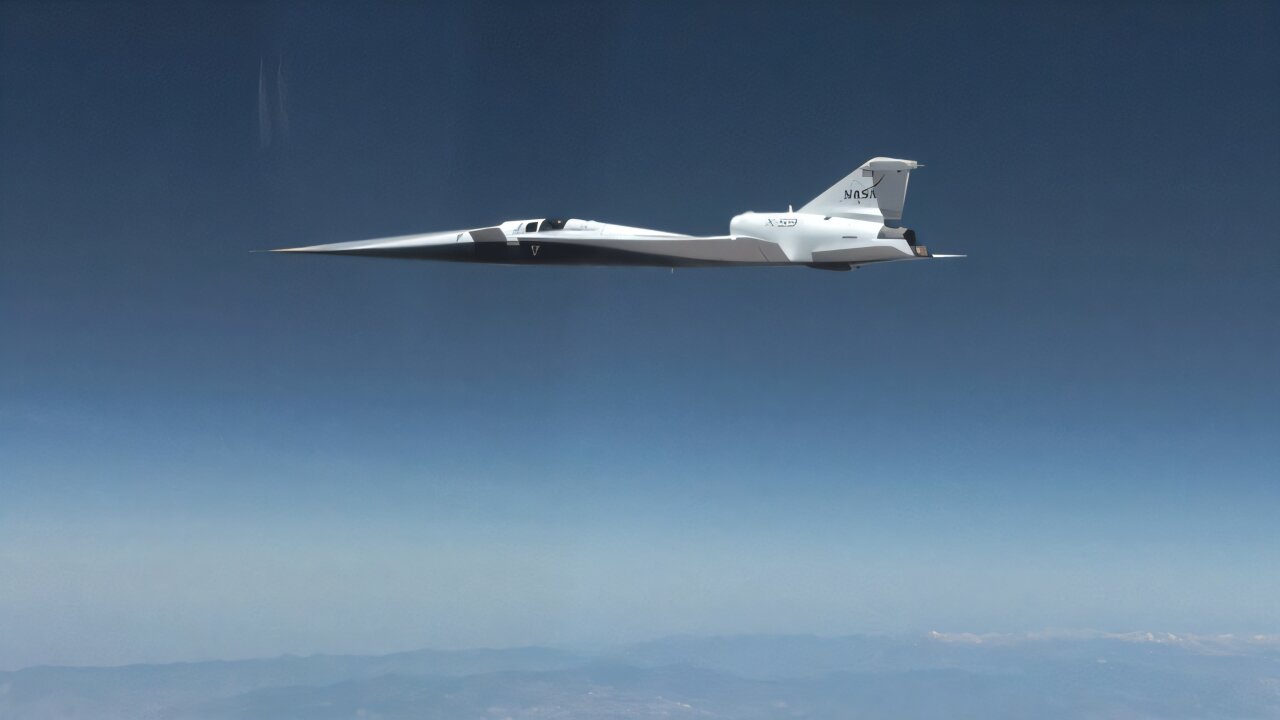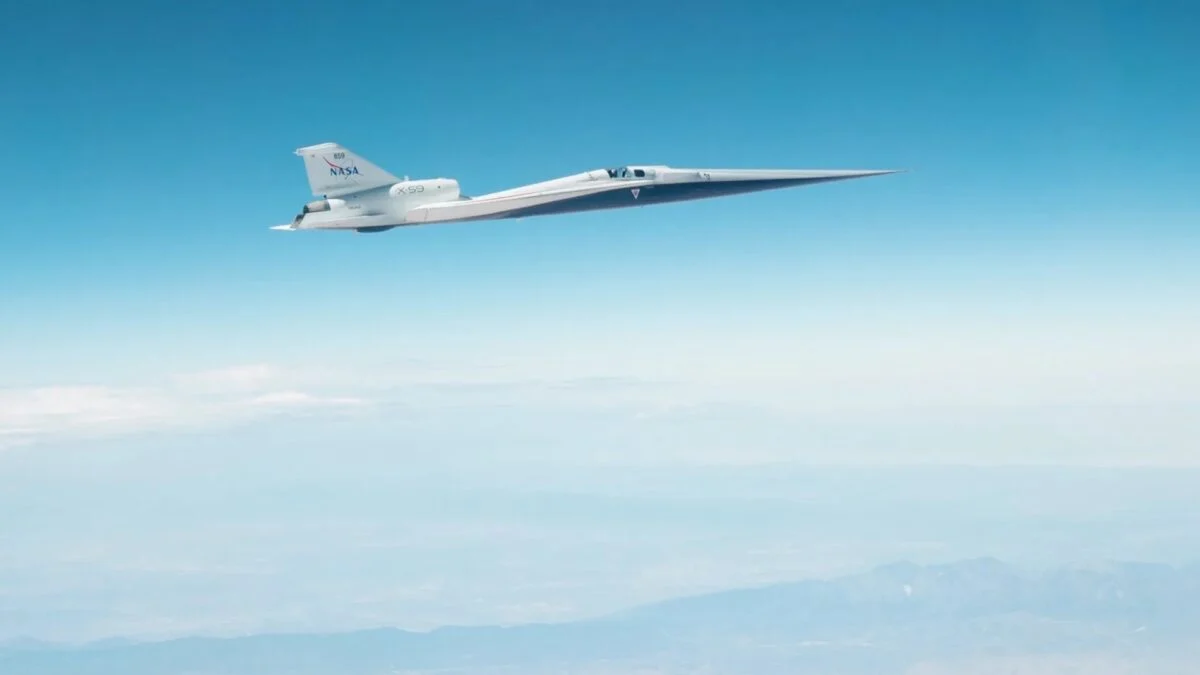
After breaking the sound barrier for the first time, NASA’s X-59 supersonic jet flew faster and at higher altitudes in preparation for its most crucial test. The experimental aircraft reached a speed of Mach 1.4 during a test flight on Friday, June 12, flying at the same conditions NASA will use to gather data from the public on the aircraft’s noise, according to the space agency. The X-59 is designed to break the sound barrier without producing the loud, explosive sound known as a sonic boom. NASA is preparing to fly the aircraft above selected U.S. communities to gauge public response, aiming to use X-59 to pave the way for supersonic jets to fly over land without their audible disruptions. Full speed ahead The X-59 broke the sound barrier for the first time on June 5, reaching a top speed of approximately Mach 1.1, or 713 miles per hour (1,147 kilometers per hour), as it soared above California’s Mojave Desert. A week later, the aircraft conducted a mission conditions flight, an even more critical step that brings the X-59 closer to operational use. During Friday’s test flight, X-59 flew at 925 miles per hour (1,488 km/h) and at approximately 55,000 feet (16,764 meters). The aircraft will fly at the same speed and altitude over several parts of the U.S. to collect data on public perception of its quiet sonic thump.
NASA's Quiet Supersonic Jet Just Hit Another Major Milestone
X-59 flew at Mach 1.4 in preparation for debuting its quiet thump to the public.
513 words~2 min read