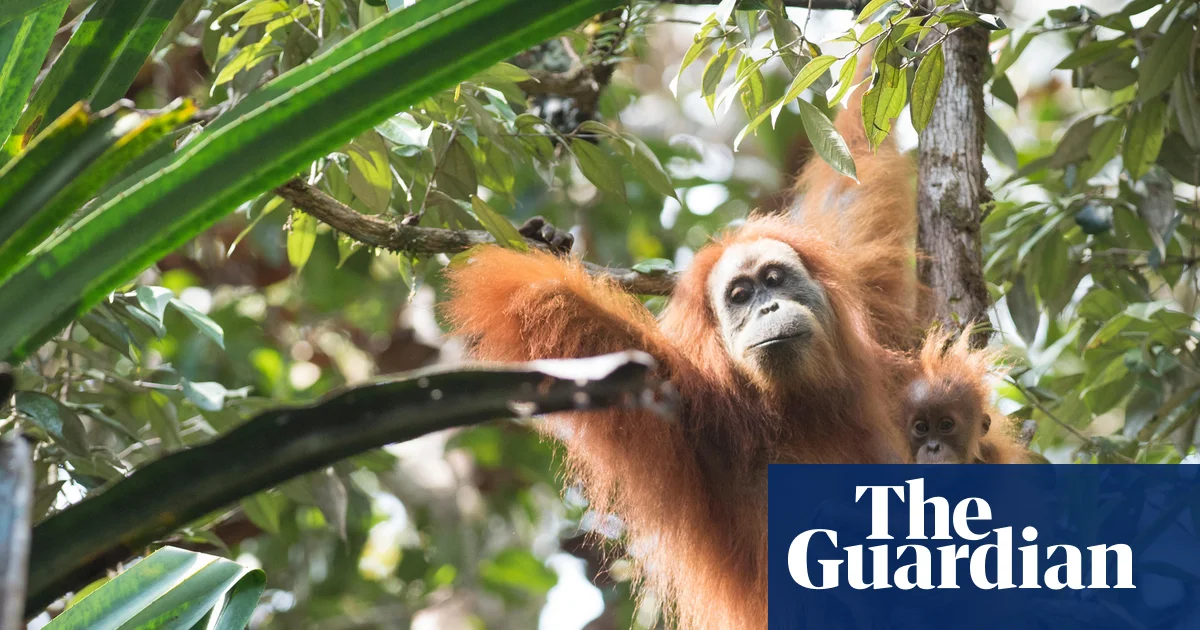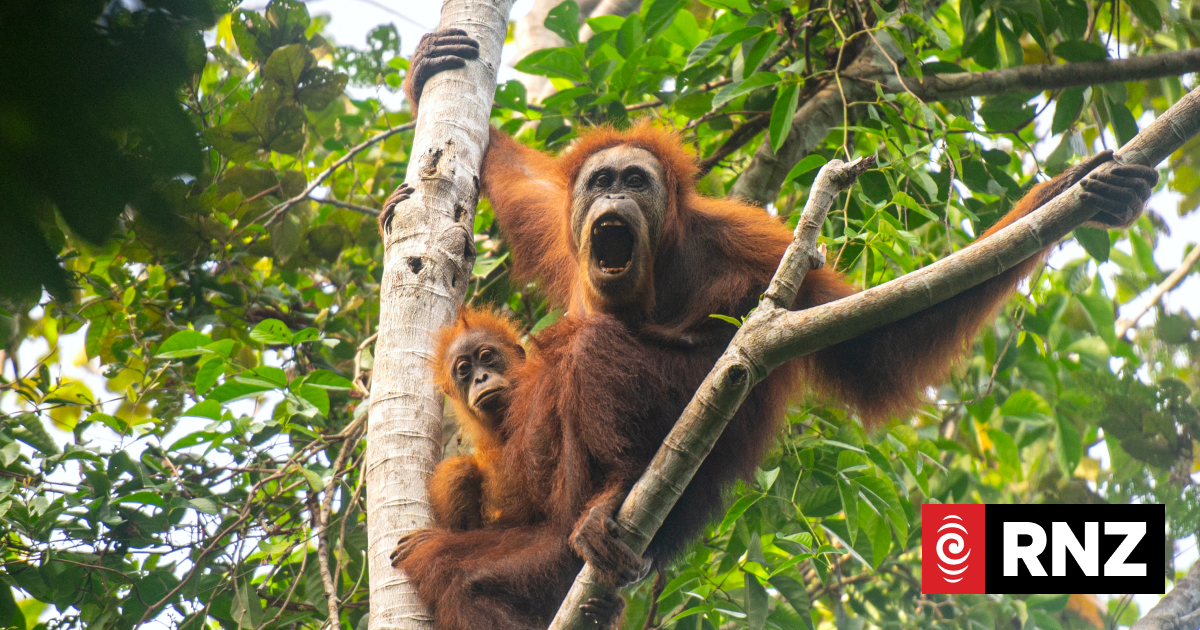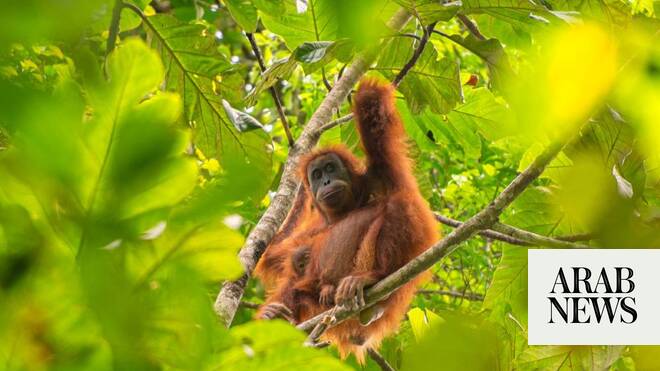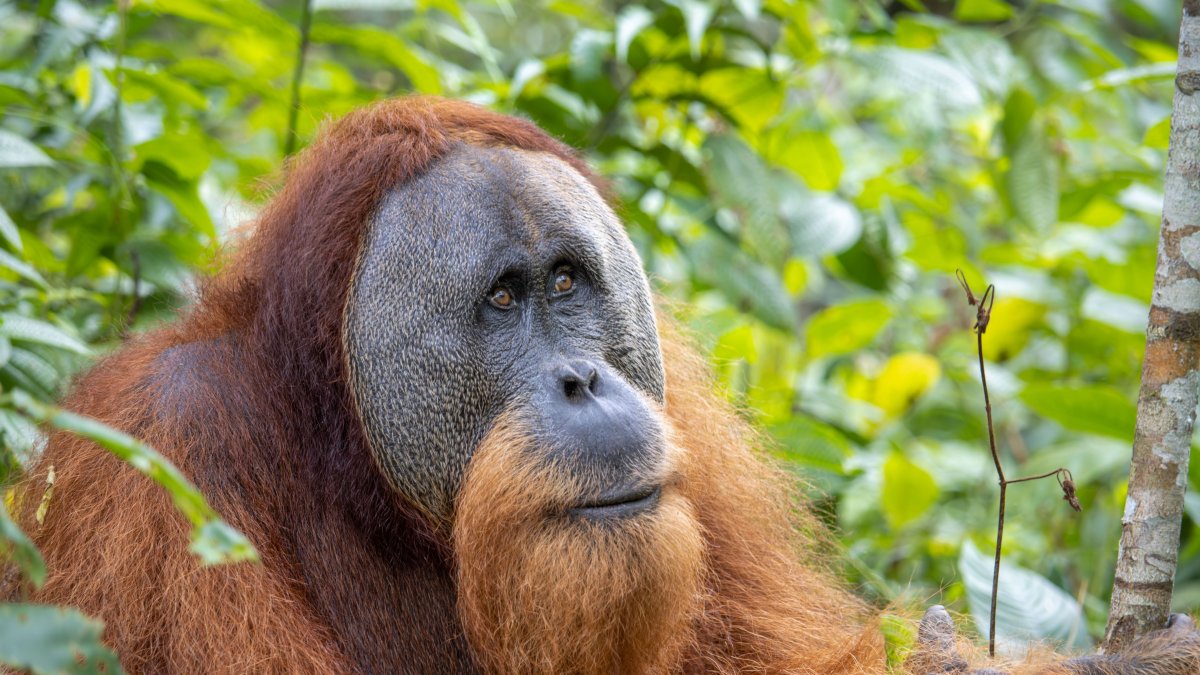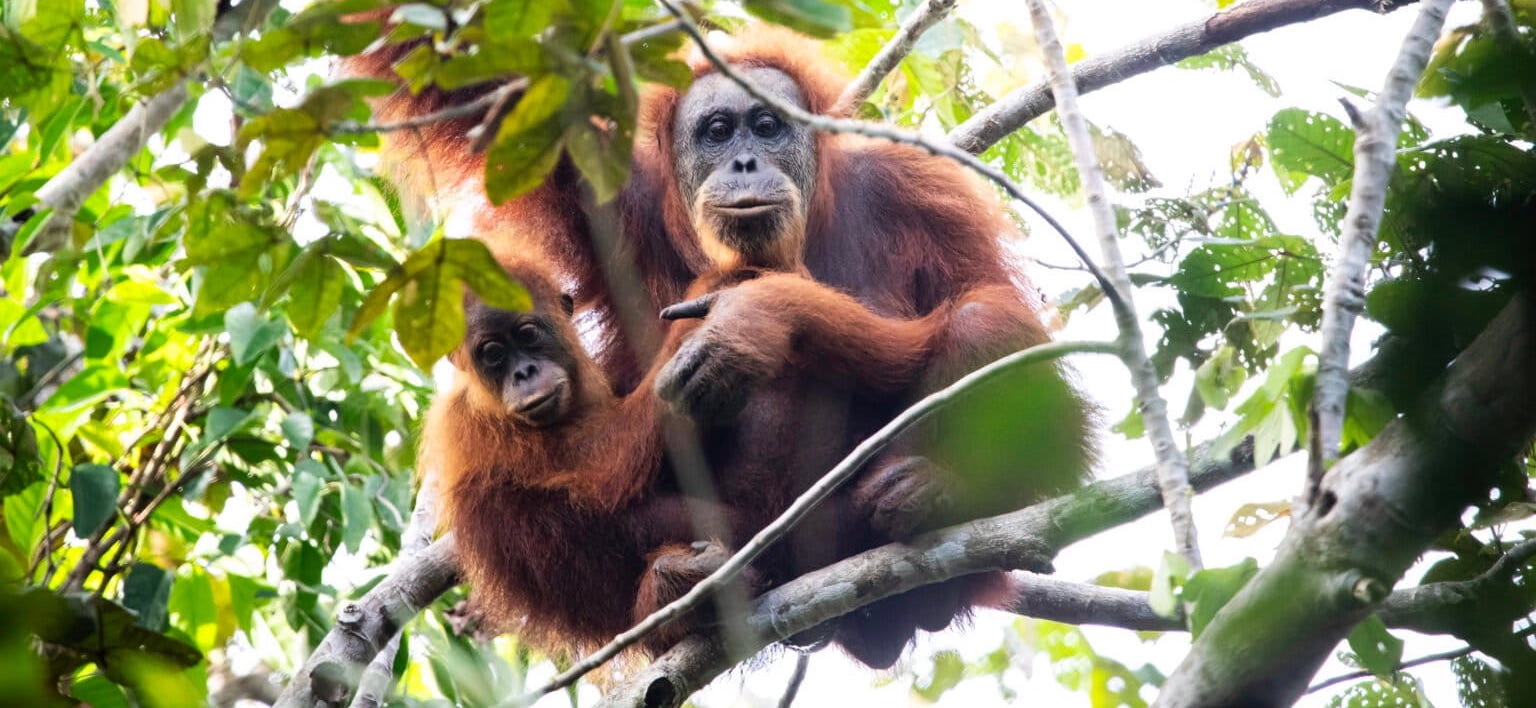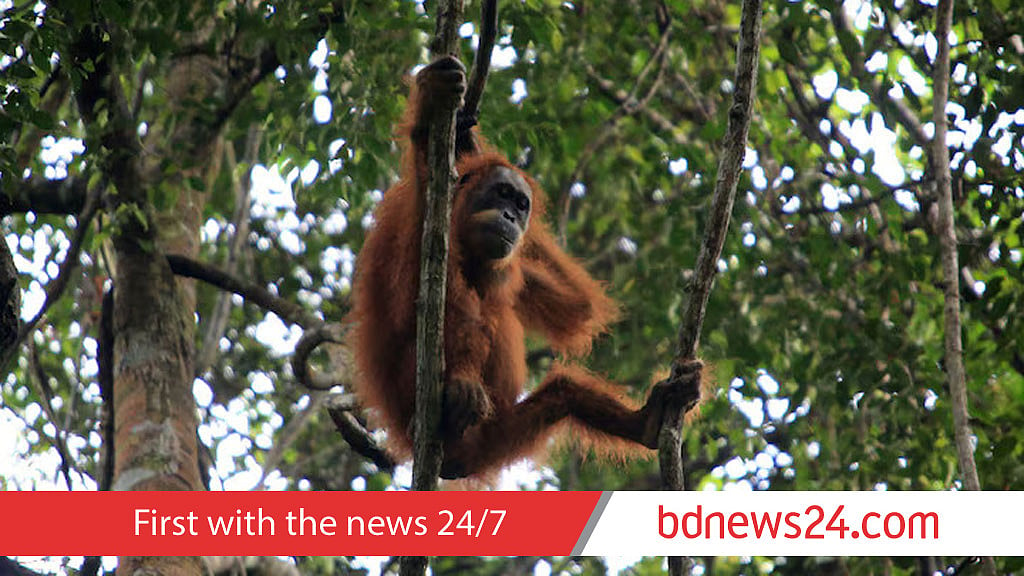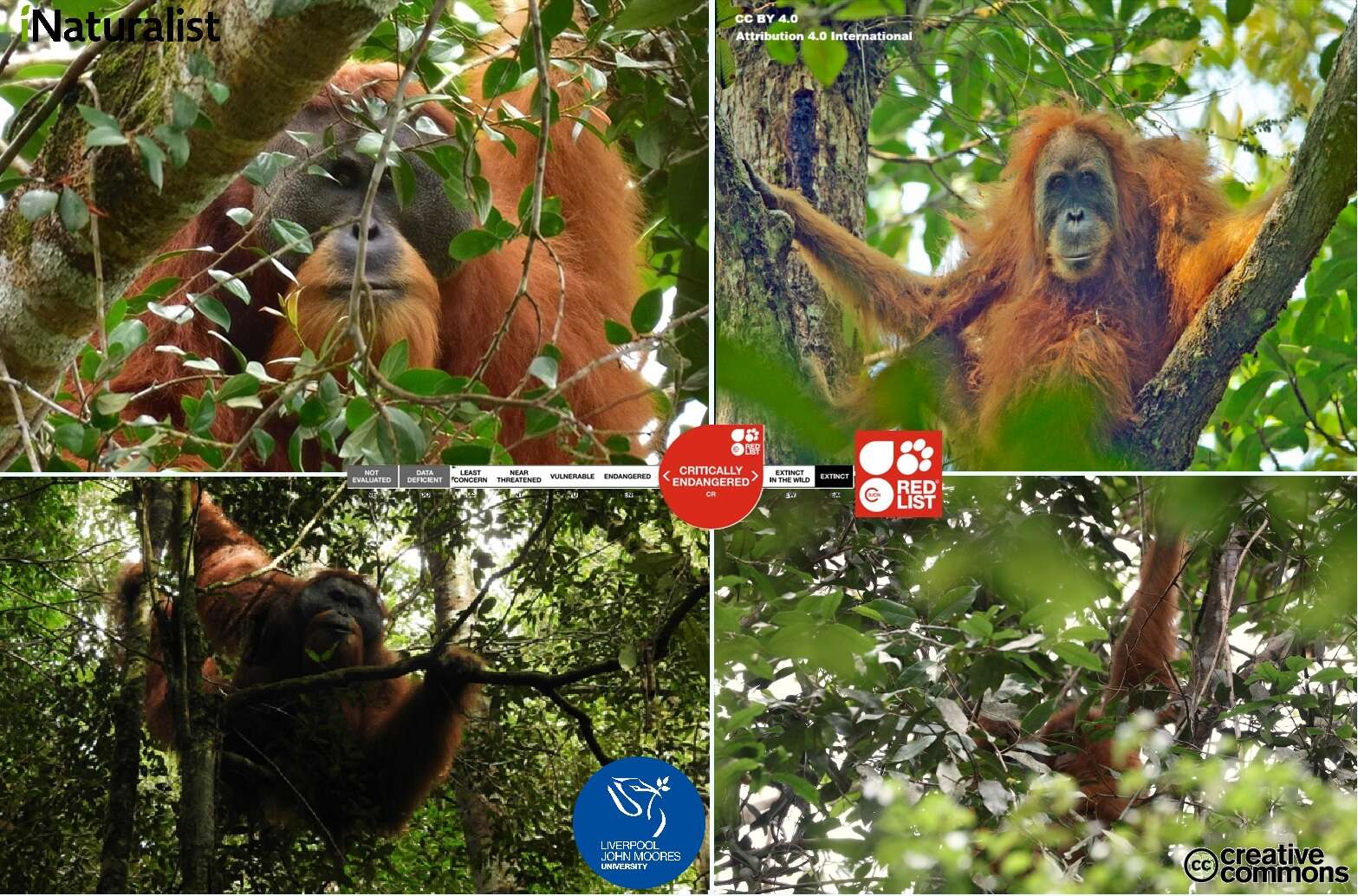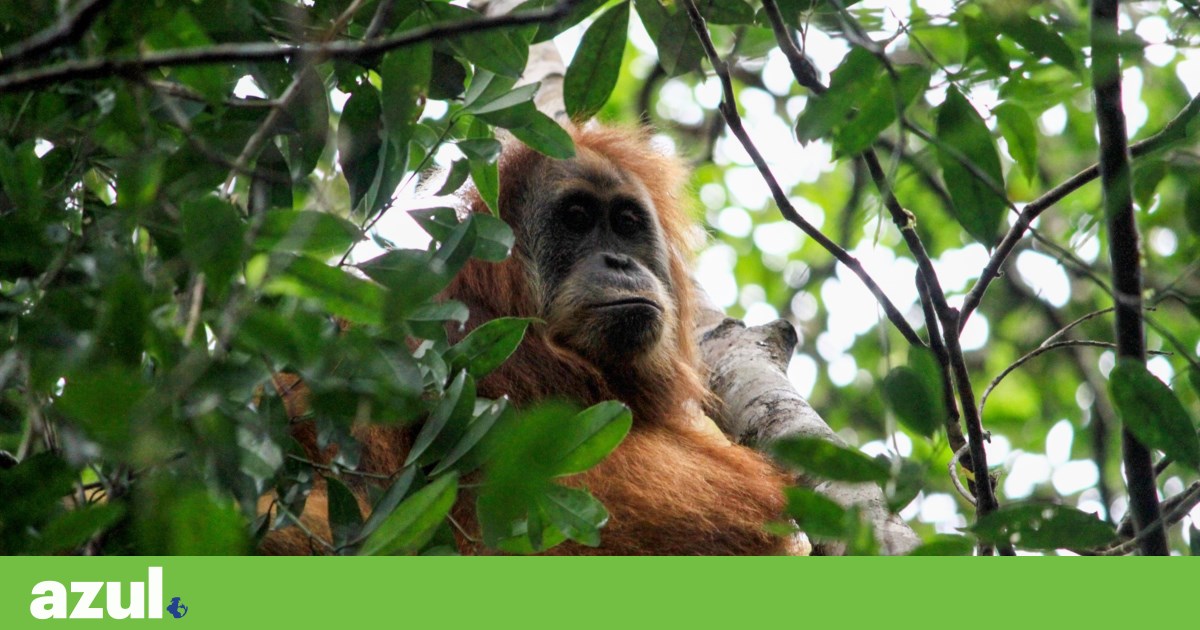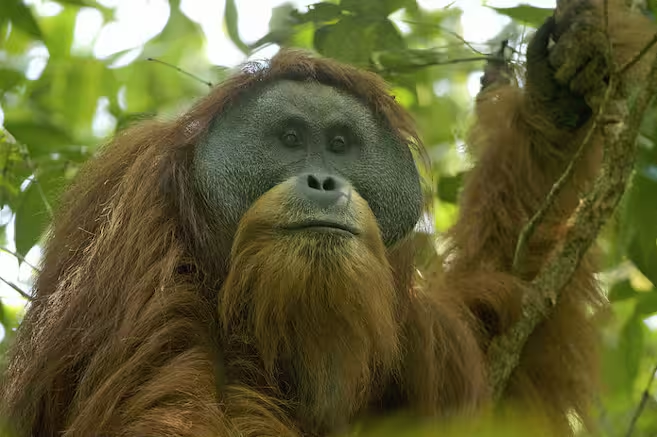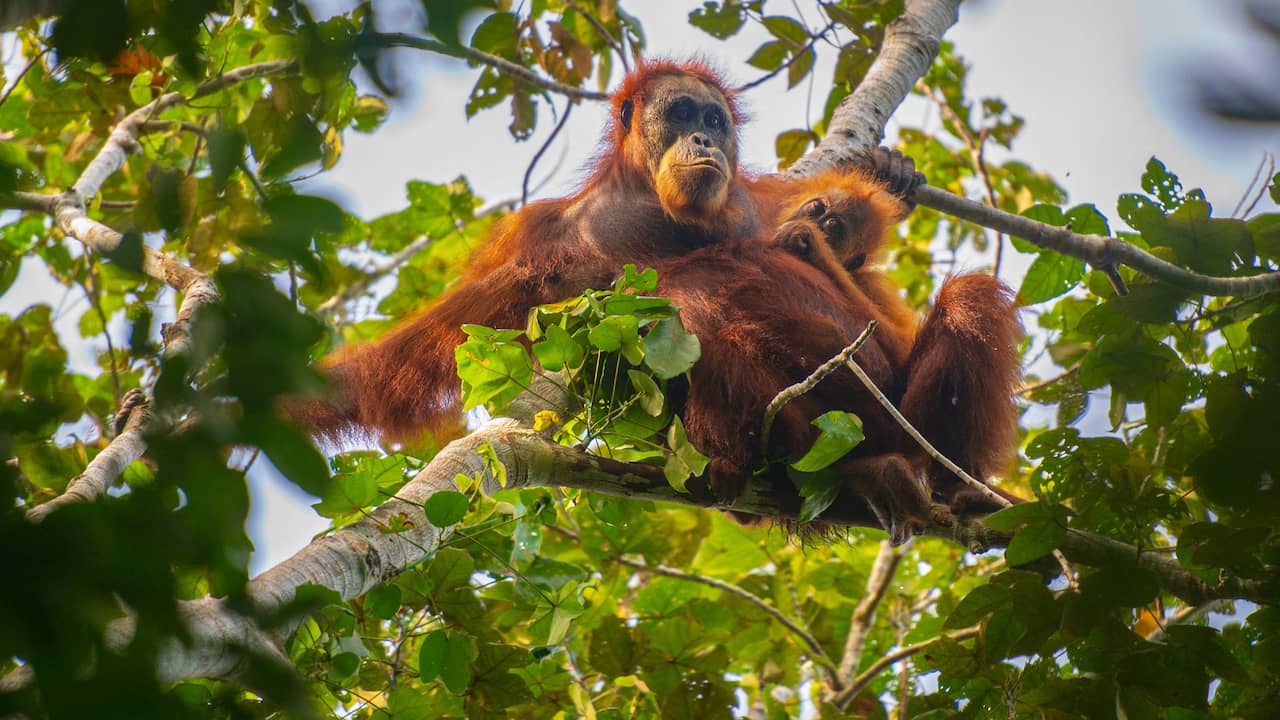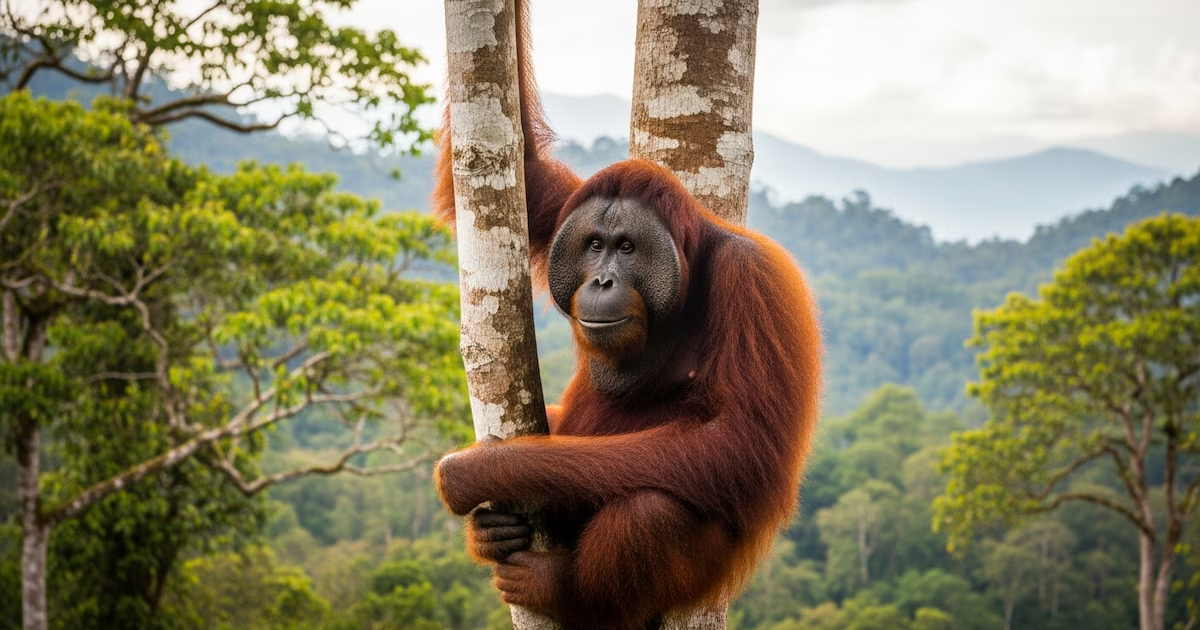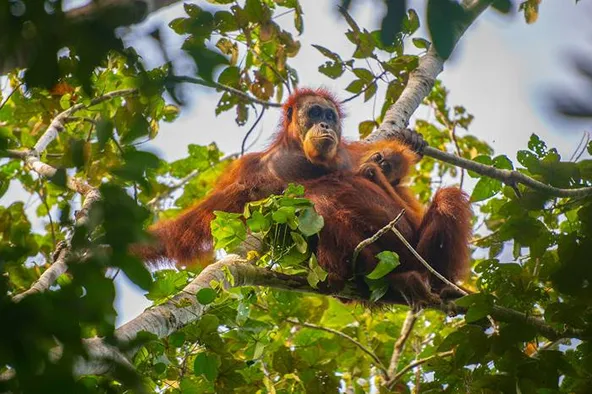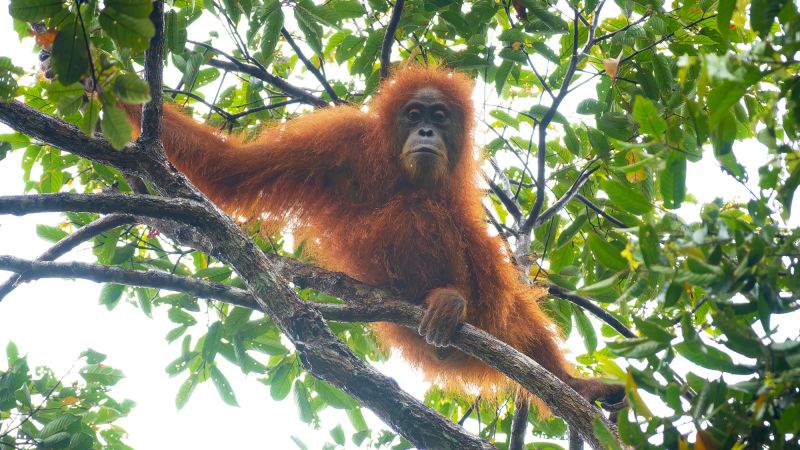
A cyclone that brought catastrophic flooding and devastating landslides to Indonesia wiped out more than 7% of the global population of the world’s rarest great apes, a new study has found.
Nearly 60 of the 800 Tapanuli orangutans remaining in the wild were killed when Cyclone Senyar slammed into the Indonesian island of Sumatra last November, according to the study published this month in the journal Current Biology.
The cyclone has pushed these critically endangered orangutans closer to extinction, the study scientists said. And it’s a sign that climate change-fueled extreme weather is adding to the risks the orangutans already face as the forests they live in are cleared for roads, farming and industry.
Cyclone Senyar brought more than 16 inches of rain to Indonesia, making it one of the region’s most intense rain events in recent years, according to the Tsunami and Disaster Mitigation and Research Center. Climate change fueled the tropical storm, increasing the rain’s intensity by 9% to 50%, according to one analysis.
The cyclone killed more than 1,000 people and displaced over a million. It also caused devastation in the orangutans’ main habitat on Sumatra - the West Block of the Batang Toru ecosystem in North Sumatra.