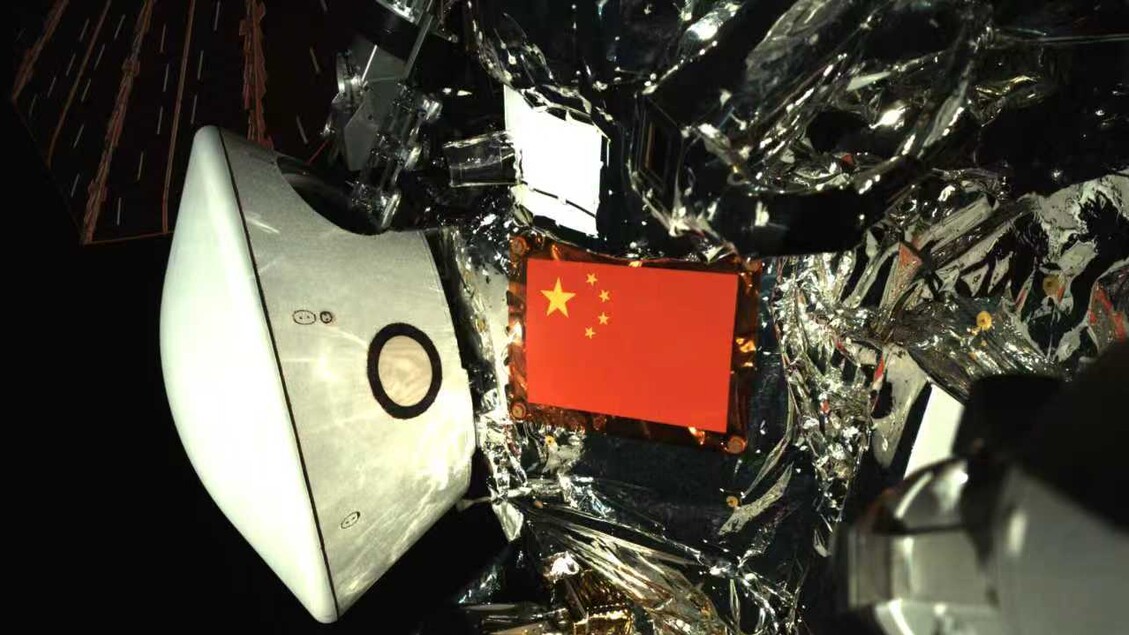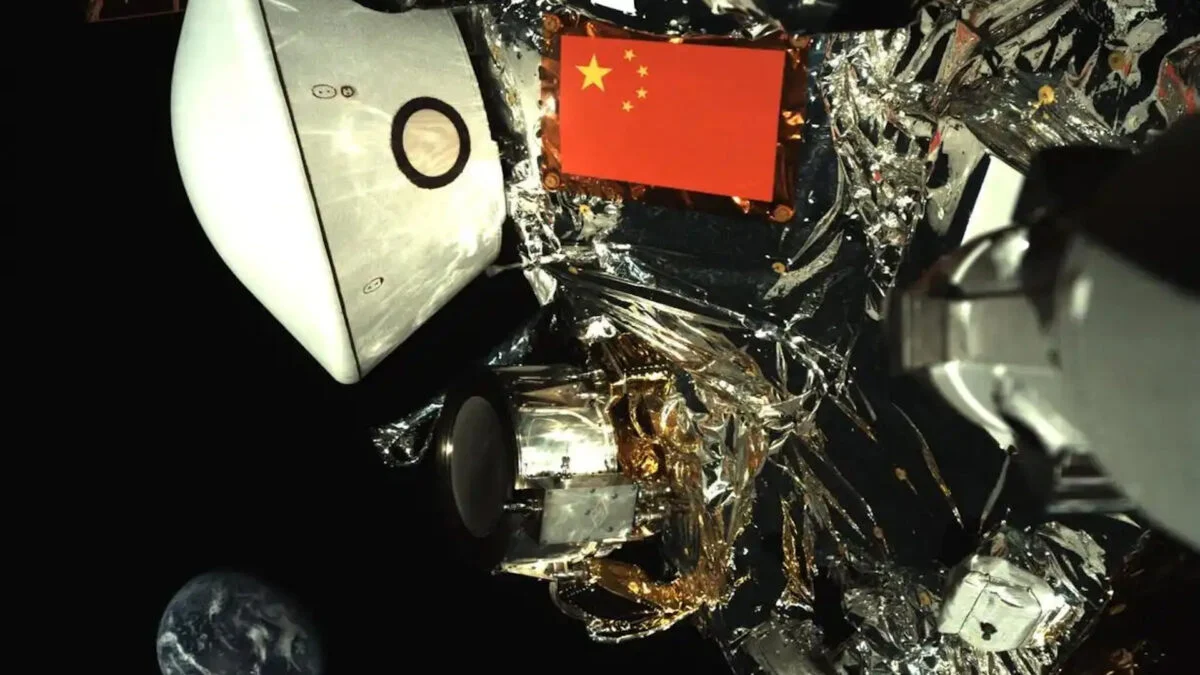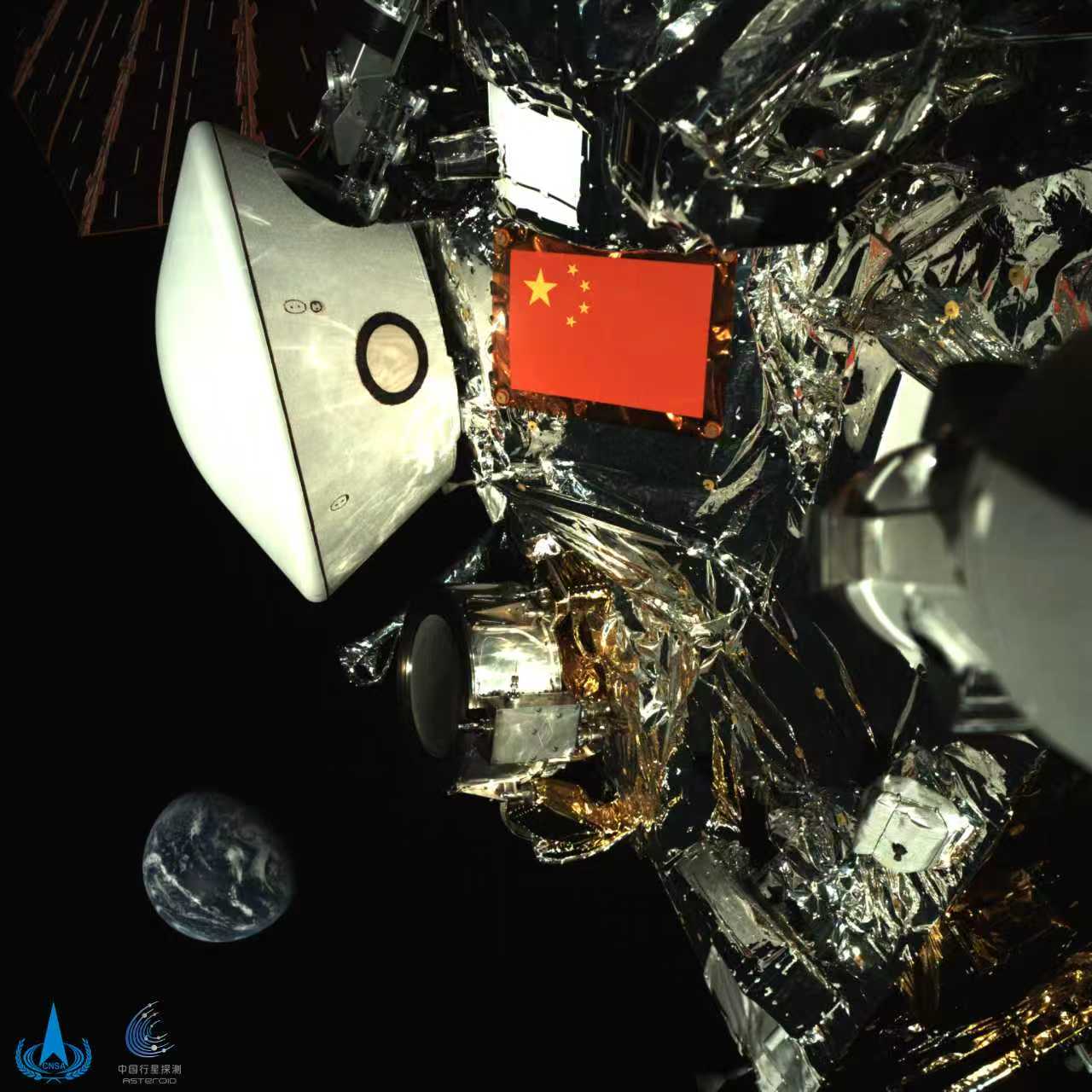
An image showing the Tianwen-2 spacecraft, including its reentry capsule, with the Earth visible in the background. Credit: CNSA
HELSINKI — China’s Tianwen-2 spacecraft has carried out a series of small propulsive maneuvers following a main burn June 7, setting up an asteroid rendezvous in July.
Doppler residual data collected by AMSAT-DL using a 20-meter dish in Bochum, Germany, and shared by observer PI9CAM June 14, shows a discontinuity in Tianwen-2’s tracked frequency June 11, suggesting one of a series of small burns.
The shifts are much smaller than that registered during the June 7 main burn, pointing to fine adjustments likely using the spacecraft’s ion electric propulsion system rather than its chemical thrusters.
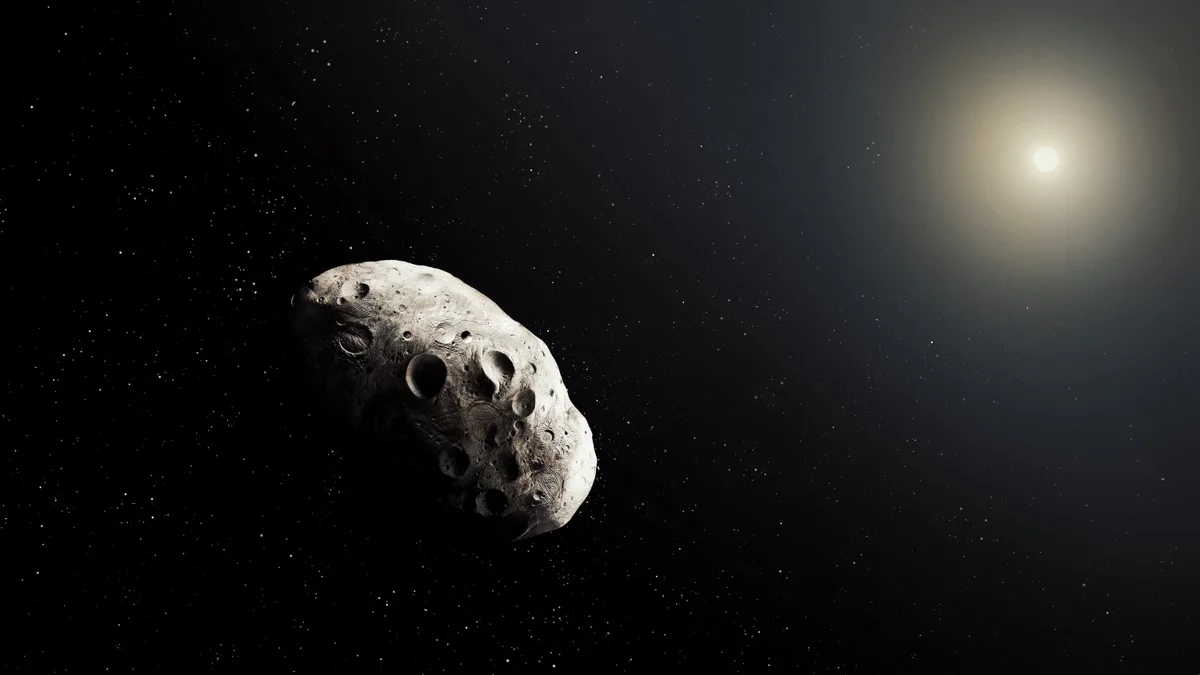
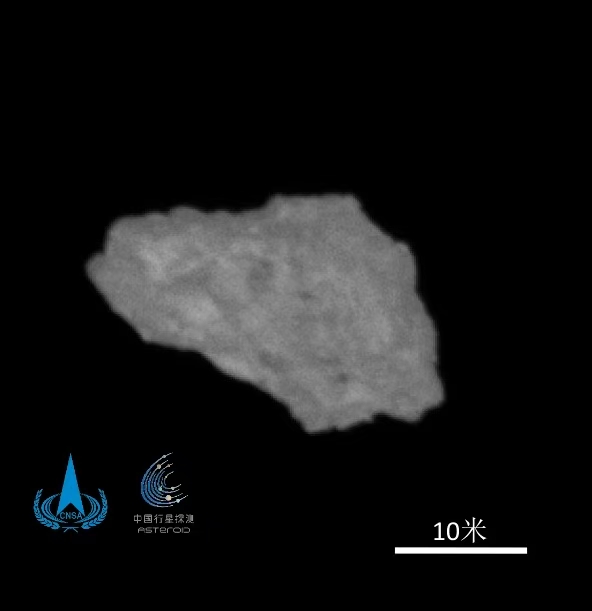
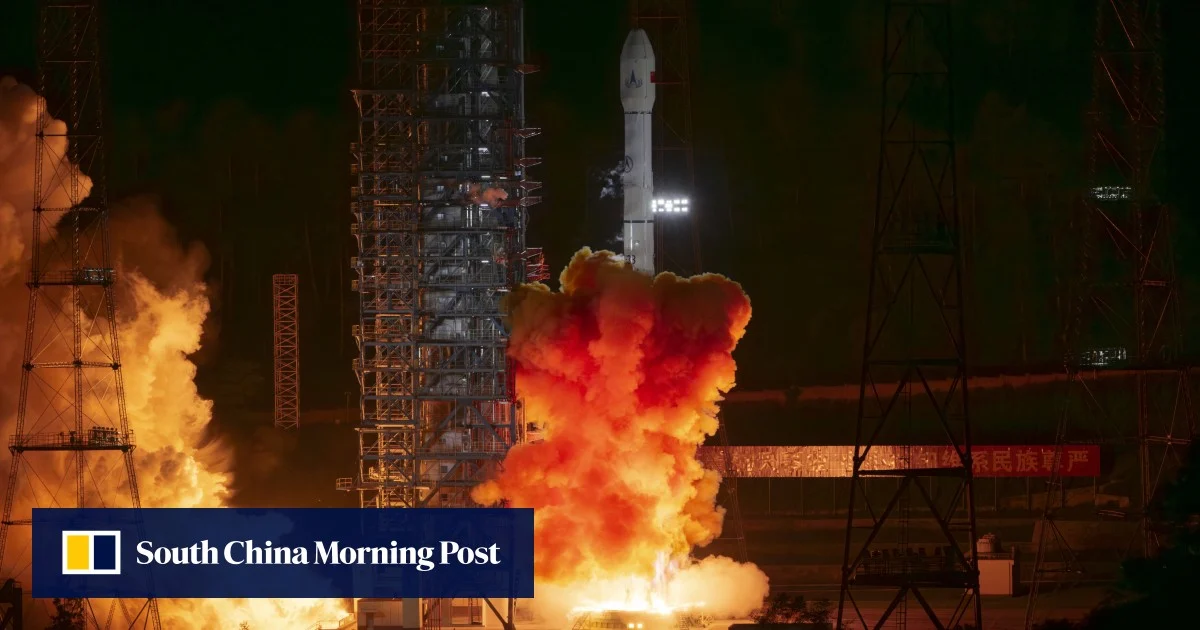
Tianwen-2 launched May 29, 2025, and is headed to near-Earth asteroid 469219 Kamoʻoalewa (2016 HO3) to study the 40-100-meter-sized quasi-moon of Earth and collect samples. After delivering samples to the Earth, the spacecraft will use the flyby of the planet to set a course for main belt comet 311P, arriving in 2035.