The Strait of Hormuz handles roughly 20% of the world’s oil trade. Right now, it’s essentially a geopolitical chokepoint in the most literal sense possible, and the two leaders meeting at the G7 summit in France this week need to figure out what to do about it.
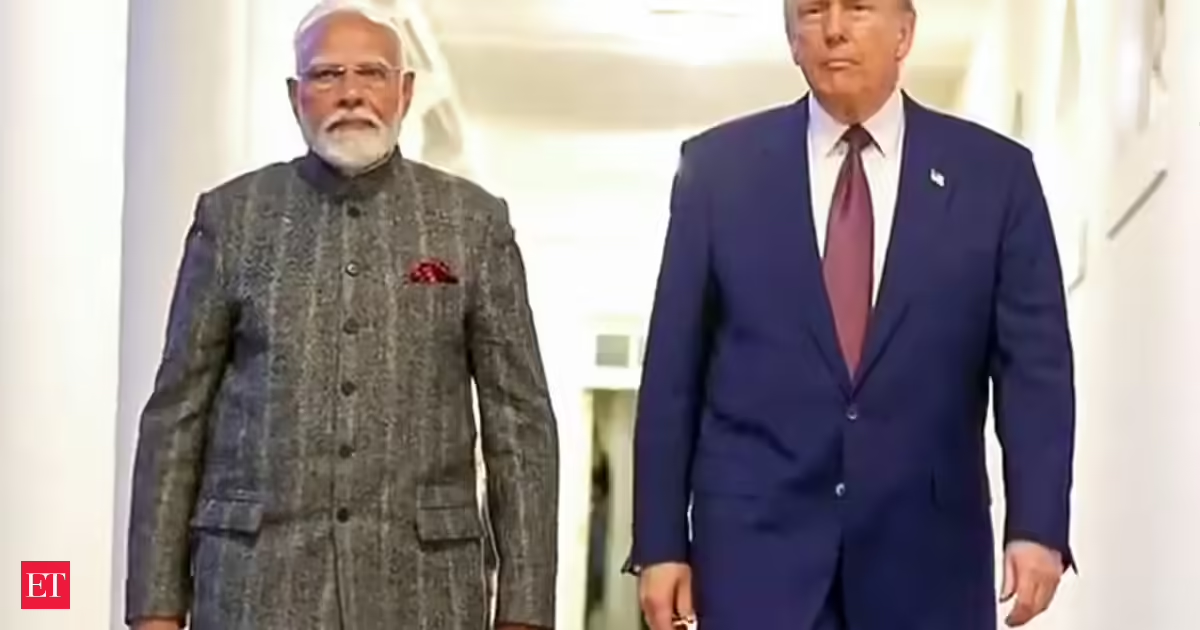
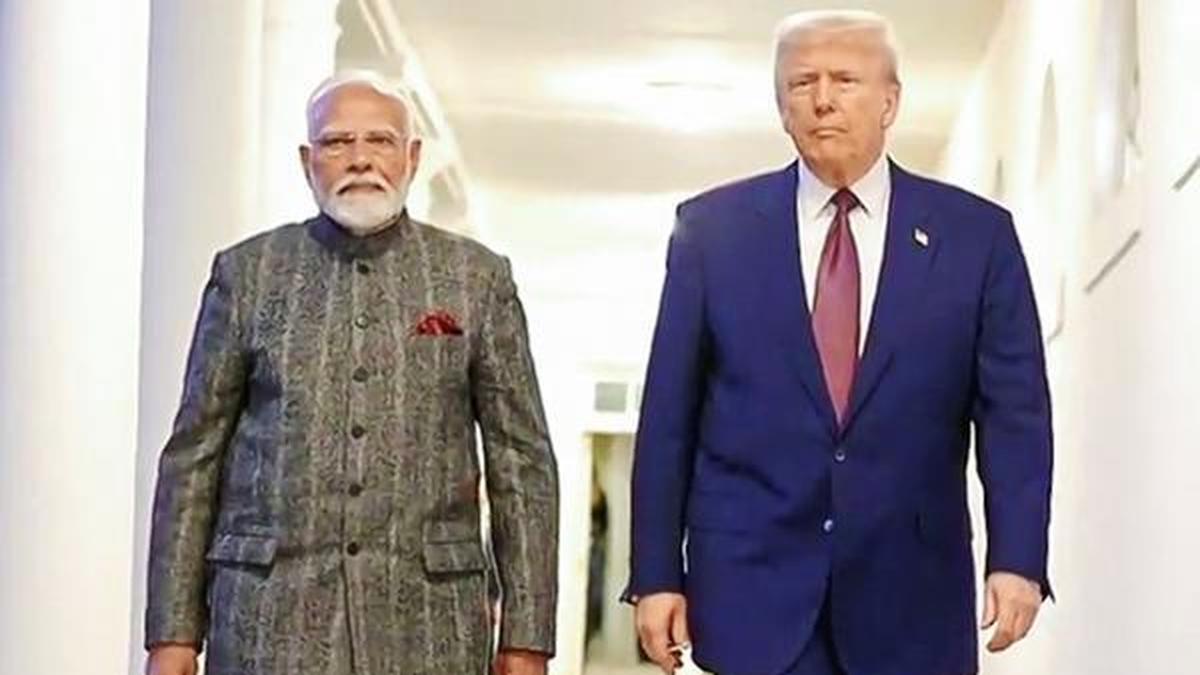
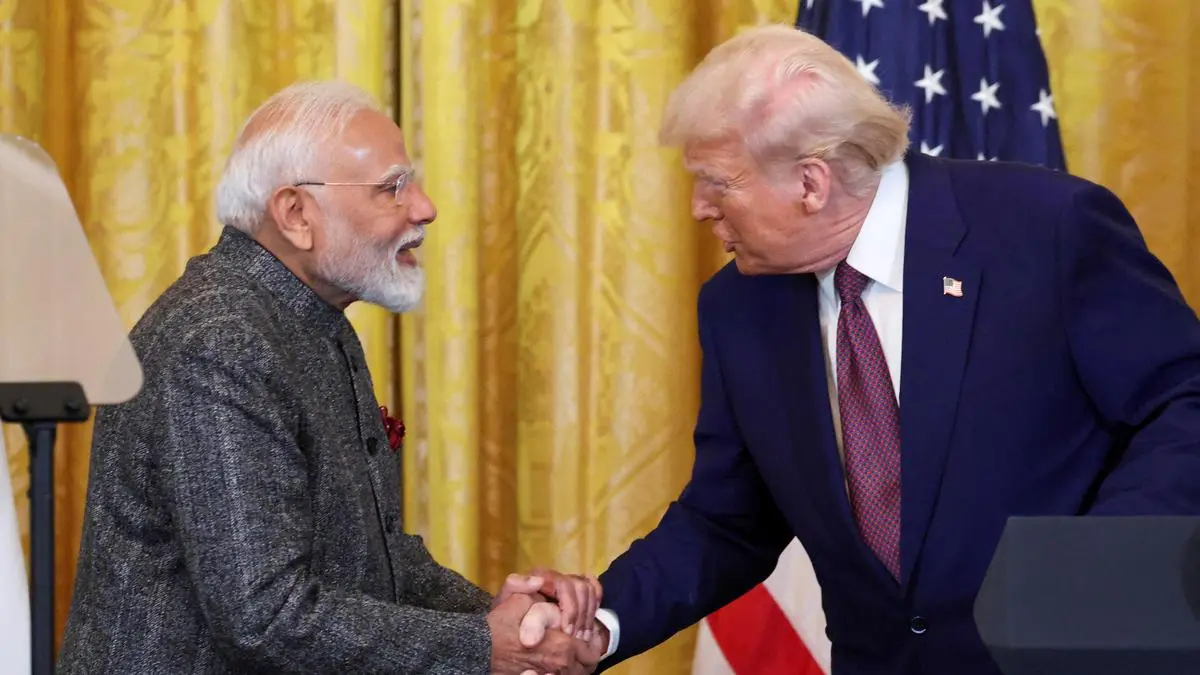
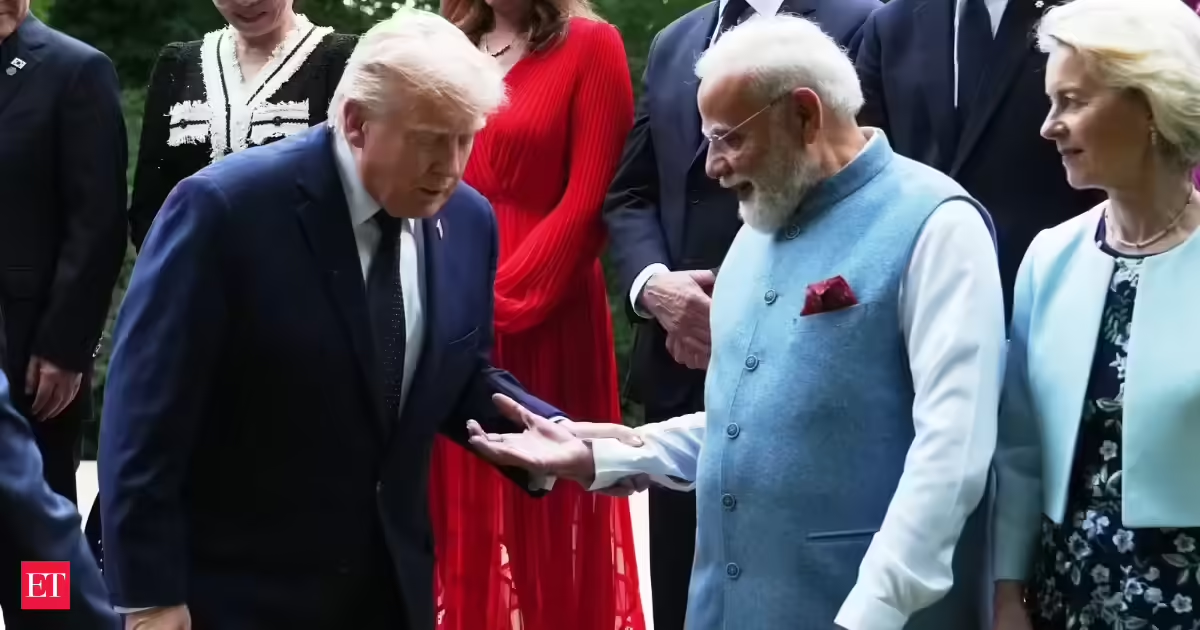
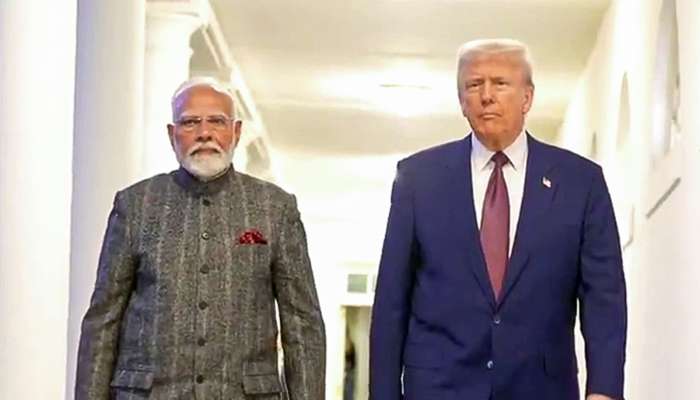
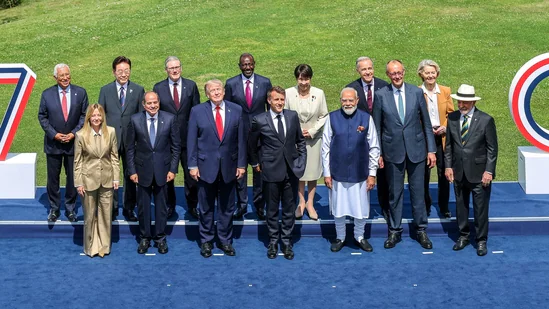
Indian Prime Minister Narendra Modi and US President Donald Trump are set to hold a bilateral meeting at the G7 summit in Évian-les-Bains, France, running June 15-17. It marks their first face-to-face discussion since February 2025, and the agenda reads like a crisis management checklist: the US-Iran conflict’s toll on energy security, disrupted trade routes, bilateral tariffs, and the uncomfortable matter of Indian sailors killed by US military actions in the Gulf of Oman.
A war’s economic footprint
The World Bank has already revised its 2026 global economic growth forecast downward to 2.5%, from a prior estimate of 2.9%. The Iran conflict is the primary culprit behind that cut.
For India specifically, the situation is acute. Thirteen Indian ships have faced disruptions as a direct consequence of the US-Iran conflict. Protests have erupted in New Delhi over the deaths of at least three Indian sailors in the Gulf of Oman, casualties tied to US military operations in the region.