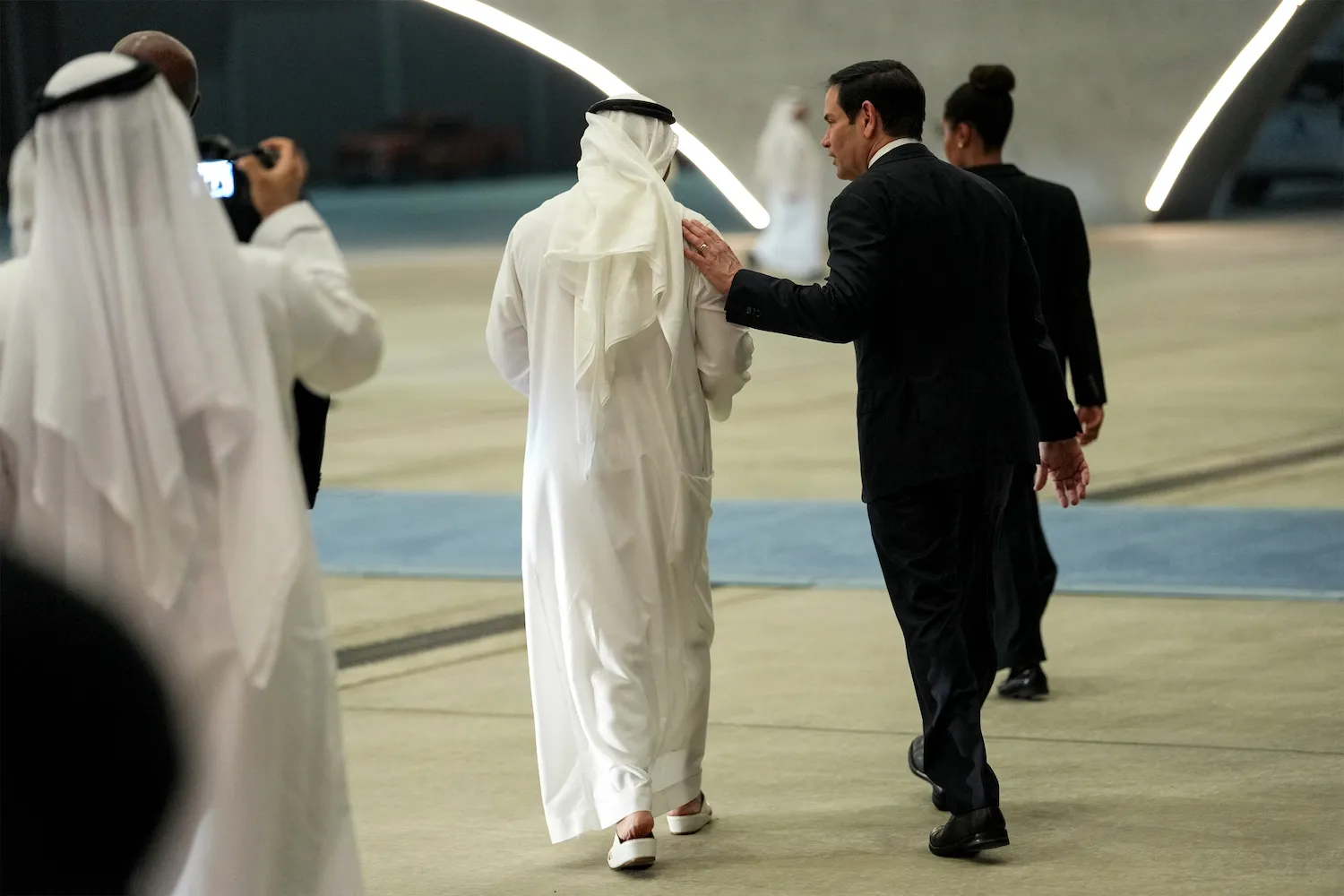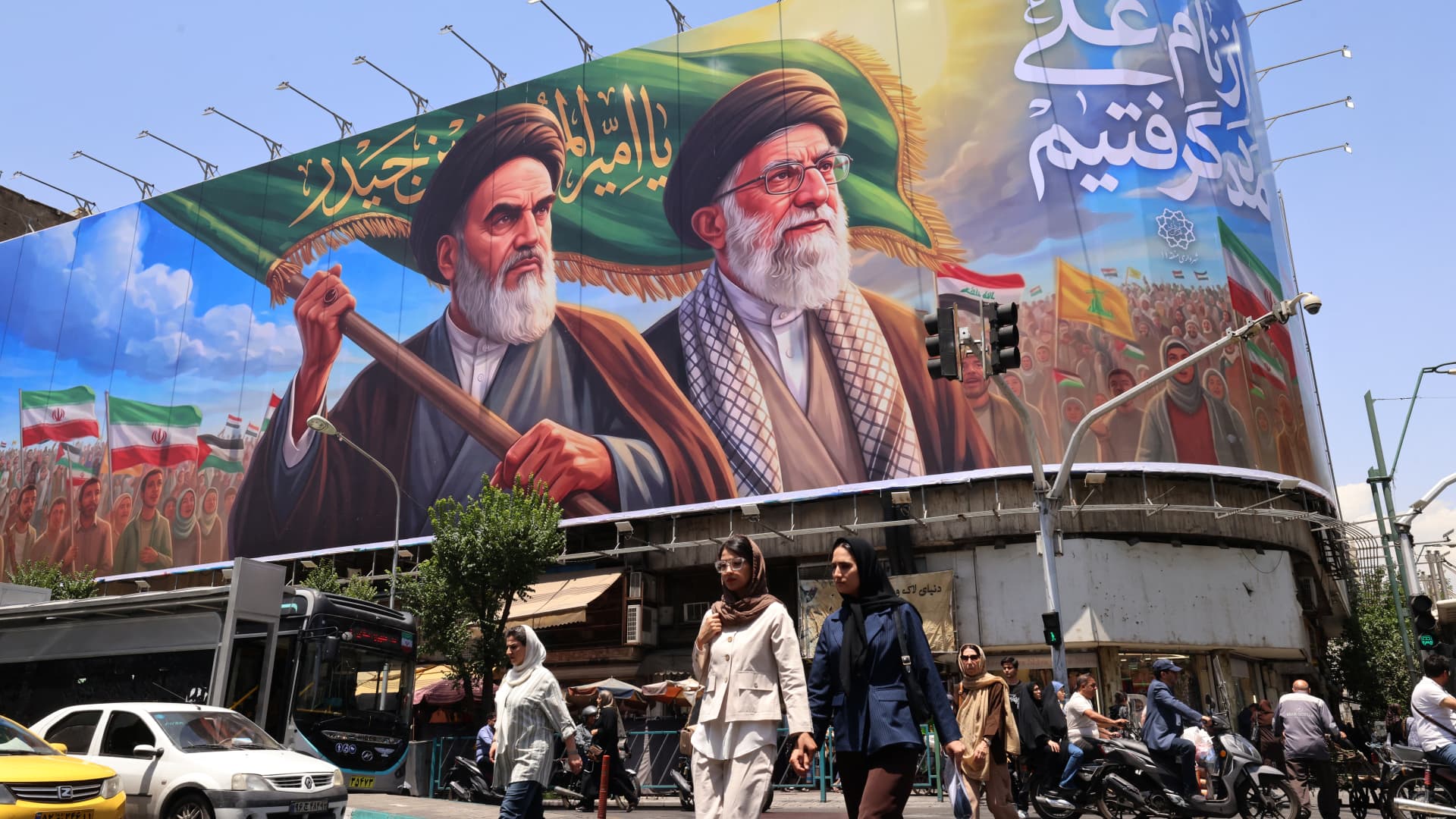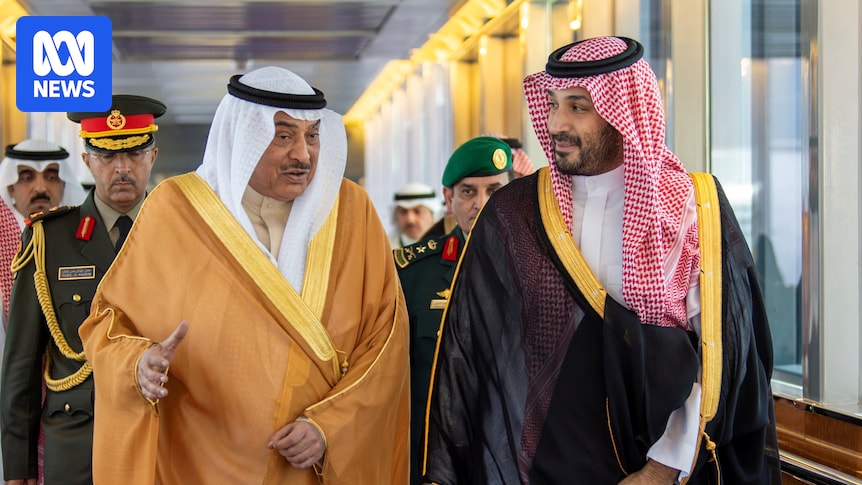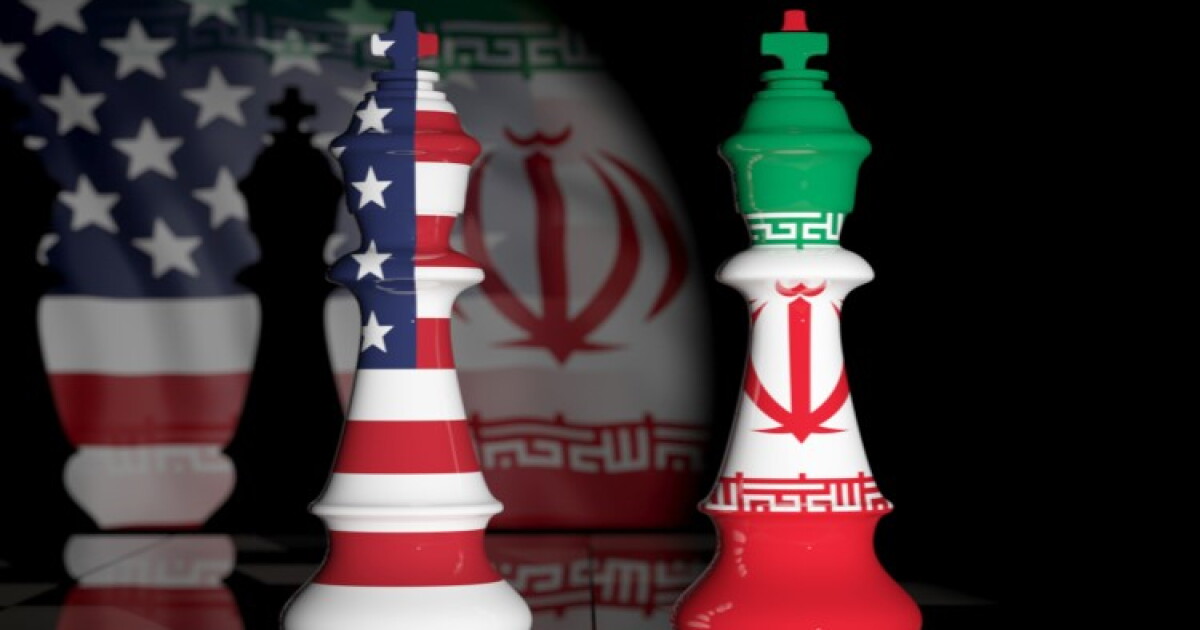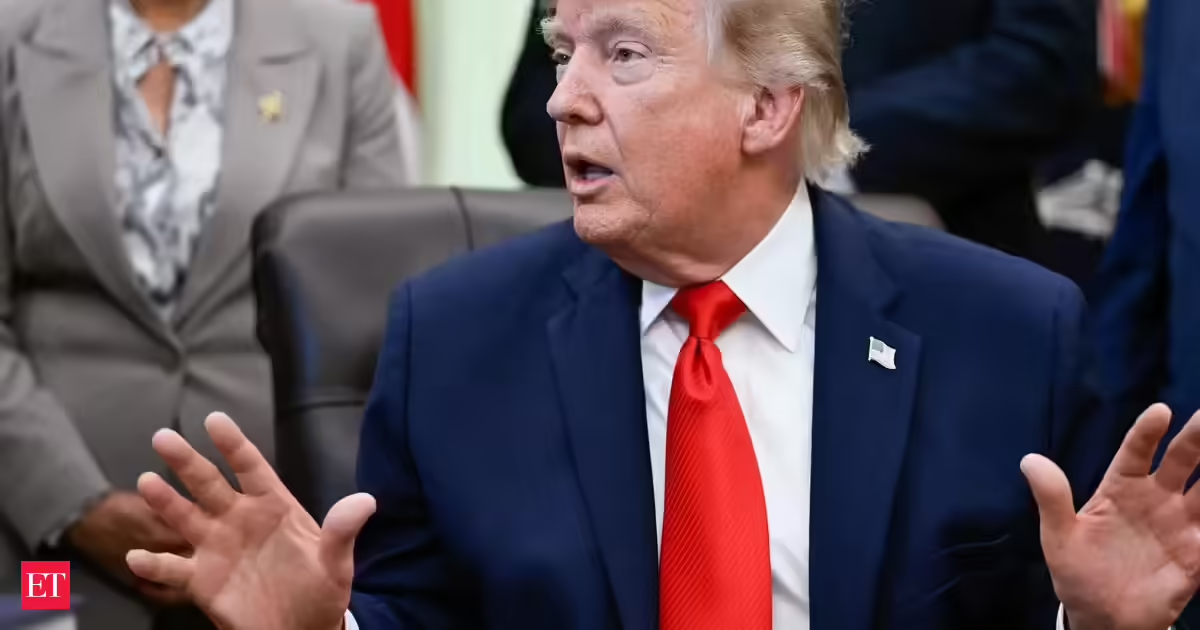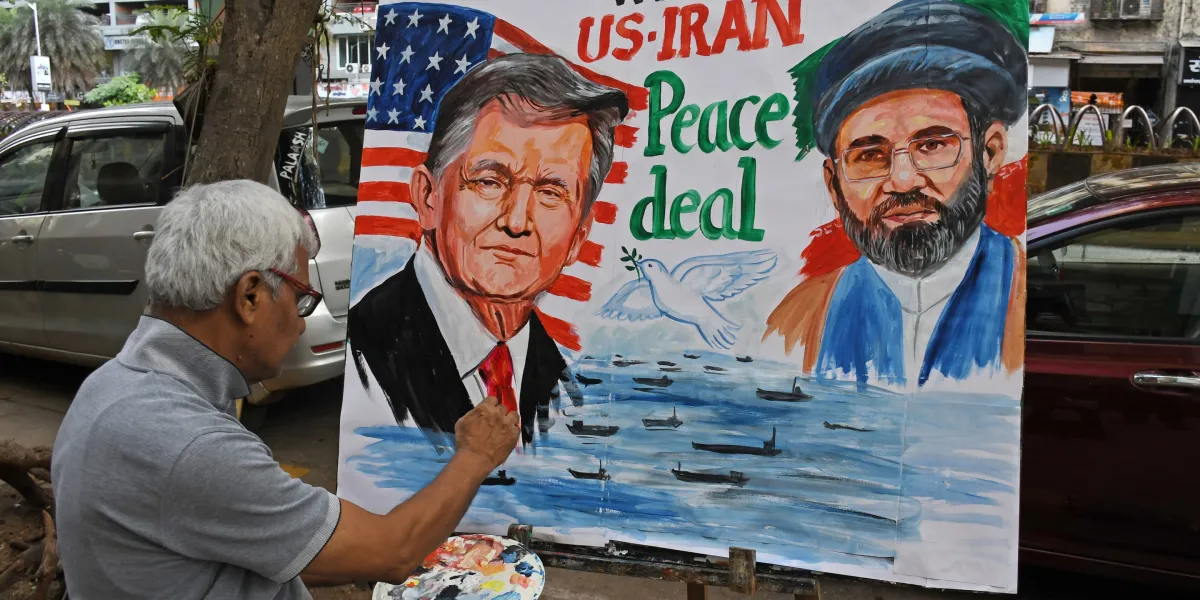
The Gulf Cooperation Council will have breathed a collective sigh of relief when the U.S. and Iran agreed an interim deal to end more than 100 days of war.
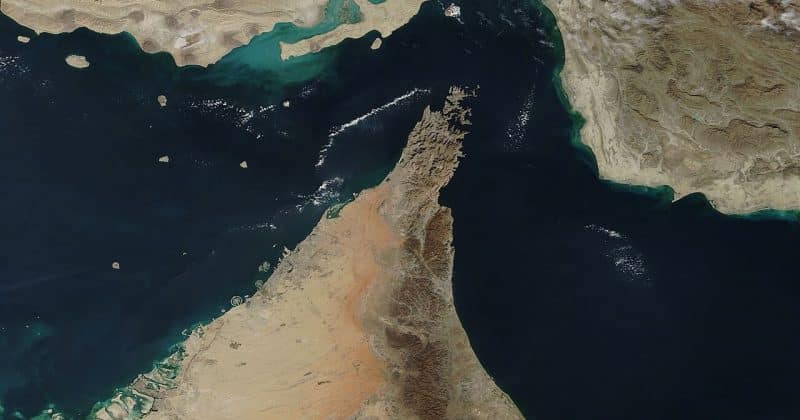
Announced on Sunday evening, the memorandum of understanding, which provides a 60-day ceasefire extension and free passage of shipping through the Strait of Hormuz, is due to be formally signed in Geneva on Friday.
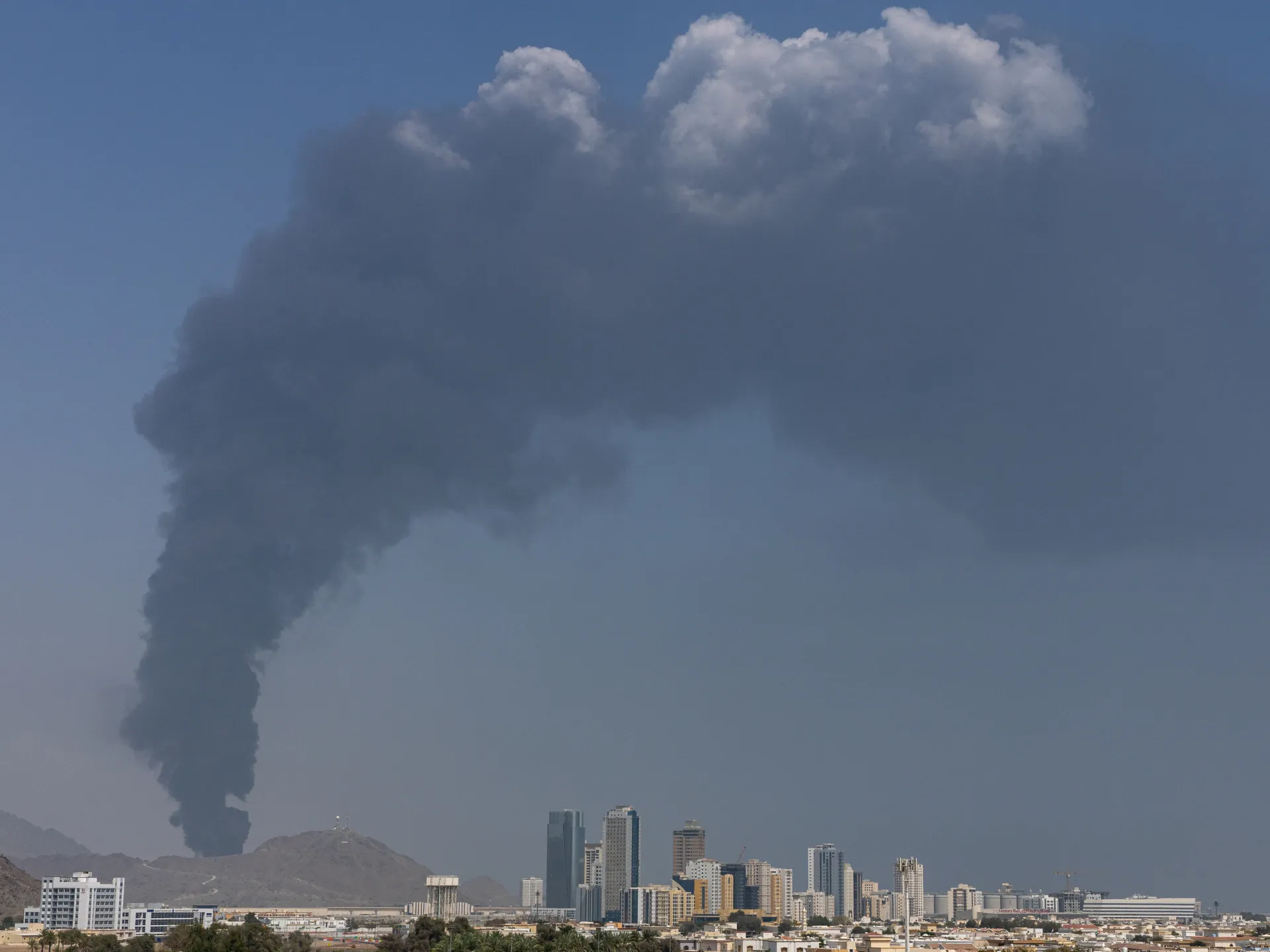
The Gulf states, often to their surprise, have been on the front line of the conflict, facing missile and drone attacks.
Is it too soon for them to start talking about a bounce back?
Historically, the Gulf has shown an ability to recover quickly after major shocks. After the 1991 liberation of Kuwait, oil production and core economic activity rebounded more quickly than many observers had anticipated, supported by oil revenues, substantial overseas assets, and government-led reconstruction. Studies of Kuwait’s recovery highlight the importance of sovereign wealth funds and strong state finances.