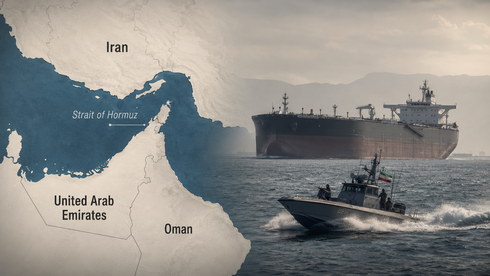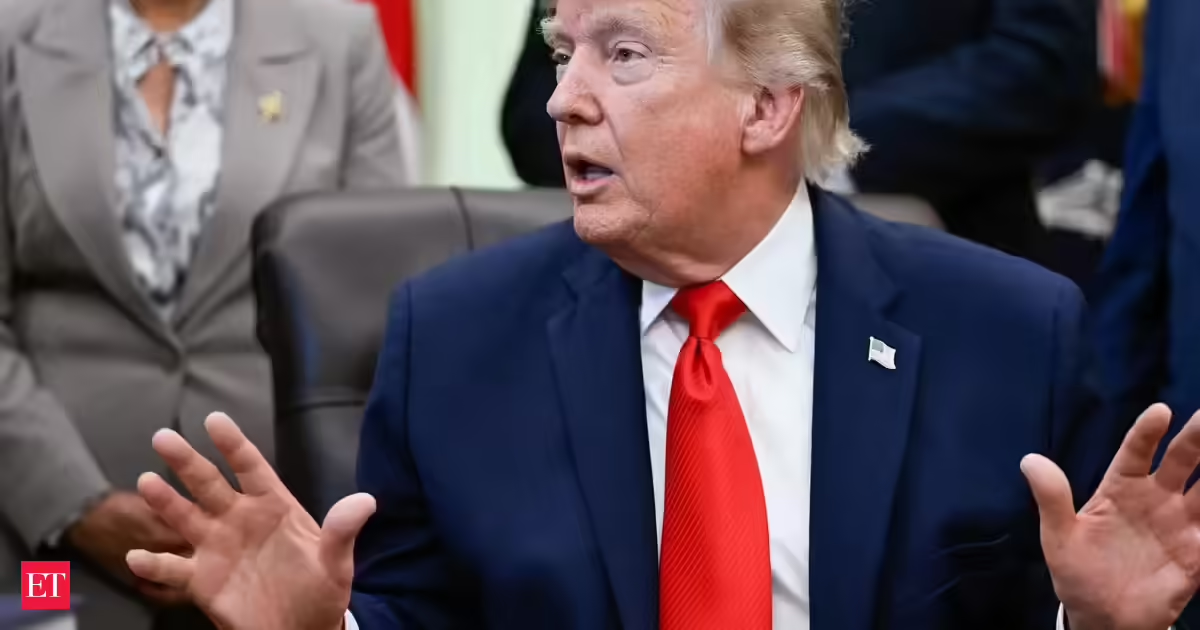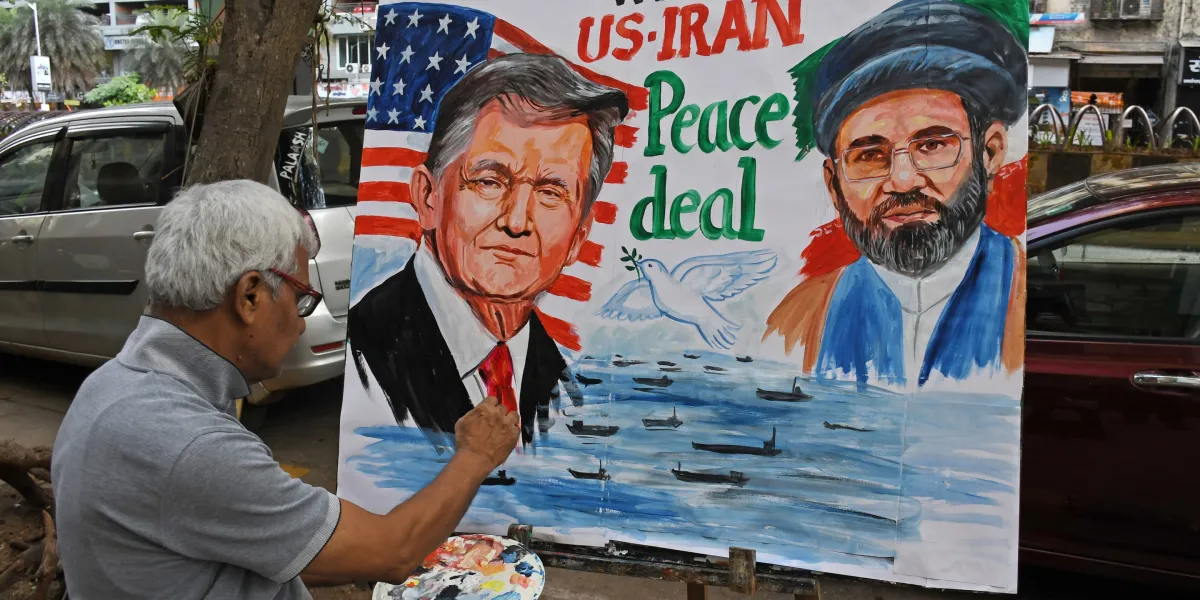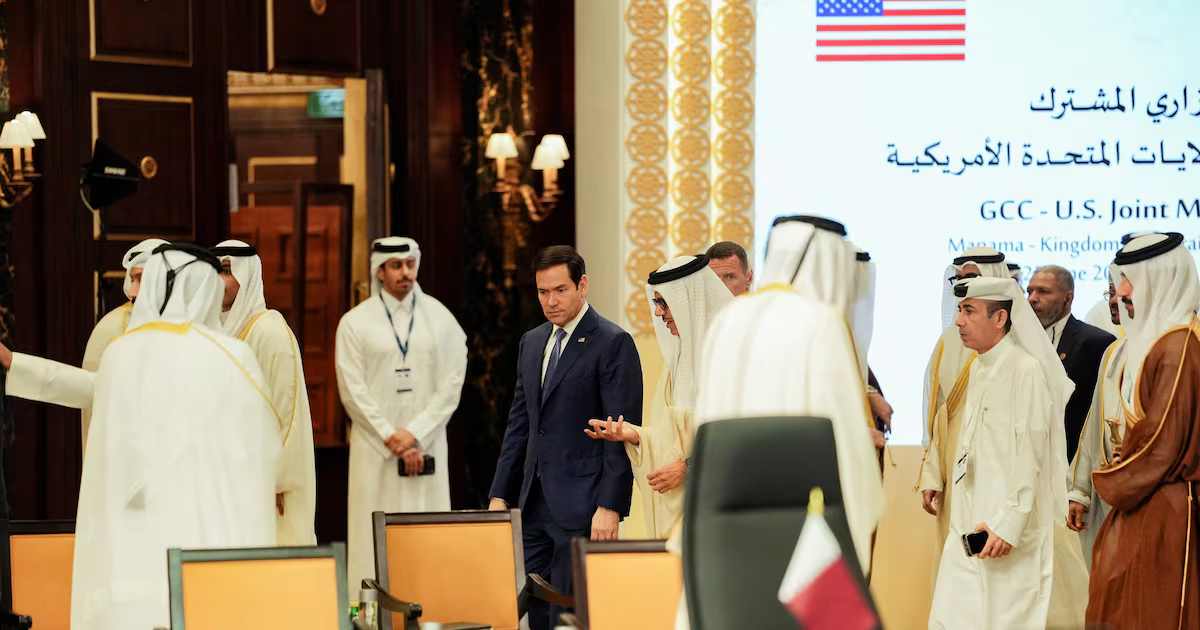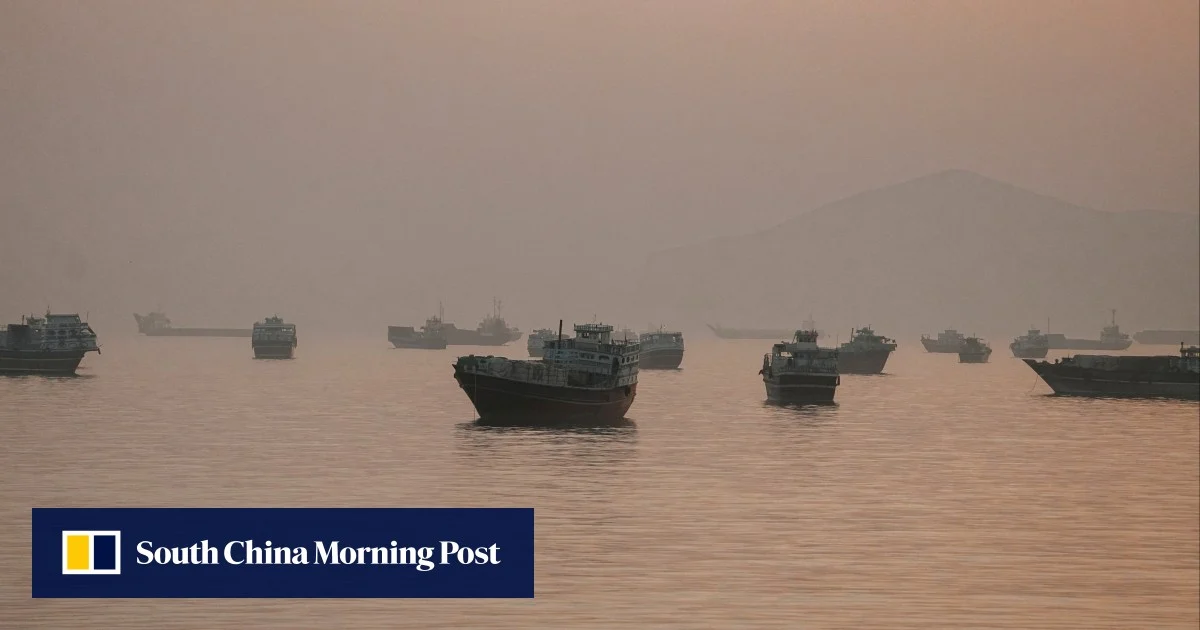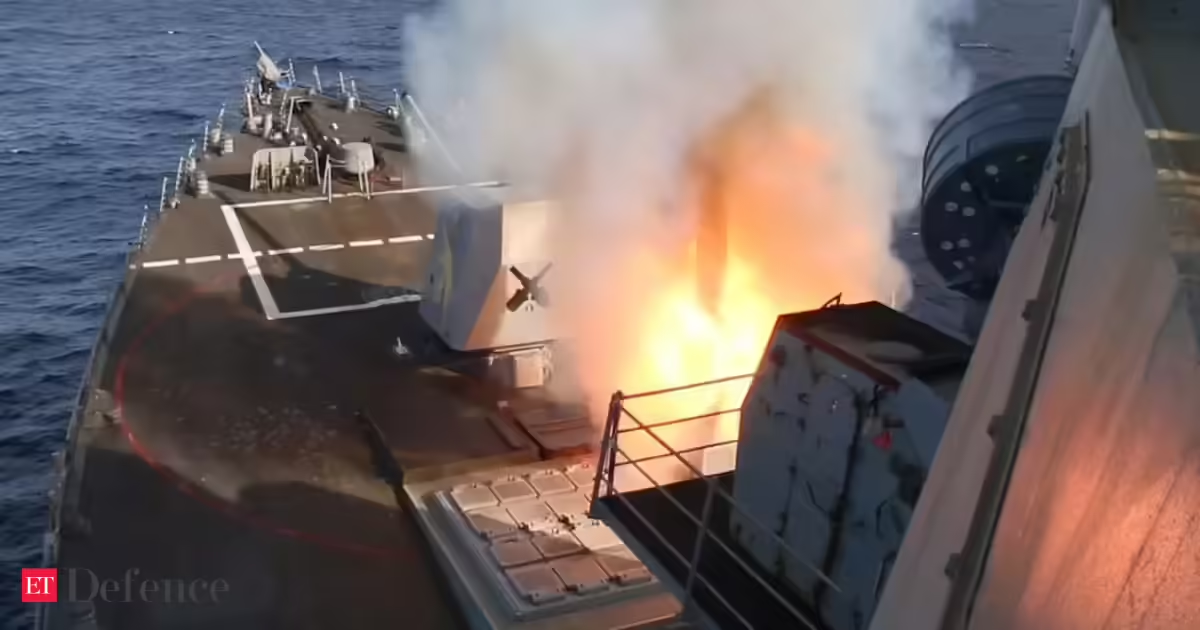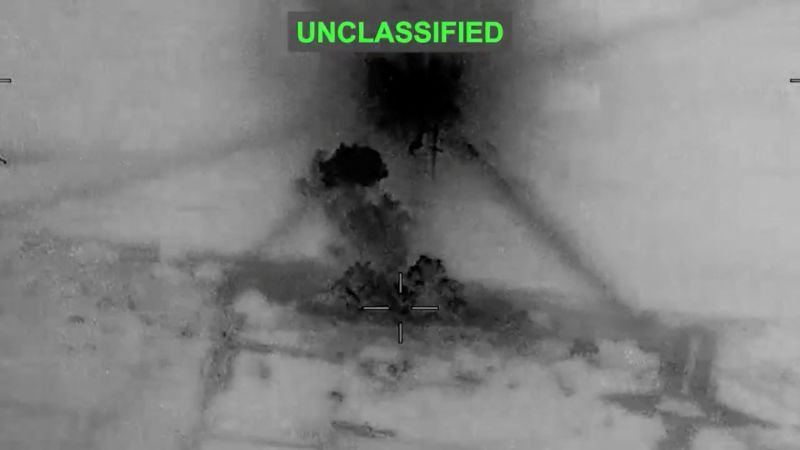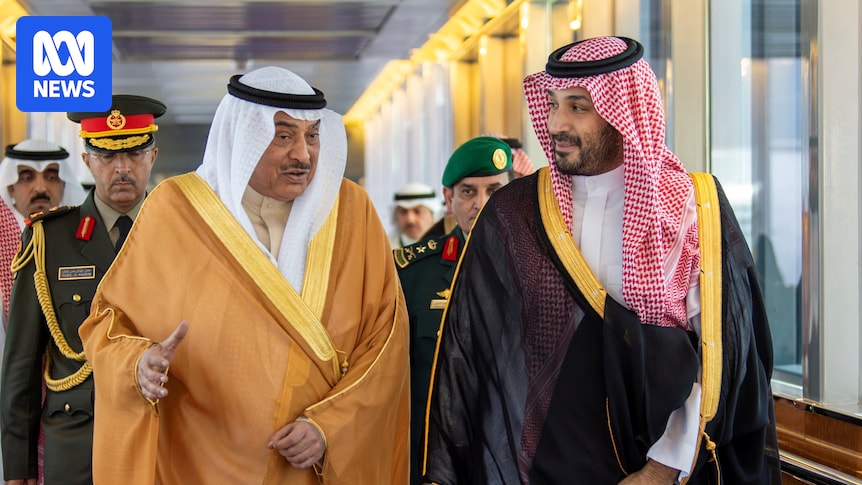
The interim deal between the United States and Iran had brought an immediate halt to fighting across the Middle East and a sense of calm to battered Gulf states, before yet another flare-up in fighting over the weekend.But even during that period of relative peace, there was still a sense of anxiety about what the ongoing negotiations between Washington and Tehran would mean for the region's future, particularly involving management of the Strait of Hormuz.The initial deal outlined that the shipping channel be open within 30 days, in exchange for the US lifting its maritime blockade of Iranian ports and ships.The deal also contained plans for a $US300 billion ($435.6 billion) fund for the reconstruction of Iran, which the Gulf states could eventually contribute to.The US and Israel's war in Iran sent shock waves through global energy markets and dragged in Gulf states, which have been longstanding regional partners of Washington and hosts of American military bases and personnel.Thousands of Iranian missiles and drones were trained on countries such as the United Arab Emirates, Qatar, Bahrain, Kuwait and Saudi Arabia, throwing cities that market themselves as global business and tourism hubs into disarray.Some of those states were hit again on the weekend, as the US and Iran exchanged fire.The US accused Iran of attacking commercial shipping in the Gulf and attacked Iranian military infrastructure near the Strait of Hormuz, promoting Iran to hit back against US allies in the region.While many of the leaders across the Gulf had been quick to welcome the deal signed by US President Donald Trump and Iranian President Masoud Pezeshkian, their support is qualified — and the reality of the situation continued to play out."The US-Iran deal matters for the Gulf because it gives the region something it badly needs: a way to stop the war without pretending that the underlying conflict has been solved," said Andreas Krieg, associate professor at King's College London's School of Security."The deal is not about trusting Iran. It is about creating a mechanism that makes escalation less attractive."The immediate Gulf priority is freedom of navigation through the Strait of Hormuz, protection of oil and gas infrastructure, and enough diplomatic structure to prevent Iran, Israel or the US from dragging the region back into open conflict."'Messy' plan could be best optionDr Krieg warned that this may involve compromises on things such as fees to transit through the Strait of Hormuz.The critical waterway, which lies between Iran to the north and Oman to the south, connects many of the Middle East’s oil and commodity producers to the rest of the world.Iran continues to insist a fee in the strait will be on the cards, but the US has rejected it."That is messy, but there is no better plan B," he said."The alternative is not a better deal; it is renewed strikes, more attacks on Gulf infrastructure, higher insurance costs, greater investor nervousness and another cycle of coercion around Hormuz."Iran's chief negotiator, Mohammad Bagher Qalibaf, has already been to Oman, the country on the opposite side of the strait, to begin talks with officials about future management of the shipping lane.The Qatari prime minister followed a day later, having earlier been in Switzerland at the same time as Mr Qalibaf for the first round of talks between the US and Iran.Before the US-Israel attacks on Iran, well over 100 commercial ships a day passed through the strait.
Gulf states 'colder, harder and more transactional' under US-Iran deal
Before a flare-up in fighting over the weekend, the interim deal between the United States and Iran was giving the region something it badly needs, analysts say.
1,648 words~7 min read