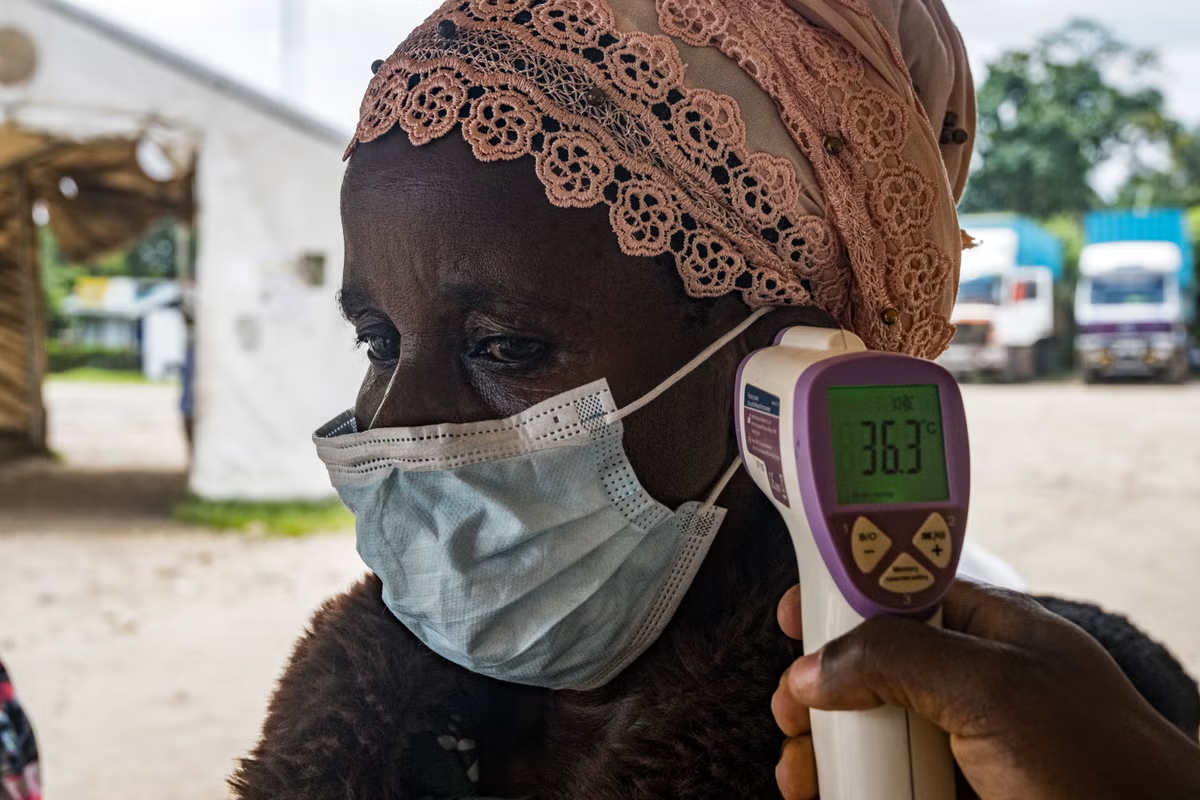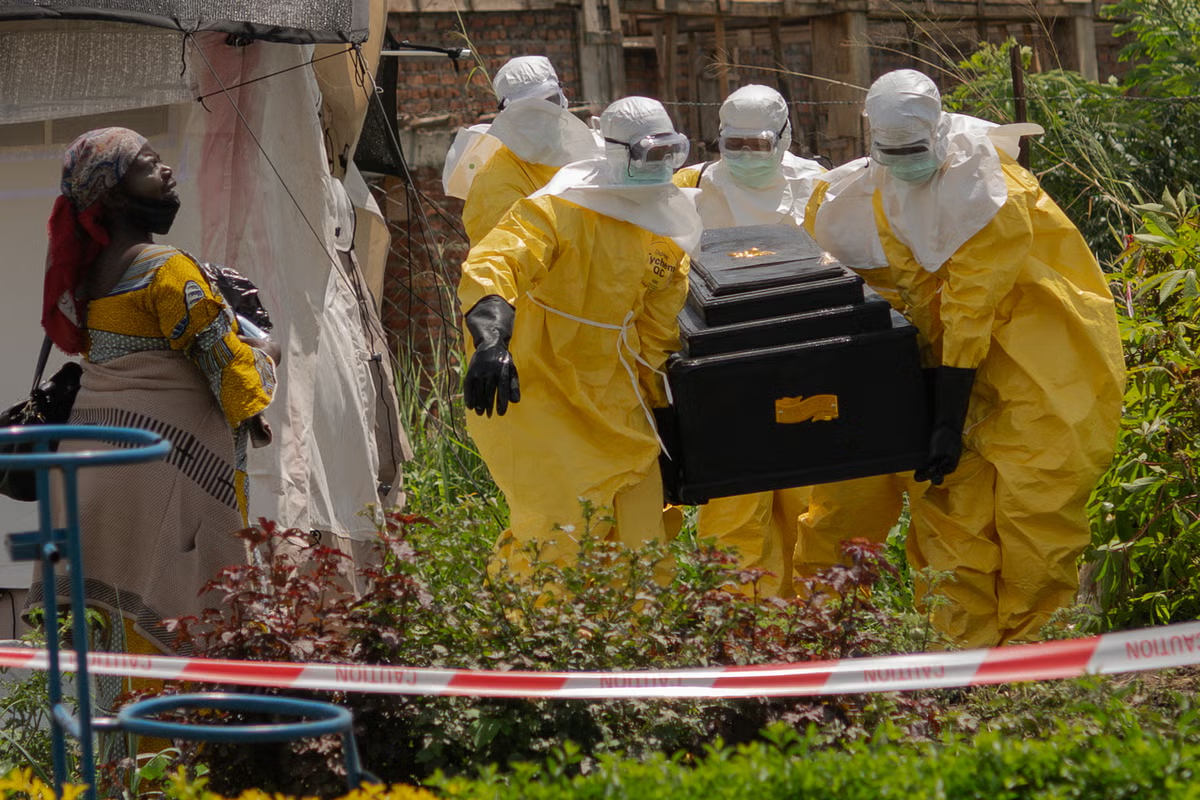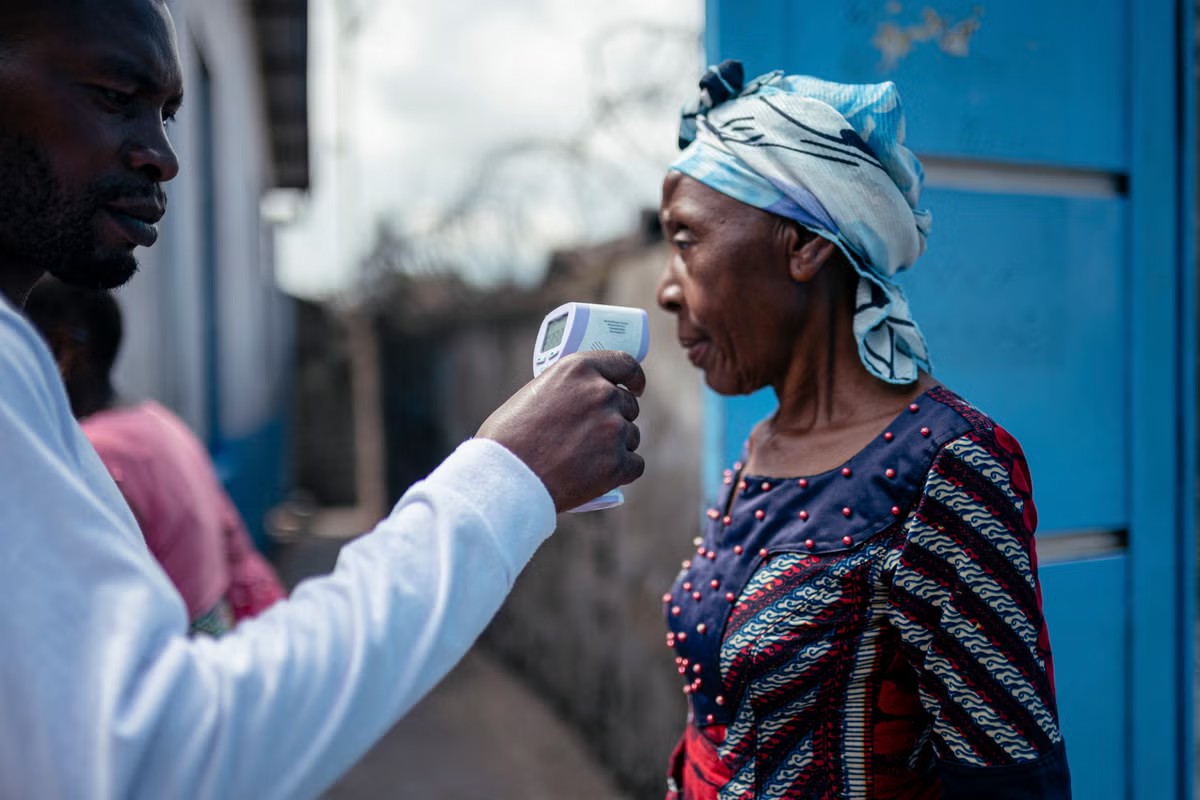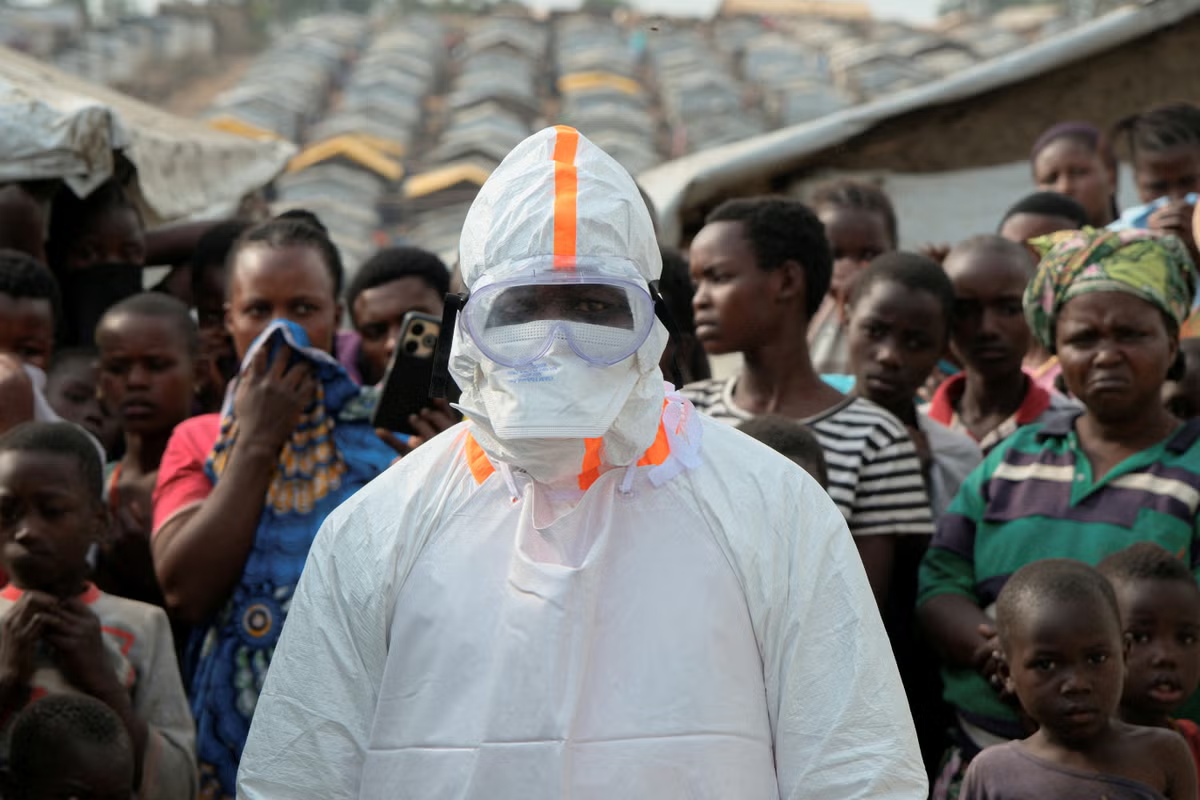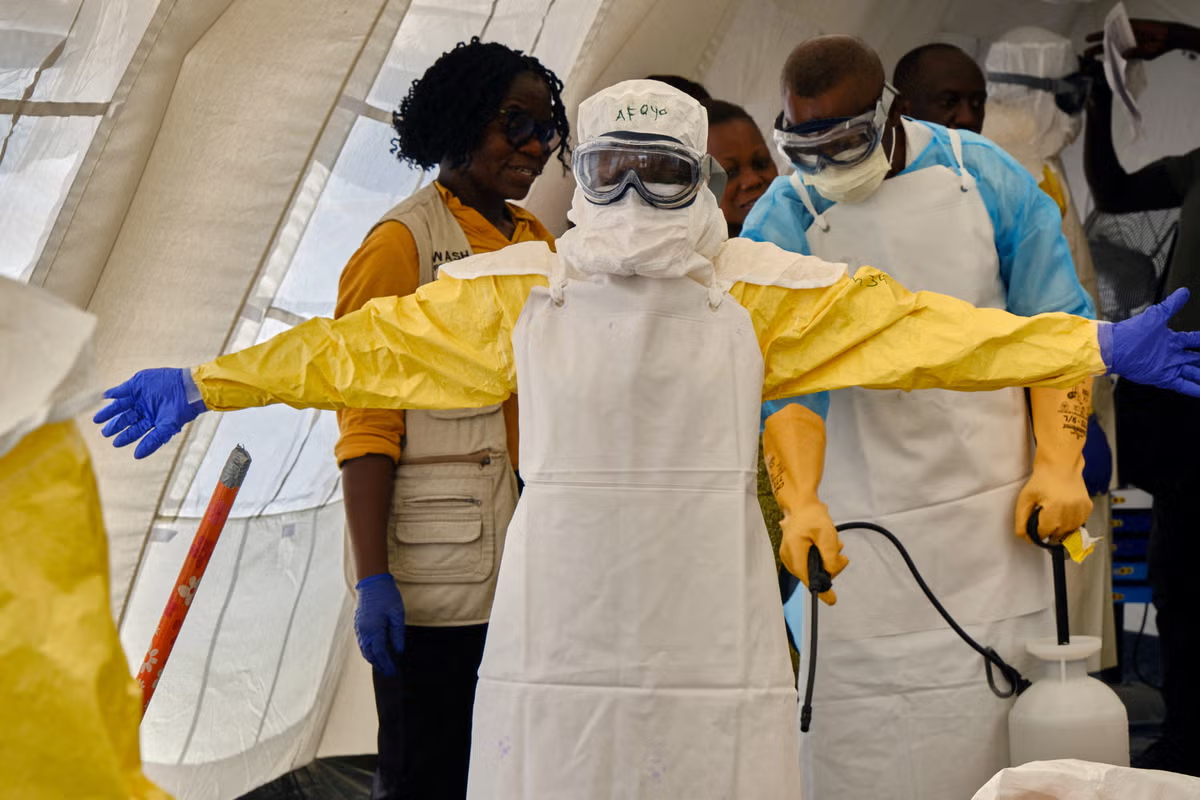
Stay up to date with notifications from The IndependentNotifications can be managed in browser preferences.Jump to contentThank you for registeringPlease refresh the page or navigate to another page on the site to be automatically logged inPlease refresh your browser to be logged inAllNewsSportCultureLifestyleAn outbreak of the Bundibugyo strain of Ebola in Congo has resulted in 181 confirmed fatalities, according to The Congolese Ministry of Health. While the Zaire strain is widely recognised for causing large Ebola epidemics, Bundibugyo presents its own significant threat, typically resulting in a fatality rate of 30-50 per cent among those infected.First identified in Uganda in 2007, the Bundibugyo virus has previously triggered two other outbreaks in the Congo River basin region, yet no vaccines or treatments for the strain currently exist.Like other Ebola viruses, Bundibugyo spreads through close contact with the bodily fluids – such as sweat, blood, faeces, or vomit – of sick or deceased patients. Health care workers and family members providing care are identified by experts as facing the highest risk of infection.Public health teams have focused on isolating new cases, while experts have emphasised safe burial practices and adequate protective equipment for healthcare professionals as crucial measures to control the virus’ spread.Thank you for registeringPlease refresh the page or navigate to another page on the site to be automatically logged inPlease refresh your browser to be logged in
What is the Bundibugyo Ebolavirus – and how do you get it?
Stay up to date with notifications from The IndependentNotifications can be managed in browser preferences.Jump to contentThank you for registeringPlease refresh the page or navigate to another page on the site to be automatically logged inPlease refresh your browser to be logged inAllNewsSportCultureLifestyleAn outbreak of the Bundibugyo strain of Ebola in Congo has resulted in 181 confirmed fatalities, according to The Congolese Ministry of Health. While the Zaire strain is widely recognised for causing large Ebola epidemics, Bundibugyo presents its own significant threat, typically resulting in a fatality rate of 30-50 per cent among those infected.First identified in Uganda in 2007, the Bundibugyo virus has previously triggered two other outbreaks in the Congo River basin region, yet no vaccines or treatments for the strain currently exist.Like other Ebola viruses, Bundibugyo spreads through close contact with the bodily fluids – such as sweat, blood, faeces, or vomit – of sick or deceased patients. Health care workers and family members providing care are identified by experts as facing the highest risk of infection.Public health teams have focused on isolating new cases, while experts have emphasised safe burial practices and adequate protective equipment for healthcare professionals as crucial measures to control the virus’ spread.Thank you for registeringPlease refresh the page or navigate to another page on the site to be automatically logged inPlease refresh your browser to be logged in