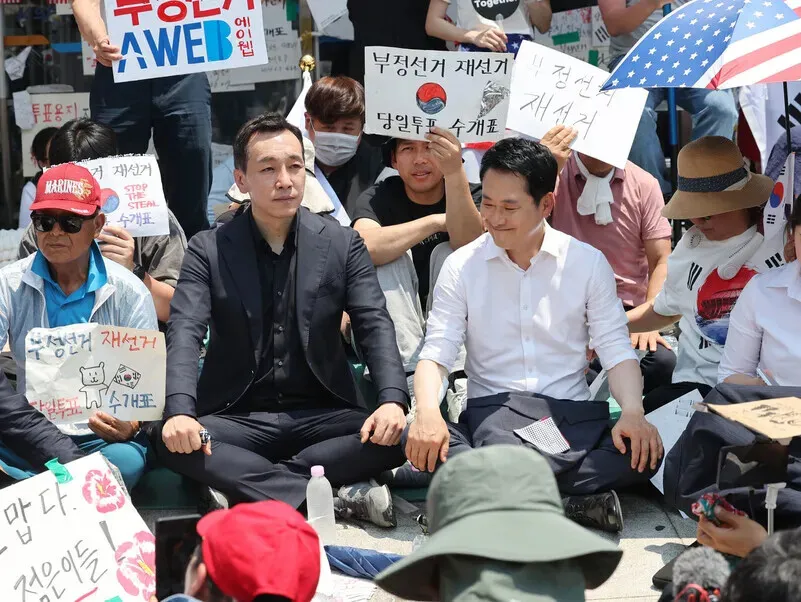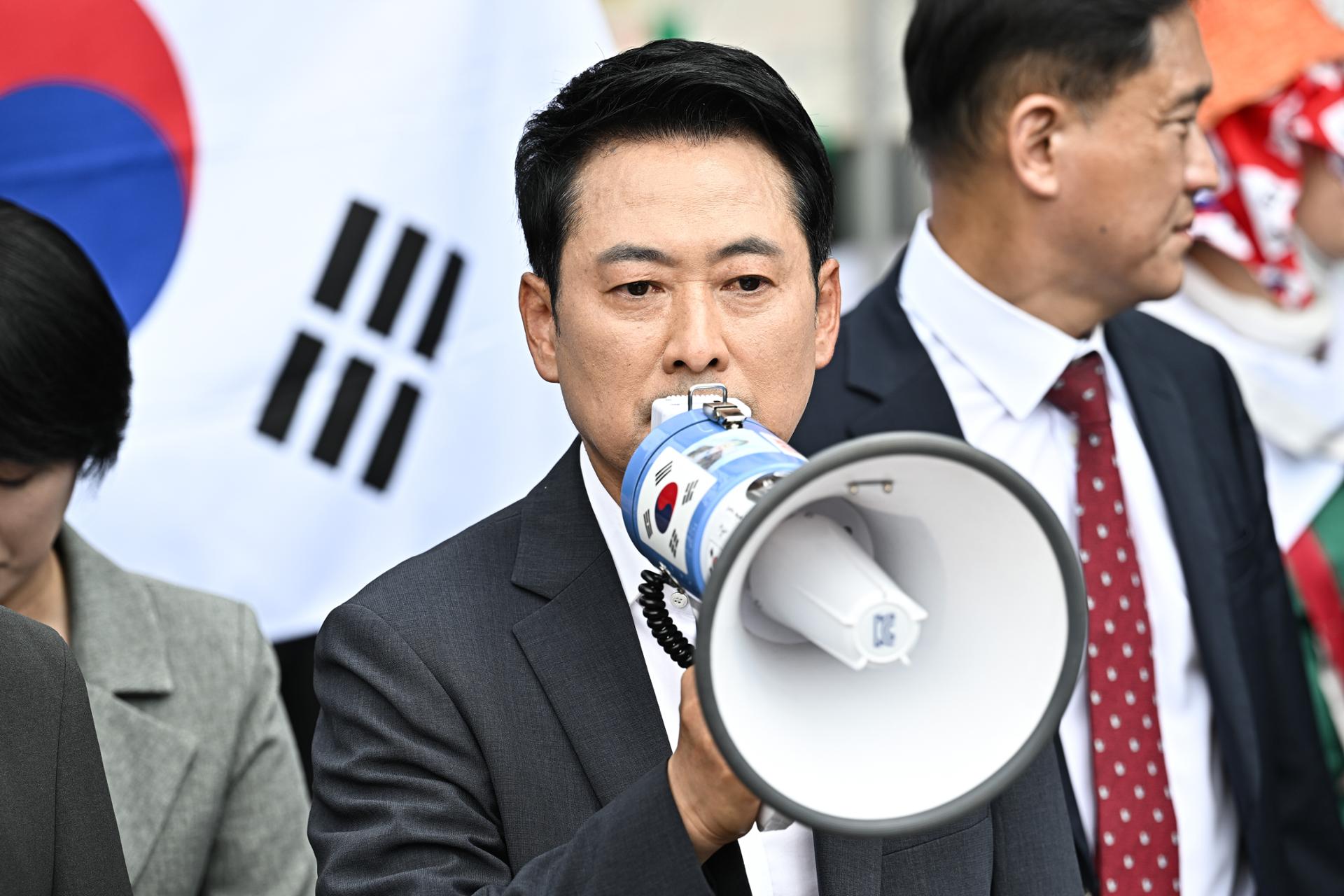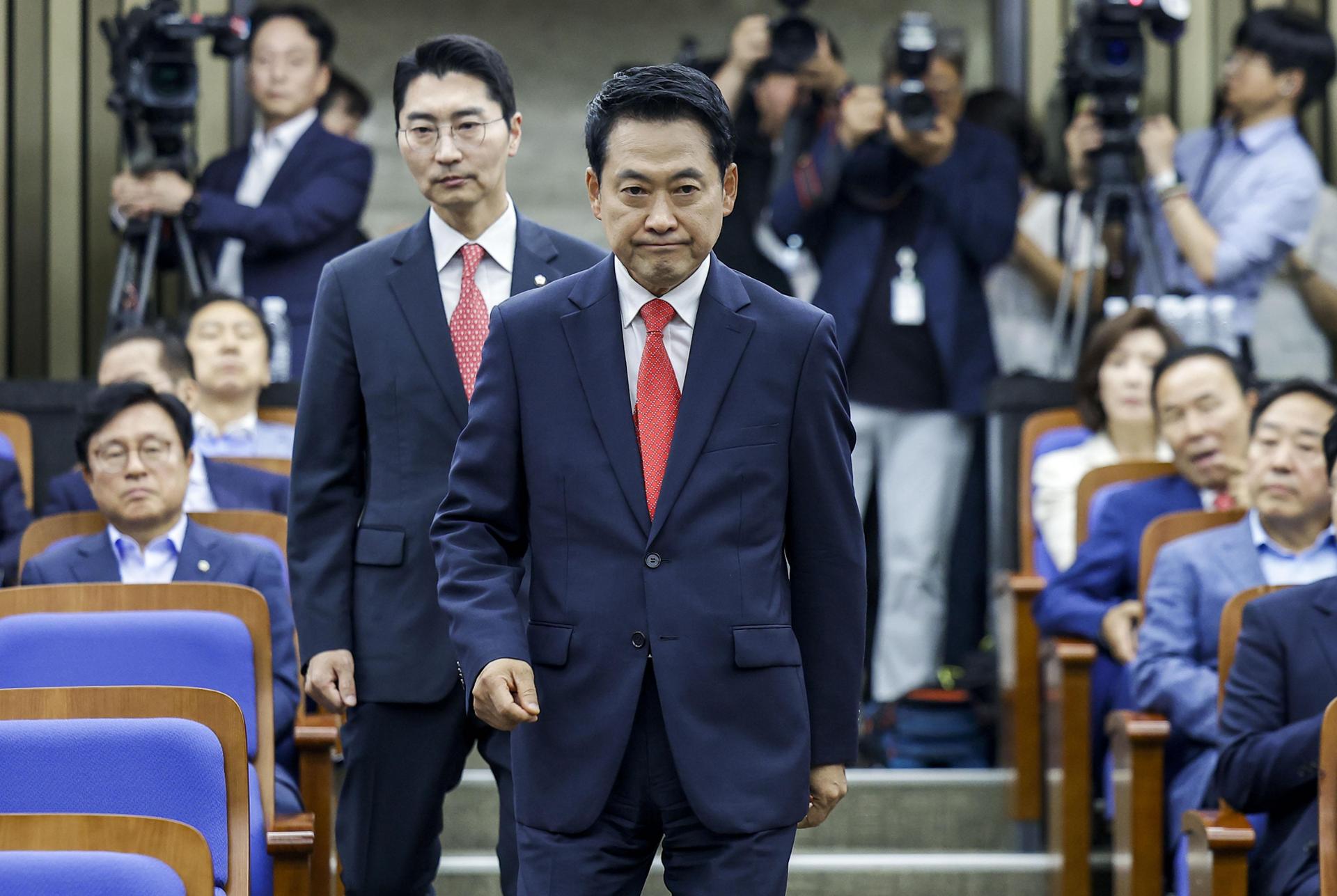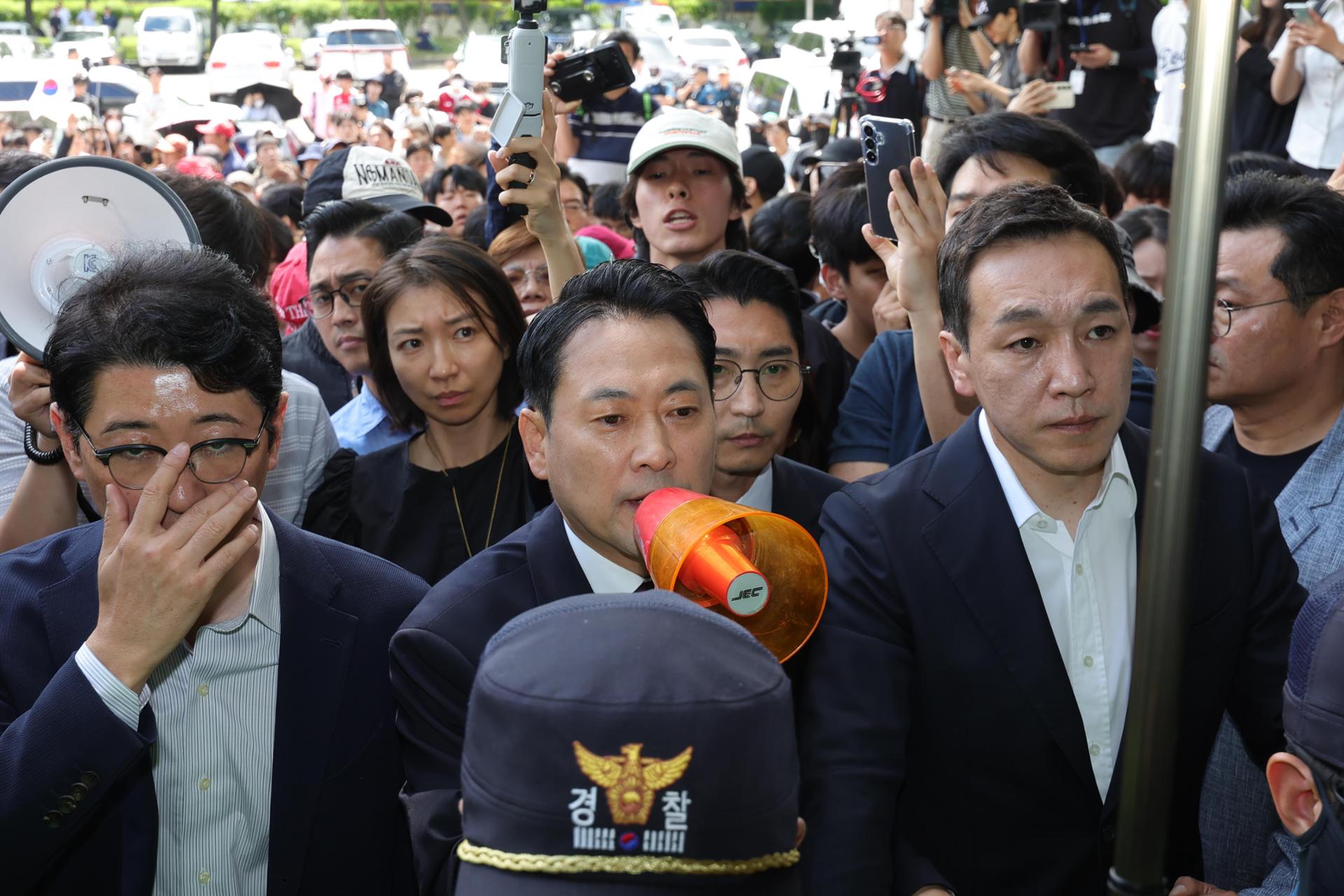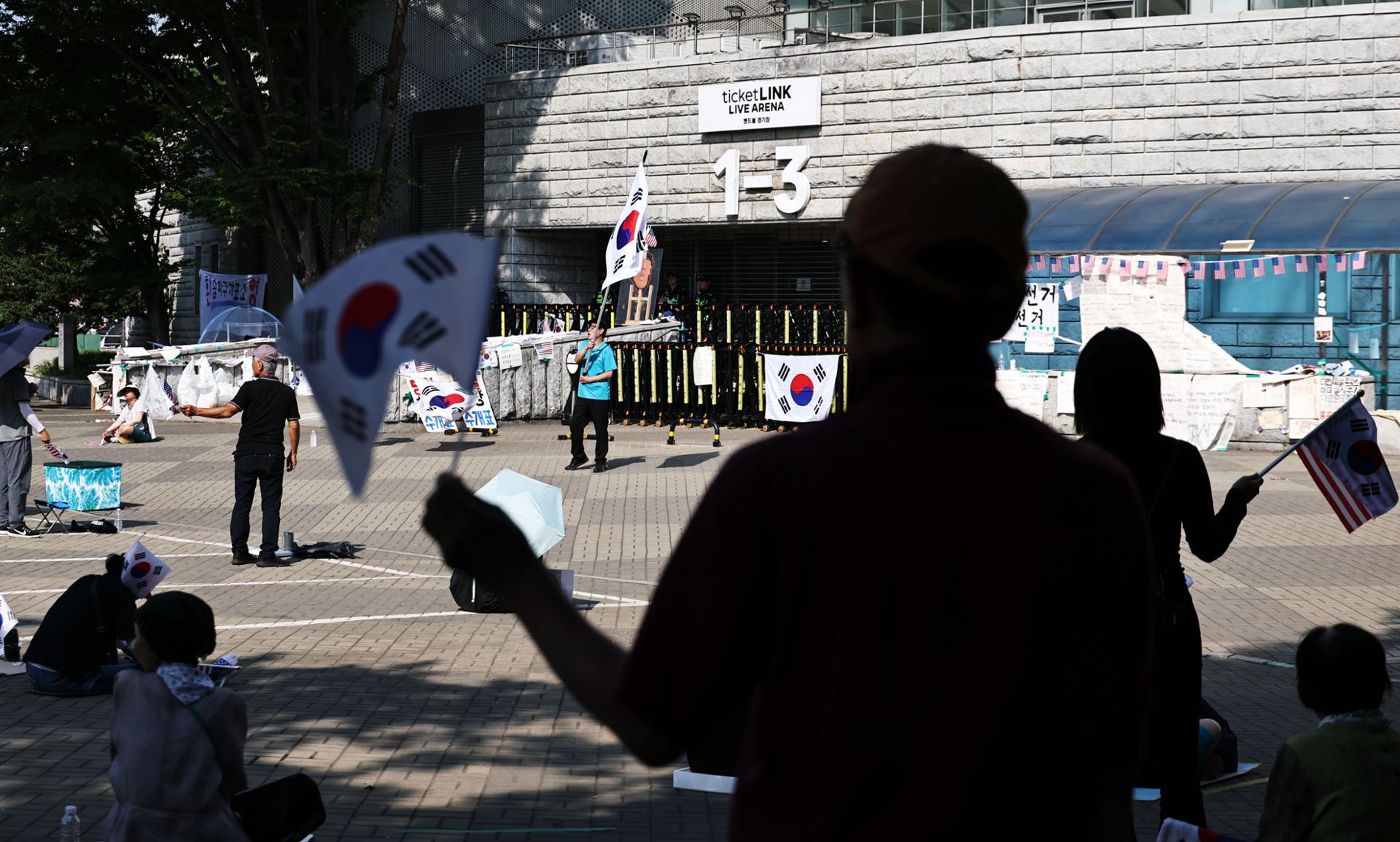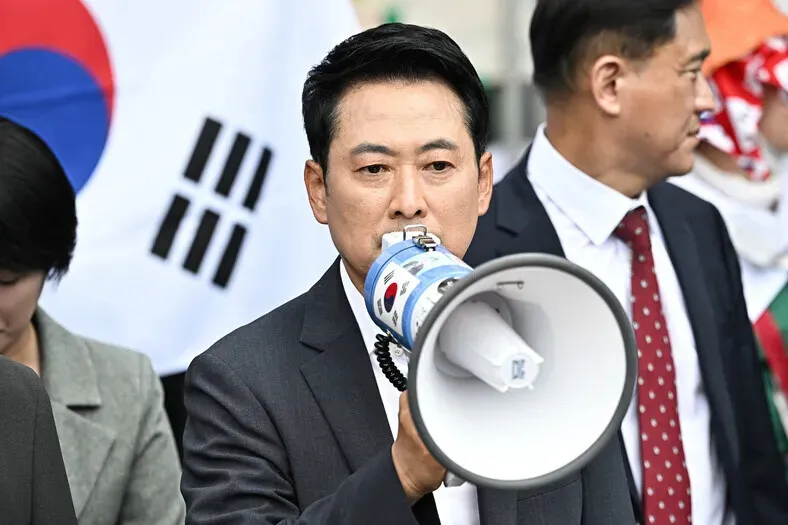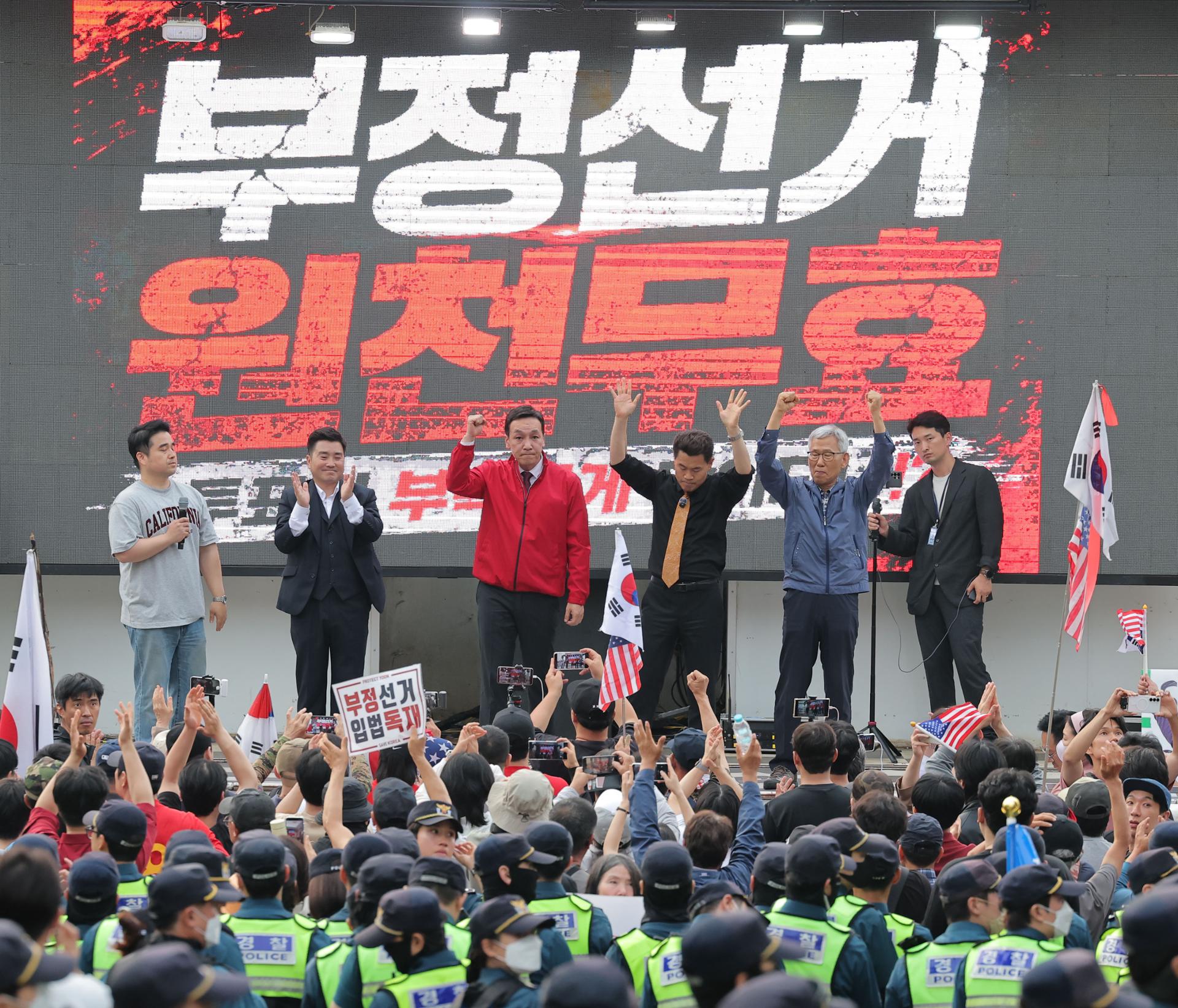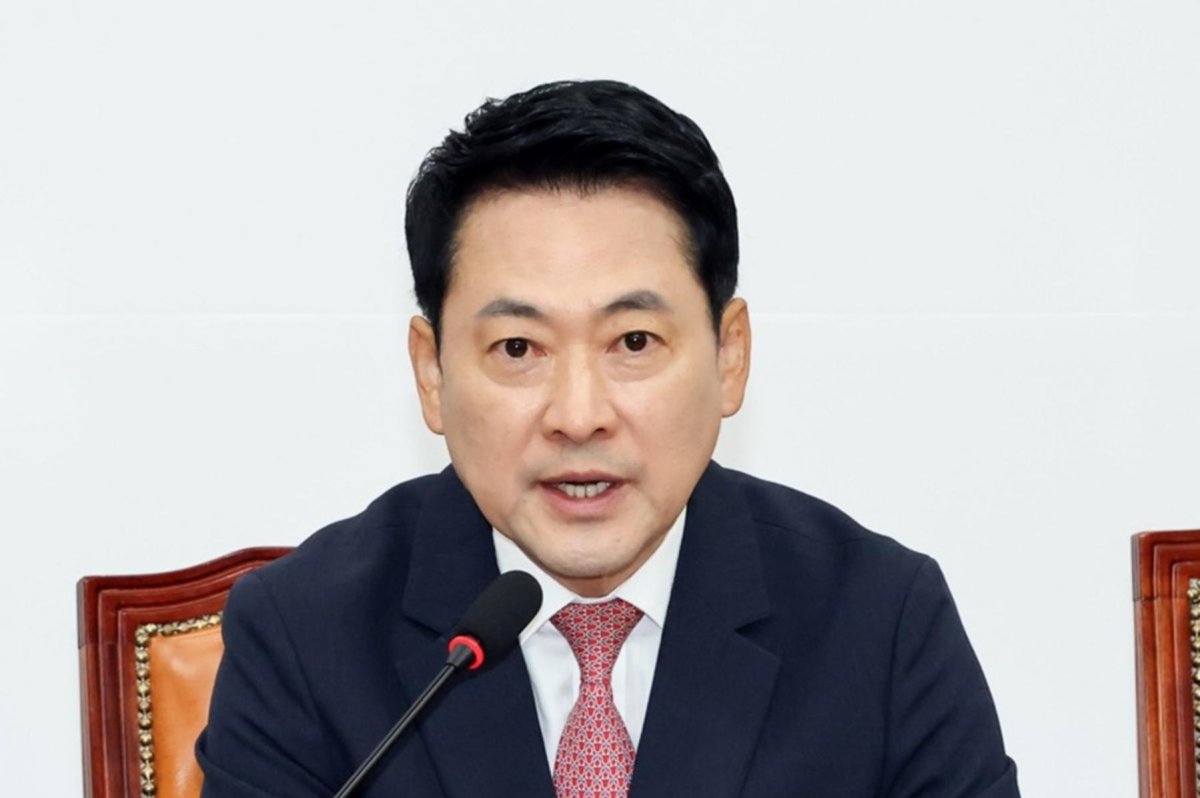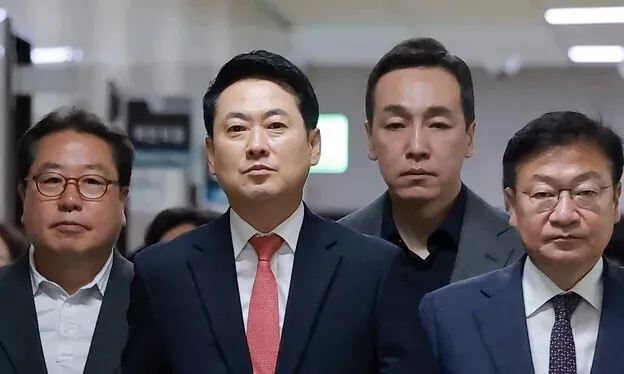
The leadership of South Korea’s top opposition People Power Party has unilaterally decided to file petitions with the National Election Commission challenging the outcomes and demanding revotes in six regions, including Seoul, in connection with the paper ballot shortage during the June 3 local elections.The move, led by party leader Rep. Jang Dong-hyuk, has prompted backlash within the party ranks, with many seeing it as a one-sided decision by leadership to pursue this action without listening to a wider range of voices, and party members slamming it as overbearing. Following an emergency Supreme Council meeting on Monday afternoon, the PPP revealed that it had made a unanimous decision to file petitions objecting to the validity of the election for all races in regions where polling stations experienced a ballot shortage, infringing upon voters’ right to participate in the political process. Those regions included Seoul, which reelected Mayor Oh Se-hoon, Gyeonggi, Incheon, Busan, Ulsan, Gwangju and South Jeolla Province. Eight out of six members of the party leadership attended the meeting (Reps. Jang Dong-hyuk, Jeong Jeom-sig, Shin Dong-uk, and Kim Min-soo, Yang Hyang-ja and Cho Kwang-han), while Reps. Kim Jae-won and Woo Jae-jun were absent. Rep. Choi Bo-yun, a senior spokesperson for the party, convened with reporters after the Supreme Council meeting, informing them that the party decided to pursue a “full-scale revote.” “This will cover all candidates involved in the June 3 local elections where ballot issues arose, including mayors of metropolitan cities and heads of other local governmental bodies, council members at provincial and local levels, as well as proportional representatives at both levels,” said Choi. The appeals are being filed for certain polling stations in six districts, including Seoul’s Songpa District, where ballot shortages occurred. The PPP did not provide specific details regarding the status of the polling stations subject to the petitions. By-elections for National Assembly members and education superintendent elections were excluded from the scope of the appeals. When asked why the decision to file petitions was made without consulting the parliamentary caucus, Choi said, “The party leader is the one with the right to file appeals. We had no time to delay, as the deadline for filing petitions is Wednesday [June 17], so we had to act quickly.” An election petition is a procedure to challenge the validity of an election or election results before the National Election Commission. Such petitions must be filed within 14 days of the election, making Wednesday the deadline. “Our goal is clear: a national revote,” Jang posted on his Facebook page on Monday evening, after the party’s announcement was made public. “The election petition is only just the beginning.” The leadership’s unilateral move drew strong criticism from party members.“We were supposed to discuss Jang’s call for a revote during this week’s general assembly. Suddenly passing this motion demonstrates the leadership’s disregard for us lawmakers. Demanding a full-on revote instead of pursuing a reasonable response is irresponsible,” a second-term lawmaker from the traditionally conservative Yeongnam region told the Hankyoreh. One lawmaker from the greater Seoul area said it “makes no sense for the party’s leader to act like such an authoritarian.”In a radio interview with YTN on the same day, Rep. Kim Yong-tae suggested that the move was aimed at Seoul Mayor Oh Se-hoon. “This move is clearly aimed at undermining Mayor Oh. As the leader of the main opposition party, Jang deserves strong criticism for acting so irresponsibly,” the lawmaker said. A representative for Oh said that it was “keeping an eye on” the situation. “To our understanding, Seoul is being mentioned in this election petition as the party intends to appeal certain problematic polling stations within Seoul, instead of calling for a complete revote,” they said. Democrats slammed the move as a denial of the election results. “The PPP’s appeal for a reelection is a refusal to accept the election results and an anachronistic attempt to capitalize on election fraud allegations for partisan gain,” said Rep. Kang Jun-hyeon, the senior spokesperson for the Democratic Party, in a written briefing. The National Election Commission must issue a decision within 60 days of receiving an election petition. If the NEC accepts the appeal, a revote must be held within 30 days of the announcement. The Public Official Election Act stipulates that an election is ruled invalid only when violations of the provisions concerning the election are “deemed to have had a substantial effect on the result of the election.” By Kim Hae-jeong, staff reporter; Cho Hee-yeon, staff reporter
PPP leadership draws fire from within party for railroading revote petition
The conservative party leadership unilaterally moved to file petitions challenging the validity of the outcomes of elections in six regions that faced ballot shortages during the June 3 local elections
748 words~3 min read