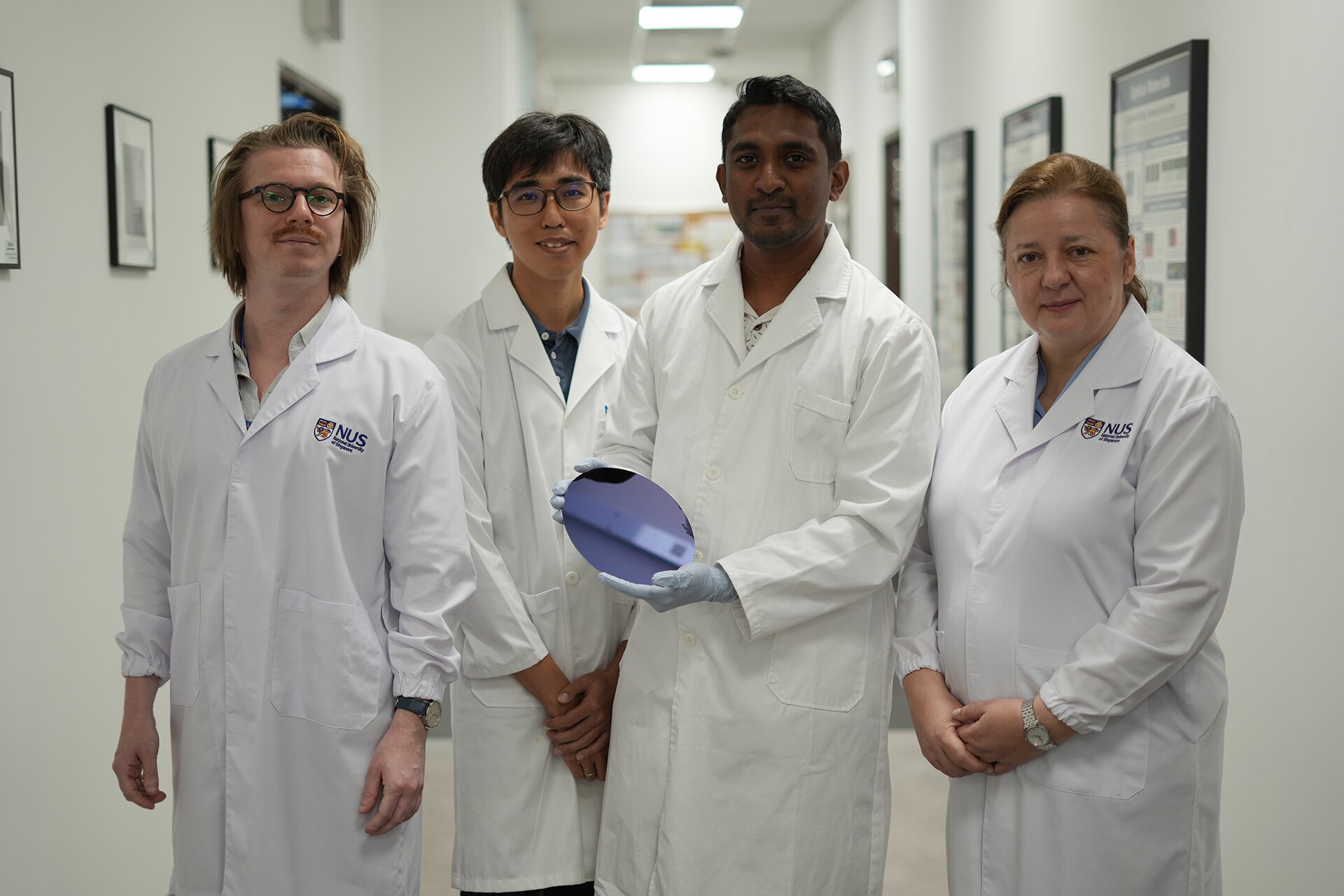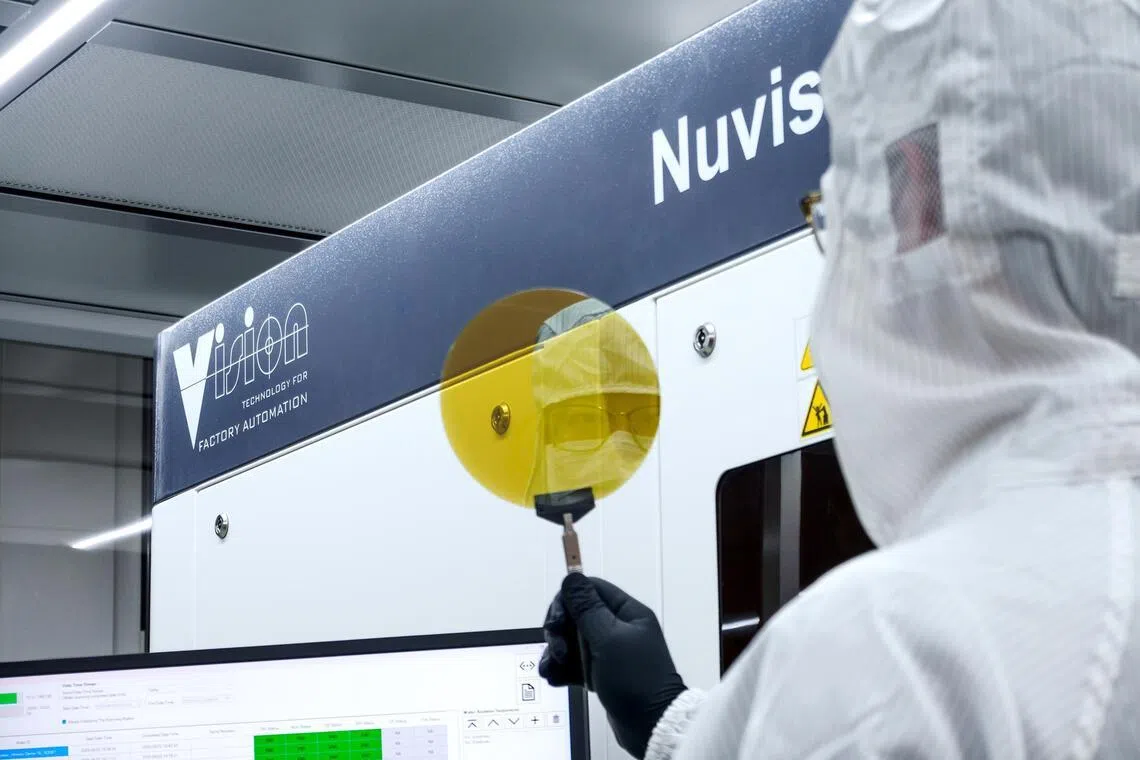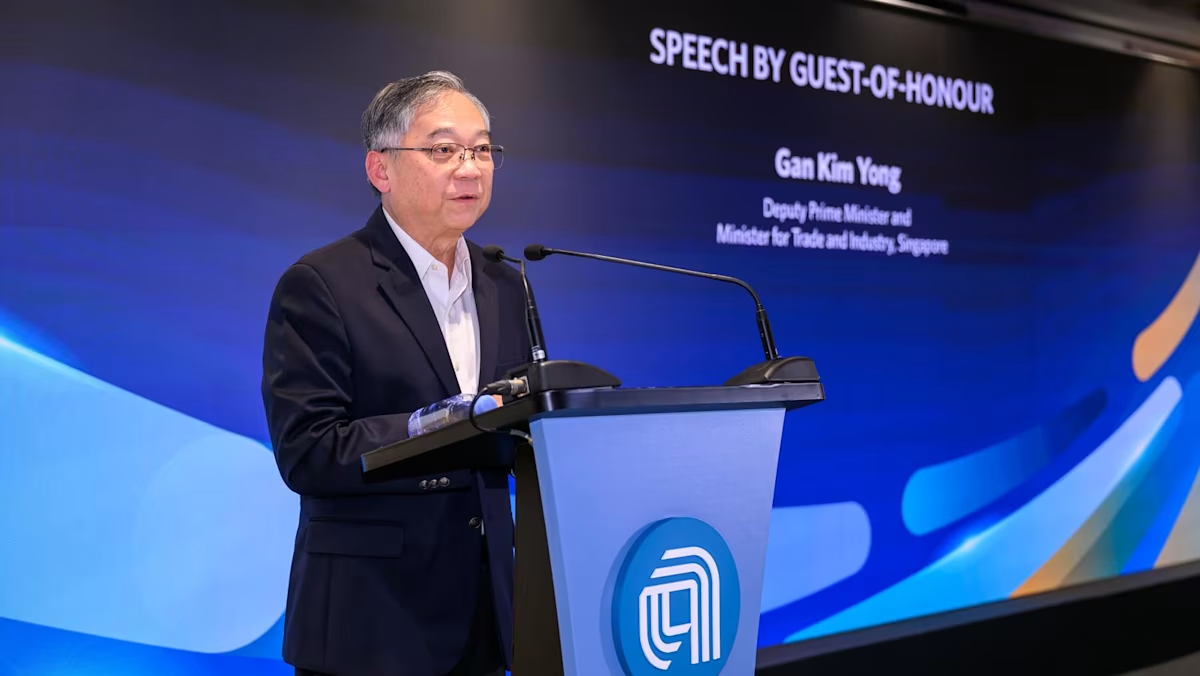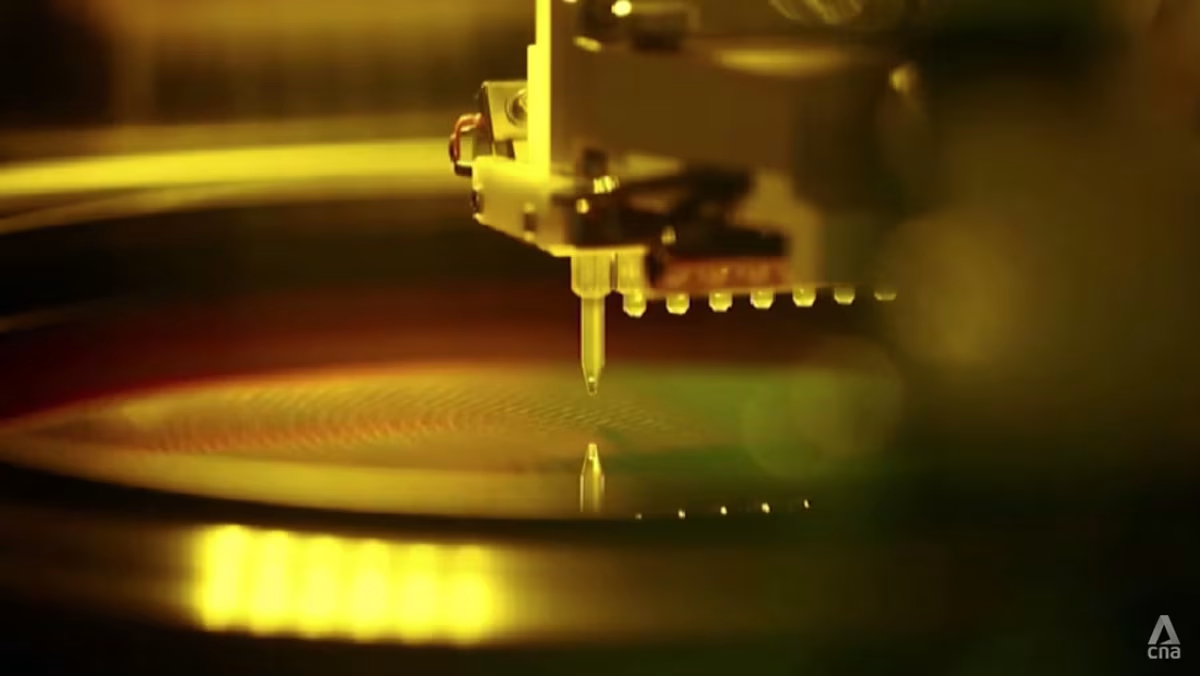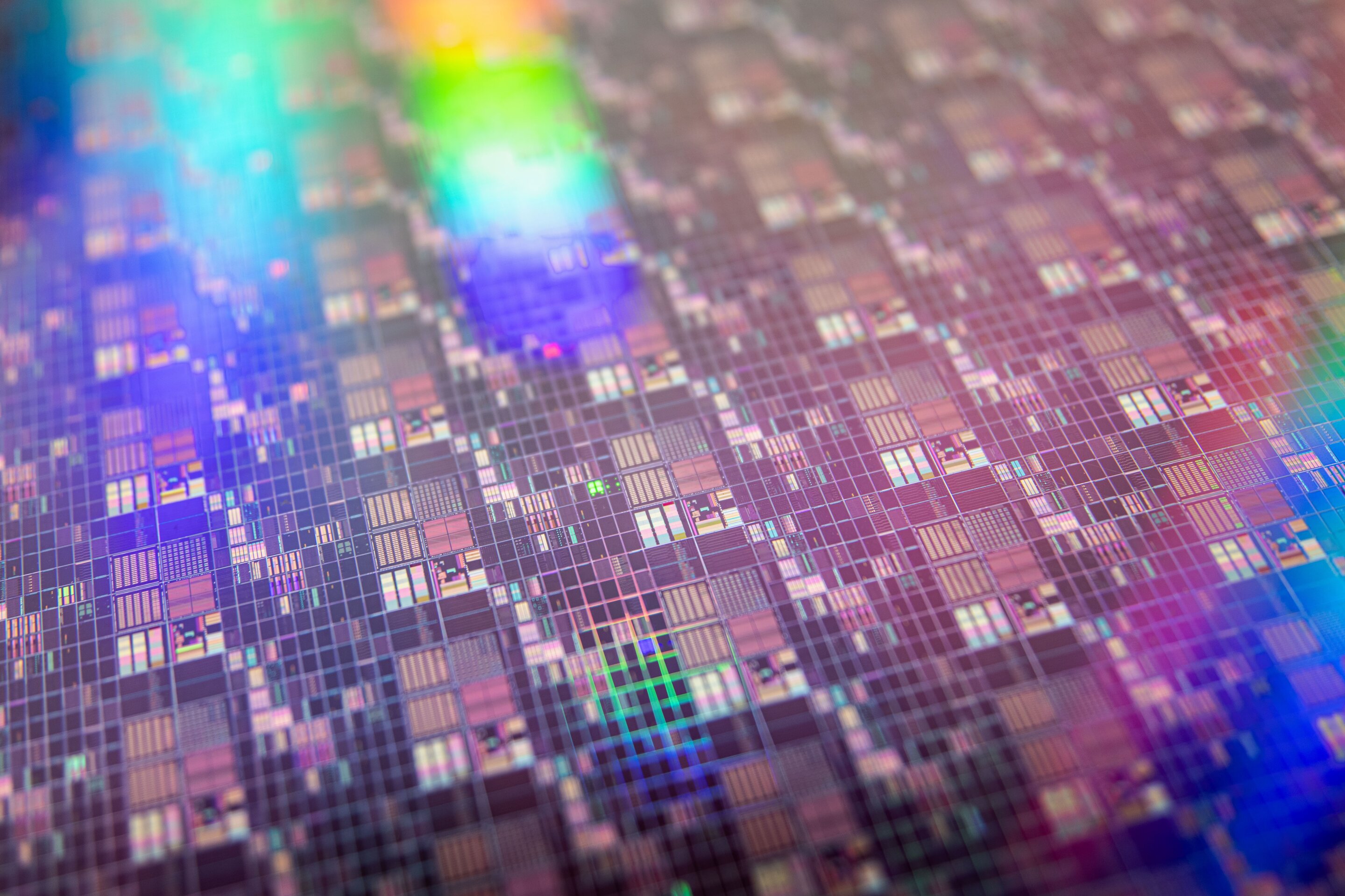
SINGAPORE - Affordable clean hydrogen and next-generation semiconductor chips are one step closer to reality with the setup of a new materials lab between the National University of Singapore and the University of Toronto.The lab aims to bridge the gap between lab discoveries and real-world manufacturing by using artificial intelligence (AI) to run thousands of rapid experiments to generate recipes for mass producing tomorrow’s critical technologies.Called the Materials Data Foundry, the $10 million lab is one of eight research projects under Singapore’s national AI-for-Science (AI4S) programme unveiled for the first time since the programme was first announced in October 2024.Backed by $120 million in funding from the National Research Foundation (NRF), AI4S aims to develop AI methods and tools to speed up scientific discoveries.“We want to be able to move faster and more innovatively in terms of discovery,” said Permanent Secretary of National Research and Development Professor Tan Chorh Chuan on June 16 in announcing the projects.The other projects span advanced manufacturing and materials, biomedical and health sciences, and aviation and maritime technologies.Tan - who also chairs the Agency for Science, Technology and Research and the Ministry of Health’s Office for Healthcare Transformation - was speaking at the annual scientific meeting AI4X-Accelerate Conference 2026.Institutions behind the projects include Singapore-based universities Nanyang Technological University and National University of Singapore, local research agency A*STAR, Imperial College London’s first overseas research hub Imperial Global Singapore, University of Illinois at Urbana-Champaign’s centre Illinois Advanced Research Centre in Singapore, and University of Cambridge’s Cambridge Centre for Advanced Research and Education in Singapore.Other projects include building an AI agent that can automate the design process for mRNA vaccines, digital twins that can better predict farmland conditions in Southeast Asia and an AI system that can better predict disease from a full blood count test.
S’pore uses AI to hasten the discovery of recipes for next-gen semiconductors, clean hydrogen
Read more at straitstimes.com. Read more at straitstimes.com.
298 words~1 min read