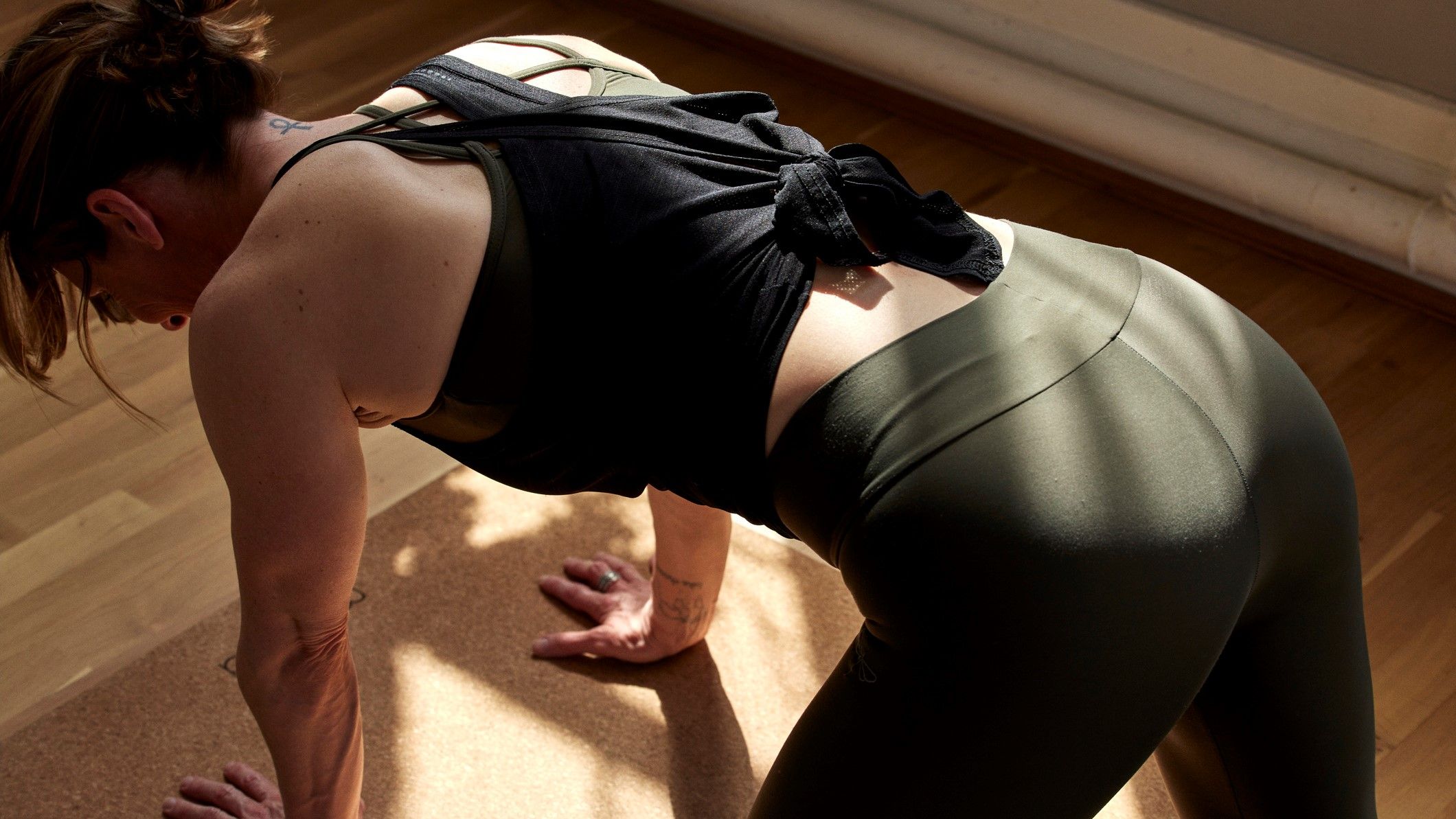
(Image credit: Getty/Luca Sage)
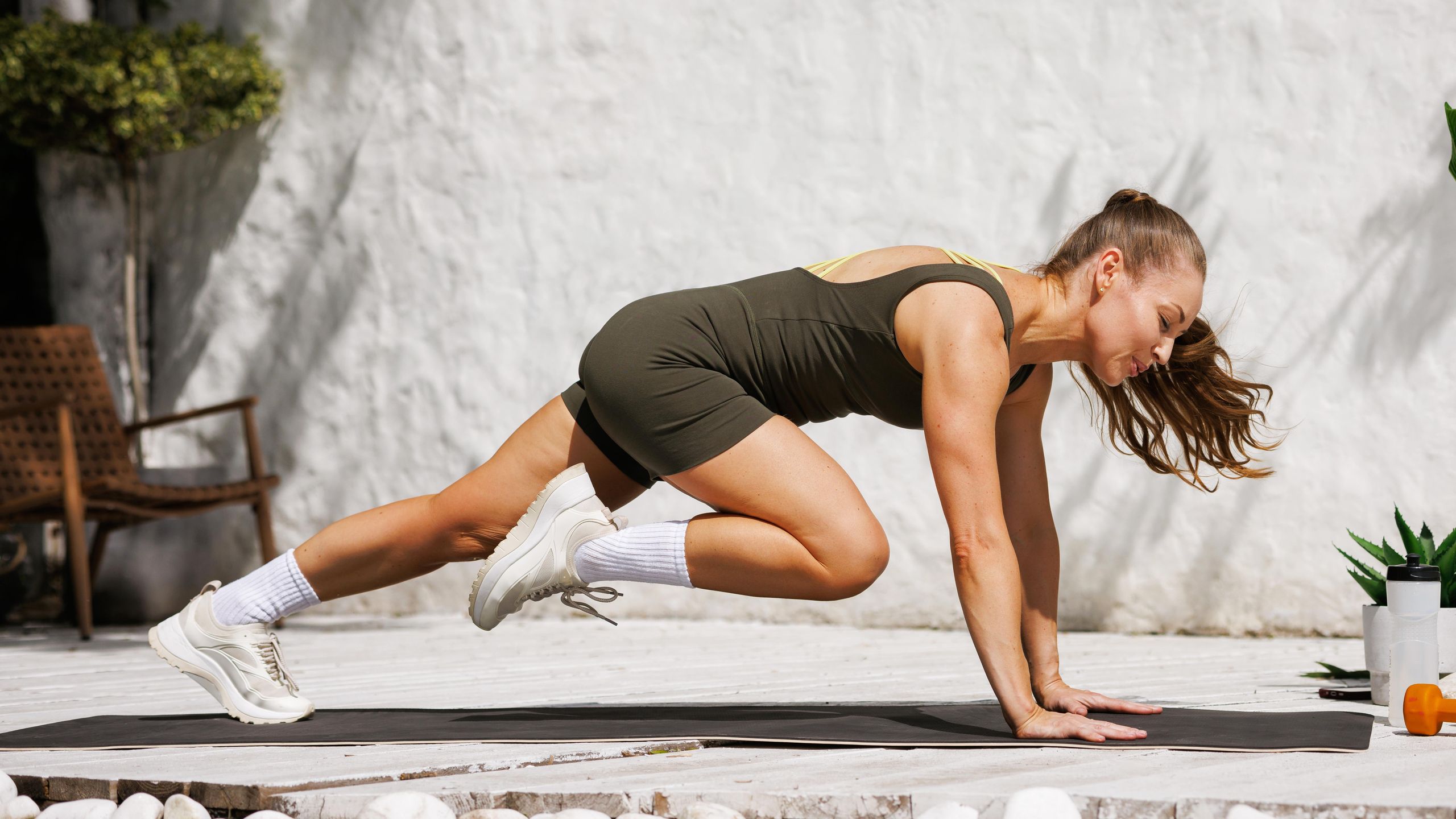
Before going through pregnancy and childbirth, I never shied away from sit ups, crunches, and other abdominal exercises that involved spinal flexion. However, a lingering case of postpartum diastasis recti made all of those exercises off-limits, so I had to rethink the way I trained my core.My pelvic floor physical therapist often assigned bear plank leg reaches during our appointments. As a certified personal trainer I was certainly familiar with the move, but regretfully I’d never incorporated them into my routine on a consistent basis. Trying them in her office left me shaking after a set and sore the next day, and that was all the evidence I needed to start doing them more regularly.Bear plank leg reaches are incredibly effective at targeting the deepest muscles of our core, like the transverse abdominis and internal obliques. The more surface level muscles like the rectus abdominis and external obliques also kick into gear, so this one movement can train multiple abdominal muscles at the same time.Below I’ll go over how to do bear plank leg reaches, their benefits, and ways to modify or progress the exercise. Grab a yoga mat and give them a try.How to do bear plank leg reachesCheck in with your doctor before trying this exercise or any new activity. Bear plank leg reaches may look simple but they’re challenging to master. Consider meeting with a certified personal trainer for guidance on correct form, appropriate modifications for your fitness level, and proper progressions when you’re ready.You’ll just need a yoga mat for this exercise. If you have sore knees, you may want to use a rolled up towel or pillow for additional cushioning.Start with one set of 8 reps per side. After you’ve built up some strength and stability, increase to 10-12 reps on each side. You can also gradually increase the number of sets you do.Get instant access to breaking news, the hottest reviews, great deals and helpful tips.Bear plank leg reaches can be done on their own, as a part of your current core routine, or as a warm-up for lifting, running, or other workouts.